The Financial Risks of Gas Kitchens by 2026: Why Switch to Induction
As a contractor who has remodeled hundreds of kitchens, I have observed how cooking technology has evolved. Homeowners once demanded gas ranges for professional performance. Now, clients inquire about induction for its energy efficiency, safety, performance, and alignment with new building codes. If you plan a kitchen remodel, consider why induction cooking emerges as the standard for gas-free kitchens.
Risks Associated with Retaining Gas
Homeowners often resist abandoning gas due to the sensation of an open flame or the belief that it heats faster. However, gas poses risks to safety and comfort that many overlook. I have replaced numerous gas lines due to leaks, corrosion, or inspection failures. A minor leak can saturate the kitchen with hazardous fumes that pose breathing risks and ignite easily.
Even secure installations release nitrogen dioxide and carbon monoxide from combustion, degrading indoor air quality. Municipalities increasingly enforce stricter environmental regulations, phasing out gas connections in new constructions and remodels. Those who cling to gas may face costly retrofits or diminished resale value as buyers prefer all-electric setups. Delaying the switch represents not merely a preference but a financial liability, with expenses escalating under regulatory deadlines rather than during planned remodels.
How Induction Surpasses Gas and Electric Coil Ranges
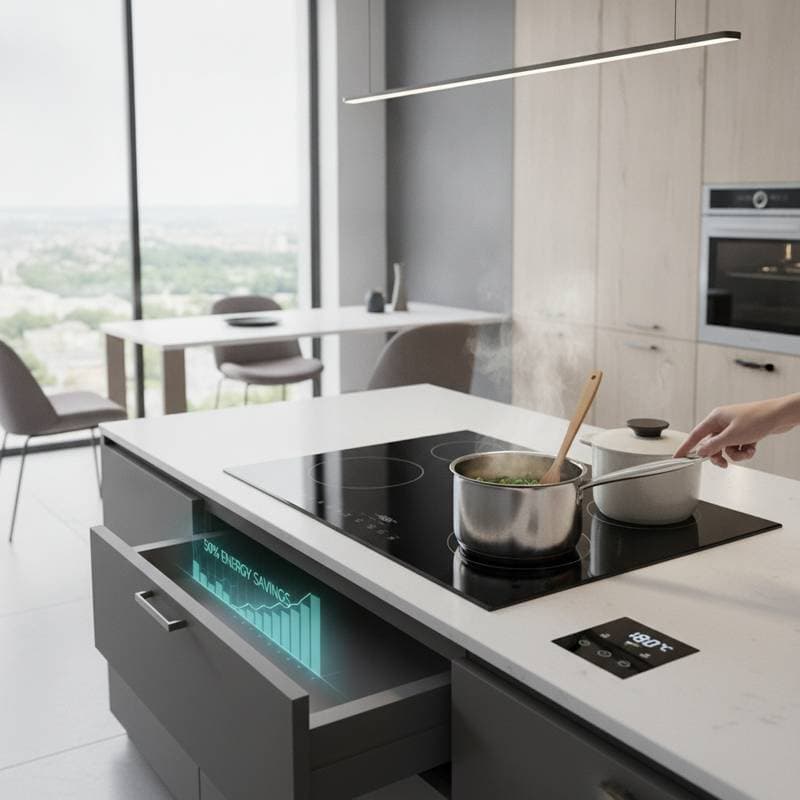
Induction cooking generates a magnetic field to heat cookware directly, bypassing surrounding air. This mechanism revolutionizes cooking experience and efficiency. In my kitchen, water boils in under half the time compared to gas. The cooktop remains cool except beneath the pan, reducing burn risks and enhancing safety for households with children.
Homeowners who adopt induction report these key benefits:
-
Speed and Precision
Heat adjusts instantaneously. Lowering the setting causes immediate temperature reduction, eliminating delays for burner cooldown or flame stabilization. Such control simplifies tasks like preparing delicate sauces or melting chocolate. -
Energy Efficiency
Induction converts 85 to 90 percent of energy into the cookware. Gas dissipates over half its energy as ambient heat. This efficiency lowers utility costs and stabilizes kitchen temperatures, particularly in compact areas. -
Cleaner Cooking Environment
Absent flames or combustion residues, air quality improves. Vent hoods accumulate less grease and soot, simplifying upkeep and prolonging appliance and surface longevity. -
Safety Features
Units deactivate upon pan removal. Advanced models sense overheating or unsuitable cookware and interrupt power to avert mishaps. These safeguards position induction among the safest cooking options.
Practical Benefits in Remodeling Projects
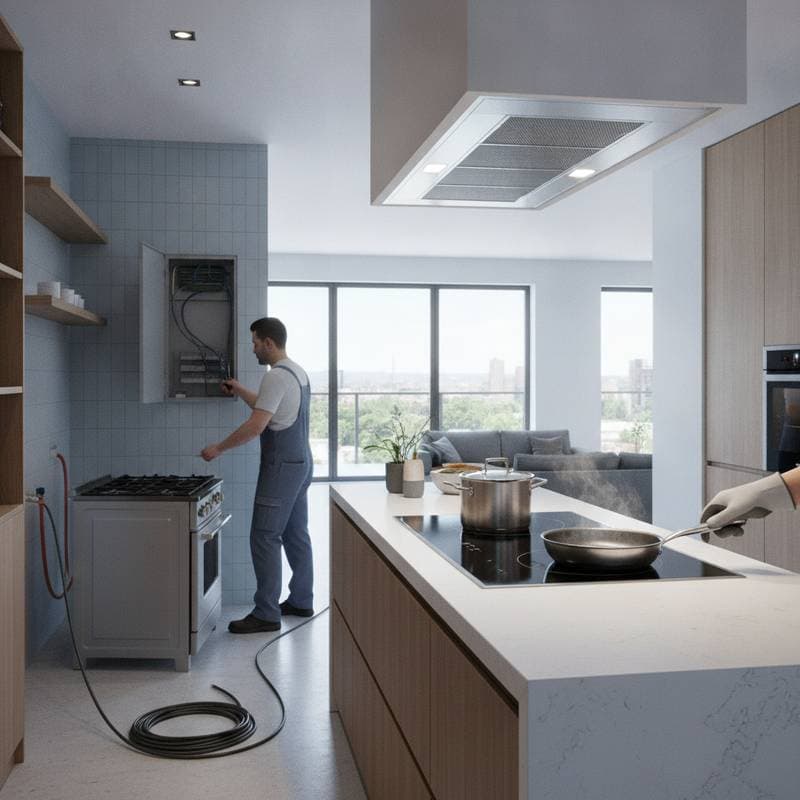
Contractors appreciate the streamlined installation of induction ranges. No gas line extensions or combustion venting prove necessary. A licensed electrician typically completes a dedicated circuit in hours, yielding a tidier, quicker process than gas pipe rerouting.
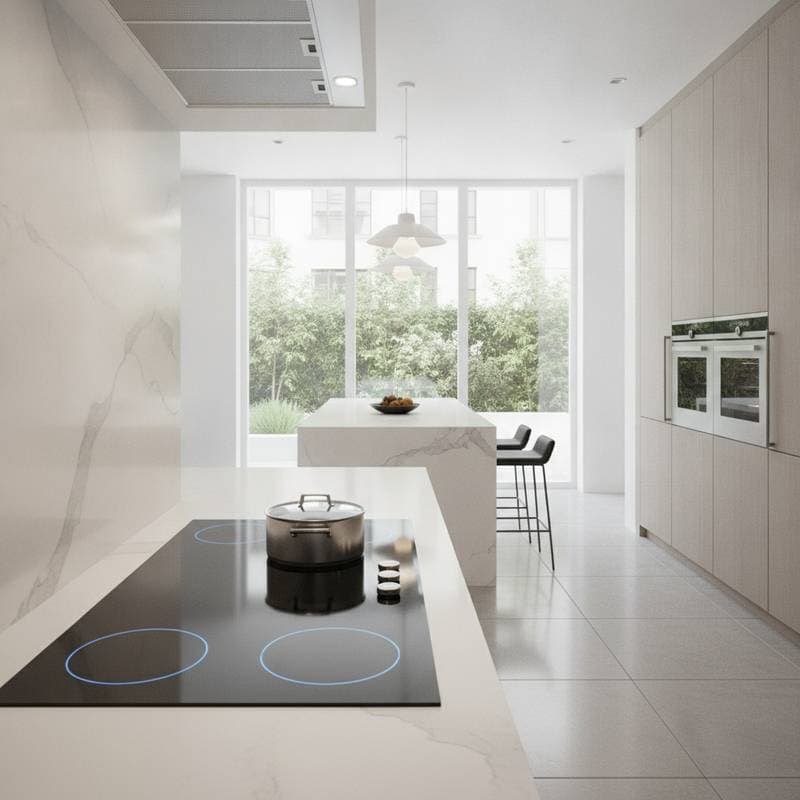
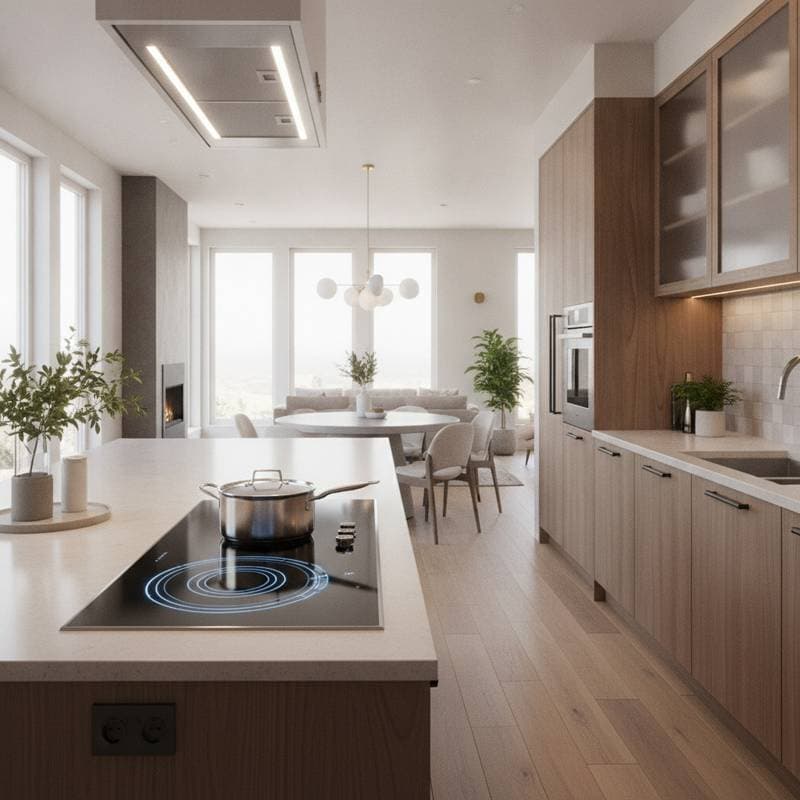
Induction enables greater design versatility in remodels. Freed from bulky hoods or gas clearance needs, options expand to sleek configurations, additional storage, or island placements. The flush cooktop integration creates a contemporary, unobtrusive aesthetic.
Resolving Frequent Objections
Cookware compatibility tops client queries. Induction demands magnetic bottoms; a magnet adhering to the pot base confirms suitability. Contemporary stainless steel and cast iron items generally comply. Although some replacements may occur, enhanced performance and safety justify the effort.
Upfront costs concern many, as premium induction ranges exceed gas equivalents initially. Accounting for energy reductions, extended durability, and minimal ventilation, total ownership expenses decline. Clients often offset premiums via utility savings and reduced repairs within years.
Regulatory and Environmental Changes
Nationwide, cities and counties revise codes to curb emissions and energy use. Gas appliances face initial bans under these mandates. Contractors prepare for all-electric kitchens as the default.
Proactive homeowners sidestep disruptions from evolving rules or rejected gas permits. Adopting induction aligns with forthcoming standards, sparing major alterations. It elevates resale appeal for sustainability-focused buyers mindful of expenses.
Everyday Enhancements from Induction
Induction extends beyond compliance to simplify routines. Spills wipe away effortlessly without baking onto hot surfaces. Rapid cooling permits immediate cleaning post-use. Operations remain quiet, and the level plane serves as auxiliary counter space.
Clients who transition seldom revert. They value serene, temperate kitchens and reliable outcomes. Mature technology ensures dependability comparable to or exceeding gas, assuming proper installation and robust electrical support.
Steps to Facilitate Your Induction Transition
For remodel planning, follow these preparation measures:
-
Evaluate Electrical Infrastructure
Induction requires a 240-volt dedicated circuit. Engage a licensed electrician to inspect panel capacity. -
Choose Suitable Equipment
Prioritize units with defined wattage, intuitive controls, and safety certifications. Select brands offering strong support. -
Assess Cookware Viability
Apply a magnet test to current items. Acquire replacements selectively. -
Optimize Layout Design
Gas absence unlocks innovative arrangements. Integrate drawers or storage in former line spaces. -
Confirm Ventilation Needs
Induction minimizes heat and vapors, yet basic exhaust handles moisture and scents. Compact, low-noise hoods suffice.
Securing Long-Term Kitchen Value
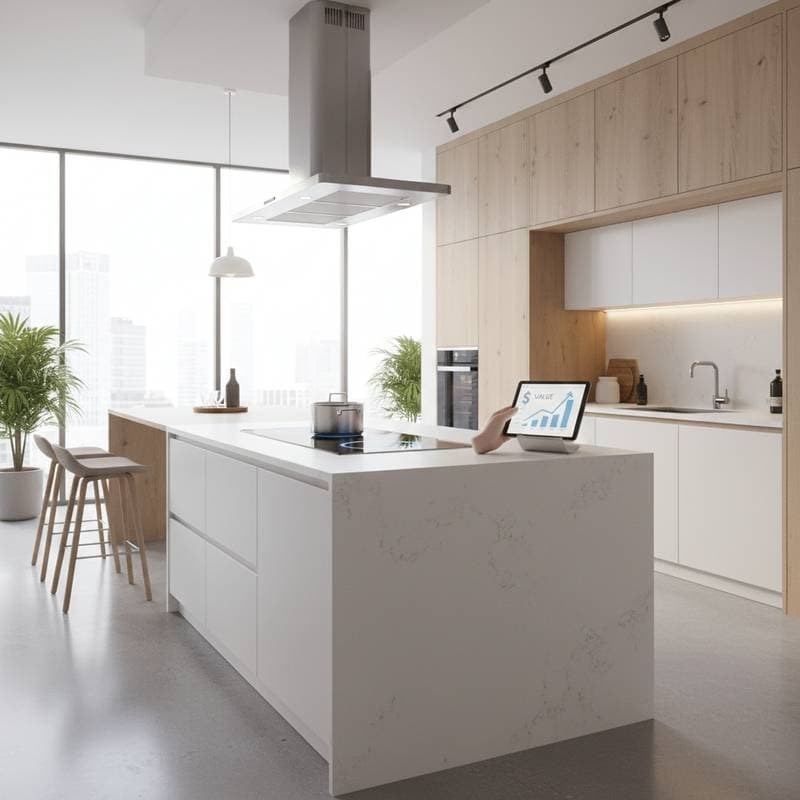
Embracing induction transcends trends; it advances safer, purer, efficient spaces compliant with standards. Integrate the change in your remodel to cut costs, heighten safety, and safeguard against regulatory shifts. Gas-free cooking gains momentum, with induction at the forefront.