Universal Design: Aging-in-Place Bathrooms for 2026
Homeowners often express a desire to remain in their residences for many years, yet they frequently overlook how bathrooms may fail to accommodate changing needs over time. Most bathrooms cater to young, agile individuals, featuring slippery surfaces, confined areas, and elevated thresholds that pose significant risks during routine activities as mobility declines. Universal design addresses these challenges by creating spaces that serve people of all ages and abilities, while maintaining aesthetic appeal, enhancing safety, and boosting property value.
Professionals who specialize in remodeling recommend incorporating these elements early in the planning process. Such foresight ensures the bathroom provides comfort immediately and reliability long into the future, without necessitating disruptive changes later.
The Cost of Waiting Too Long
Numerous homeowners postpone accessibility modifications until an injury or medical condition forces their hand. At that point, renovations occur hastily, resulting in design shortcuts, reduced quality, and escalated expenses. Families have reported doubling their budgets for urgent alterations that could have integrated seamlessly into prior projects at minimal additional cost.
These features extend beyond physical ease; they safeguard personal autonomy and mitigate the financial burden of alternative living arrangements. A secure bathroom also benefits family members who may provide assistance in the future. Early planning allows selection of superior materials, engagement of skilled professionals, and optimization of spatial arrangements.
Core Principles of Universal Bathroom Design
Universal design emphasizes accessibility, safety, and usability, all while preserving elegance. The principles below form the basis of effective aging-in-place bathroom renovations:
-
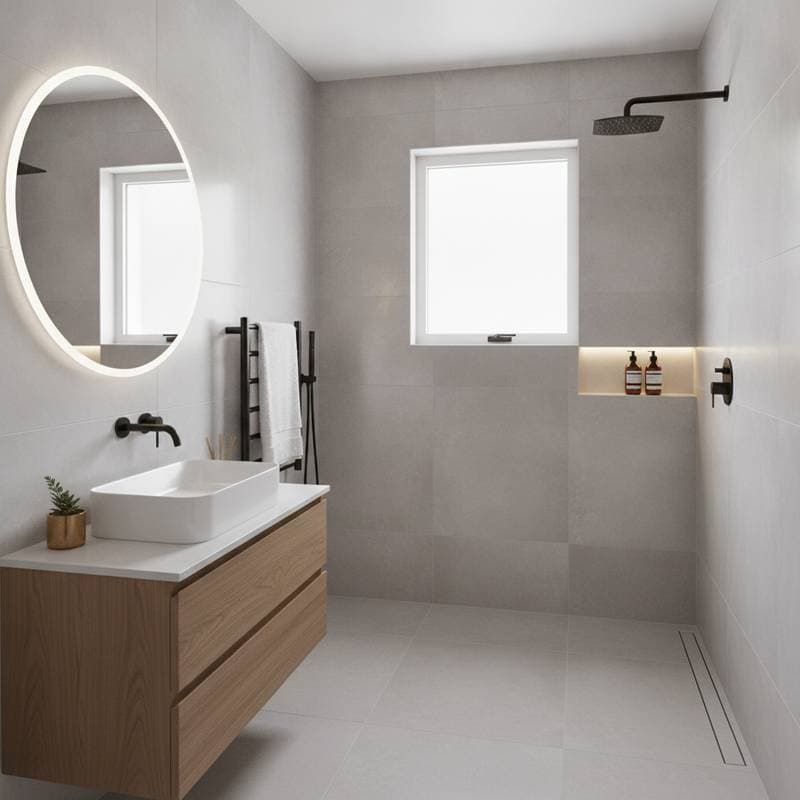
No-Step Entry: Ensure level access at all points, including showers, doorways, and room transitions. A curbless shower with efficient drainage represents the most impactful enhancement.
-
Ample Space: Design layouts that facilitate movement with assistive devices like walkers or wheelchairs. Target at least five feet of clear turning radius in primary zones.
-
Reachable Fixtures: Position sinks, faucets, and storage for access from standing or seated postures. Opt for adjustable or wall-mounted configurations.
-
Slip Resistance: Select flooring with a high friction coefficient. Textured porcelain tiles or matte-finish vinyl planks deliver grip without discomfort.
-
Lighting and Visibility: Provide uniform illumination to minimize glare. Integrate overhead sources with targeted lights near mirrors and showers.
-
Simple Controls: Employ lever-style handles and touchless mechanisms to ease operation, particularly for those with joint limitations.
These components establish a robust framework for functionality and protection, with their true strength lying in harmonious integration with the overall aesthetic.
The Walk-In Shower: Central to Universal Design
Conventional tub-shower combinations rank among the highest-risk elements in any residence. Negotiating a tall tub edge while maintaining balance proves hazardous, even for those in good health. A curbless walk-in shower eliminates this danger entirely.
In remodeling endeavors, the shower serves as the starting point, influencing subsequent layout decisions. For aging-in-place applications, adhere to these specifications:
-
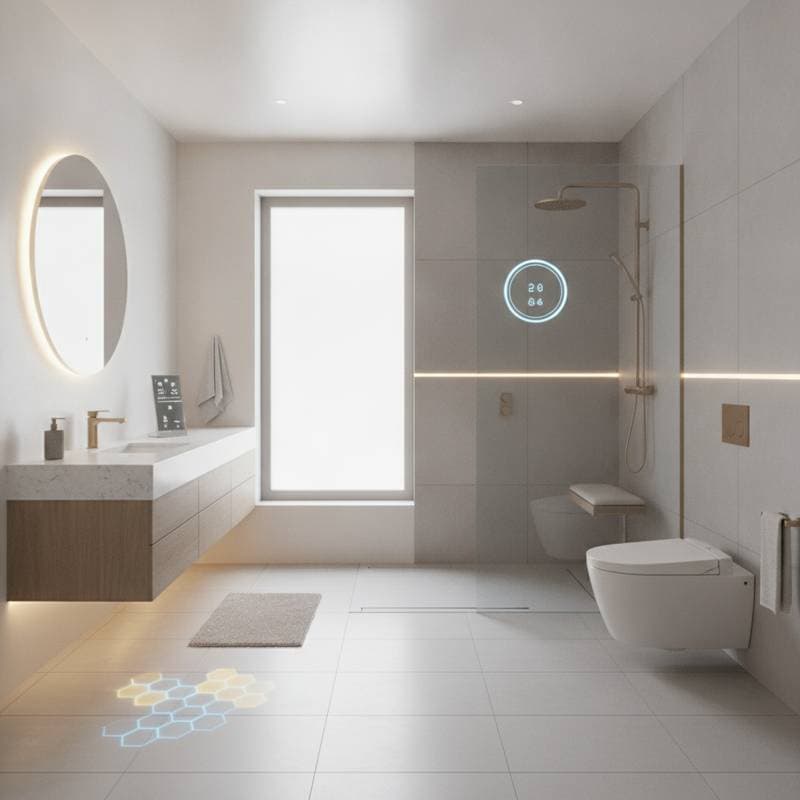
Zero Threshold: Implement a subtle floor slope leading to a linear drain, enabling seamless entry for wheelchairs and walkers.
-
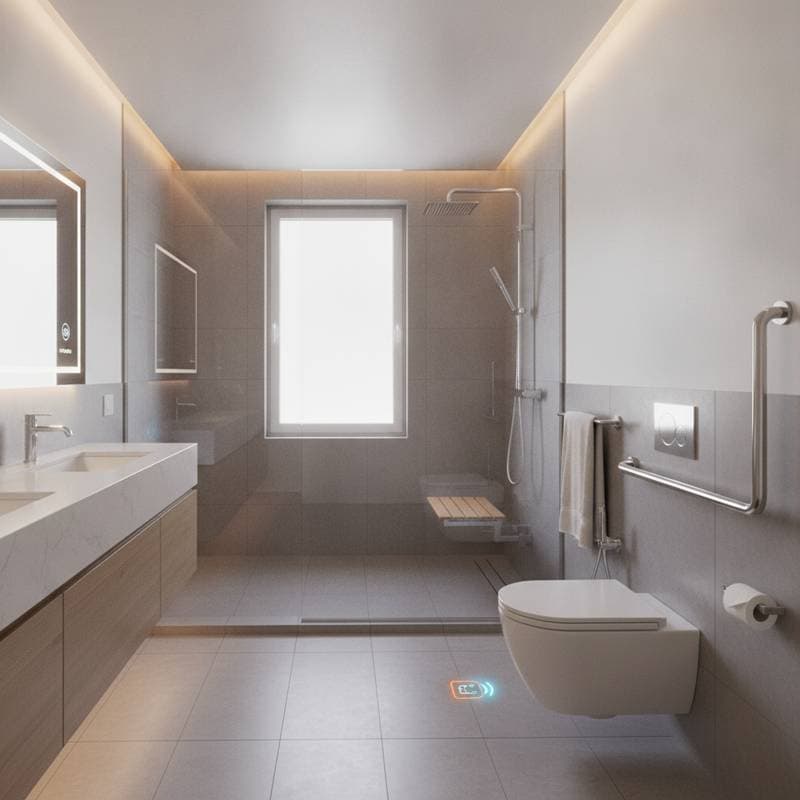
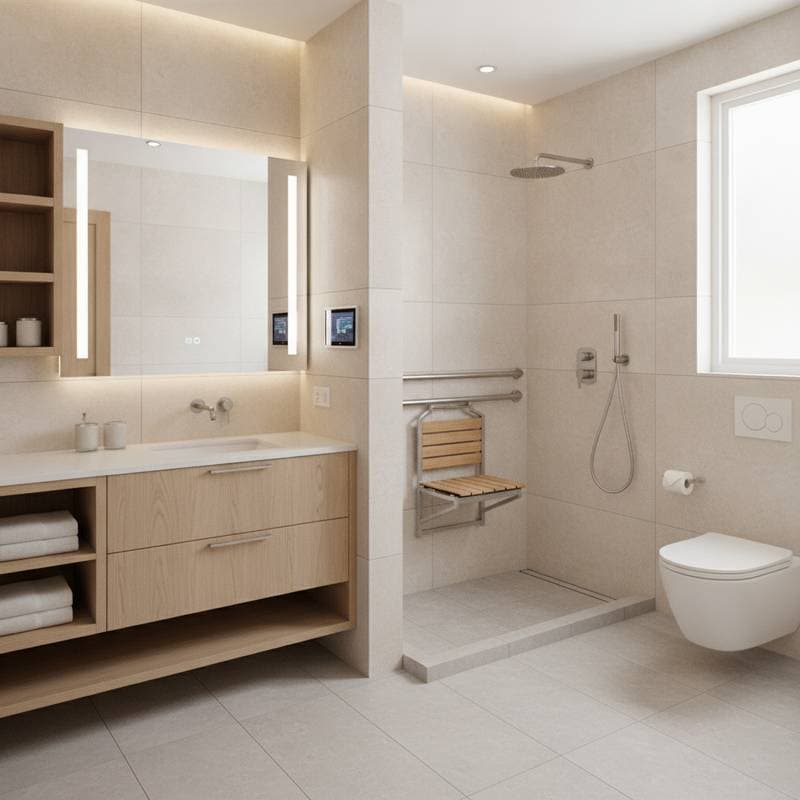
Bench or Seat: Incorporate a fixed or folding bench for stability during bathing, as well as for tasks like foot care or shaving.
-
Handheld Showerhead: Secure it to a adjustable slide bar for height and angle versatility, paired with a stationary overhead unit.
-
Grab Bars: Install horizontal and vertical supports adjacent to entrances, seats, and controls, firmly anchored to wall studs rather than surface materials.
-
Non-Slip Flooring: Utilize small mosaic tiles with sufficient grout spacing or resilient vinyl sheets to avert slips.
Executed thoughtfully, a curbless shower combines utility with visual allure. Appropriate tiling and enclosures elevate it to a focal point, transcending mere practicality.
Fixtures and Hardware That Make a Difference
Universal design thrives on thoughtful, understated enhancements that simplify everyday tasks while prioritizing security.
-
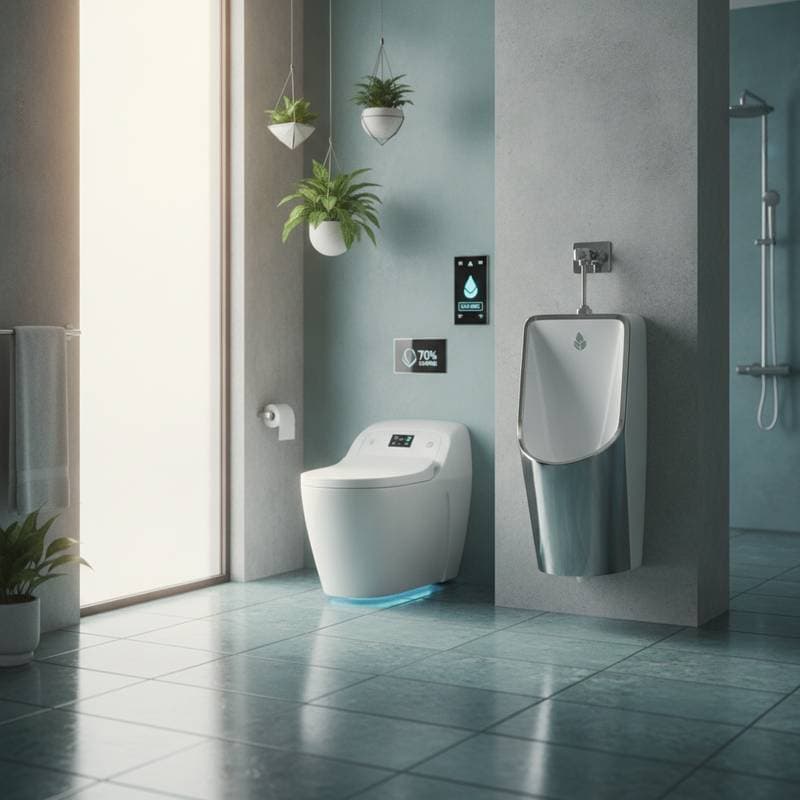
Toilets: Select comfort-height models, elevated by approximately two inches over standard versions, to lessen joint stress. Ensure compatibility with lateral grab bars or supportive frames.
-
Sinks: Favor wall-mounted or pedestal styles to permit wheelchair clearance underneath. Rounded edges minimize injury risk, complemented by single-lever faucets for effortless operation.
-
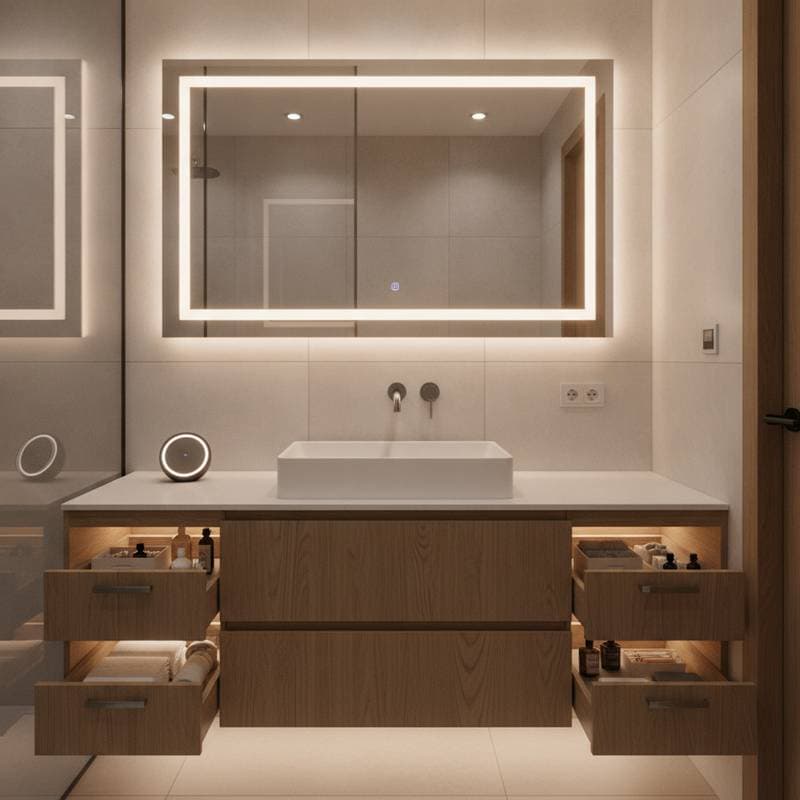
Mirrors: Choose pivoting or height-adjustable options to suit varied users. Surround with illumination to eliminate shadows and enhance clarity.
-
Storage: Integrate pull-out shelving and accessible open units for towels and essentials. Steer clear of deep lower cabinets or elevated uppers that demand excessive bending or reaching.
For hardware, prioritize durable substances with tactile surfaces. While polished chrome offers a modern sheen, alternatives like satin nickel or matte black provide superior hold and conceal smudges effectively.
Safe and Comfortable Flooring
Bathroom falls stem primarily from slick surfaces exacerbated by water and residues. Materials must therefore balance softness, adherence, and longevity.
Based on extensive project experience, superior choices encompass:
-
Textured Porcelain Tile: This option withstands humidity, simplifies cleaning, and features anti-slip variants. In wet zones, smaller tiles enhance footing.
-
Luxury Vinyl Tile or Plank: Offering a gentler, warmer feel than ceramics, premium waterproof iterations install straightforwardly.
-
Cork or Rubber Flooring: Though less prevalent, these excel in cushioning impacts and inherent non-skid properties.
Verify slip ratings rigorously; wet-area surfaces require at least 0.42 on the dynamic coefficient of friction metric. Installation precision—addressing gradients, joints, and edges—proves equally vital to eliminate stumble points.
Lighting that Protects and Guides
As visual acuity diminishes with age, inadequate illumination transforms secure environments into perils. Strategic layering counters glare and dark spots, fostering better navigation and relaxation.
-
Overhead Lighting: Deliver consistent, ample brightness to alleviate visual fatigue.
-
Task Lighting: Position units flanking or atop mirrors to support personal care routines.
-
Night Lighting: Employ sensor-triggered strips along baseboards or counters to aid low-light mobility.
-
Dimmable Controls: Permit intensity adjustments to match user preferences and daily cycles.
Eschew reflective finishes like glossy tiles or enamels that amplify light harshly. Soft, scattered illumination promotes a serene, intuitive atmosphere.
Planning for Future Adaptability
Although not all features may prove necessary immediately, structure the bathroom to accommodate future needs effortlessly. This strategy averts substantial later expenditures.
Incorporate these forward-thinking elements during initial build:
-
Wall Reinforcement: Embed plywood backing in walls destined for grab bar support; the upfront cost remains negligible compared to retrofits.
-
Wider Doorways: Standardize on 36-inch widths for unobstructed passage; consider sliding or pocket doors for spatial efficiency.
-
Removable Vanity Cabinets: Select modular designs that yield to accessible sink replacements as required.
-
Adjustable Shower Fixtures: Equip with extensible bars and adaptable piping for straightforward updates.
Such preparations render the space versatile without overt clinical modifications, upholding style alongside enduring practicality.
Contractor Selection and Communication
Universal design demands specialized knowledge; not all builders possess it. While many can add bars or construct showers, integrating components cohesively requires expertise.
During contractor evaluations, pose these inquiries:
-
Have you executed certified aging-in-place or universal design initiatives?
-
Do you routinely reinforce walls for prospective safety installations?
-
What methods do you apply for curbless shower water management?
-
Can you furnish references from comparable undertakings?
Require detailed blueprints depicting measurements, open areas, and placements. An adept professional will simulate usage scenarios, detailing caregiver or device navigation. Clear dialogue aligns visions on safety and usability.
Maintaining Your Investment
Universal bathrooms represent enduring commitments to security, self-reliance, and market appeal. Preserve their efficacy through diligent care:
-
Inspect sealants and grout periodically to forestall water intrusion.
-
Secure grab bars against loosening or corrosion.
-
Monitor flooring for shifts or degradation.
-
Verify and renew lighting elements without delay.
-
Service drains and vents to curb dampness accumulation.
Constructed soundly, these spaces demand upkeep comparable to conventional ones, yet yield prolonged protection. Prospective purchasers value such inclusivity, potentially elevating sale prices.
Securing Long-Term Independence Through Design
Investing in universal bathroom principles equips homeowners to age gracefully within familiar surroundings. These adaptations not only avert hazards and expenses but also enrich daily life with confidence and refinement. By prioritizing thoughtful planning today, individuals secure a foundation for sustained well-being and home enjoyment tomorrow.