The Essential Role of Scullery Kitchens in Modern Homes
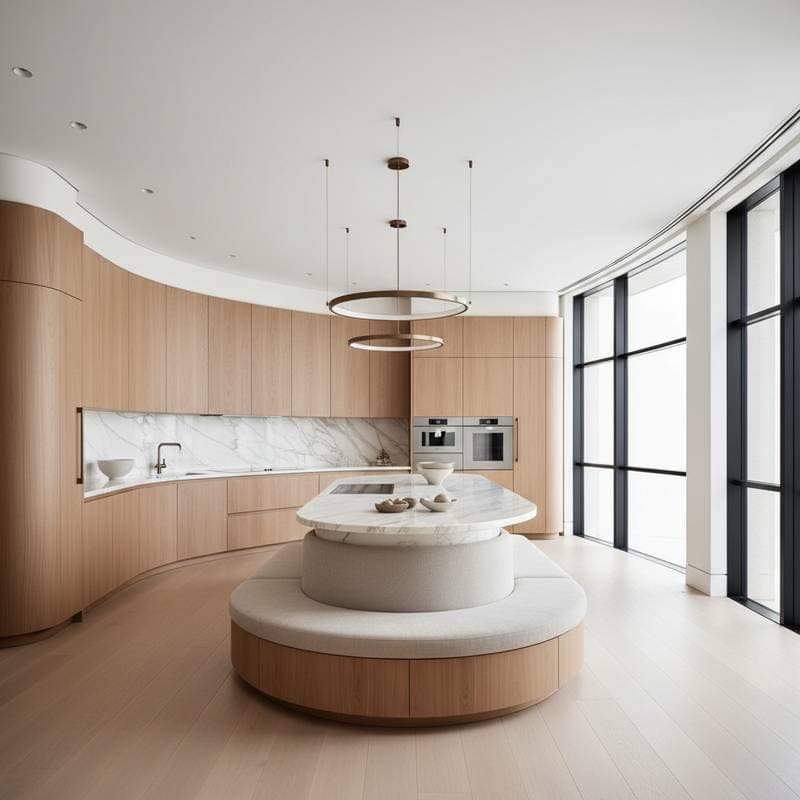
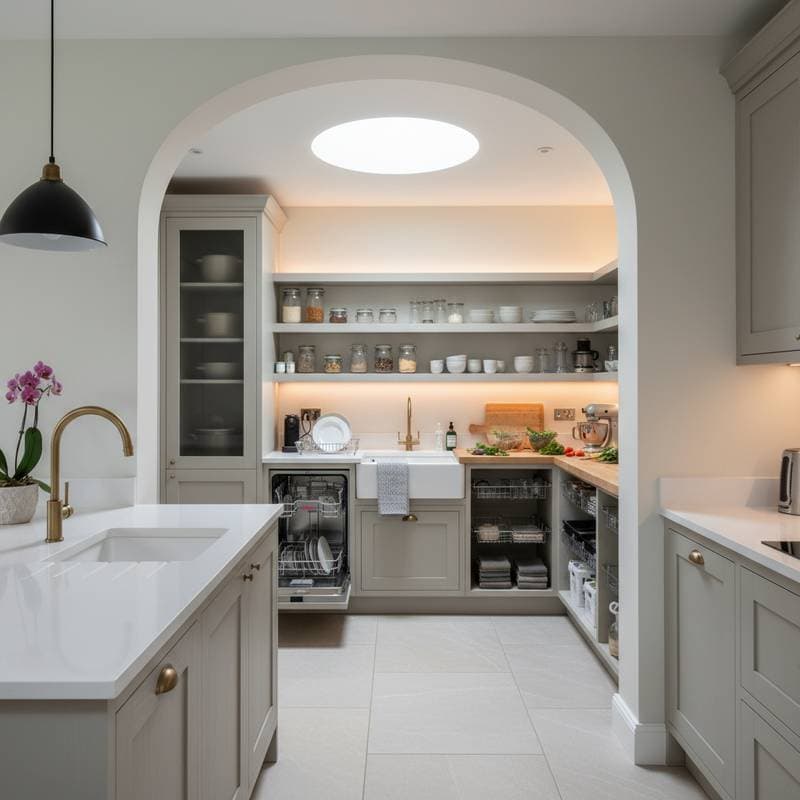
Hosting gatherings brings joy, yet meal preparation often leaves the primary kitchen in disarray. Stacks of dishes accumulate, surfaces become crowded, and last-minute cleaning disrupts the flow as visitors arrive. A scullery kitchen addresses these challenges by providing a dedicated, concealed area for washing, chopping, and organizing essentials.
This secondary space, also known as a butler's pantry, ensures the main kitchen remains presentable and functional. Homeowners rediscover its value in today's designs, where it integrates seamlessly to enhance efficiency and aesthetics. Consider incorporating one to elevate daily routines and special occasions alike.
Reasons Homeowners Revive Scullery Designs
Open-plan layouts foster connection during meals and conversations, but they also reveal every preparation mishap. A scullery establishes a practical separation, allowing tasks to proceed without visual clutter. The following points highlight why this feature gains popularity among residents seeking streamlined living.
- Pristine primary kitchen: Handle chopping, rinsing, and storing in the scullery to preserve the main area's cleanliness.
- Enhanced organization: Additional cabinetry and surfaces reduce congestion, facilitating smoother food assembly.
- Optimized task flow: Separate zones prevent cooking and tidying from interfering, promoting a logical sequence.
- Increased property appeal: Thoughtful sculleries rank as premium elements that attract prospective buyers.
- Versatile applications: Adapt the area for baking stations, beverage setups, coffee corners, or event servicing based on household needs.
View the scullery as an unseen powerhouse that sustains the overall kitchen's performance without drawing attention.
Essential Components for an Effective Scullery
Tailor a scullery to fit available dimensions and financial parameters, yet prioritize elements that deliver reliability. These core features ensure the space supports intensive use while complementing the home's style.
Sink and Dishwasher Integration
Incorporate a robust sink and dishwasher to manage washing duties effectively. Opt for a deep basin to accommodate oversized cookware and platters, paired with a secondary dishwasher for handling surges during events.
Installation costs typically span $1,200 to $3,500, influenced by existing plumbing and selected models. Professional assessment confirms compatibility and avoids future complications.
Ample Counter Surfaces
Allocate 6 to 10 linear feet of countertop for chopping and staging ingredients. Select durable materials such as quartz or laminate, which resist moisture and simplify maintenance.
Budget $40 to $100 per square foot based on the chosen surface. Measure the area precisely to maximize utility without excess.
Comprehensive Storage Solutions
Install tall cabinets to house dry goods, dishware, and compact devices. Incorporate open shelving for quick access to everyday tools.
Expect expenses from $3,000 to $10,000, varying with craftsmanship and material grades. Customize layouts to align with personal inventory habits.
Strategic Lighting Placement
Illuminate the area adequately to avoid a confined atmosphere. Layer recessed overhead fixtures with under-cabinet strips for precise illumination during tasks.
Select energy-efficient options to balance visibility and utility costs. Test arrangements during planning to confirm even coverage.
Adequate Ventilation Systems
For areas involving cooking or baking, include a compact hood or fan to dispel fumes. This prevents odors from permeating adjacent rooms.
Consult ventilation specialists to match the system's capacity with intended activities. Proper installation maintains air quality throughout the home.
Electrical and Plumbing Infrastructure
Position outlets strategically for appliances and verify plumbing supports additional fixtures. Engage electricians and plumbers early to evaluate and upgrade as necessary.
Anticipate coordinated site visits to map requirements. This foundational step safeguards long-term operability.
Adhering to Safety Standards and Regulations
Sculleries demand attention to codes despite their auxiliary nature. Compliance protects occupants and streamlines approvals.
Electrical setups near water sources require ground-fault circuit interrupters to mitigate risks. Plumbing additions necessitate correct venting and drainage configurations.
Ventilation becomes mandatory for heat-generating equipment. Secure permits for modifications involving utilities. Partner with certified experts to navigate local mandates proactively, averting expensive revisions.
Engaging Professionals for Optimal Results
Diy approaches suit simple shelving, but plumbing, wiring, or layout alterations warrant expert involvement. Licensed specialists guarantee safety and precision.
Select a general contractor for structural adjustments or utility rerouting. A kitchen designer visualizes integration and refines workflows between spaces.
Design consultations range from $1,000 to $5,000 according to complexity. This investment yields a cohesive extension that endures and performs reliably.
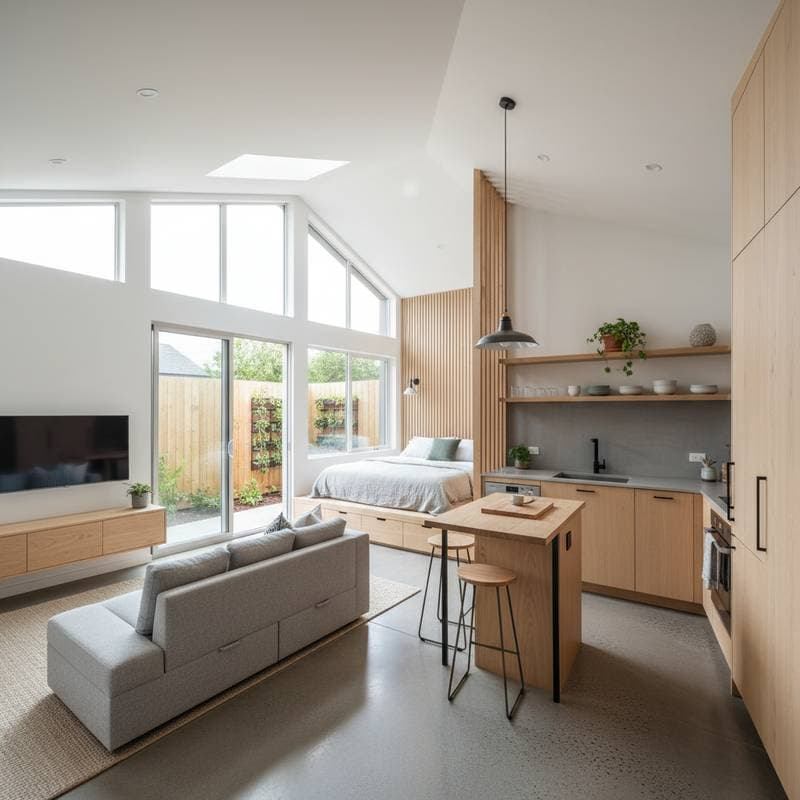
Optimizing Sculleries in Compact Areas
Limited square footage does not preclude a scullery's benefits. A 5-by-8-foot section can transform operations when planned astutely.
Employ sliding or pocket doors to conserve clearance. Mount floating shelves over work areas for vertical storage.
Integrate slim appliances, such as under-sink dishwashers or compact refrigerators. Apply neutral tones to enhance perceived spaciousness.
Incorporate reflective elements to distribute light effectively. Purposeful design renders even modest sculleries highly productive.
Planning Your Scullery Upgrade
Evaluate current kitchen demands to identify relocation opportunities for washing, mixing, or brewing stations. This assessment guides customization.
A scullery transcends extravagance, serving as a strategic enhancement that fosters order, elevates market worth, and cultivates tranquility in core living areas. Proceed with measurements and consultations to realize these advantages tailored to your residence.