Why Universal Design Transforms Aging-in-Place Bathrooms
Universal design creates bathrooms that prioritize safety, style, and usability for individuals of all ages and abilities. This approach ensures spaces support independence while maintaining an elegant aesthetic. By integrating thoughtful features, these bathrooms allow people to age comfortably in their homes.
Understanding Universal Design Principles
Universal design focuses on environments that accommodate diverse needs without compromising on appeal. In bathrooms, this involves planning for mobility, reach, and hazard prevention while preserving visual warmth. The result is a versatile space that avoids the appearance of specialized accessibility.
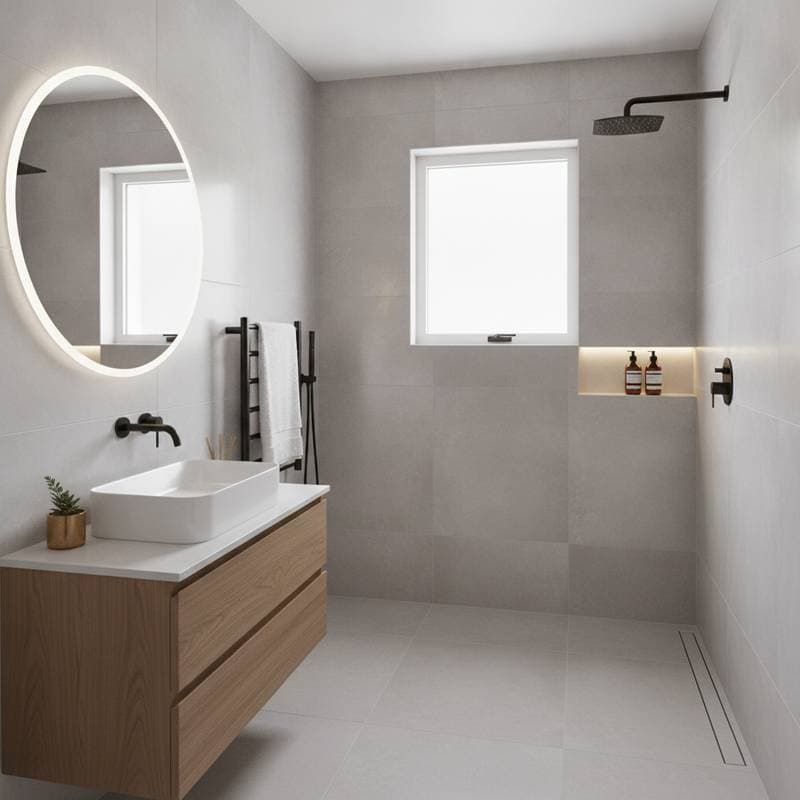
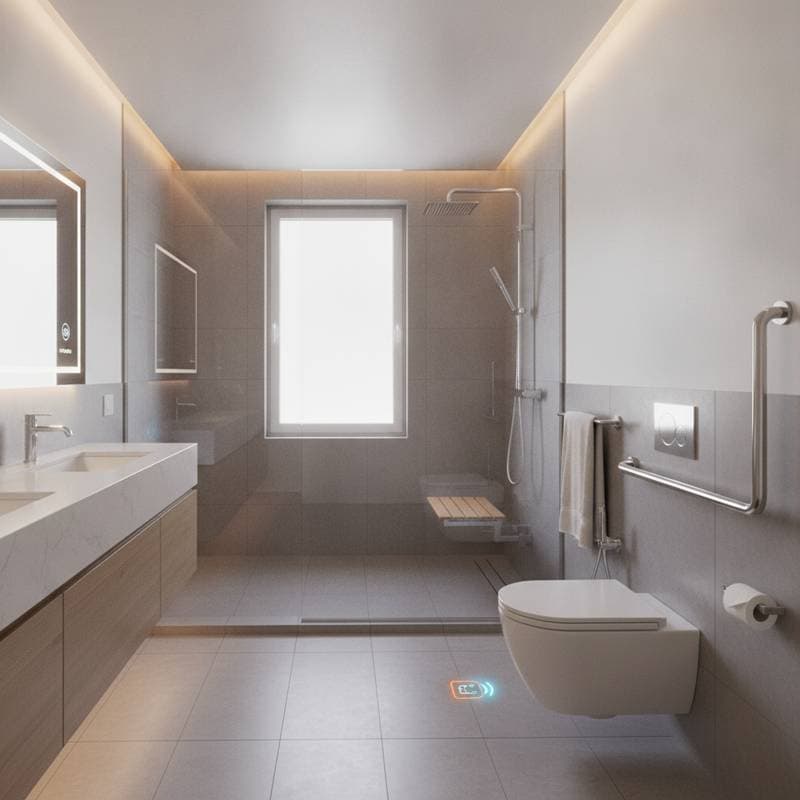
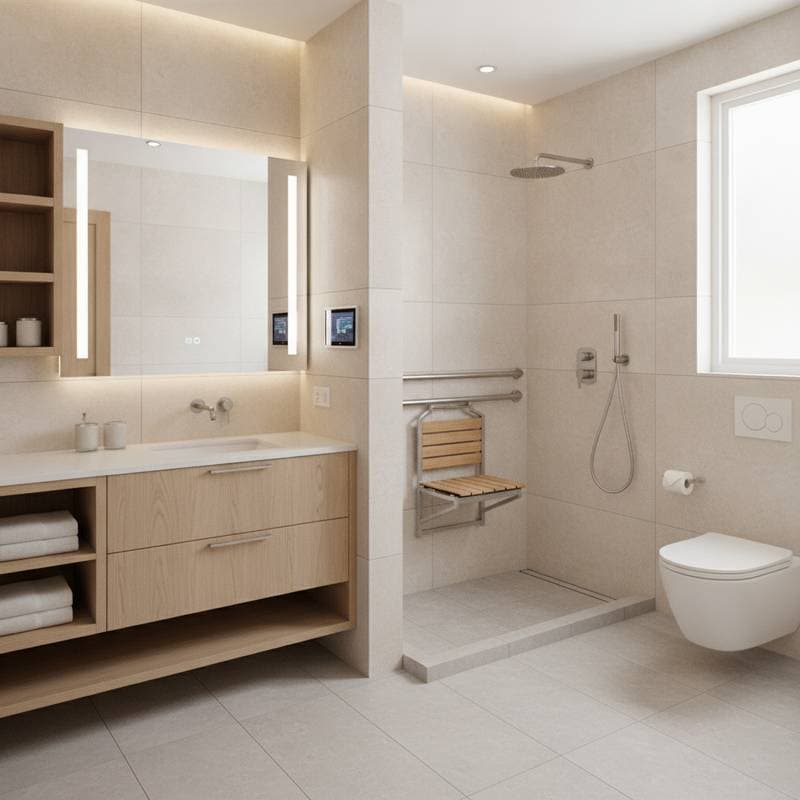
Designers often observe how minor adjustments enhance daily routines. For instance, installing a curbless shower entry, lever-style handles, and enhanced illumination can immediately boost confidence and autonomy for users with varying physical capabilities.
Balancing Function and Aesthetics
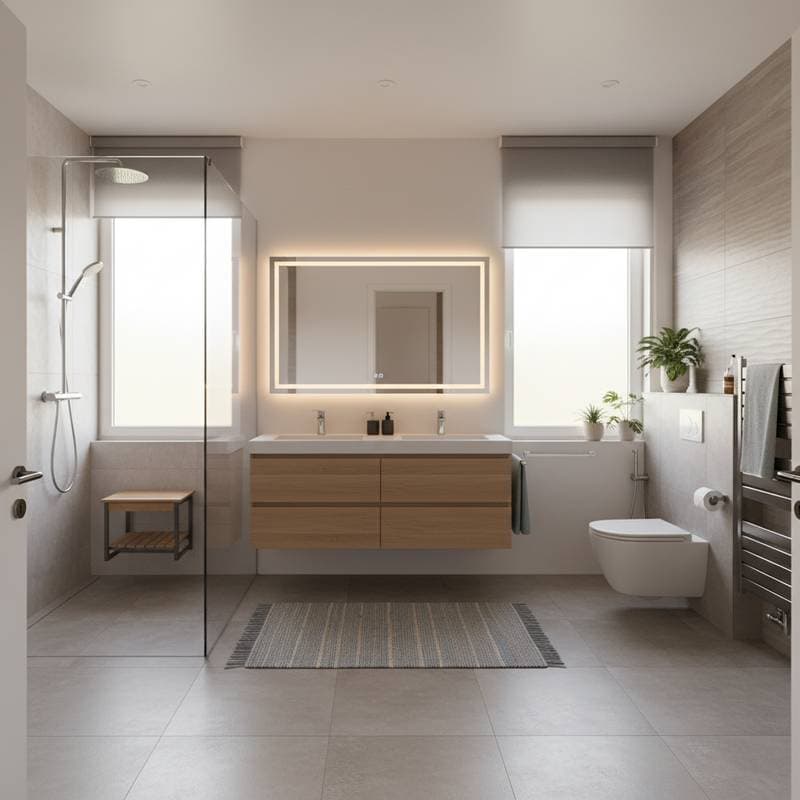
A common myth suggests that accessibility features lead to bland, clinical spaces. In reality, contemporary universal design incorporates sophisticated elements such as frameless glass enclosures, sleek grab bars that serve as towel holders, and expansive tiles that minimize seams for a seamless, luxurious look.
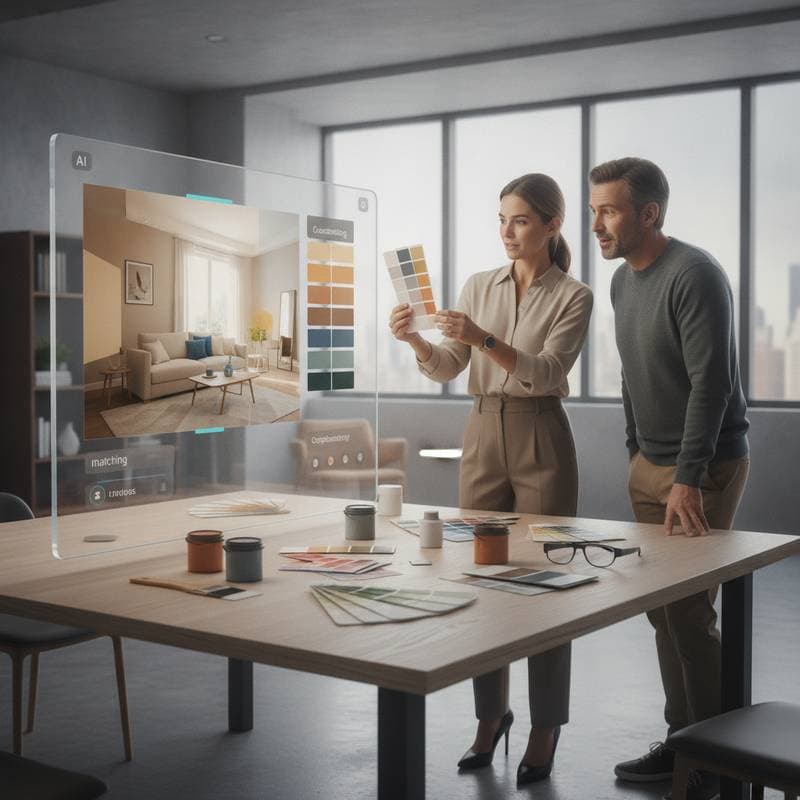
Strategic selections in color and texture further elevate the design. Contrasting hues on tiles delineate boundaries for those with visual impairments, and matte surfaces cut down on reflective glare. These choices demonstrate that practicality enhances rather than detracts from beauty.
Achieving Accessibility on Various Budgets
Universal design adaptations suit different financial levels. On a limited budget, opt for grab bars styled as decorative accents, available from brands for less than $100, which integrate smoothly into existing schemes. A handheld showerhead mounted on a slide bar, priced around $60, provides adjustable positioning for safer bathing.
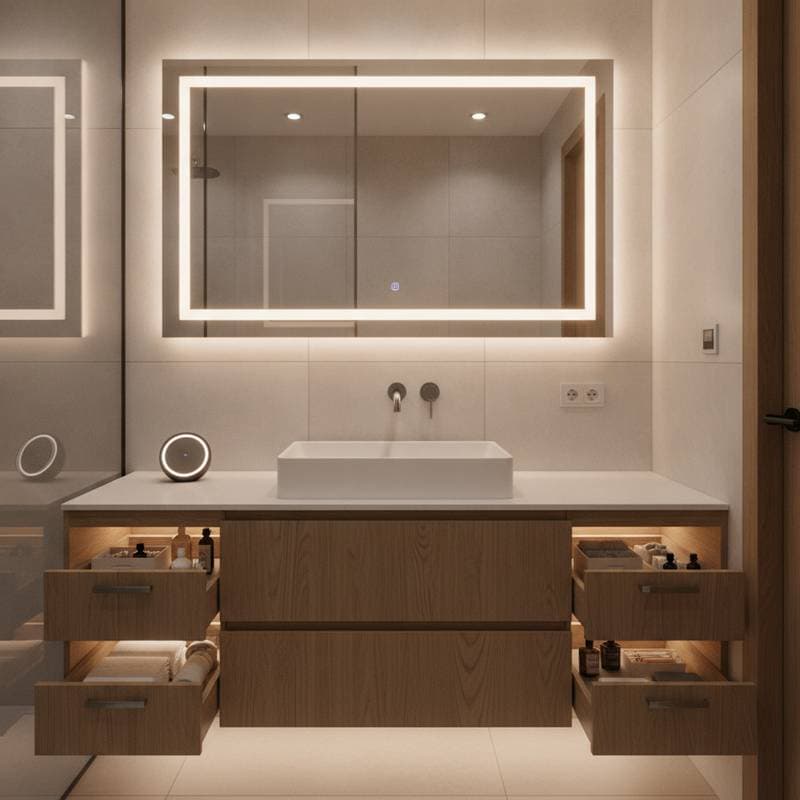
For moderate investments, upgrade to a comfort-height toilet costing $200 to $500, or convert to a walk-in shower for $1,000 to $2,500 based on selected materials. Higher budgets allow for bespoke cabinetry featuring pull-out shelving and embedded lighting, transforming the area into a resort-inspired sanctuary.
Renters or those avoiding structural changes can implement effective solutions like nonslip mats, motion-activated lights, and portable seating. These affordable modifications deliver substantial safety benefits without requiring construction.
Optimizing Layout for Intuitive Use
Effective bathroom layouts prioritize fluid movement and accessibility. Designers evaluate spatial flow to remove obstacles, ensure adequate room for mobility aids, and position elements at ergonomic heights.
Key considerations include placing the toilet adjacent to a reinforced wall for secure grab bar installation. Situating the vanity near the bathing area facilitates smooth transitions. Such arrangements promote ease and reassurance in everyday activities.
Enhancing Safety Through Strategic Lighting
Proper illumination plays a critical role in preventing accidents and supporting visibility. Layered systems include general overhead fixtures, focused mirror lighting, and subtle under-cabinet or toe-kick accents to banish shadows.
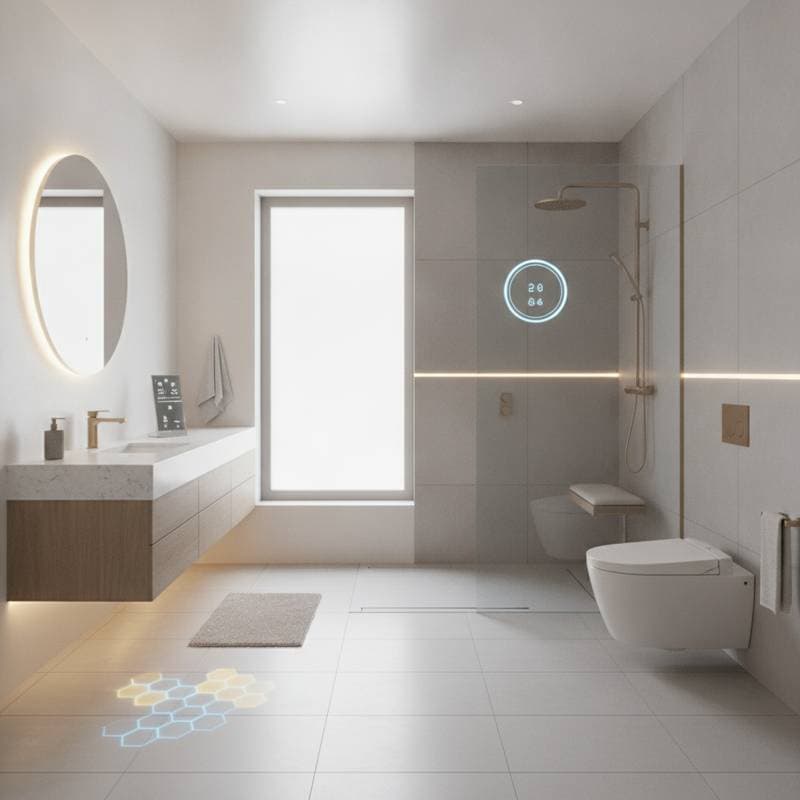
LED strips beneath vanities or along floors offer gentle guidance during low-light visits, combining efficiency with modern appeal. Budget options such as plug-in sensors or adhesive LED tapes provide comparable results with simple installation.
Selecting Durable and User-Friendly Materials
Materials in universal design must withstand daily demands while ensuring safety. Textured porcelain flooring delivers reliable grip and resists moisture and stains effectively.
Luxury vinyl planks present a warmer, more forgiving alternative, with strong water resistance at lower costs than stone. Opt for countertops with softened edges to avoid injuries, and matte finishes to conceal marks from use. Prioritize low-maintenance options that endure over time.
Incorporating Accessible Storage Solutions
Well-planned storage reduces effort in accessing essentials. Features like extending drawers, reachable open shelves, and height-adjustable units streamline routines for all users.
Incorporate mechanisms such as descending baskets or rotating trays within cabinets to bring items forward. For cost-conscious updates, install multi-level floating shelves or mobile carts that adapt to changing needs.
Integrating Technology for Enhanced Security
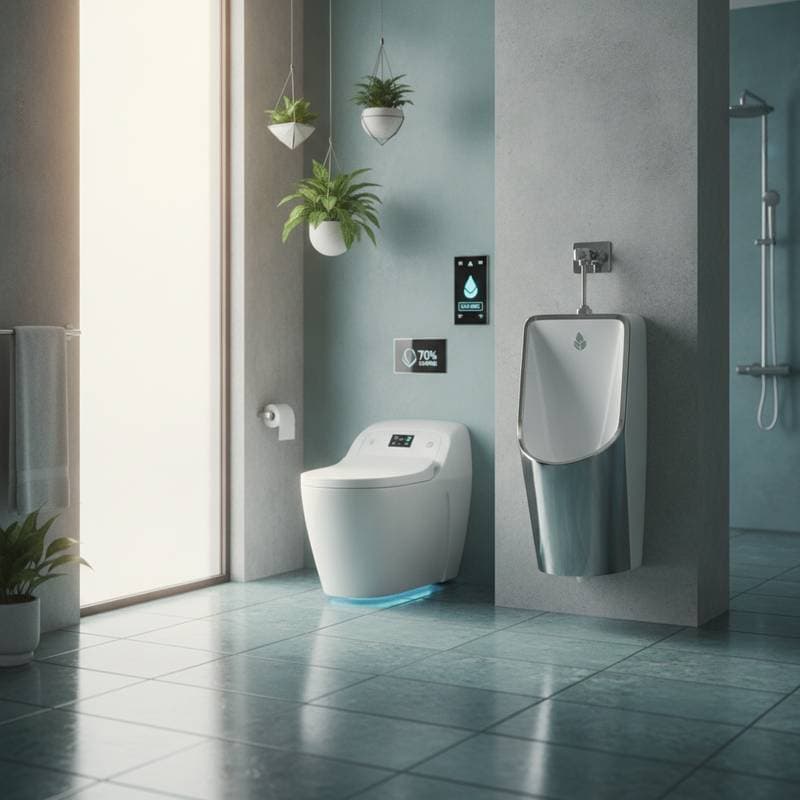
Advancements in smart technology elevate bathroom functionality. Voice-controlled lights, thermostatic faucets, and interactive mirrors introduce convenience and risk reduction seamlessly.
Affordable alternatives include smart outlets for automated devices or sensor-based night illumination. These additions maintain a contemporary edge while prioritizing ease and protection.
The Deeper Impact on Well-Being
Beyond physical safety, universal design fosters emotional security and autonomy. It enables individuals to remain in familiar surroundings, preserving a sense of control and self-worth.
Families gain reassurance knowing the space adapts to evolving requirements. This inclusive mindset supports recovery, caregiving, and long-term planning, ultimately enriching quality of life.
Maintaining and Evolving Your Space
After implementation, regularly assess the bathroom's performance. Evaluate navigation paths for inefficiencies and refine lighting or organization as habits shift.
Infuse personality through elements like plush fabrics, vibrant art, or greenery to sustain vibrancy. The aim is a sanctuary that continually nurtures confidence and serenity.
Steps to Implement Universal Design
To initiate changes, inventory current strengths and shortcomings in your bathroom. Target immediate enhancements, such as improved illumination or reinforced supports.
Progress to larger projects like barrier-free entries or expanded access points. Engage experts versed in universal principles for customized guidance, or tackle DIY elements incrementally. Each step advances toward a more secure, aesthetically pleasing environment.
Universal design redefines aging-in-place bathrooms as havens of independence and refinement. It underscores that intentional choices—from hardware to surfaces—cultivate lasting freedom and satisfaction.