Why Wet Rooms Define the Luxury Bathroom Standard
The Rise of Wet Rooms in Luxury Bathroom Design
Homeowners planning luxury bathroom renovations frequently encounter wet rooms as a central feature. These fully waterproof, open-concept spaces have transitioned from upscale hotels to private residences, offering a blend of freedom, hygiene, and refinement that enclosed showers cannot match. As a contractor with extensive experience, the author observes that successful wet room installations demand meticulous planning, expert craftsmanship, and careful financial allocation to achieve both aesthetic appeal and practical utility.
Reasons Wet Rooms Represent Luxury Excellence
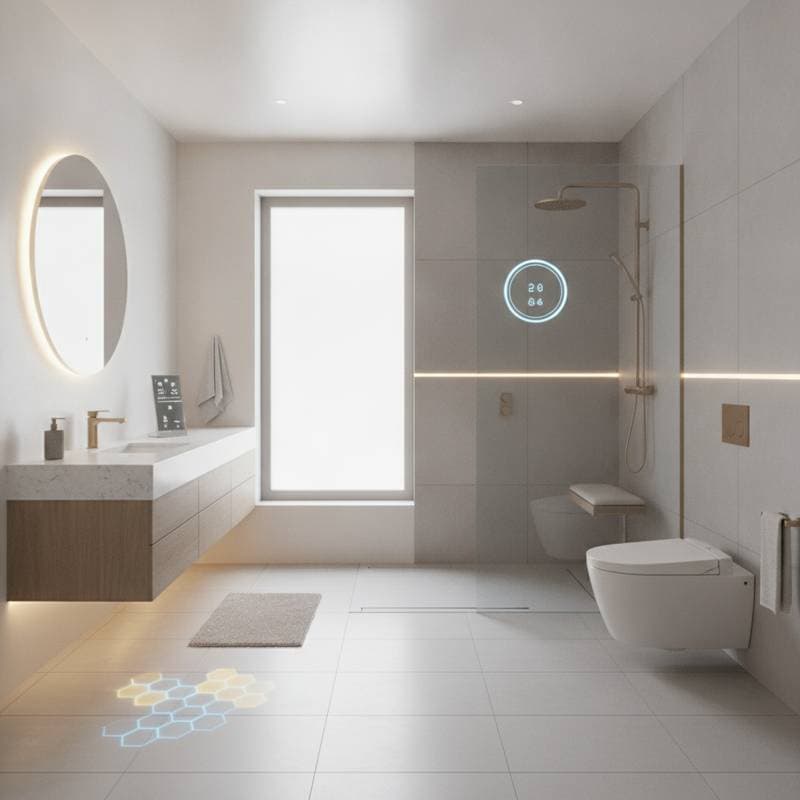
Affluent homeowners seek bathrooms that evoke personal wellness retreats rather than mere functional areas. Wet rooms deliver this through their barrier-free layout, where waterproofing extends across floors and walls, permitting the shower zone to integrate fluidly with the surrounding space. This approach removes obstructions and visual distractions, fostering a serene, spacious environment.
Additionally, wet rooms promote inclusivity without compromising style. The absence of steps or curbs facilitates ease of use for individuals with mobility needs, supporting long-term residency in multigenerational households. From a market standpoint, this adaptable design enhances resale potential by appealing to a broad audience.
Contractors emphasize that luxury in wet rooms stems from superior execution and foundational systems. While surface materials captivate at first glance, the underlying gradient for drainage, robust sealing, and moisture management dictate the space's enduring integrity.
Technical Challenges Concealed by Minimalist Aesthetics
The streamlined appearance of a wet room belies its construction intricacies. Comprehensive waterproofing covers every surface to prevent water intrusion, as even minor oversights can result in leaks that compromise substructures and necessitate extensive remediation. The author has witnessed premium tile work compromised by installers lacking specialized knowledge of wet room protocols.
Essential construction phases include:
-
Subfloor Reinforcement and Grading
The base layer requires structural solidity and a precise incline directing water to the drain. Subtle irregularities cause accumulation or inefficient runoff. In timber-framed buildings, joist strengthening precedes the application of impermeable linings. -
Comprehensive Waterproof Membrane Application
A continuous barrier coats walls, floors, and junctions, with seams bonded using specialized sealants. Conducting a verification check prior to tiling installation serves as a critical quality control measure. -
Strategic Drainage Integration
Sleek linear or recessed drains align with the floor's pitch and capacity requirements. Selection criteria include provisions for straightforward maintenance access. -
Effective Ventilation Strategies
Expansive wet surfaces amplify moisture risks, necessitating robust exhaust systems and auxiliary airflow to mitigate condensation and fungal growth.
Investing in these components upfront averts future expenditures. Water infiltration demands demolition of high-value elements, underscoring the imperative of a reliable waterproofing framework.
Creative Opportunities and Material Selection
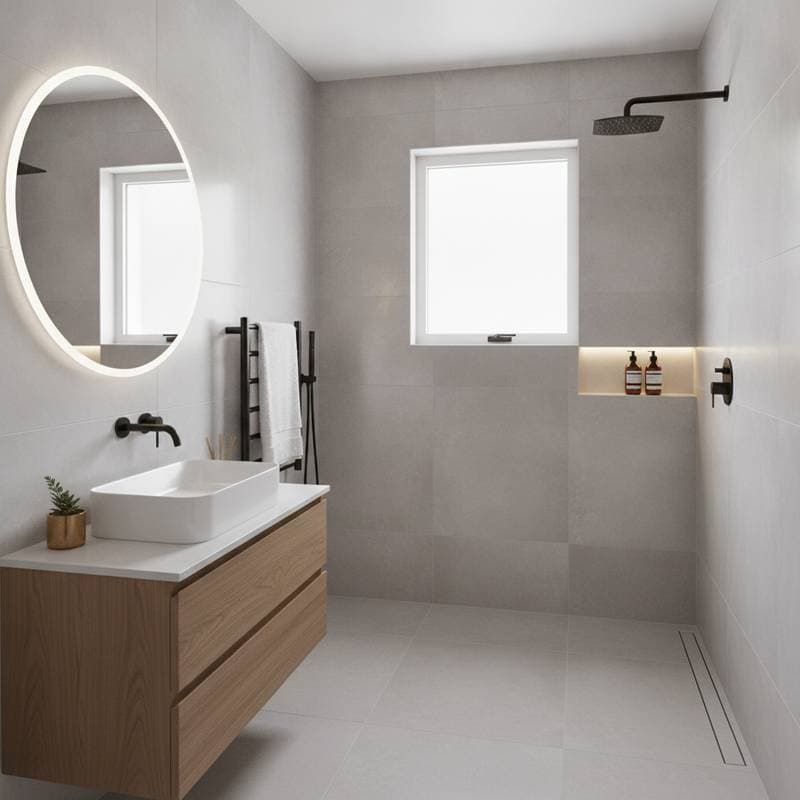
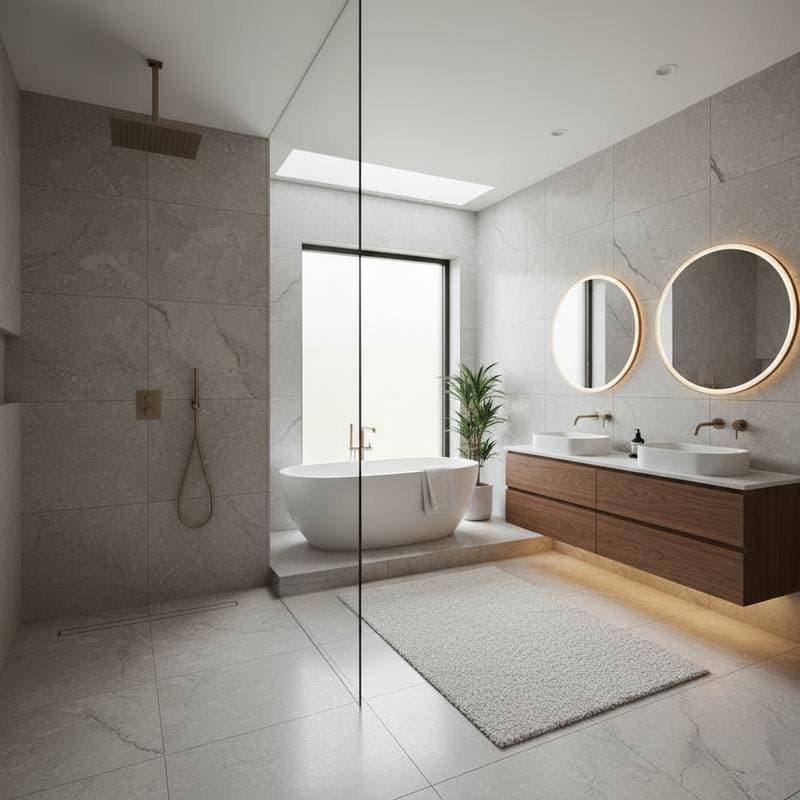
Wet rooms liberate design possibilities by eliminating dividers, enabling expansive tile runs, uniform surfacing, and transparent screens that preserve visual continuity. Material choices must withstand constant exposure while supporting the intended elegance.
Flooring Options:
Porcelain or quarried stone tiles dominate selections for their resilience. A minimum friction threshold ensures safety in damp conditions. Although glossy marble provides opulent texture, its inherent slipperiness requires texturing or a non-reflective finish for secure footing.
Wall Treatments:
Large-format porcelain or treated stone minimizes joints, simplifying upkeep. Alternatives like moisture-resistant renders or cement-based coatings offer seamless modernity, provided applicators possess the requisite expertise for flawless sealing.
Plumbing and Hardware:
Recessed controls, overhead rainfall heads, and surface-mounted spouts complement the unobstructed layout. All fixtures demand airtight integration to uphold the enclosure's integrity.
Enclosure Elements:
Fully unenclosed designs maximize openness, yet many opt for subtle glass barriers to direct spray while retaining the airy essence.
Pitfalls That Compromise High-End Installations
Wet rooms hold the potential to serve as focal points or sources of ongoing issues, depending on execution. The author identifies frequent errors observed in projects:
-
Uneven Floor Inclination
Inconsistent gradients trap water, promoting discoloration, hazards, and microbial proliferation. -
Partial Waterproofing Efforts
Limiting protection to the shower vicinity ignores the holistic exposure in wet rooms, inviting widespread damage. -
Insufficient Air Circulation
Inadequate fans allow vapor to linger, fostering surface degradation over time. Systems must operate extended cycles post-use to facilitate drying. -
Overlooking Thermal Dynamics
Exposed areas chill quickly; underfloor warming or accessory heaters counteract this, elevating user satisfaction. -
Material Incompatibilities
Unsealed absorbents or rust-prone accents erode rapidly in humid settings, undermining premium aesthetics.
Engaging specialists versed in wet room specifics, rather than broad remodelers, mitigates these risks effectively.
Aligning Costs with Aspirational Outcomes
Contrary to assumptions, forgoing enclosures does not reduce expenses; wet rooms typically escalate budgets due to advanced sealing, custom drainage, and labor demands. Finishes further influence the total outlay.
Nevertheless, the value proposition supports the premium. Durable construction minimizes upkeep compared to conventional setups, while the sophisticated allure bolsters home equity. For enduring occupants, the inclusive and enduring style yields practical benefits.
Budget allocation should prioritize:
-
Certified Waterproofing Solutions
Opt for systems validated for total immersion, which often include extended guarantees. -
Expert Labor Forces
Verify credentials through portfolios and client endorsements focused on similar builds. -
Advanced Comfort Enhancements
Integrated climate controls distinguish exceptional spaces from standard ones.
Essential Planning and Record-Keeping
Contractors advocate for detailed agreements outlining specifications for membranes, layouts, fixtures, and airflow. Initial consultations clarify water paths and boundaries, preventing mid-project disputes.
Homeowners benefit from requesting:
- Validation reports on waterproofing prior to surfacing
- Visual documentation of applied layers
- Technical specifications for bonding agents and barriers
- Guidelines for ongoing preservation of joints and surfaces
Such records prove invaluable for claims or future transactions.
Sustaining Peak Performance
Routine upkeep preserves the wet room's pristine condition and reliability. After each session, sweep surfaces and clear drain guards. Employ gentle, pH-neutral cleaners weekly to eliminate residues without harming protections.
Quarterly inspections target seams for wear; prompt sealing averts penetration. Investigate any sponginess underfoot as an urgent indicator of subsurface issues.
Stone elements necessitate annual reapplication of barriers to sustain vibrancy. Tile grouts similarly require refreshers, complemented by consistent fan operation to curb ambient dampness and prolong material longevity.
Achieving Lasting Elegance Through Informed Choices
Wet rooms transform bathrooms into havens of luxury when constructed with foresight. By prioritizing technical precision and quality materials, homeowners secure spaces that enhance daily rituals and property appeal for years ahead.