Replace Gas with Induction Zones for Modern Kitchens
Replacing gas with induction zones delivers a powerful upgrade in both style and function for any kitchen. Induction cooking provides sleek design, smart performance, and notable energy savings. Homeowners often appreciate the precision and speed upon first use.
Why Induction Is the Future of Cooking
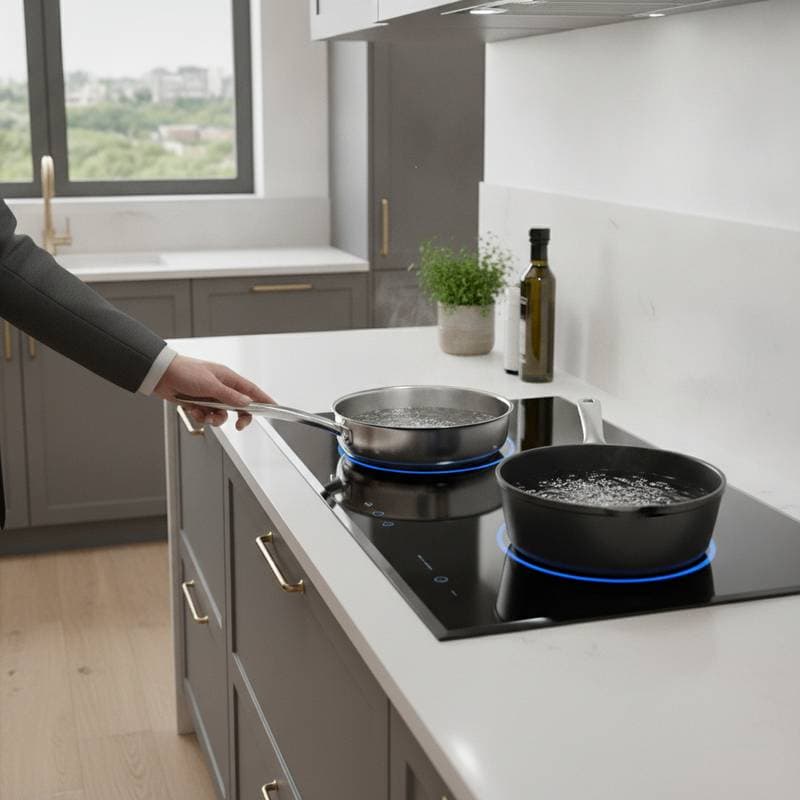
Induction technology uses magnetic energy to heat pots and pans directly. This approach results in faster cooking times, cooler kitchens, and precise temperature control. Water can reach a boil in less than half the time required by a traditional gas burner. The surface remains relatively cool, which enhances safety around children and pets.
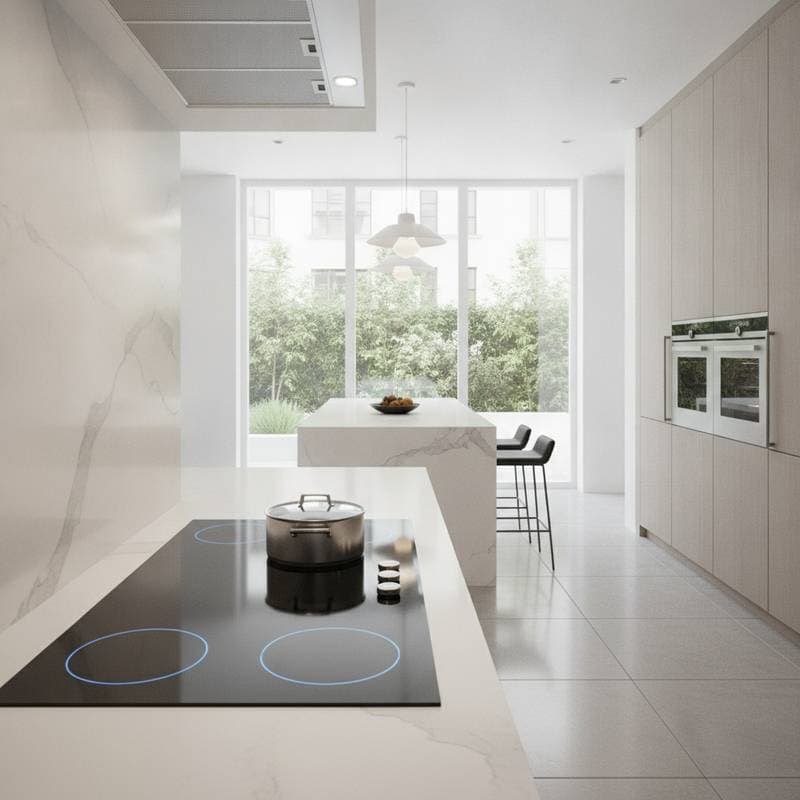
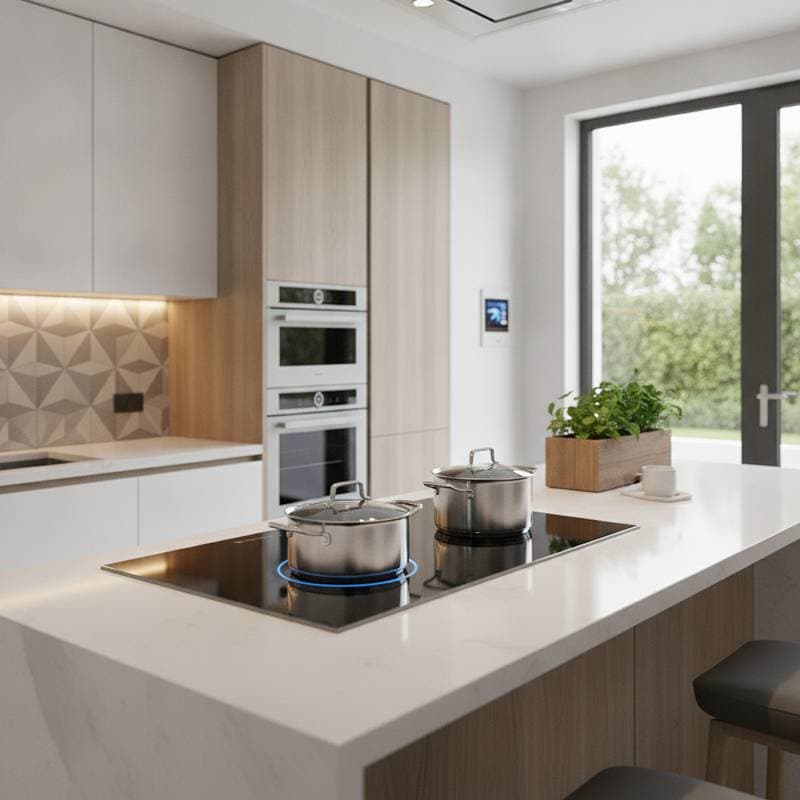
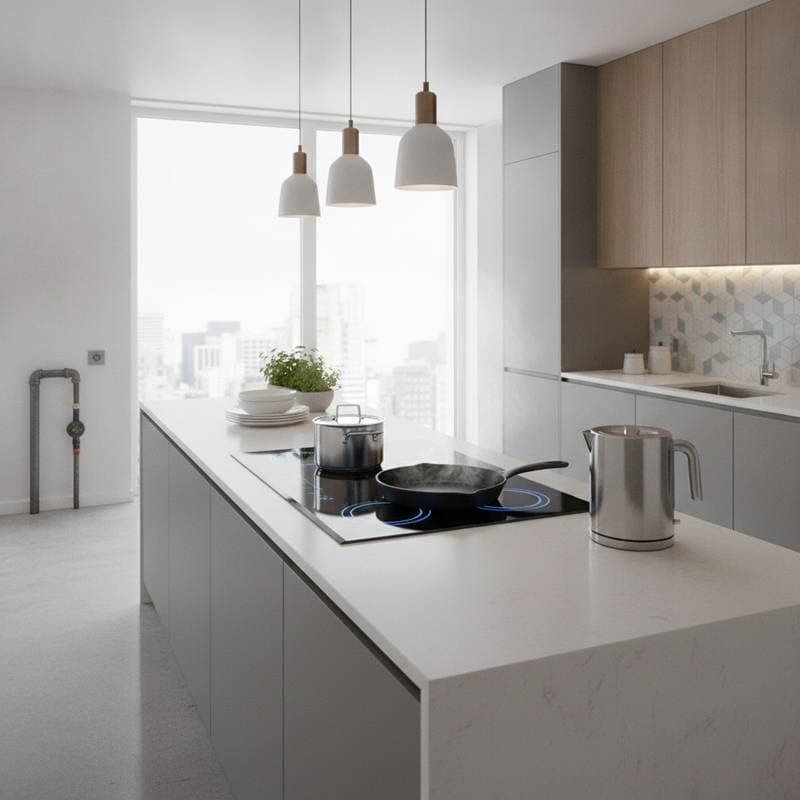
From a design perspective, induction cooktops offer a smooth, minimalist appearance that suits modern kitchen aesthetics. The glass surface integrates seamlessly with countertops to create a continuous flow. When not in use, the surface provides additional space for plating or preparation tasks.
Smart Choices for Every Budget
Induction options exist for various budgets.
- Entry-level portable single or double-zone units cost approximately the same as a mid-range blender. These units suit renters or small kitchens because they plug into standard outlets and store easily when idle.
- Mid-range four-zone built-in cooktops cost roughly the same as a high-end gas range. Many models fit existing cutouts to simplify conversion.
- Premium fully integrated induction ranges include smart connectivity, bridge zones, and auto-sensing technology. These models appeal to large kitchens and professional setups.
Start with a single countertop induction zone on a tight budget to reduce gas usage while testing precision cooking.
Converting from Gas to Induction
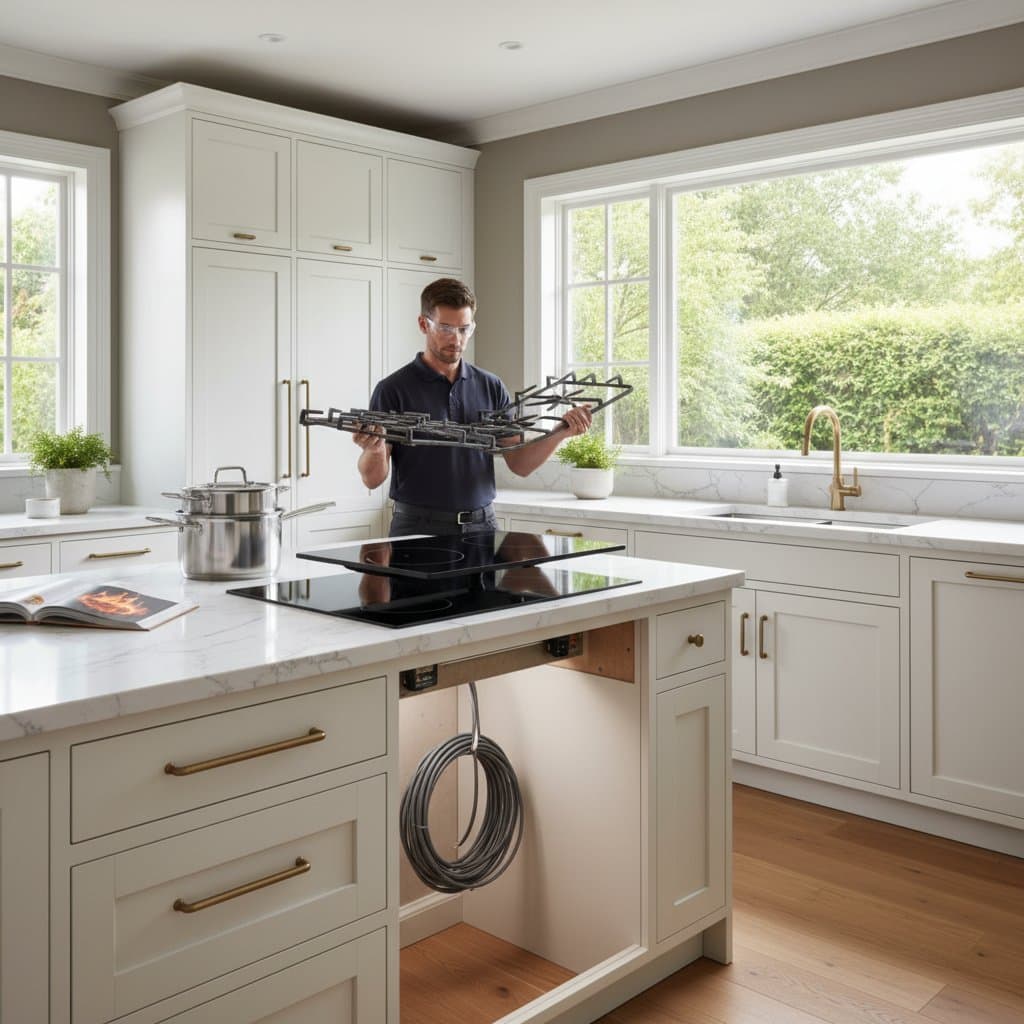
Switching from gas to induction requires confirmation of a dedicated electrical circuit. An electrician can install one quickly if needed, often using existing wiring routes. This process proves simpler and cleaner than rerouting gas lines.
Select cookware compatible with induction. A magnet test on the pan base determines compatibility. Many stainless steel and cast-iron pieces already meet the requirement. Affordable induction-ready sets are available if replacements become necessary.
Pair induction zones with slim downdraft ventilation systems to maintain clear sightlines. This choice eliminates bulky overhead hoods and creates an open kitchen feel.
Environmental and Health Benefits
Induction cooking supports cleaner, electric-powered homes. It generates no open flame or indoor emissions, which improves air quality. Families report fewer lingering odors after cooking and reduced residue on surfaces.
Induction transfers nearly all energy directly into the cookware. Gas loses substantial heat to the surrounding air. This efficiency leads to faster results and reduced energy costs.
Design Freedom and Style
Induction allows design options impossible with gas. The absence of grates or raised burners keeps the surface clean. Integration into islands, floating counters, or outdoor kitchens becomes feasible with appropriate modules. Pair the cooktop with matte quartz, stainless steel, or recycled glass countertops for a fresh finish.
Maintaining Performance Over Time
Experience with induction cooking highlights its speed, safety, and style. Clean the glass surface with a gentle cleaner and soft cloth. Avoid dragging heavy pots across the surface to prevent scratches. Performance remains consistent for years with this care.
Induction provides control for creative cooking tasks. Chocolate melts evenly in a pan without burning, and sauces simmer at low heat.