Induction Zones Outperform Gas in Kitchen Retrofits
Induction cooking delivers precise temperature control and rapid response times that gas burners cannot match. This technology heats cookware directly through electromagnetic fields rather than warming the surrounding air. Homeowners planning retrofits gain a cleaner surface, lower energy use, and improved safety without extensive demolition.
Core Advantages of Induction Technology
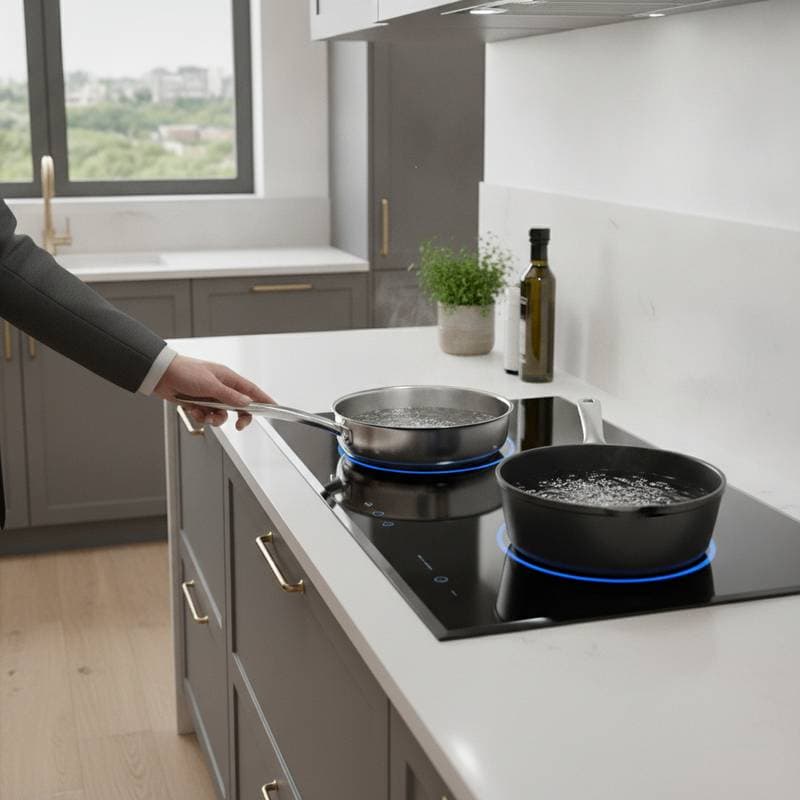
Induction transfers energy straight to magnetic cookware, producing heat only where the pan contacts the surface. The cooktop itself remains relatively cool once the pan is removed. This design reduces burn risks in households with children and eliminates open flames that can ignite nearby materials.
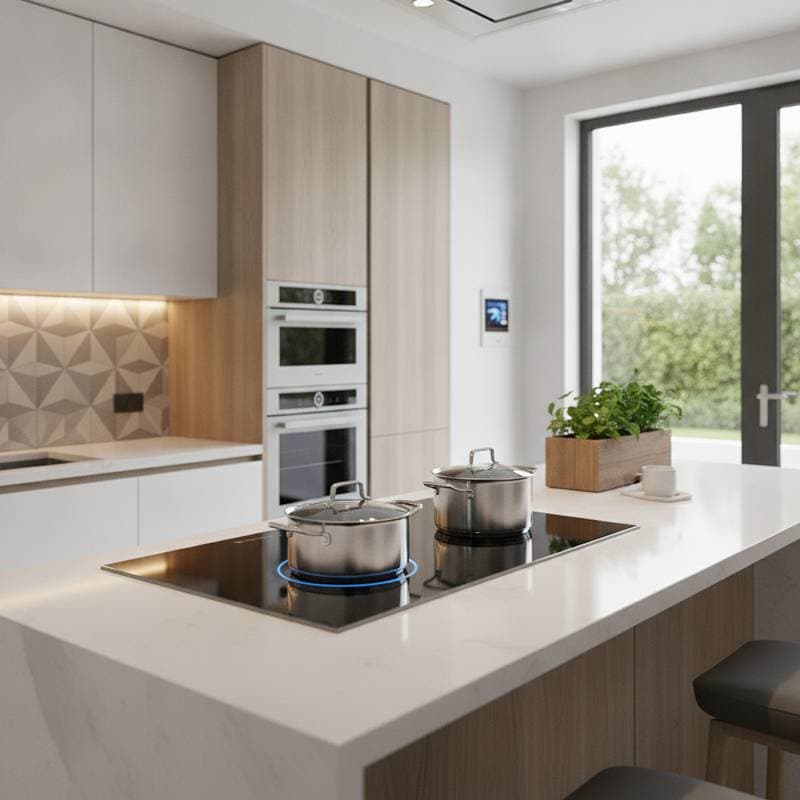
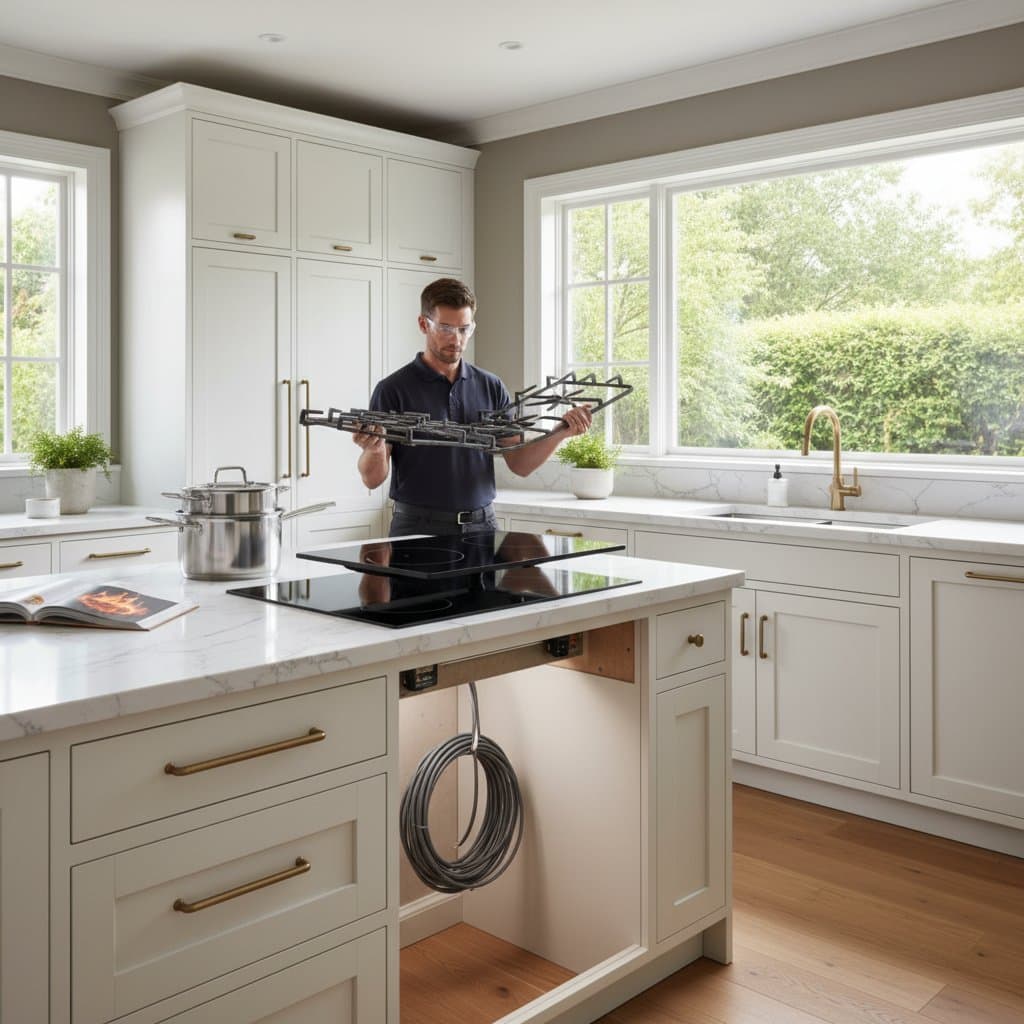
The flat glass surface integrates flush with countertops made of quartz, marble, or laminate. Installation often requires only the removal of the existing gas unit and connection to a dedicated electrical circuit. Many models operate on standard 120-volt outlets, which suits rental properties and small spaces.
Budget Options for Every Retrofit
Portable single-burner or double-burner units under 500 dollars provide an entry point for testing the technology. These plug-in appliances store easily when not in use and suit temporary setups or recreational vehicles.
Built-in cooktops in the 600 to 1200 dollar range replace existing gas cooktops directly. These units include multiple zones, touch controls, and child-lock features while fitting standard cutouts.
Professional-grade induction ranges above 1500 dollars add bridge elements for griddles, smart connectivity, and precise simmer settings. Serious cooks benefit from consistent performance across large surfaces.
Health and Maintenance Benefits
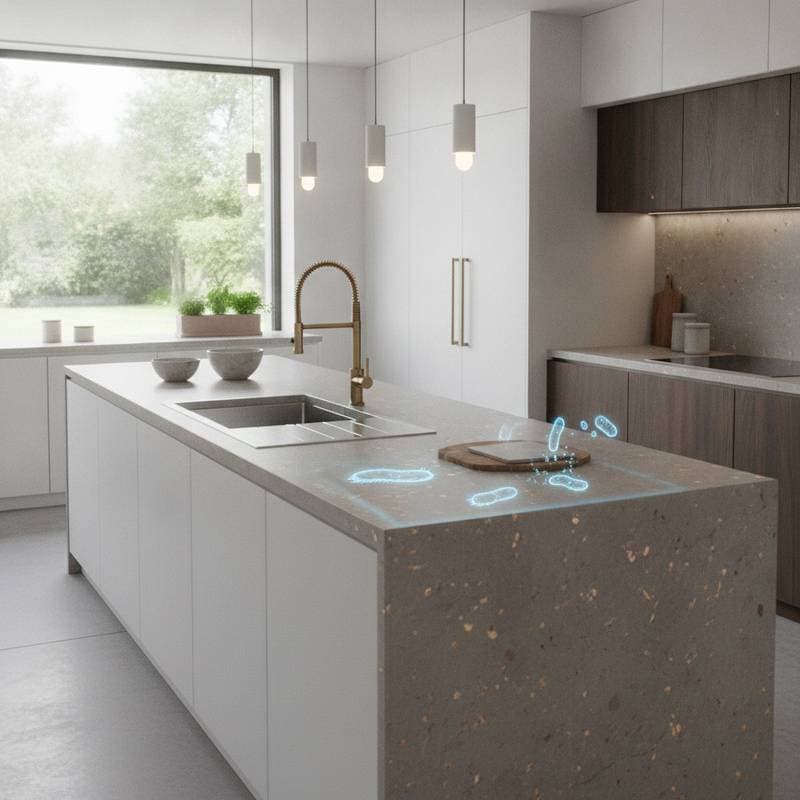
Induction produces no combustion byproducts, which reduces residue on cabinets and walls. Indoor air quality improves, especially in apartments with limited ventilation. Spills wipe away immediately because the surface does not remain hot after the pan is lifted.
The glass ceramic top resists stains when cleaned with microfiber cloths and nonabrasive solutions. Baking soda paste removes occasional marks without scratching. Absence of grates or burners eliminates the need for heavy scrubbing.
Electrical Conversion and Cookware Guidance
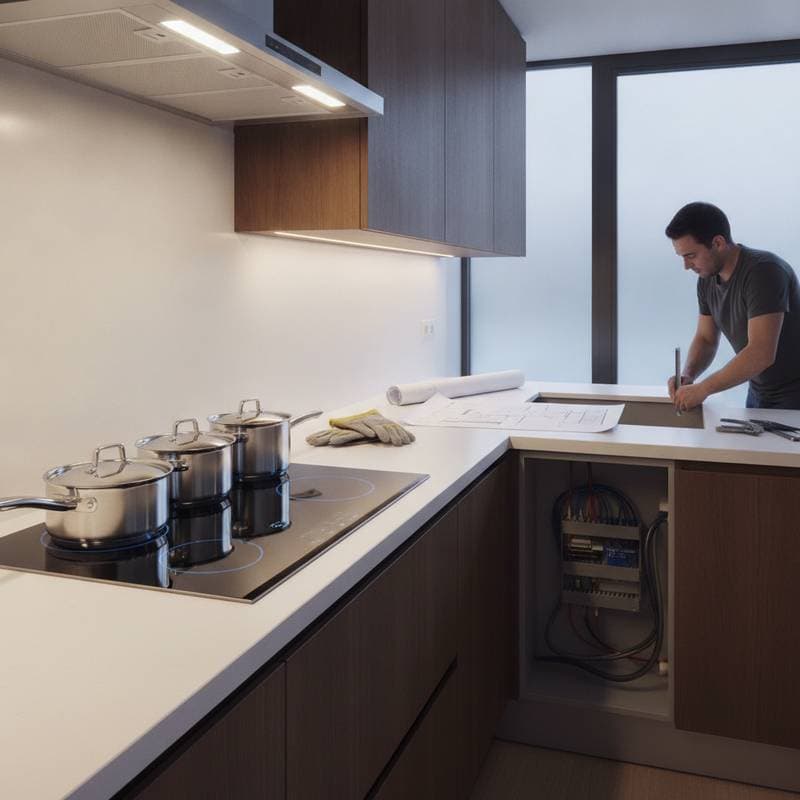
A licensed electrician can install a dedicated 240-volt circuit during one visit for most built-in models. This step completes the transition from gas and supports future electrification goals. Lower household emissions and reduced utility costs follow the switch.
Existing cookware works if a magnet adheres to the base. Cast iron, enameled steel, and compatible stainless steel perform well. An induction interface disk under 30 dollars allows non-magnetic pans to function until replacements are purchased.
Practical Design and Daily Use
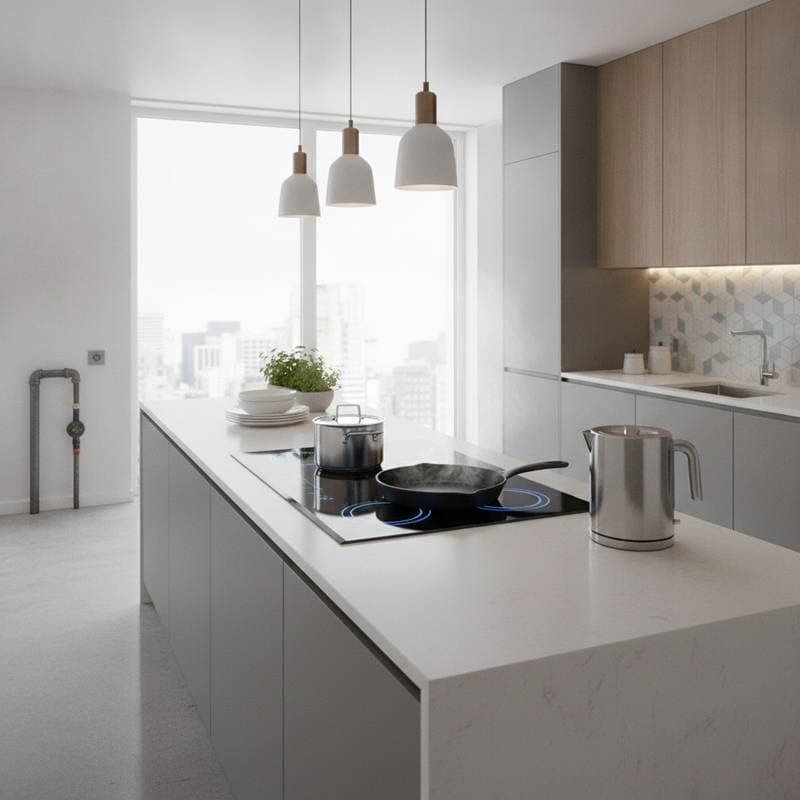
Position the cooktop on an island or peninsula to encourage shared cooking. Pair it with a downdraft vent or slim range hood for a streamlined appearance. Under-cabinet lighting accentuates the reflective surface.
Smart sensors prevent overheating, while timers and automatic shutoff add convenience. Voice-assistant integration supports hands-free operation during meal preparation. The surface doubles as extra counter space when covered with a cutting board.
Steps for a Successful Transition
- Test current pots and pans with a magnet and replace only incompatible pieces.
- Confirm electrical capacity with an electrician before purchase.
- Begin cooking at lower settings to adjust to the fast heat response.
- Add accessories such as silicone mats or bridge griddles for expanded versatility.
Induction zones provide consistent results for both everyday meals and precise techniques such as sauce reduction or chocolate melting. The combination of safety, efficiency, and design flexibility makes this technology suitable for nearly any retrofit project.