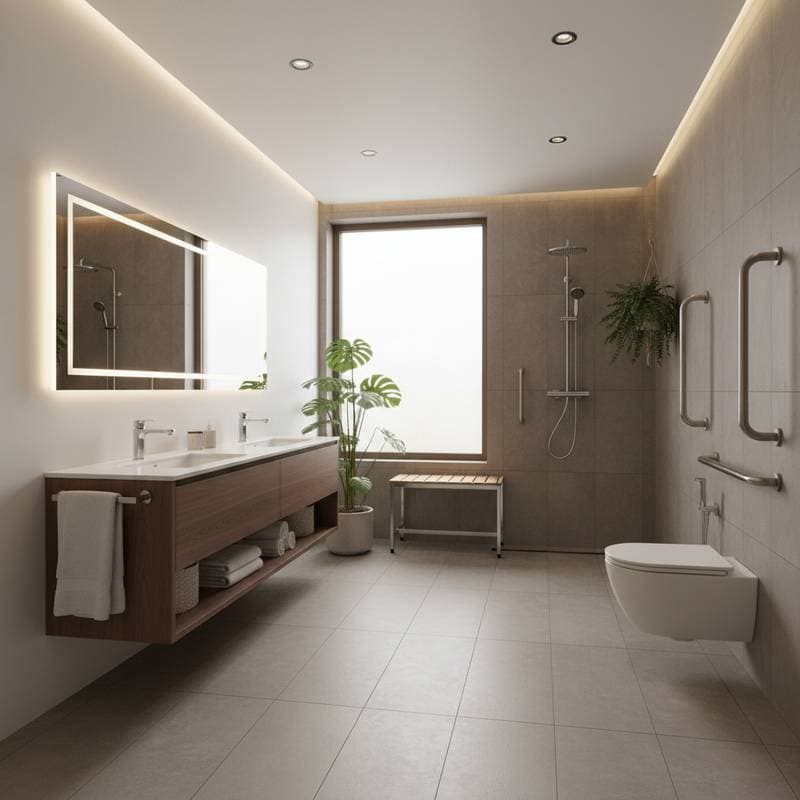
Future-Proof Bathrooms: Universal Design for 2026 Living
Bathrooms serve as intimate spaces where design intersects with daily routines. These areas require equal parts comfort, safety, and beauty. As lifestyles shift toward multigenerational living, universal design principles promote inclusion and durability. A forward-thinking bathroom anticipates evolving needs, supports graceful aging, meets diverse requirements, and maintains the aura of a refined retreat rather than a sterile setting.
Universal design avoids stark minimalism or overt institutional features. Instead, it focuses on integrated solutions, understated ergonomics, and enduring style. Exemplary designs harmonize function with sophistication, where elements like flooring texture and light quality foster a unified, user-focused atmosphere.
The following ten ideas illustrate universal design principles for bathrooms prepared for tomorrow. Each concept emphasizes adaptability while preserving the warmth and polish of modern interiors.
10. Seamless Entries and Zero-Threshold Showers
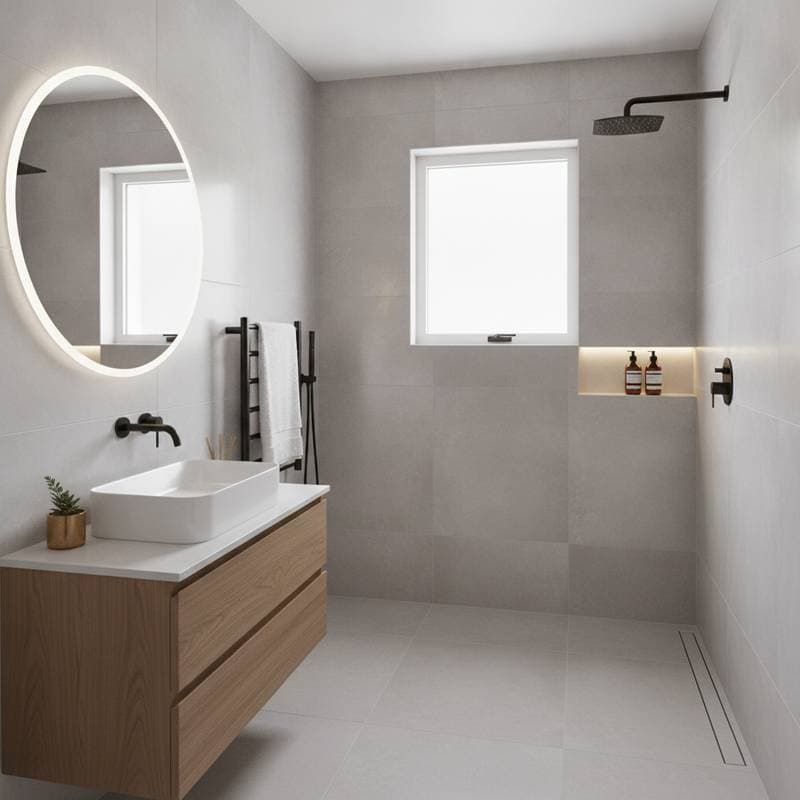
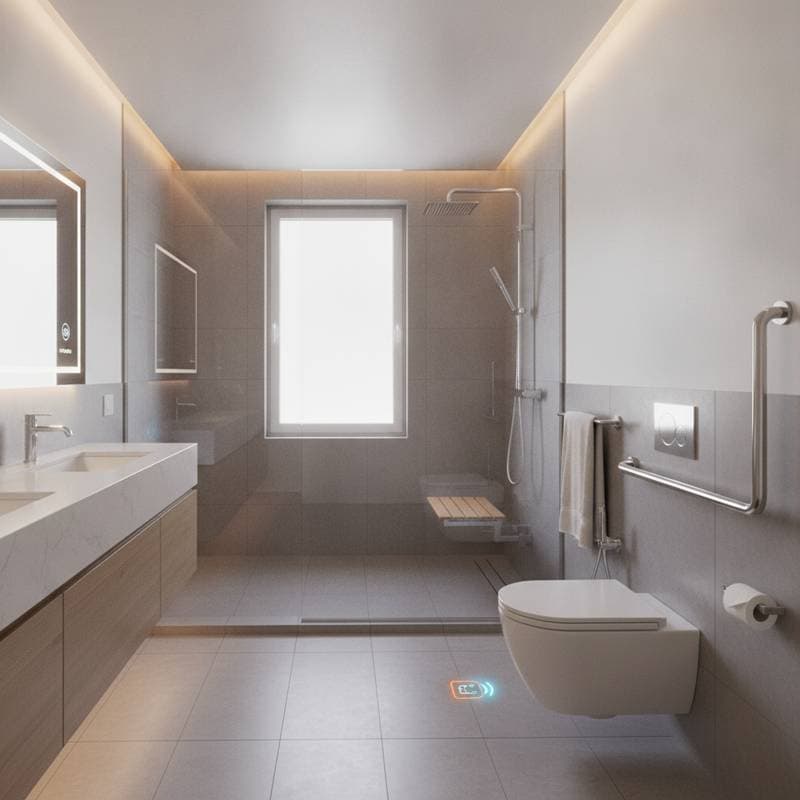
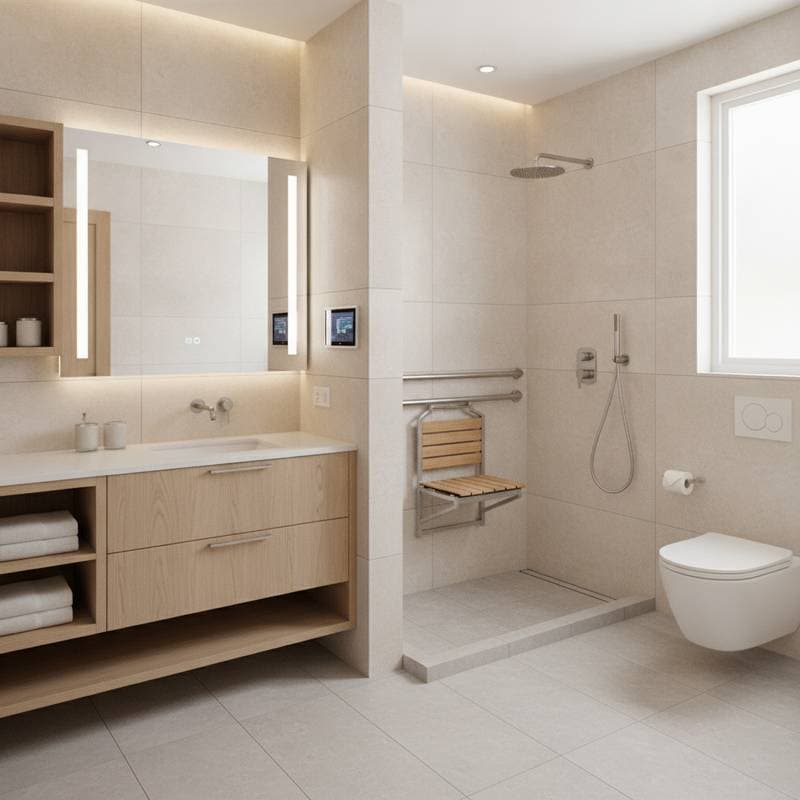
A hallmark of universal bathroom design lies in barrier-free access. Zero-threshold showers remove traditional step-ups, enabling smooth transitions. Designer Maria Linton of Linton Studio incorporates large-format porcelain tiles in a gentle ivory tone to establish continuous visual flow. This approach not only boosts accessibility but also amplifies the sense of openness.
Linear drains, including the Infinity Drain S-AG series, integrate seamlessly with floors through precision-crafted stainless steel grates. Opt for surfaces like honed limestone or matte terrazzo to introduce subtle texture for secure footing. Combined with hidden slope construction and efficient drainage, these features deliver a fluid, architecturally integrated experience.
9. Adaptive Lighting that Responds to Need
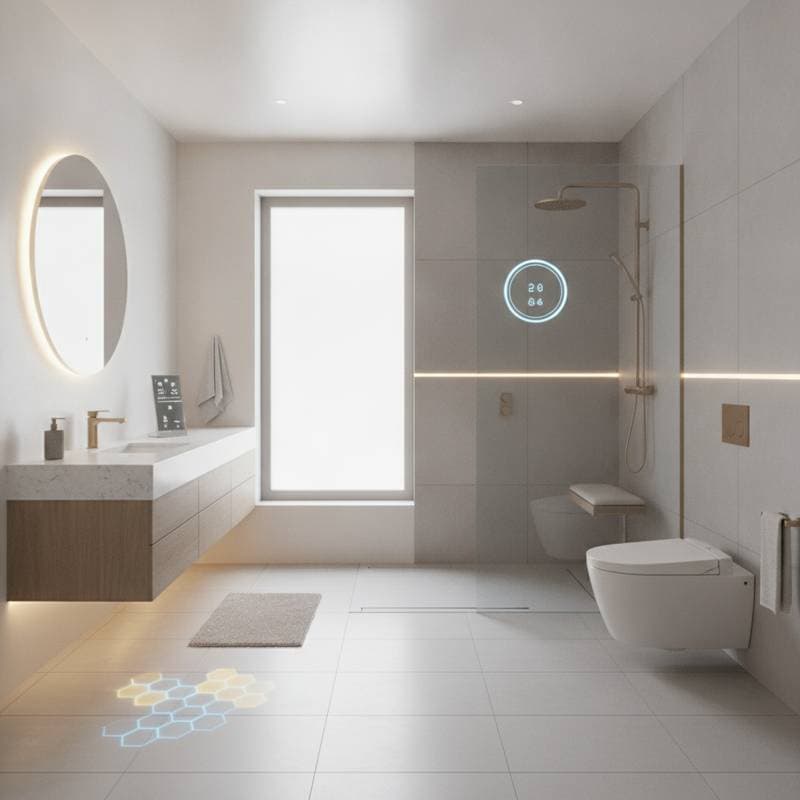
Lighting in universal bathrooms adjusts to varying moods and tasks. Employ layered systems for versatility. Architectural designer James Radcliffe of Atelier North suggests blending recessed ceiling fixtures, built-in vanity lights, and cove illumination with adjustable LED options. Users can modify color temperature and intensity to suit morning preparations or evening unwinding.
Matte opal glass diffusers minimize harsh glare, and motion sensors bypass manual switches. Under-cabinet and low-level floor LEDs facilitate secure navigation during night hours. Select warm white or soft amber finishes to complement cooler elements such as satin marble walls or powder-coated metal accents.
8. Ergonomic Fixtures and Future-Ready Hardware
Universal design excels through discreet flexibility. Choose height-adjustable sinks, lever-style faucets, and wall-hung vanities to accommodate all users. The Duravit Happy D.2 Plus series features softened edges and configurations that provide clearance for wheelchair access.
Designer Tessa Morgan of Studio Forma selects the Brizo Levoir collection for its textured knurled grips and elegant forms. Position faucets at reachable heights to enhance both aesthetics and ease of use. Opt for stainless steel or brushed nickel finishes that resist smudges and require little upkeep.
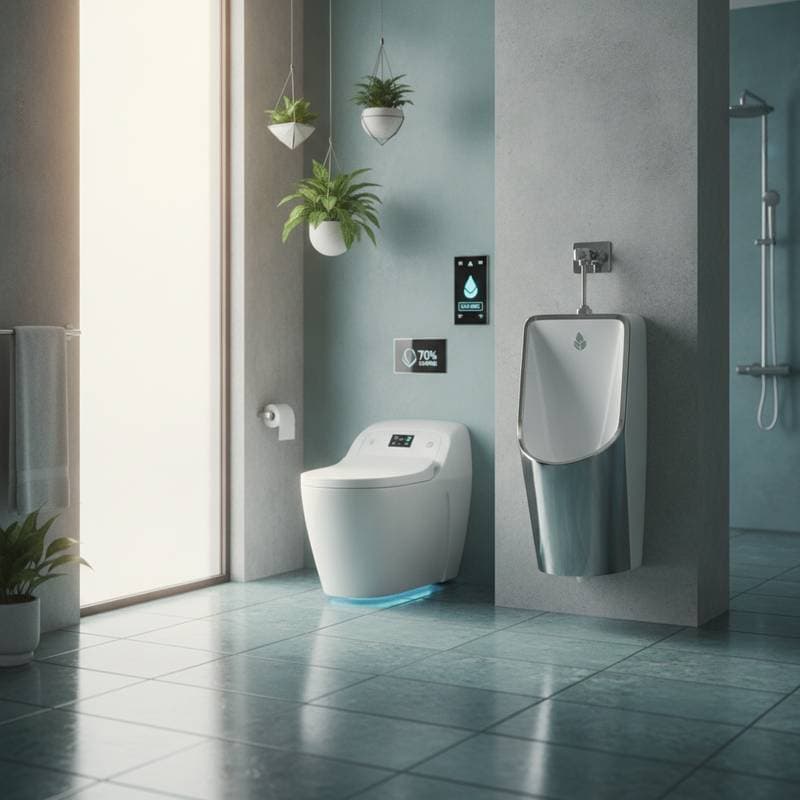
7. Smart Toilets and Intelligent Water Systems
Advancements in technology enhance bathroom convenience. Smart toilets offer features like automatic lids, warmed seats, and integrated bidets to promote hygiene and autonomy. Models such as the TOTO Neorest NX2 and Kohler Veil combine these innovations with artistic profiles.
Built-in sensors track water consumption, and touchless flush mechanisms limit germ spread. For individuals with limited mobility, install wall-mounted controls or remote options to ensure convenience and privacy. Designer Rafael Chen of RC Design Group stresses that technology must integrate intuitively. The aim is a refined sensory encounter that feels organic and understated.
6. Non-Slip Surfaces with Refined Texture
Safety integrates seamlessly with style in universal designs. Select flooring materials that provide traction without coarseness. Options like honed basalt, patterned porcelain, or finely etched quartz composites deliver secure footing elegantly. Porcelanosa Bottega Acero tiles in a muted graphite shade offer varied patterns and a subdued sheen that conveys refinement over utility.
In moisture-prone areas, choose seamless or minimally grouted surfaces for simplified maintenance. Integrate grab bars into towel bars or shower ledges to keep support unobtrusive. Finishes in satin brass or matte black allow these elements to blend into the overall composition.
5. Flexible Storage and Accessible Organization
Bathroom storage must evolve with user requirements. Incorporate pull-out drawers, smooth-gliding extensions, and customizable shelving for straightforward retrieval. Designer Lauren Kim of Haven Interiors prefers bespoke cabinetry in rift-cut white oak sealed with a natural matte finish. The wood's subtle grain infuses warmth into settings rich in stone and glass.
Position open shelves at multiple levels to serve both seated and standing individuals. Use magnetic closures and gentle-closing hardware for added ease and security. Recessed cabinets with embedded lighting serve dual purposes as mirrors, preserving a streamlined architectural presence.
4. Temperature Control and Sensory Comfort
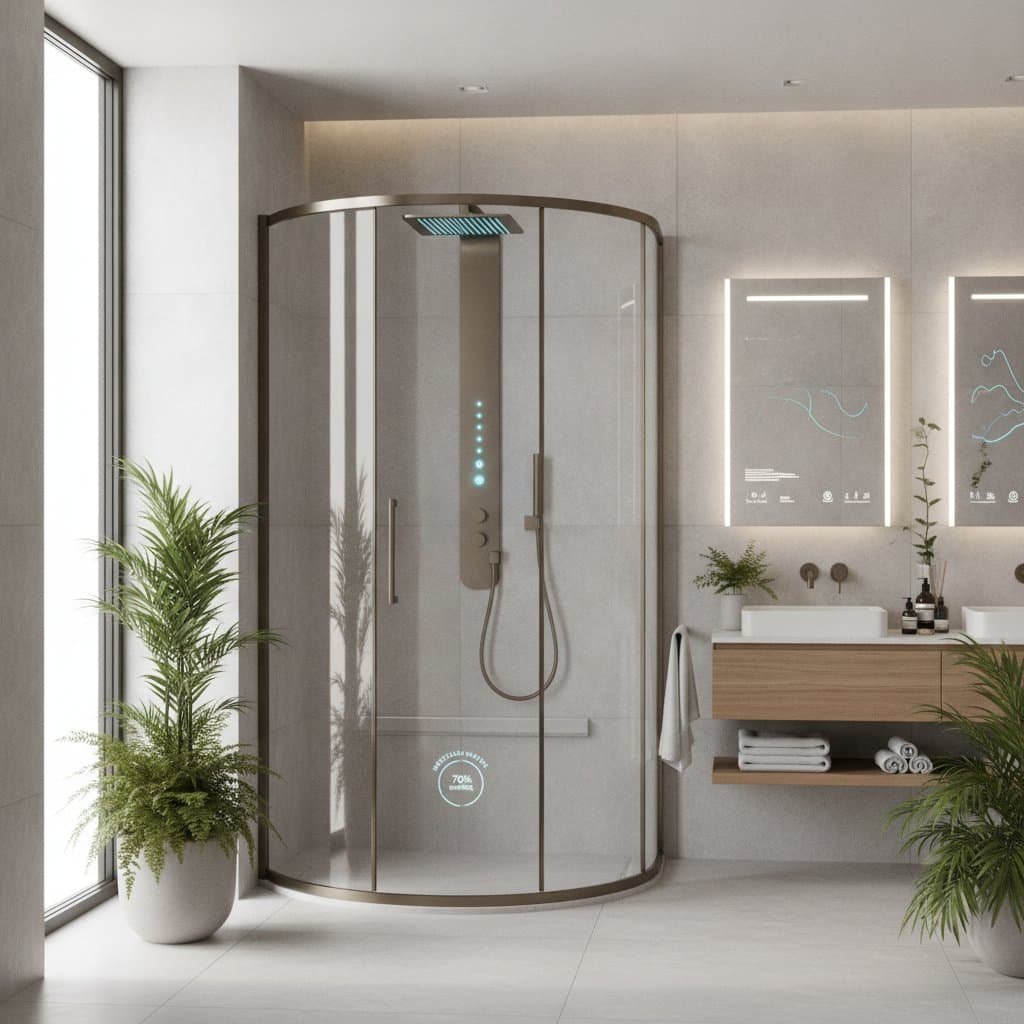
Well-being in bathrooms encompasses more than visual and tactile elements. Regulate temperature, dampen sound, and manage air quality to elevate the experience. Install radiant underfloor heating for even warmth, alongside thermostatic showers that hold steady temperatures.
Apply acoustic panels clad in durable fabric to minimize reverberation in hard-surfaced rooms. Mechanical engineer Daniel Ruiz of EnviroTech Systems engineers ventilation that controls moisture effectively yet operates silently. Incorporate materials such as natural cork, sound-absorbing plaster, or textured linen coverings to enrich acoustics and touch.
This balanced sensory setup fosters relaxation and security for users of any age or capability.
3. Thoughtful Color and Material Harmony
Color shapes mood and spatial awareness significantly. Universal design employs contrast for clarity while avoiding stark contrasts. Apply Benjamin Moore Balboa Mist OC-27 to walls for a serene base that amplifies daylight. Select countertops like Caesarstone Cloudburst Concrete for understated pattern and dimension.
Designer Amira Patel of Studio Noora combines neutral tones with gentle metallic highlights. She often pairs aged brass hardware with light oak cabinetry to merge warmth and contemporary appeal. This unified scheme ensures clear visibility of forms and edges, aiding movement and ease without diminishing visual allure.
2. Space Planning for Accessibility and Flow
Effective bathroom design starts with intentional layout. Ensure doorways permit unobstructed passage, provide ample turning radii for mobility aids, and promote natural circulation. Use pocket doors or doors that swing outward to avoid blockages.
Architectural planner Owen Sandler of Form + Field recommends a minimum of 60 inches for turning in primary zones. He advises placing toilets and vanities for lateral approach, which offers versatility across user types. Suspended fixtures, unbroken flooring, and broad views create an airy, elegant feel. Such planning ensures modernity today and utility for years ahead.
1. Emotional Design and the Power of Personalization
Universal design fundamentally honors personal identity. A resilient bathroom provides safety and access while evoking emotional connection. Tailored elements elevate function to artistry. Handmade ceramic tiles from Heath Ceramics add organic irregularity and craftsmanship. Reclaimed teak seating treated with marine oil introduces natural texture to minimalist arrangements.
Designer Eleanor Vasquez of Atelier Evora views customization as key to endurance. She states, "When a space feels deeply connected to its owner, it evolves with them." Integrate artwork, greenery, and ritual spaces to cultivate belonging. Environments that inspire affection remain timeless.
Embracing Universal Principles in Daily Use
Universal design represents an enduring philosophy rooted in empathy, anticipation, and skill. The resilient bathroom bridges innovation and classic form, uniting flexibility with refined beauty.
As materials evolve and intelligent features refine, core design values persist. Environments that address human requirements, soothe rather than overwhelm, retain contemporary relevance. Prioritizing universal approaches equips spaces for tomorrow while celebrating every life phase. Thoughtful bathrooms emerge as enduring sanctuaries, adaptable yet aligned with everyday patterns.