AI Tools Revolutionize Color Matching in Home Design
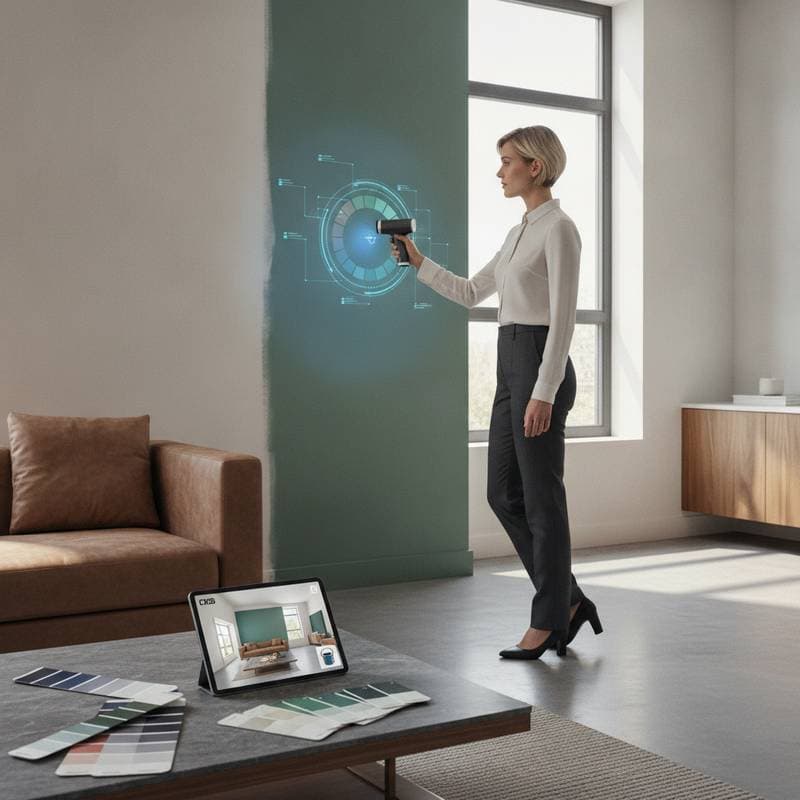
Color serves as the emotional foundation of interior spaces. It influences feelings within a room, alters perceptions of size, and establishes overall ambiance. Achieving ideal color harmony has traditionally posed significant challenges in design. Paint samples vary under different lighting conditions. Digital previews often fail to replicate actual outcomes. A new wave of AI-driven tools now transforms this process, providing designers and homeowners with reliable accuracy in color selection.
The Challenge of True Color
Experienced designers recognize the unpredictability of color. A subtle gray with violet hints may seem calming in morning light yet appear chilly and bluish at night. Interactions among wall treatments, fabrics, and floors subtly alter views. Conventional methods depend on intuition, expertise, and sample testing. Although these approaches hold value, they demand considerable time and invite errors.
AI color matching tools introduce exactness to this nuanced practice. Through computer vision, material evaluation, and lighting simulations, these systems perceive color similarly to the human eye, but with superior precision. They assess undertones, sheen, and surface qualities, then propose harmonious or contrasting options based on environmental factors. This creates a design process that balances intuition with scientific validation.
10 Ways AI Tools Transform Color Matching
1. Intelligent Color Recognition
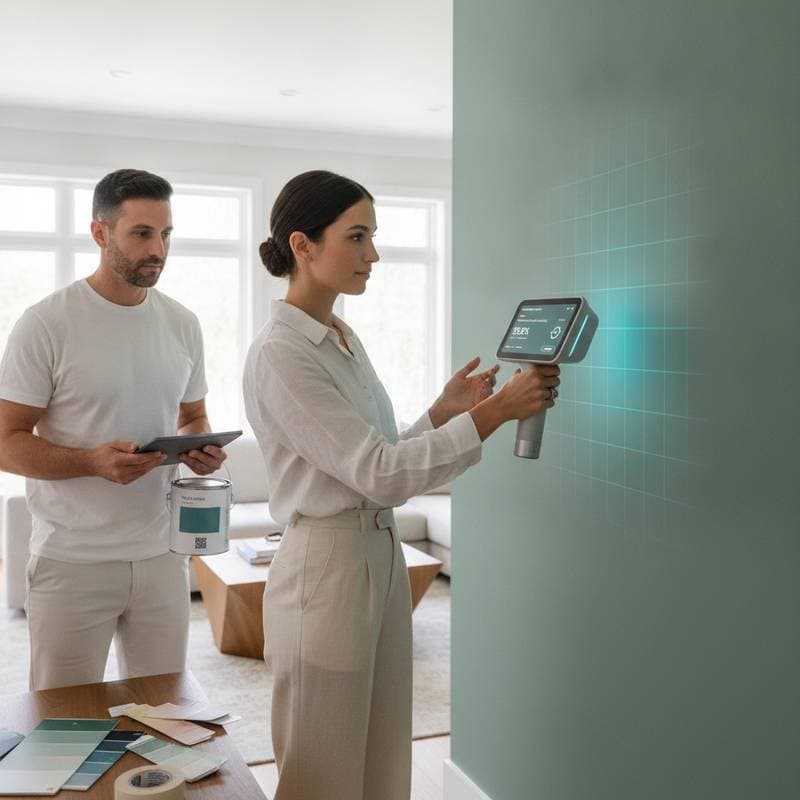
Applications such as Benjamin Moore’s Color Portfolio App and Sherwin-Williams ColorSnap Visualizer utilize AI for precise identification. Capture an image of an antique vase or artwork with a smartphone, and the tool matches the exact shade while noting additional tones. Professionals can immediately generate related options, such as the subtle Pale Oak from Benjamin Moore or the intense Iron Ore from Sherwin-Williams.
This capability connects initial inspiration to practical application, enabling rapid development of unified schemes.
2. Contextual Lighting Simulation
AI platforms evaluate the impact of light sources on color appearance. Tools like Vivid Works Virtual Decorator model natural daylight, twilight, or indoor illumination, modifying tones and intensity as needed. Test a wall in Farrow & Ball’s Ammonite next to polished brass or oak under soft LEDs to preview results.
This foresight prevents expensive revisions post-installation.
3. Real-Time Palette Creation
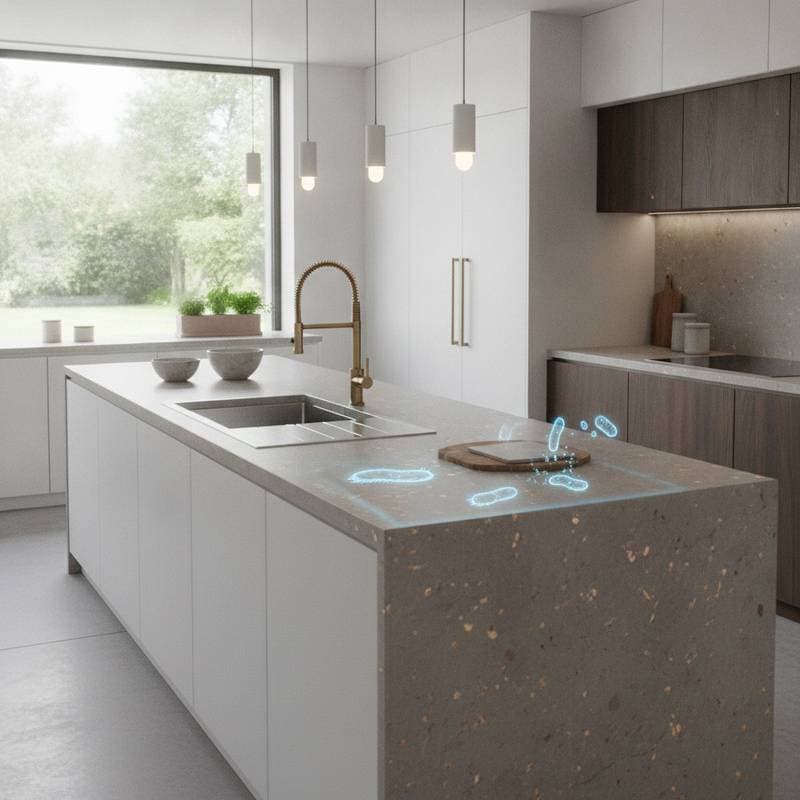
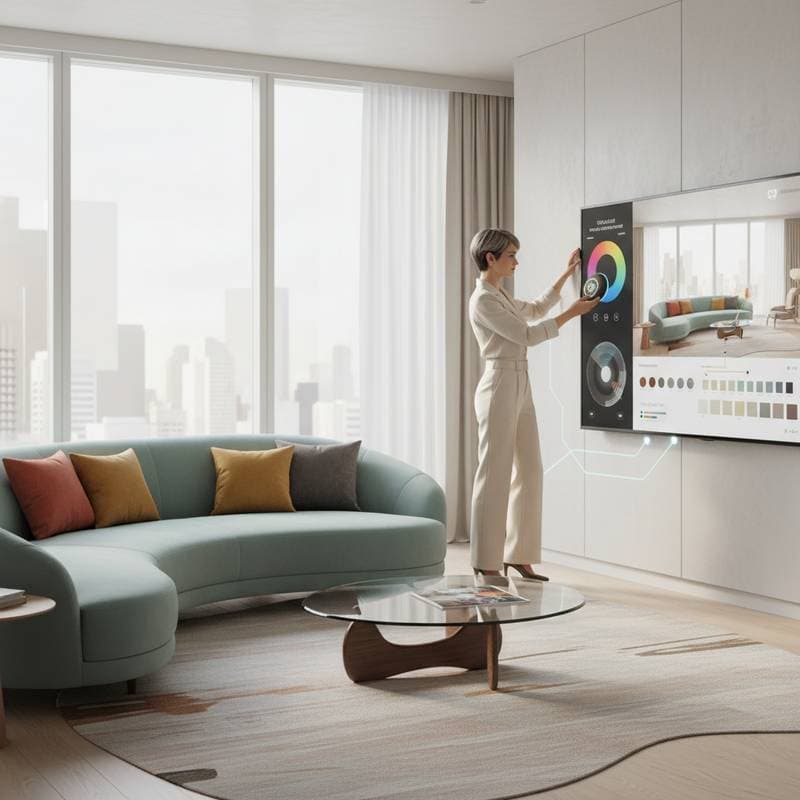
Static color boards belong to the past. AI systems produce adaptable schemes that adjust to updates in surfaces, coatings, or illumination. Select a fresh terrazzo surface, and the program recalibrates hues, recommending paint or fabric choices to sustain balance.
Such immediate responses foster innovation without compromising cohesion.
4. Cross-Material Matching
Coordinating paint with fabrics, woods, and metals presents ongoing difficulties. AI solutions like Adobe’s Substance 3D Sampler examine textures and light reflection, forecasting combinations. Pair the golden hue of European oak with matching linen or select a tailored gray to complement walnut elements.
This method guarantees purposeful integration across elements.
5. Predictive Mood Mapping
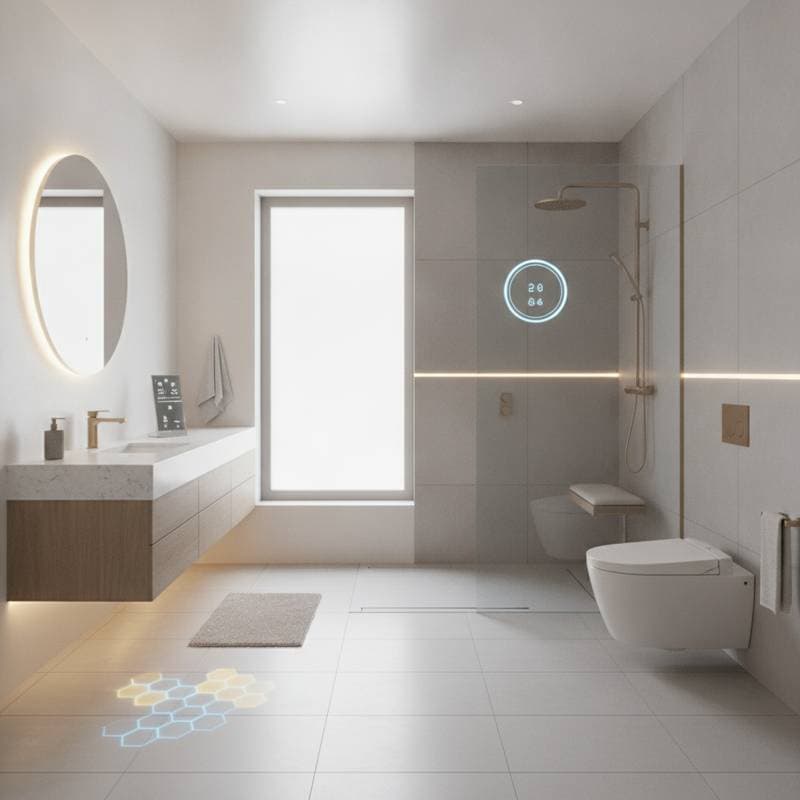
Interest in color psychology surges, and AI quantifies its influence. Algorithms analyze reactions to pairings and suggest options for desired moods. For a relaxing bath area, opt for muted greens like Behr’s Laurel Tree; for an inspiring workspace, choose vibrant corals such as Pantone’s Living Coral.
This analytical method deepens emotional resonance and narrative in spaces.
6. Streamlined Collaboration
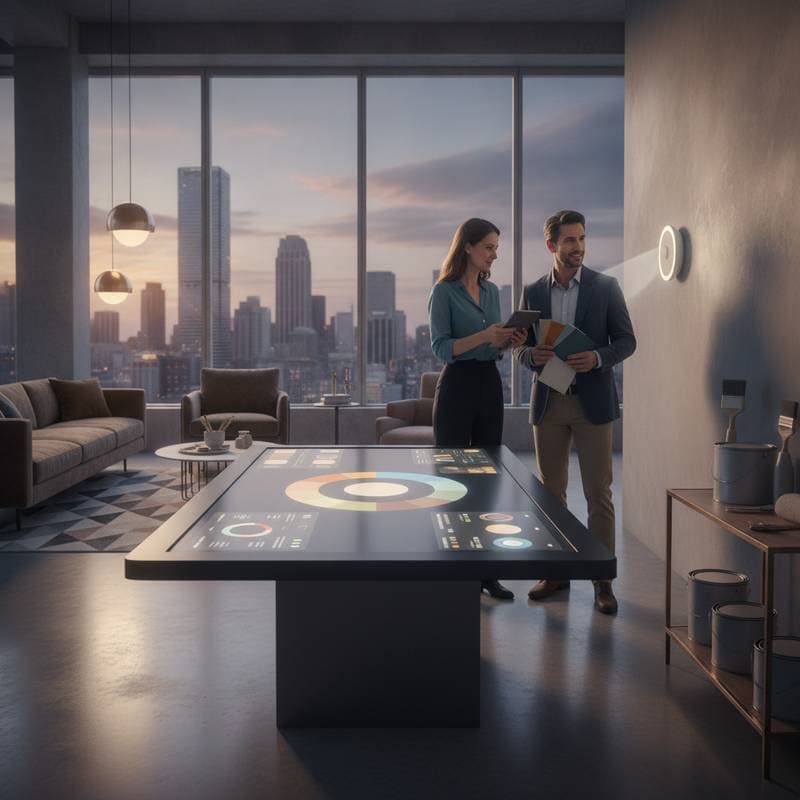
Teams across disciplines face hurdles in sharing color details. AI platforms unify schemes in both virtual and tangible formats. Builders, decorators, and suppliers access identical codes, facilitating seamless progression from plans to reality.
This common framework reduces ambiguity and bolsters teamwork.
7. Sustainability Through Accuracy
Errors in tinting lead to discarded paint or tiles, generating waste. AI precision curtails these issues. Reliable predictions allow confident specifications, limiting excess tests and shipping. Certain tools assess ecological footprints, guiding sustainable selections early.
8. Personalized Style Profiling
AI adapts to user habits by reviewing prior work or favored visuals. It identifies preferences, whether for soft neutrals or striking differences. Over time, suggestions align closely with personal visions, functioning as a virtual assistant.
9. Virtual Reality Integration
Spatial context shapes color views, and VR delivers immersive testing. AI-augmented environments let users navigate full-scale models, tweaking shades and materials on the spot. Experience a virtual kitchen, refine cabinet colors, and gauge the overall effect firsthand.
This engagement shifts choices from abstract to experiential.
10. Future-Proof Design Systems
As materials and tech advance, AI databases expand with new data. Systems incorporate trends, offering current yet classic recommendations. Access evolves with ongoing updates, ensuring designs remain fresh and lasting.
Why Designers Embrace AI Color Matching
Intuition has long defined design expertise. AI augments rather than supplants it. By eliminating doubt, the technology redirects focus to innovative ideas. London designer Marta De Luca notes, “I use AI color tools as my reality check. They confirm what my eye sees or sometimes reveal what my eye misses.”
This shift also broadens access to quality design. Novice homeowners gain tools for assured exploration. Intuitive interfaces and realistic simulations encourage involvement without intimidation.
The Emotional Dimension of Digital Precision
AI color matching excels by integrating analysis with feeling. Algorithms process wavelengths, yet human input infuses warmth and memory. Developers partner with experts in color theory and lighting to embed authentic perceptions.
The result reveals spatial behaviors: a gentle pink on textured walls fosters closeness in daylight; deep blue envelops softly when paired with light floors. AI clarifies these subtleties for emotionally resonant outcomes.
Integrating AI into Daily Design Practice
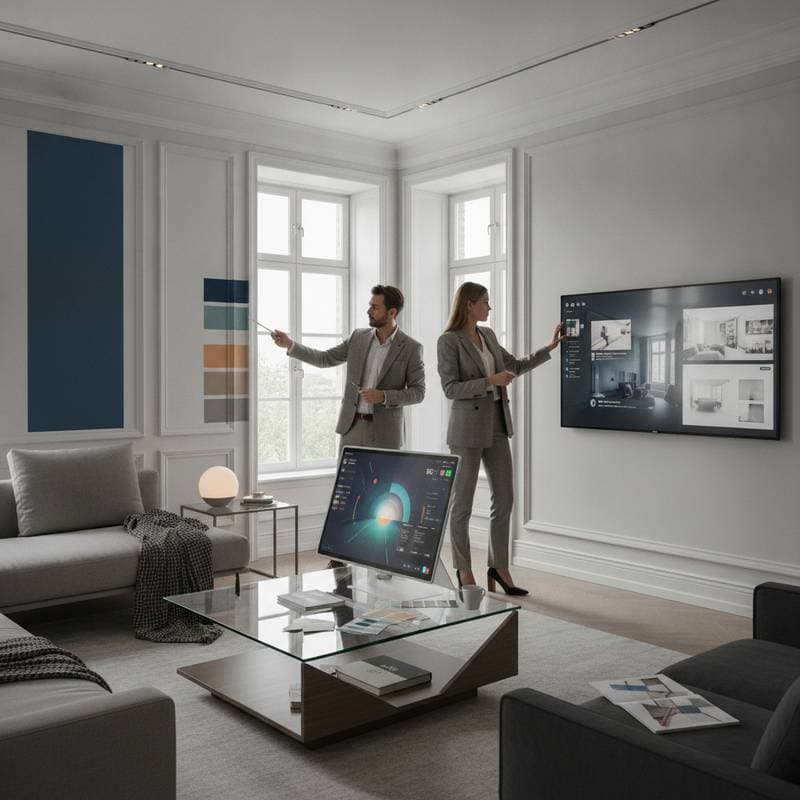
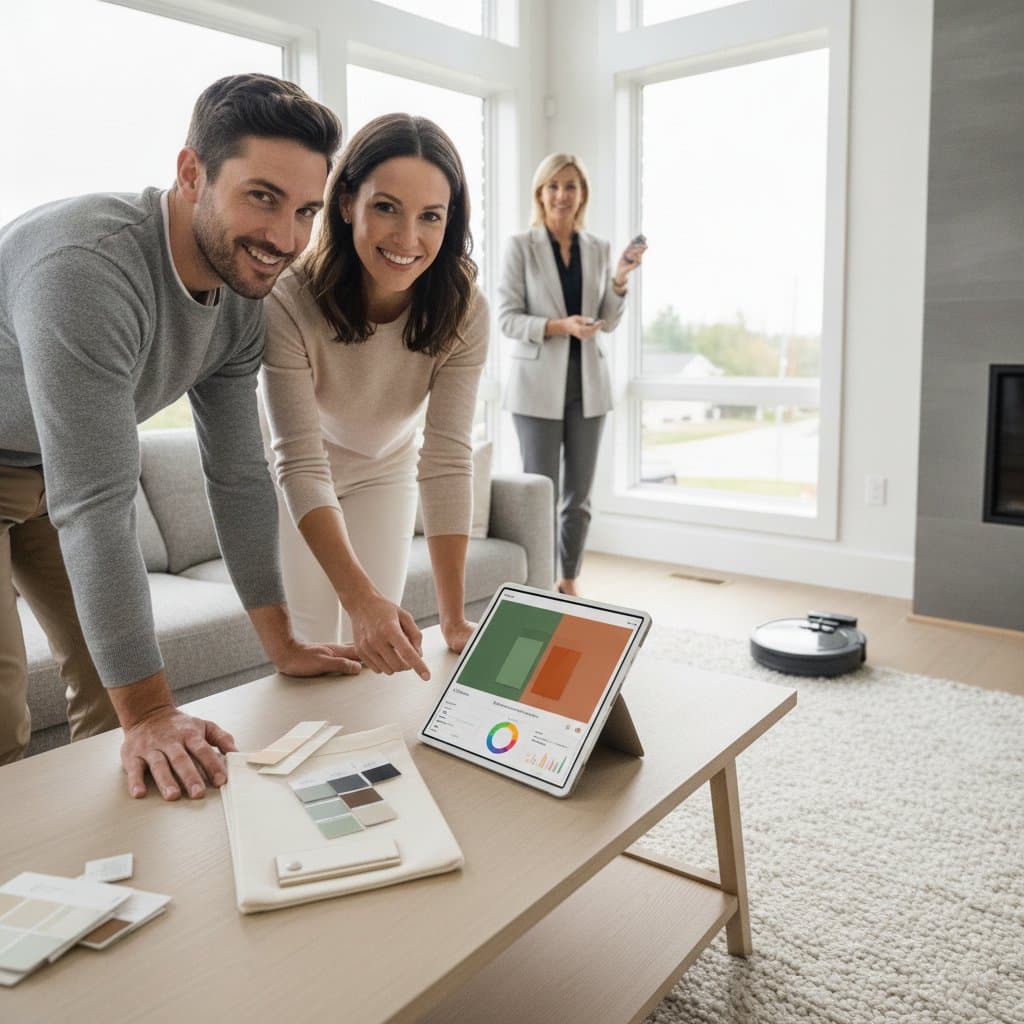
AI tools embed seamlessly across project phases. They support initial brainstorming, hone selections during sourcing, and confirm details on-site. Many teams incorporate them into client sessions for dynamic, engaging reviews.
Homeowners apply these beyond major updates. Refresh a space seasonally, align new furnishings, or plan additions that enhance current schemes. Professional-grade accessibility invites deeper connection to living environments.
Balancing Technology and Human Insight
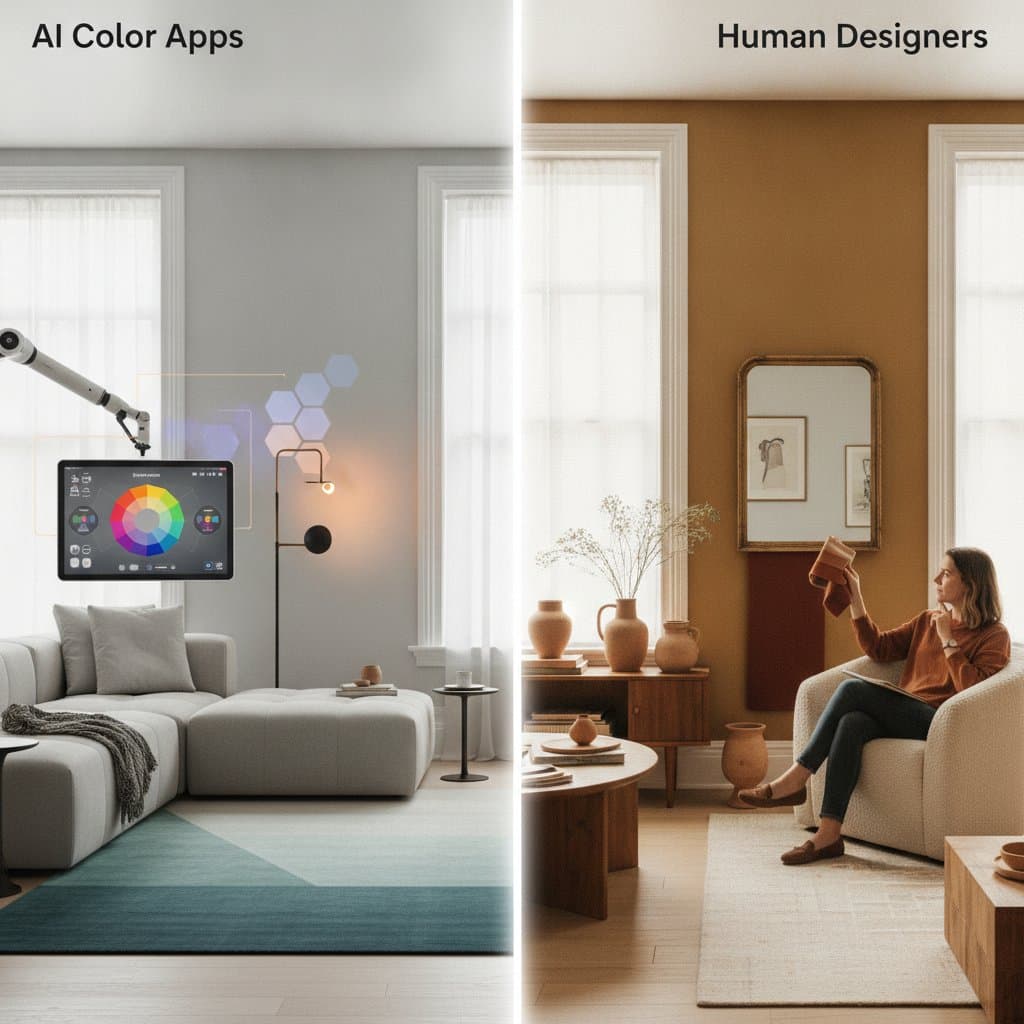
Advanced algorithms enhance design, but personal elements endure. AI proposes ideal matches, yet cannot capture a rug’s texture or an heirloom’s history. Designers blend data with sensitivity to build inviting atmospheres.
Technology refines artistry, making each color deliberate, each surface assured, and each interior a genuine expression of its occupants.