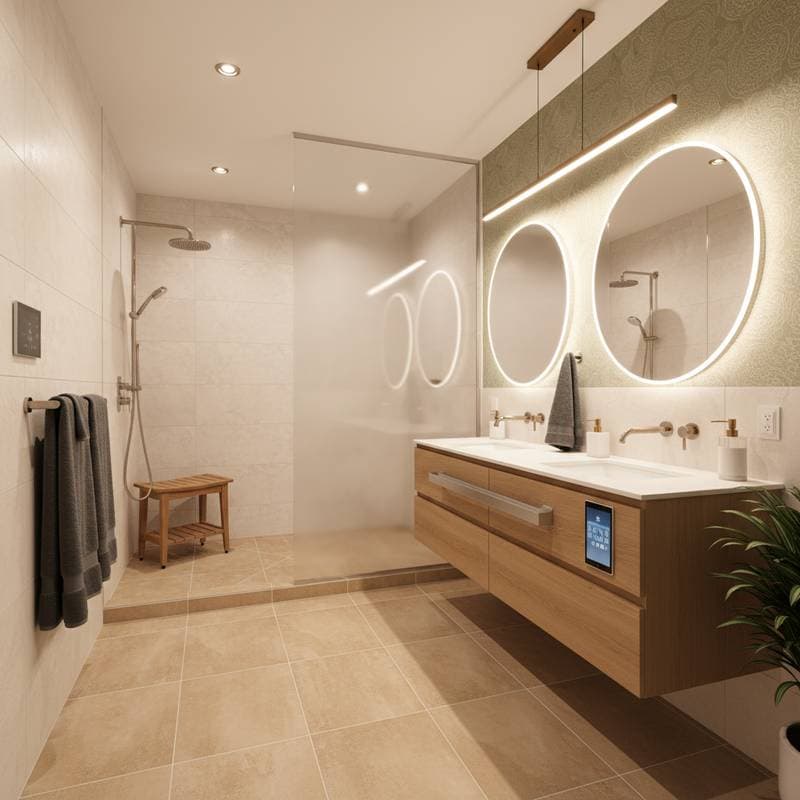
2026 Bathroom Trends: Universal Design for Aging in Place
The bathroom holds profound importance in a home, serving as a hub for comfort, safety, and personal independence. Homeowners increasingly choose to age in place with dignity, and universal design has advanced beyond mere utility to become an elegant approach. Current trends in bathrooms highlight accessibility through refined technology, organic materials, and balanced layouts, resulting in environments that prioritize both beauty and usability.
10. Seamless Entry Showers
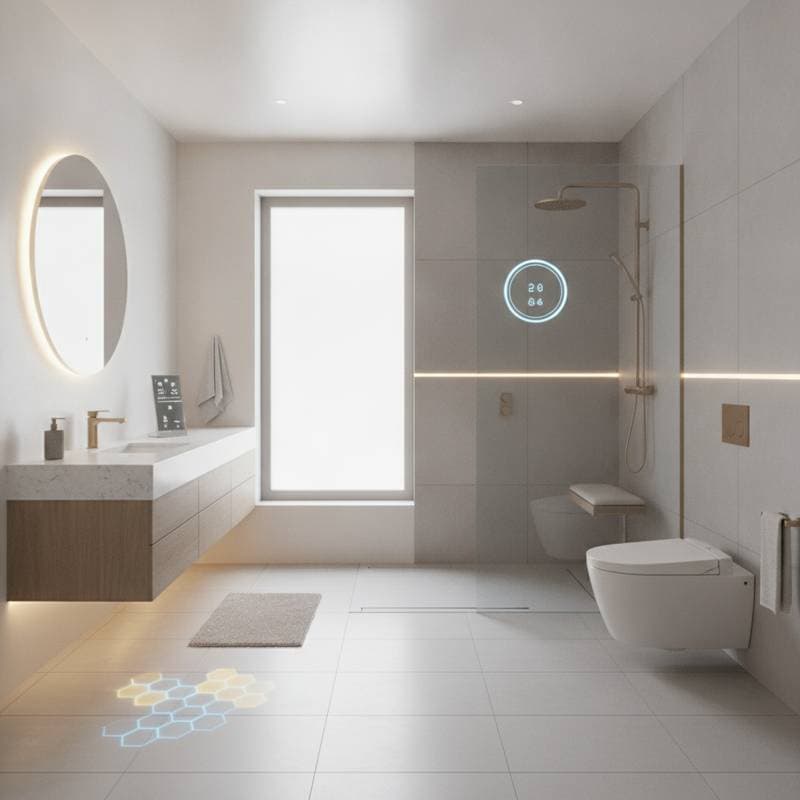
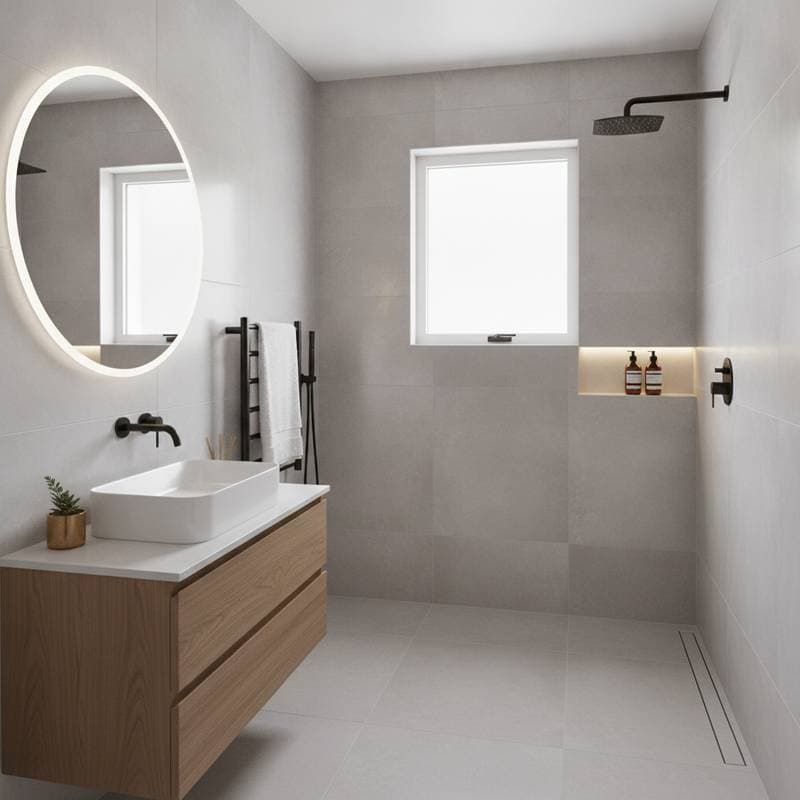
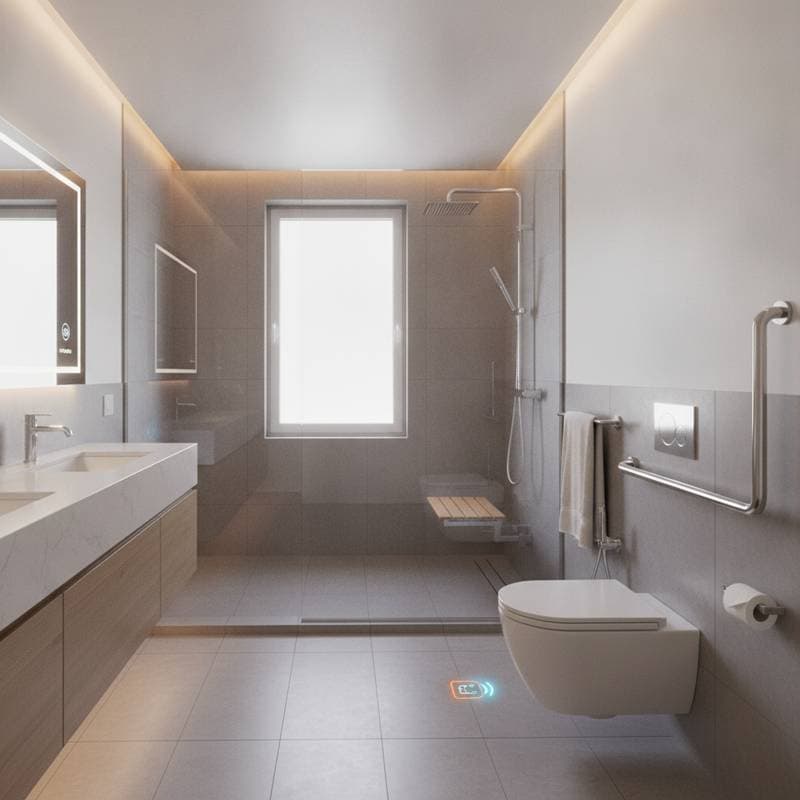
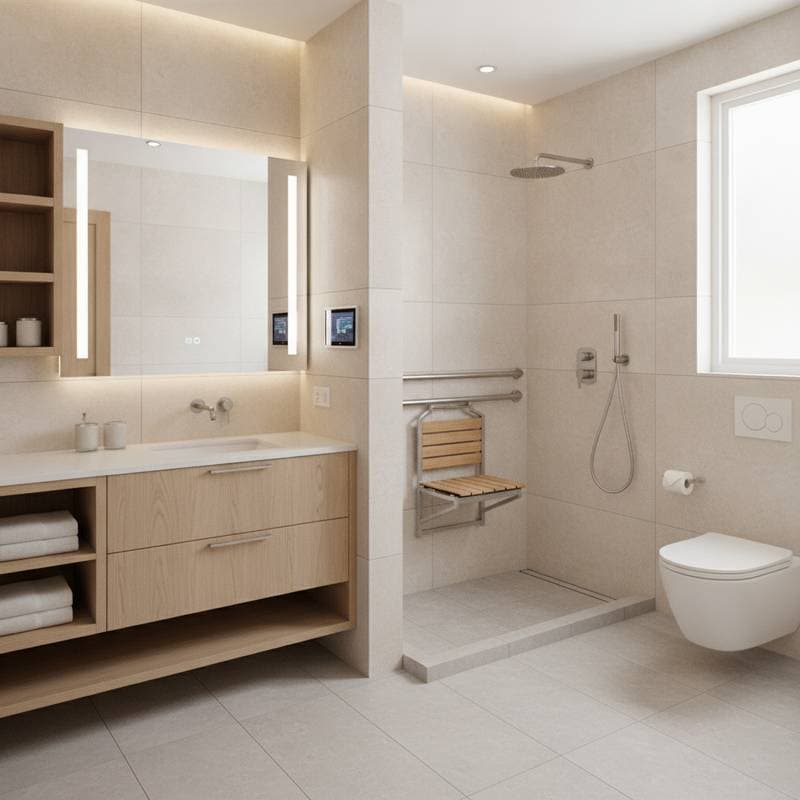
Curbless showers evolve into tranquil spa areas rather than stark functional spaces. Designers like Erin Walsh of Studio Well recommend large-format porcelain tiles with slip-resistant surfaces to maintain a continuous floor level. Brushed stainless steel linear drains from Infinity Drain ensure a streamlined look, and built-in benches of honed limestone or teak add tactile comfort. This setup promotes fluid movement and a sense of serenity.
9. Elevated Grab Bars
Grab bars receive a stylish upgrade from their traditional role. Companies such as Watermark Designs and Kohler offer options in matte brass or graphite that coordinate with towel bars and hardware. Miguel Santos of Arco Interiors suggests recessing them into white oak veneer wall panels for a sculptural effect. Such integrations encourage interaction without drawing attention to their supportive function.
8. Layered Lighting Plans
Effective lighting supports both safety and ambiance in universal design bathrooms. Multi-tiered systems include recessed floor lights for nighttime guidance and indirect wall illumination to define space. Warm LEDs positioned behind floating vanities provide balanced task lighting with a soft radiance. Carla Hume, a lighting designer, advises using a 3000K color temperature to preserve accurate skin tones and minimize harsh glare.
7. Adjustable Vanity Systems
Vanities with height adjustments represent a key advancement in ergonomics. Products from Duravit and Wall Hung Solutions feature electronic controls for countertops that suit seated or standing positions. Surfaces in quartzite with soft pearl gray or misted taupe tones deliver sophistication, complemented by moisture-resistant marine-grade laminate in drawers. Pair these with wall-mounted faucets to optimize reach and maintain a minimalist profile.
6. Textural Warmth Underfoot
Heated flooring remains essential for comfort, with materials now emphasizing sensory appeal. Options include engineered European oak in a waterproof matte finish or porcelain planks resembling driftwood for added warmth. These choices improve traction and invite barefoot use. Systems from Warmup deliver consistent underfloor heating to enhance overall coziness.
5. Soft Technology Integration
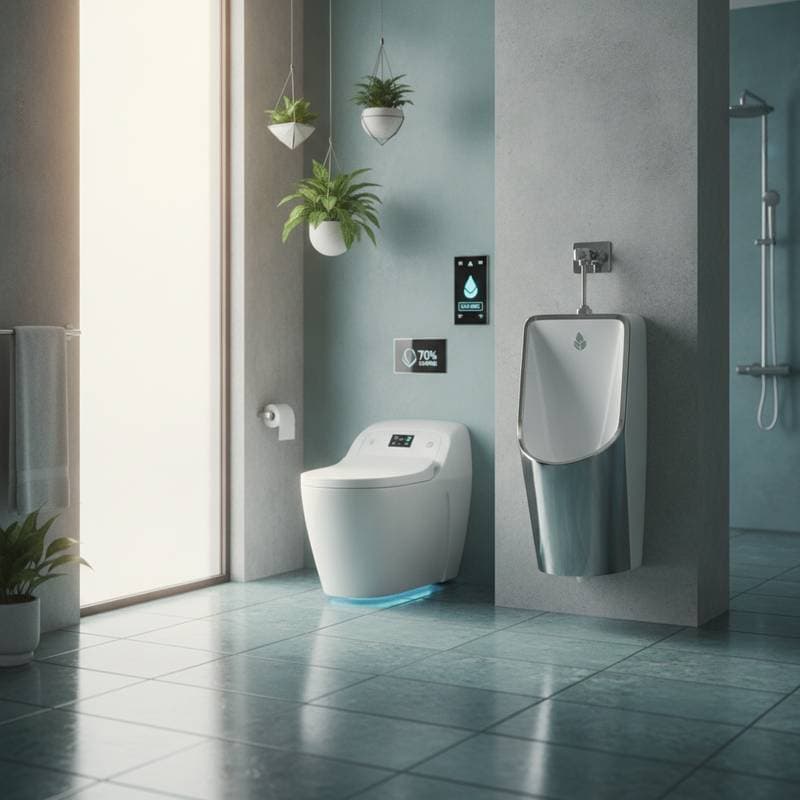
Smart elements integrate subtly to support daily routines. Motion-activated lights and touchless faucets minimize physical effort and promote hygiene. Features like mirror defoggers and voice-controlled lighting scenes add convenience without complexity. Lena Patel of Habitat Tech stresses the importance of straightforward, labeled controls that build user confidence through reliability.
4. Natural Color Palettes
Designers select subdued color schemes to cultivate tranquility and reassurance. Tones like Benjamin Moore Sea Salt Gray or Farrow & Ball Skimming Stone form a soothing foundation for routines. These shades harmonize with brushed nickel hardware and honed marble. The result offers timeless versatility that eases visual strain and bolsters emotional well-being over time.
3. Thoughtful Storage Design
Effective storage solutions facilitate organization in universal design. Pull-down shelves, soft-close drawers, and accessible niches reduce the need for awkward reaches. Louis Tran of Atelier Forme incorporates interior lighting in drawers and mirrors to illuminate contents clearly. Rift-cut oak or satin lacquer finishes provide durability and effortless maintenance.
2. Wider Circulation Paths
Strategic space planning accommodates mobility while preserving elegance. Increased clearances around fixtures support wheelchair access without sacrificing openness. Floating vanities and wall-hung toilets contribute to airy layouts, and pocket doors maximize efficiency over traditional swings. These adjustments create fluid navigation in generous-feeling rooms.
1. Spa-like Accessibility
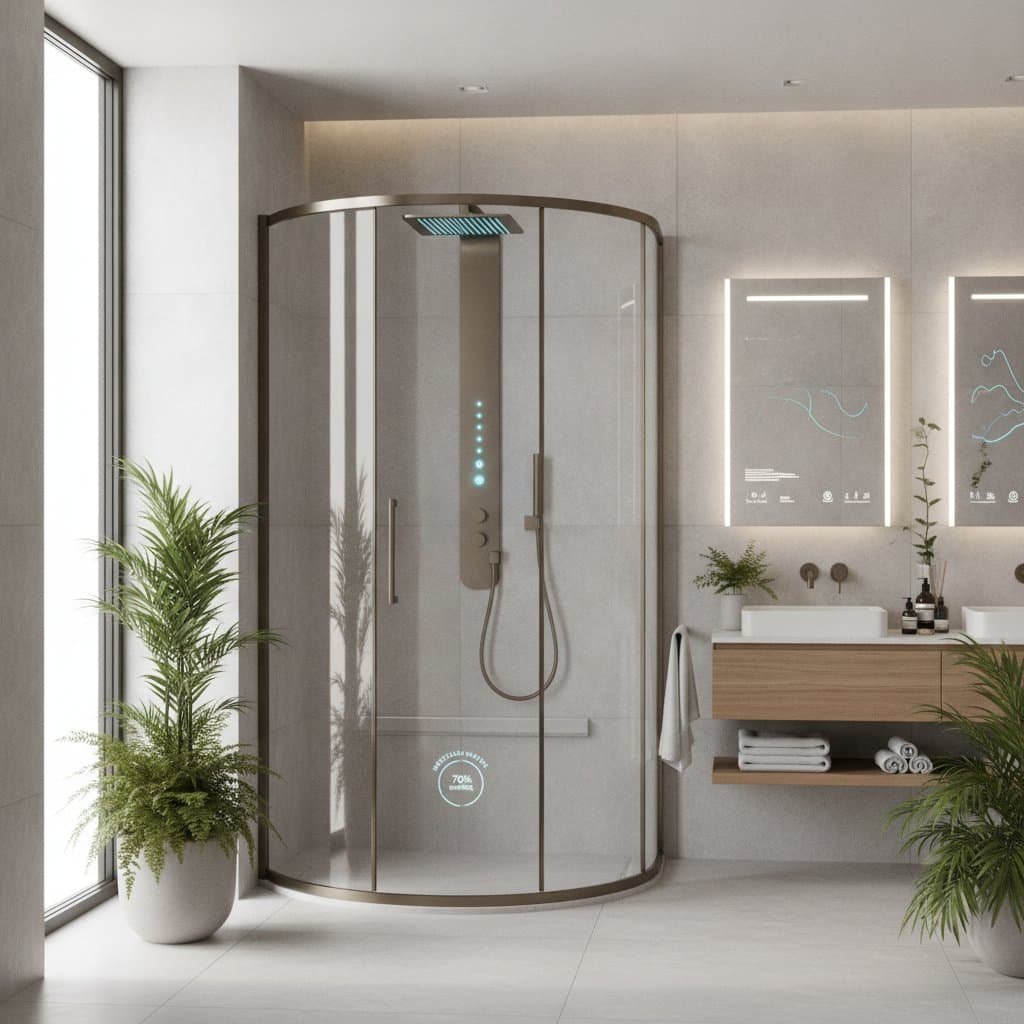
Progressive bathrooms position accessibility as a form of luxury. Steam showers with low thresholds and built-in aromatherapy deliver wellness through intuitive interfaces. Freestanding tubs from TOTO or Hydro Systems include side panels for safe entry. The overall environment invites relaxation, engaging the senses in a personalized manner that nurtures physical and emotional health.
Embracing Universal Design for Lifelong Comfort
Universal design enables aging in place by harmonizing practicality with aesthetic appeal. Homeowners enjoy lasting independence within familiar surroundings, supported by materials that endure alongside them. Exemplary designs transcend specialization to embody enduring, meaningful habitation.
Professionals now regard accessibility as a catalyst for creativity rather than restriction. Spaces that adapt across life stages acquire deeper significance and stability. As more individuals pursue aging in place, these principles redefine comfort as inclusive and aspirational.