Ocean Plastic Countertops: The New Standard in Sustainable Kitchen Design
Ocean plastic countertops represent a breakthrough in sustainable design, converting marine waste into durable, attractive kitchen surfaces. These materials combine environmental benefits with aesthetic appeal, making them suitable for various budgets and styles. This approach not only reduces ocean pollution but also enhances home interiors with innovative, eco-friendly options.
Transforming Waste into Premium Surfaces
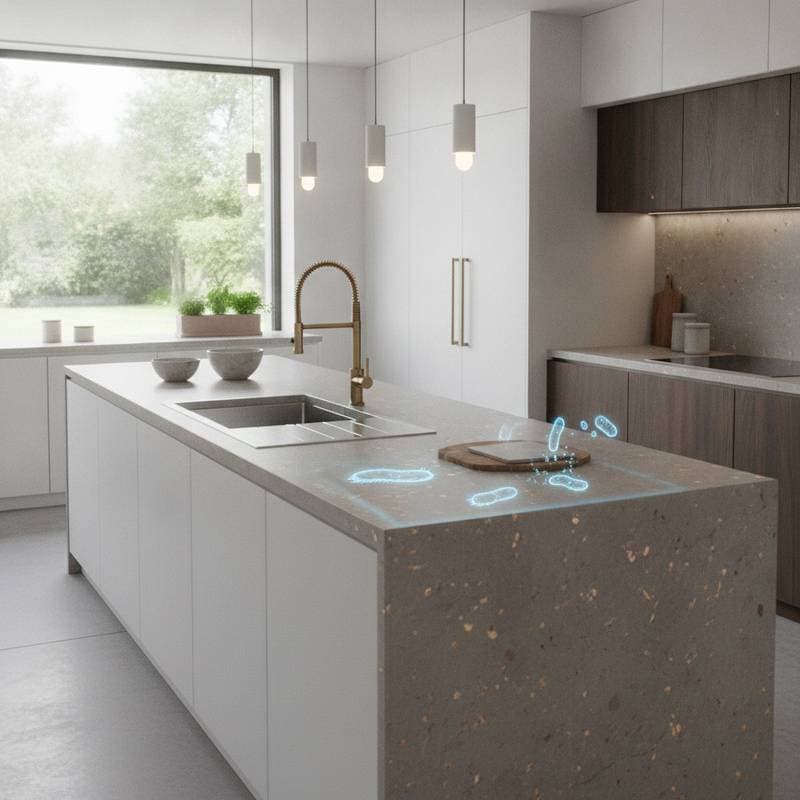
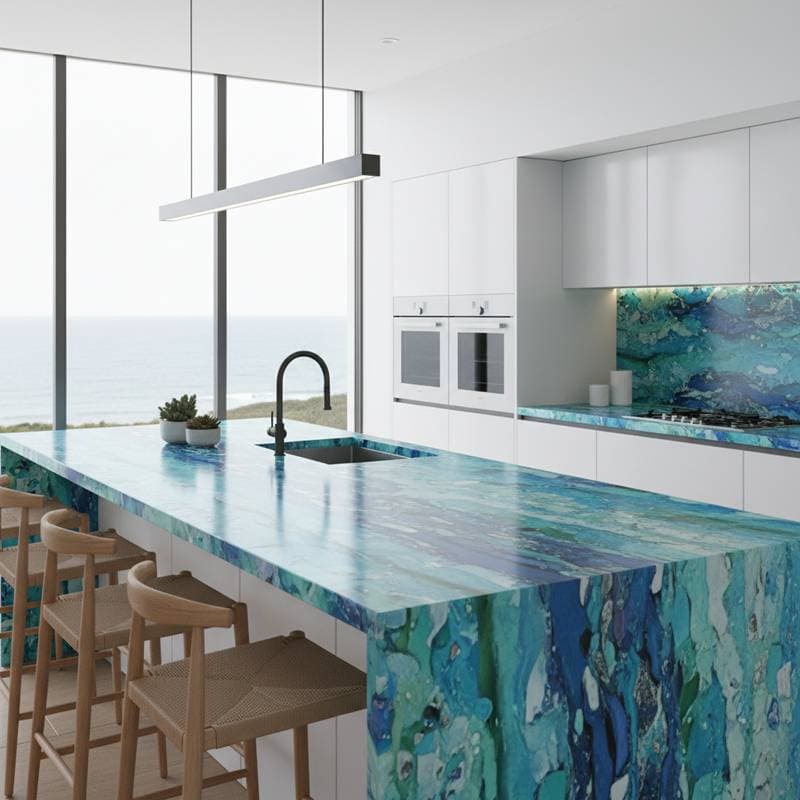
Manufacturers collect discarded fishing nets, plastic bottles, and other ocean-bound debris to create these countertops. The process involves cleaning, sorting, and shredding the plastics before compressing them under heat and pressure into solid slabs. The resulting surfaces feature unique patterns, such as swirls and flecks that resemble terrazzo or marble, adding visual interest to any kitchen.
These countertops appeal to environmentally aware homeowners and design professionals alike. They offer depth, color variation, and a narrative of environmental rescue, turning potential pollutants into functional beauty.
Balancing Sustainability and Aesthetics
Ocean plastic surfaces integrate eco-responsibility with versatile styling options. Choices range from finishes that emulate polished granite to vibrant, contemporary color blends that transform kitchens into artistic spaces. They adapt seamlessly to styles like coastal, industrial, or traditional farmhouse designs.
Budget Considerations: Entry-level options from specialized producers start at $50 per square foot, while premium versions reach $100 per square foot. For cost-effective installations, smaller panels from recycled sources are available online for about $25 per square foot. Creative combinations with other materials can achieve striking results without exceeding financial limits.
Performance Advantages in Kitchen Environments
Kitchens require materials that withstand daily demands. Ocean plastic countertops demonstrate strong resistance to moisture, stains, and scratches. Their nonporous nature eliminates the need for sealing, and routine cleaning with a mild solution maintains their appearance effortlessly.
The textured finish reflects light effectively, adding brightness to compact spaces. This quality enhances visibility in well-lit areas and contributes to a lively atmosphere in residential or staged settings.
The Manufacturing Process
Production begins with sourcing plastics from coastal cleanup initiatives or verified ocean-bound collections. After preparation, the materials form dense slabs through an energy-efficient compression method. Some producers offer customization, allowing selection of color palettes including blues, whites, and translucent elements.
This approach consumes less energy compared to traditional stone or quartz fabrication. Each slab diverts significant amounts of plastic from oceans and landfills, supporting broader environmental goals.
Practical Design Applications Across Budgets
Ocean plastic countertops suit renovations of any scale, from minor updates to complete overhauls. The following strategies align with different investment levels:
1. Low-Budget Options (Under $1,000):
- Apply recycled panels as a backsplash to introduce sustainable elements without full replacement.
- Install a single slab on an island for focal impact, paired with economical alternatives like butcher block on perimeter counters.
- Assemble offcuts into a custom patchwork design for unique, affordable accents.
2. Moderate-Budget Projects ($1,000–$3,000):
- Outfit all counters with matching slabs for a unified, modern aesthetic.
- Coordinate with fixtures in matte black or brushed metal for enhanced contrast.
- Incorporate under-cabinet illumination to highlight the material's subtle patterns.
3. Premium Installations ($3,000 and Up):
- Select bespoke color-mixed slabs to match specific kitchen themes.
- Extend the material to sinks or wall panels for integrated cohesion.
- Design waterfall-edge islands to emphasize sculptural elegance.
These applications demonstrate that sustainability enhances rather than limits design choices.
Professional Design Strategies
For quick, impactful updates, ocean plastic countertops provide efficient installation and visual enhancement. Consider these techniques to achieve a refined finish:
- Layer Textures: Pair the countertops with wooden elements or subdued cabinetry for balanced depth.
- Harmonize Colors: Extract a dominant hue from the slab's patterns and incorporate it into surrounding decor.
- Maximize Vertical Space: Extend the material as a full-height backsplash to create a seamless, upscale appearance.
Such methods deliver professional results that emphasize both style and ecological value.
Opportunities in Product Innovation
The rise of ocean plastic materials fosters collaboration among manufacturers, recyclers, and designers. Artisanal producers create exclusive slabs through partnerships with local programs, expanding applications to furniture and fixtures. Designers can leverage these options to offer clients products that align with sustainability trends, boosting appeal in custom projects.
Maintenance Guidelines
These countertops require minimal effort to preserve their condition:
- Wipe surfaces with a soft cloth and mild dish soap.
- Steer clear of abrasive cleaners or harsh chemicals.
- Place trivets under hot cookware to protect the finish.
- For matte varieties, apply a light coat of furniture wax periodically to renew luster.
This simplicity matches the convenience of conventional solid surfaces, ideal for active kitchens.
Enhancing Daily Kitchen Experiences
Installed ocean plastic countertops alter the room's ambiance through shifting light interactions on their patterns, fostering a vibrant feel. Owners gain assurance from contributing to waste reduction with every use. This material illustrates that sustainable choices elevate functionality and enjoyment without compromise.
Steps to Incorporate Ocean Plastic Countertops
To integrate these surfaces, consult fabricators specializing in recycled products for samples, colors, and dimensions. For budget constraints, blend with complementary materials or utilize remnants for targeted areas. This versatile option empowers homeowners to craft kitchens that embody personal aesthetics and environmental stewardship.