Reimagine Kitchens with Modular Flexibility
Homeowners often view kitchen remodels as permanent commitments that endure for decades. Yet lifestyles change rapidly, and what suits a space today may feel inadequate tomorrow. Families expand, cooking habits evolve, and daily routines shift. As a contractor with extensive experience in kitchen redesigns, I emphasize that adaptability has become essential. Modular kitchen systems revolutionize this process by enabling reconfiguration without structural demolition.
Modular designs prioritize versatility over fixed aesthetics. Components such as cabinets, countertops, and islands assemble from interchangeable units. This setup allows homeowners to adjust layouts seasonally or as needs arise. The result is a dynamic kitchen that aligns with ongoing life demands.
Limitations of Traditional Kitchen Designs
Conventional kitchens impose rigid constraints through permanent installations. Cabinets affix directly to walls, islands secure to floors, and utility lines limit appliance placement. Such setups hinder adjustments and often lead to regret after brief use.
Common challenges include:
- Fixed configurations that restrict entertaining or efficient workflows.
- Immovable cabinetry that resists updates to storage based on changing tools or habits.
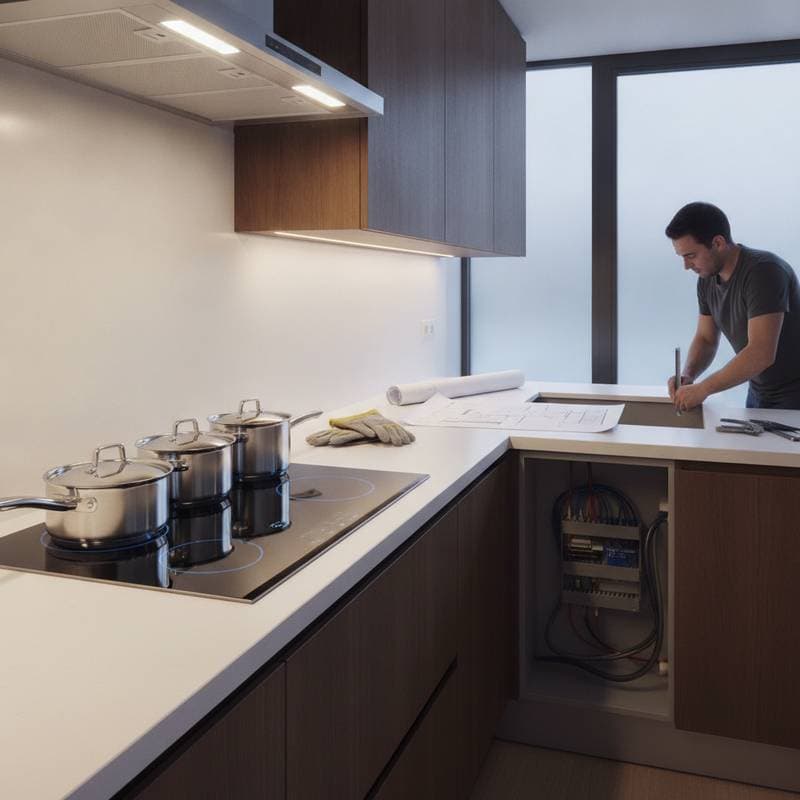
- Restricted access that complicates plumbing or electrical maintenance.
- Substantial costs that deter periodic improvements, resulting in outdated spaces.
These factors frequently delay necessary changes until the kitchen proves intolerable. Modular approaches counteract this by supporting incremental evolutions.
Essentials of Modular Kitchen Systems
Modular kitchens consist of prefabricated, standardized modules that interconnect in various arrangements. Each element, from drawers to counter sections, operates independently without dependence on fixed frameworks. This independence facilitates disassembly and relocation with minimal effort.
Contractors benefit from streamlined processes in both initial setup and subsequent modifications. Adjustments require no wall alterations or custom refabrication. Consequently, projects complete faster, generate less debris, and maintain kitchen usability throughout.
Key Components for Effective Modularity
Successful modular kitchens rely on interconnected elements designed for mobility:
- Base and wall units that rearrange or substitute without disturbing adjacent areas.
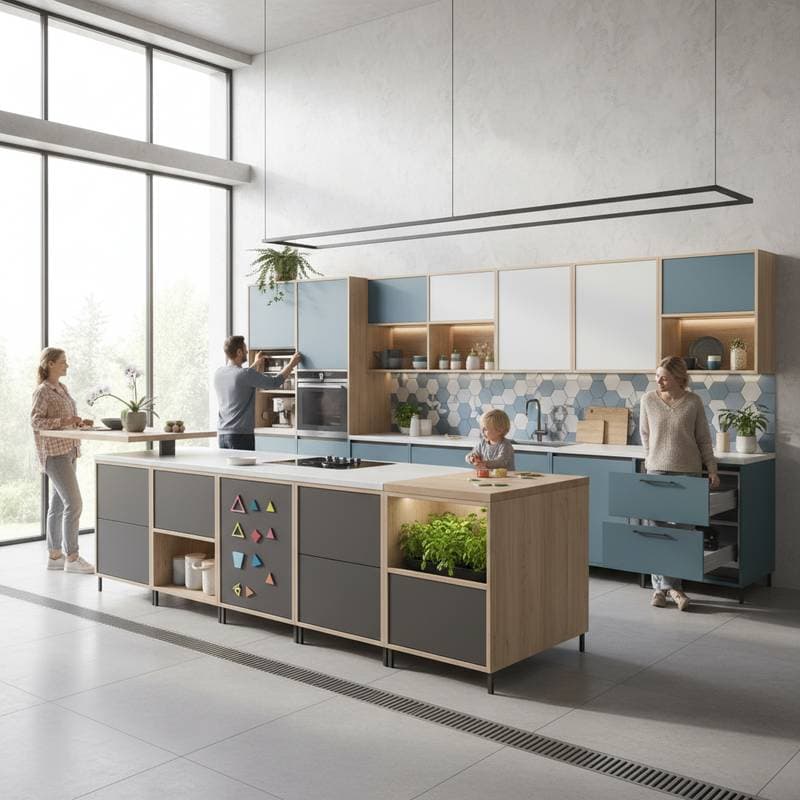
- Relocatable islands with integrated power outlets and storage that shift positions securely.
- Replaceable countertop segments adaptable to different materials or styles.
- Modular appliance areas with quick-connect utilities for easy upgrades or moves.
- Customizable shelving that adjusts to varying storage requirements.
Secure connections via concealed fasteners and uniform sizing minimize modifications during reconfiguration. Accessible panels further simplify utility access.
Benefits of Built-In Adaptability
The primary strength of modular systems lies in their alignment with everyday realities. I have assisted clients transitioning from family meal preparation to hosting events. Traditional designs would necessitate extensive rebuilding, but modular setups allow repositioning of cabinets and islands in a single day at lower cost.
Technological advancements integrate seamlessly as well. New appliances or smart features fit without overhauls, preserving the kitchen's relevance over time. This forward-thinking design extends the lifespan of investments.
Strategies to Sidestep Modular Challenges
Modular implementations demand thoughtful preparation to avoid inconsistencies. Purchasing components without a cohesive vision often yields mismatched elements and suboptimal arrangements. Approach planning with the rigor of any major project.
Follow these steps for success:
- Develop a comprehensive initial blueprint that accounts for potential future shifts.
- Select a unified system from a single provider to guarantee compatibility.
- Ensure utilities remain approachable for ongoing adjustments.
- Opt for robust hardware engineered for frequent handling.
- Record installation details, including images and dimensions, for reference.
Adhering to these practices safeguards functionality across configurations.
Enhancing Daily Kitchen Use Through Modularity
Beyond renovation efficiency, modular designs improve routine interactions. Consider these client examples:
- A family installed a detachable breakfast bar for school mornings, then stored it away for holiday openness.
- A dedicated cook swapped a stationary island for portable prep surfaces that combine or divide as needed.
- Remote workers repurposed shelving to create a weekly office nook within the kitchen.
Fixed installations preclude such versatility. Modular elements transform the kitchen into a responsive hub for diverse activities.
Financial Planning for Modular Investments
Initial costs for modular kitchens may appear elevated, yet they yield savings through avoided full-scale renovations. Selective updates eliminate the need for repeated demolition and reconstruction.
Allocate funds across:
- Foundational elements like flooring and utilities, selected for durability and neutrality.
- Core modules emphasizing quality materials and mechanisms.
- Reserves for future additions or enhancements.
- Expert labor to achieve precise assembly and integration.
View the kitchen as a progressive investment, funded through targeted upgrades that sustain vitality.
Structural Foundations for Modular Success
Precision underpins modular functionality. Subfloors require leveling, walls need consistent framing, and utilities must accommodate movement. Surface-mounted electrical systems and flexible plumbing enhance relocateability.
Centralized ventilation with adaptable routing supports layout variations. Engage qualified professionals to verify code adherence. These preparations distinguish enduring installations from temporary solutions.
Aesthetic Principles for Fluid Designs
Modular kitchens maintain visual harmony amid changes by emphasizing material uniformity over rigid patterns. Consistent countertops and cabinetry ensure seamless transitions between setups.
Flexible lighting solutions, such as adjustable tracks and plug-in under-cabinet strips, prevent illumination gaps. This approach preserves an inviting atmosphere regardless of configuration.
Ensuring Durability and Sustainability
Modular components endure with routine care focused on mechanisms. Regular checks on hinges and locks prevent issues from repeated use. Contractors often provide maintenance kits with spares and finish restoratives.
Sustainability emerges as components replace individually, minimizing landfill contributions. This eco-conscious aspect appeals to environmentally aware homeowners.
Partnering Effectively with Contractors
Clear dialogue drives modular projects. Review selections and demonstrate operations prior to finalizing. Skilled contractors impart knowledge for independent adjustments, fostering confidence in the system's use.
Realizing a Lasting, Adaptable Kitchen
Modular kitchens empower homeowners to craft spaces that evolve without disruption. This approach not only streamlines updates but also enriches daily experiences. Invest in modularity to create a kitchen that anticipates and accommodates life's ongoing transformations.