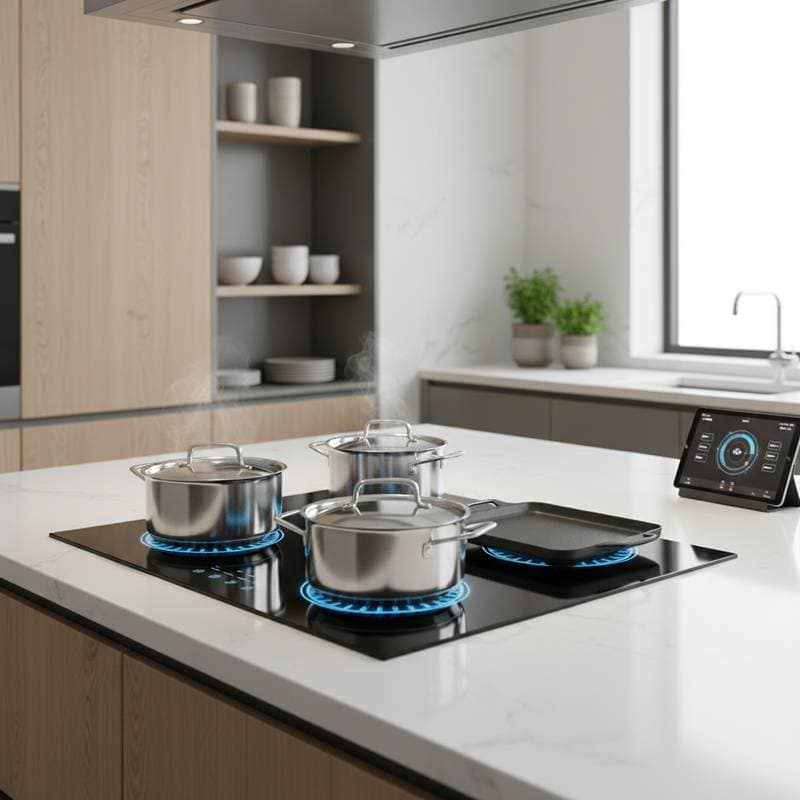
Induction Zones: Upgrade from Gas for Efficient Kitchen Cooking
Envision entering your kitchen to prepare a meal, only to encounter the persistent odor of gas in the air. You adjust the knob and anticipate the flame to ignite promptly. Consider instead a cooktop that warms swiftly, remains cool to the touch, and maintains pristine air quality. Induction cooking delivers precisely that experience. For those contemplating a stove upgrade, transitioning from gas to induction zones represents a wise decision for household improvement.
Reasons Homeowners Reconsider Gas Stoves
Numerous homeowners reassess gas appliances due to concerns over safety, expenses, and ecological impact. Gas stoves emit nitrogen dioxide and additional pollutants that compromise indoor air quality. Individuals with asthma or allergies face particular risks from these emissions. In contrast, induction cooking avoids open flames and produces no combustion byproducts. It employs electromagnetic energy to warm cookware directly, resulting in quicker operation and greater efficiency.
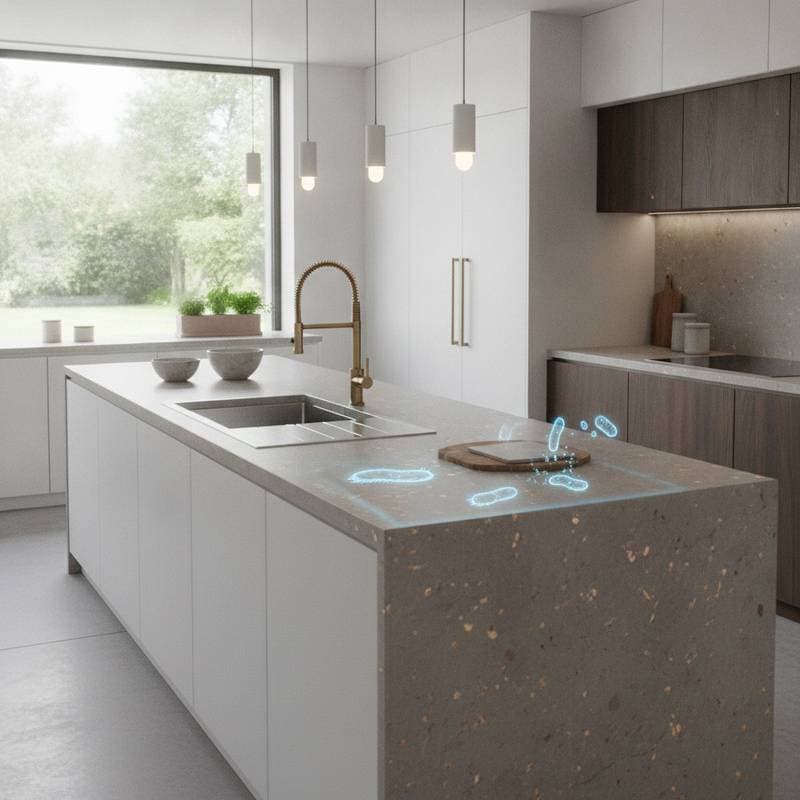
Maintenance provides another compelling factor. Gas burners often clog and demand thorough cleaning. Induction cooktops feature a sleek glass surface that cleans in moments with a simple wipe. No grates or hard-to-reach areas complicate the process.
The Mechanics of Induction Zones
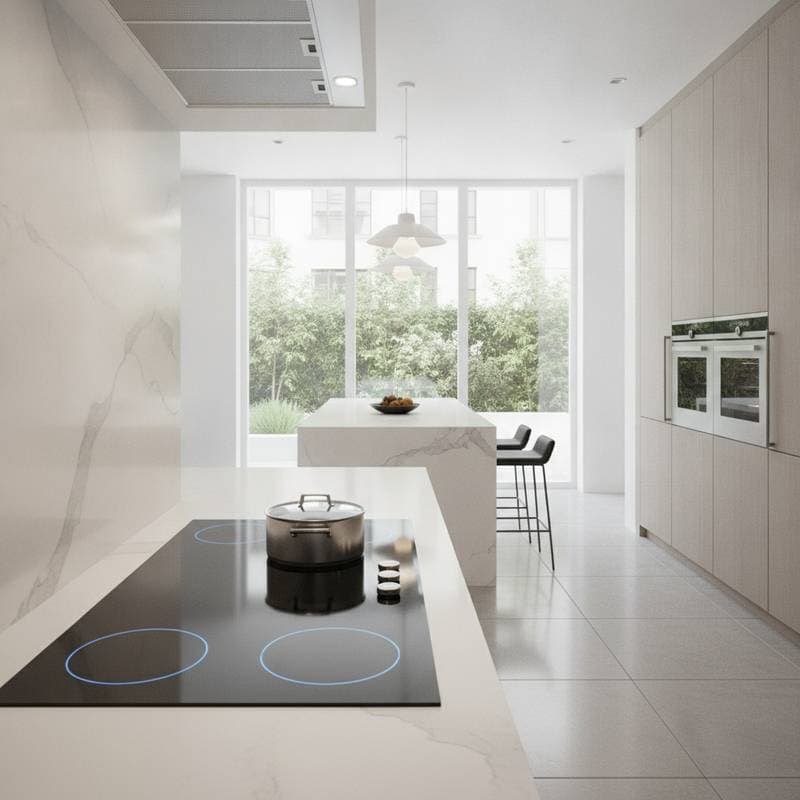
Induction zones consist of the designated cooking surfaces on an induction cooktop. Each zone houses a coil that generates a magnetic field upon activation. Placement of a suitable pan on the zone induces the magnetic field to interact with the pan's metal, producing heat instantaneously. The cooktop surface stays comparatively cool, offering substantial safety benefits, particularly in households with children or pets.
Direct heat transfer to the cookware enables precise temperature regulation. Water reaches a boil in less than two minutes, and adjustments to lower settings take effect immediately. This level of responsiveness surpasses what gas stoves achieve.
Selecting an Appropriate Induction Cooktop
Induction cooktops vary in zone count, from two to five. A four-zone model suits most residential kitchens. Consider these key elements when evaluating options:
-
Power and Flexible Zones
Premium units often incorporate bridge zones that combine adjacent areas for larger vessels like pots or griddles. Such features prove invaluable for cooking with oversized cookware or during gatherings. -
Wattage and Performance
Standard household zones operate at 1,400 to 3,700 watts. Elevated wattage accelerates heating, though it may necessitate a dedicated electrical circuit to manage the load. -
Control Options
Touch interfaces predominate and facilitate easy maintenance. Seek models with intuitive temperature indicators and straightforward adjustment mechanisms. -
Cookware Suitability
Induction requires ferromagnetic materials. Stainless steel and cast iron generally perform well, whereas aluminum, copper, or glass do not without a magnetic base. Test existing pans by applying a magnet; adhesion confirms compatibility.
Pricing Overview and Setup Factors
Prices for induction cooktops span a broad spectrum. Portable two-zone units begin at 100 to 200 dollars. Built-in four-zone models range from 800 to 2,500 dollars. Advanced configurations with bridging capabilities and integrated smart functions may exceed 4,000 dollars.
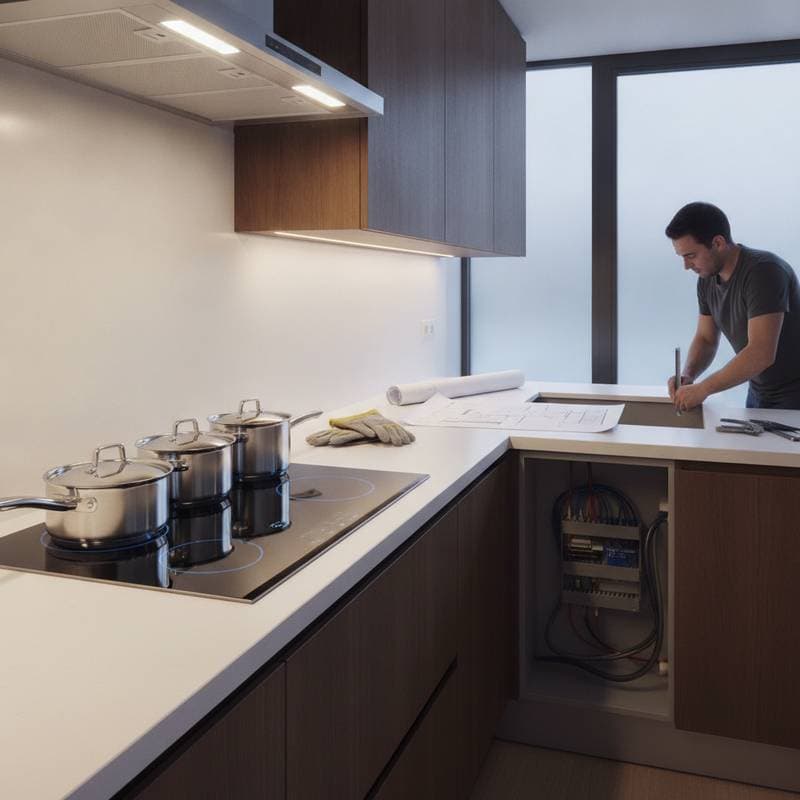
Installation expenses depend on existing electrical infrastructure. These cooktops demand a 240-volt outlet. Homes lacking this setup require an electrician to install or upgrade the circuit, typically costing 200 to 600 dollars. Replacing a gas range also involves capping the gas line by a qualified plumber, an additional 100 to 300 dollars.
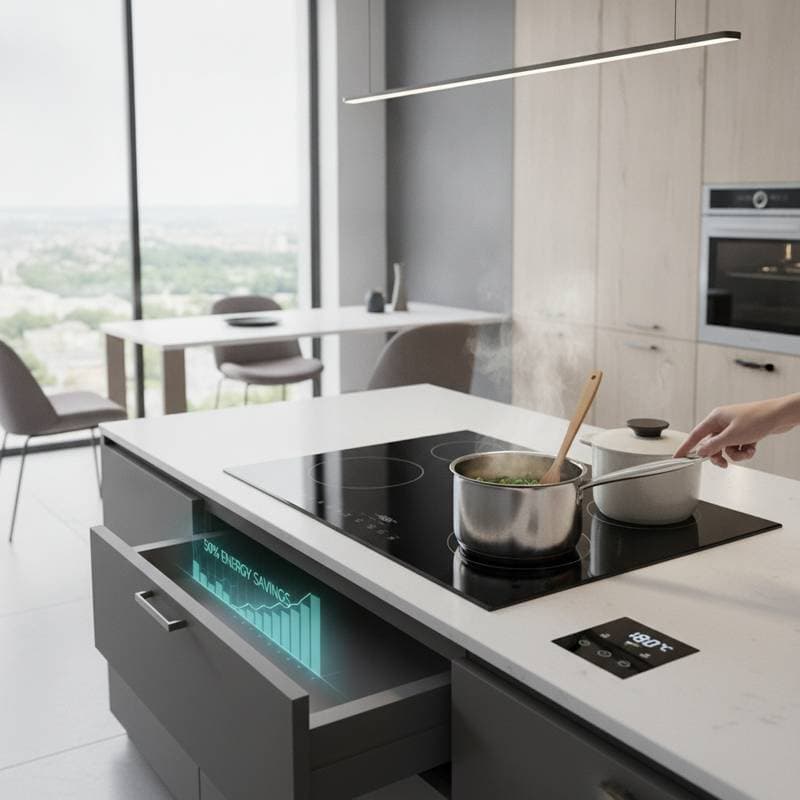
Energy savings further enhance the appeal. Induction transfers 85 to 90 percent of energy to the cookware, far exceeding gas's 40 percent efficiency. This results in reduced utility costs over time.
Advantages in Safety and Sustainability
Induction cooking ranks among the safest cooking methods. With heat confined to the cookware, spills rarely adhere and burn to the surface. Many units include auto-shutoff if cookware is removed. Such features provide reassurance in families with young children.
Environmentally, electric induction minimizes household emissions. Gas stoves contribute to indoor pollution and greenhouse gases. Induction aligns with broader electrification trends, and pairing with solar energy allows fully renewable cooking power.
Enhancing Daily Cooking Routines
Initial use of induction reveals marked improvements. Liquids heat rapidly, cookware responds without delay, and ambient kitchen temperatures remain comfortable. Maintain steady simmers for sauces or gently melt chocolate to avoid burning. Post-cooking cleanup proves straightforward, as the surface cools swiftly for wiping with a damp cloth.
For precision-oriented cooks, induction rivals commercial-grade tools. Certain models integrate sensors to sustain desired temperatures or link to applications for recipe guidance.
Engaging Professional Services
When substituting a gas stove, engage a licensed plumber to disconnect and secure the gas line. Electrical modifications call for a certified electrician, particularly for new circuits or outlets. Portable units connect to standard outlets, but built-in installations require compliant wiring to ensure safe power handling.
Facilitating a Seamless Transition
Shifting from gas to induction involves minor adaptation, yet most users adjust swiftly. Verify cookware compatibility first, then schedule necessary electrical enhancements. Upon installation, experiment with techniques like searing, boiling, and simmering to master the system's pace and precision.
Induction zones transcend fleeting popularity. They embody an intelligent, secure, and hygienic approach to meal preparation. Eliminating gas reduces pollutants, streamlines upkeep, and conserves energy. Ideal for kitchen renovations or appliance replacements, this change fosters enduring ease and productivity in everyday routines.