Induction Zones: Revolutionizing Energy-Efficient Cooking
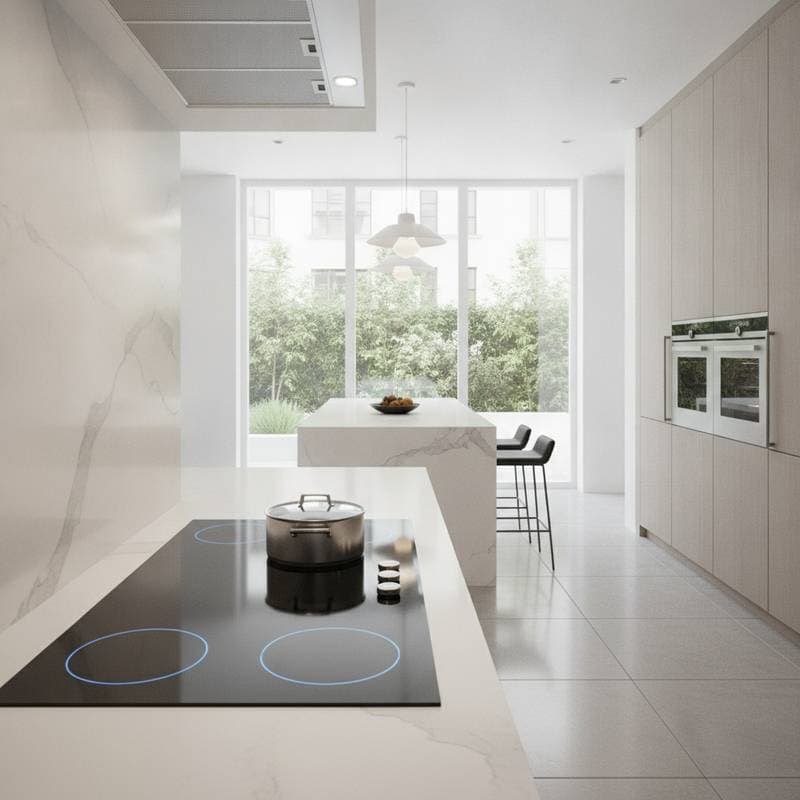
Technology advances rapidly in modern kitchens. A neighbor might recently install a sleek induction cooktop and praise its ability to boil water swiftly. Individuals often question whether the glowing zones that heat only the pan deserve the investment. For those seeking greater energy efficiency without compromising performance, induction zones present a compelling upgrade.
This guide examines the principles of induction cooking, contrasts it with conventional gas and electric ranges, and outlines expectations regarding cost, efficiency, and practical application. Readers will determine whether an induction system aligns with their home, budget, and culinary preferences.
The Growing Appeal of Induction Zones
Homeowners increasingly adopt induction technology, much like the shift to LED lighting or high-efficiency appliances. The advantages extend well beyond energy conservation.
Key advantages include:
- Speed: Boiling a pot of water requires approximately half the time compared to a gas burner.
- Precision: Temperature adjustments occur almost instantaneously, akin to professional-grade ranges.
- Safety: The surface stays relatively cool, minimizing the risk of burns.
- Cleanliness: The flat glass surface cleans easily with a damp cloth, as spills do not adhere or bake on.
- Air Quality: Absence of an open flame eliminates combustion byproducts, enhancing indoor air.
In households with children or older adults, safety stands out as a primary benefit. The cooktop activates solely with compatible cookware in place, and the zone cools rapidly upon removal.
Comparing Costs and Efficiency
Induction cooktops demand a higher initial investment than gas or electric alternatives. Prices fluctuate based on features and size, but typical ranges include:
- Basic 2-zone portable unit: $90 to $250
- Mid-range 4-zone built-in cooktop: $700 to $1,500
- Premium smart induction range with oven: $2,000 to $4,000
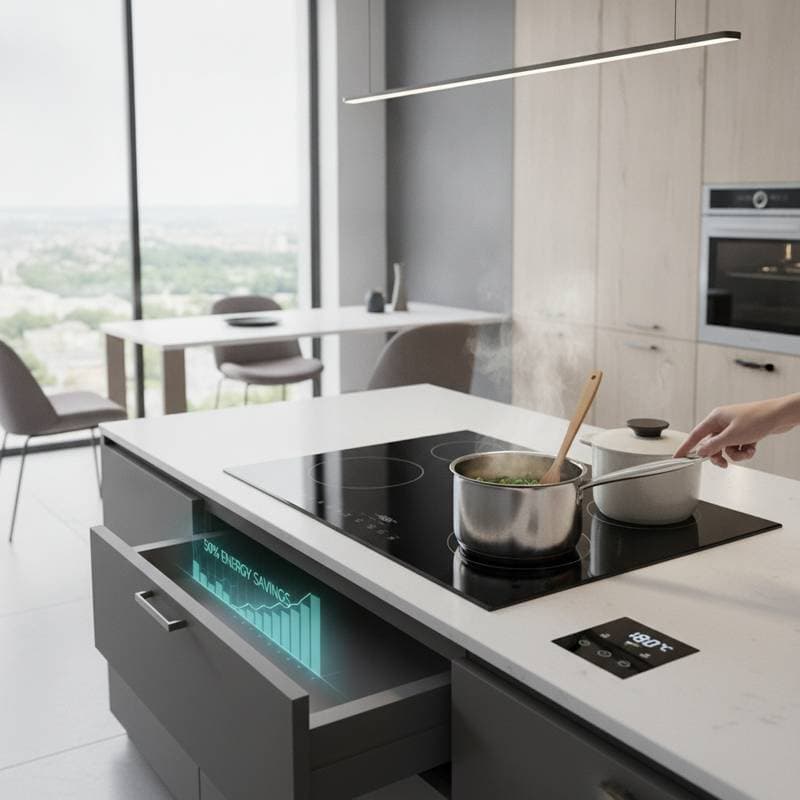
Although the upfront cost exceeds that of traditional options, operational expenses prove lower. Induction efficiency yields energy savings of 10 to 20 percent relative to standard electric stoves. Frequent cooks recoup the difference over time through reduced utility bills.
Homes powered by solar or other renewables benefit further, as induction minimizes total energy consumption and optimizes system performance.
Understanding Smart Induction Features
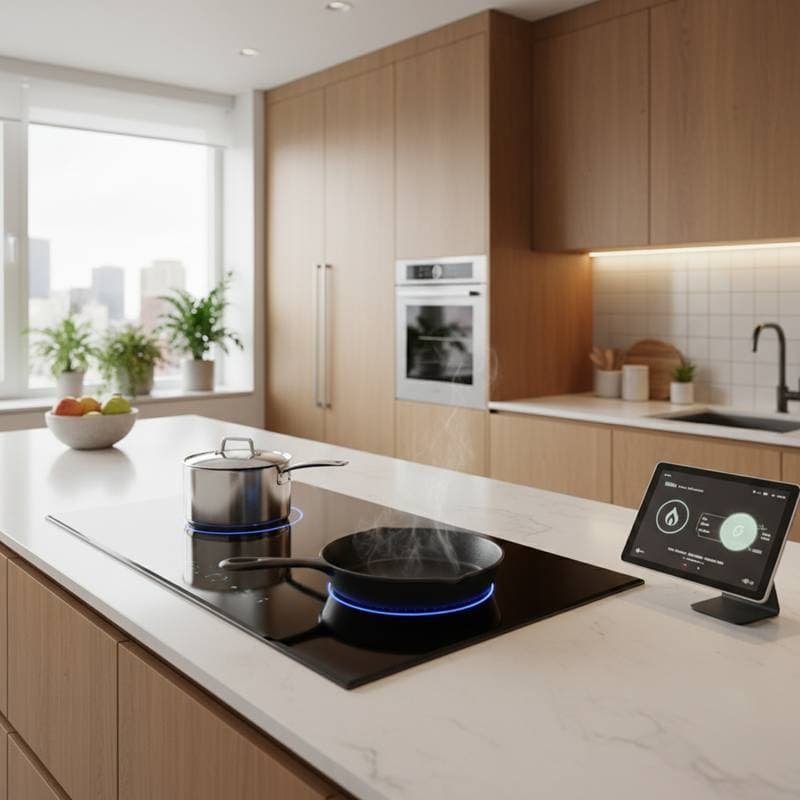
Contemporary induction units incorporate intelligent controls for added convenience and security. Integration with mobile applications allows remote monitoring of temperatures, control locking, and timer settings. Certain models link to recipe databases or AI assistants that modulate heat according to specific recipes.
Common smart features include:
- Auto-pan detection: The zone engages only upon detecting suitable cookware.
- Temperature sensors: These ensure steady heat for sensitive preparations like sauces or chocolate melting.
- Child lock and auto shutoff: Such mechanisms bolster household safety.
- Connectivity integration: Compatibility with smart home ecosystems enables energy usage tracking.
These enhancements elevate the price but deliver accuracy and reassurance. In demanding schedules, remote management from afar averts overcooking and conserves energy.
Realistic Maintenance and Longevity
Induction cooktops require minimal upkeep. Spills wipe away effortlessly without burning, using a soft cloth and gentle cleaner. Refrain from abrasive tools to prevent glass scratches.
Electronic components or power boards occasionally fail after years of service and may require replacement. Extended warranties, priced at $100 to $200, often cover these parts. Maintain clear ventilation beneath the unit to avoid overheating.
Without gas lines or flames, surrounding areas experience less degradation, and cabinetry remains pristine. Proper maintenance ensures an induction unit endures as long as or beyond traditional ranges.
Environmental and Health Considerations
Gas stoves emit carbon dioxide and trace nitrogen dioxide, potentially affecting indoor air. Induction avoids combustion, generating no indoor emissions. This shift supports low-emission lifestyles meaningfully.
The subdued heat output also lessens reliance on air conditioning. Kitchens maintain comfort during extended sessions, as minimal warmth dissipates into the space.
Paired with renewable electricity, induction approaches carbon neutrality in routine use.
Common Concerns and How to Address Them
Potential adopters sometimes delay due to myths or obsolete details. The following addresses prevalent issues.
“I will have to replace all my pans.”
Many stainless steel or cast iron items function adequately. Verify compatibility by testing with a magnet.
“The surface looks fragile.”
Toughened ceramic glass withstands heavy pots. Exercise care to avoid impacts or dragging rough bases.
“Cooking feels less intuitive without a flame.”
Visual adaptation takes a short period, but precise controls soon offset the absence of flame indicators.
“Power outages will leave me unable to cook.”
This applies to all electric devices. In outage-prone areas, prepare with a portable gas option or generator-compatible unit.
Estimating Return on Investment
Savings vary by local rates and cooking frequency. Daily meal preparation in an average home might yield $50 to $100 annually when transitioning from electric coils to induction. Cumulative benefits over the appliance's life total several hundred dollars, plus gains in safety, ease, and upkeep.
During kitchen renovations, induction boosts property appeal. Modern buyers favor efficient features, and agents note quicker sales for such homes.
Implementing Your Induction Upgrade
Those prioritizing speed, accuracy, and efficiency find induction zones ideal. Assess existing equipment and finances first. Select a portable model, built-in cooktop, or integrated range based on requirements, while confirming cookware suitability and electrical capacity.
Post-installation, familiarize yourself with controls. Leverage rapid response for searing, simmering, or precise melting. Routine cleaning and ventilation sustain peak performance for years.
Induction advances practical energy management in cooking. By targeting heat to cookware alone, it conserves resources, mitigates hazards, and streamlines routines. From partial updates to comprehensive overhauls, induction delivers enduring value in comfort and sustainability.