Understanding Induction Cooking: The Science Behind the Speed
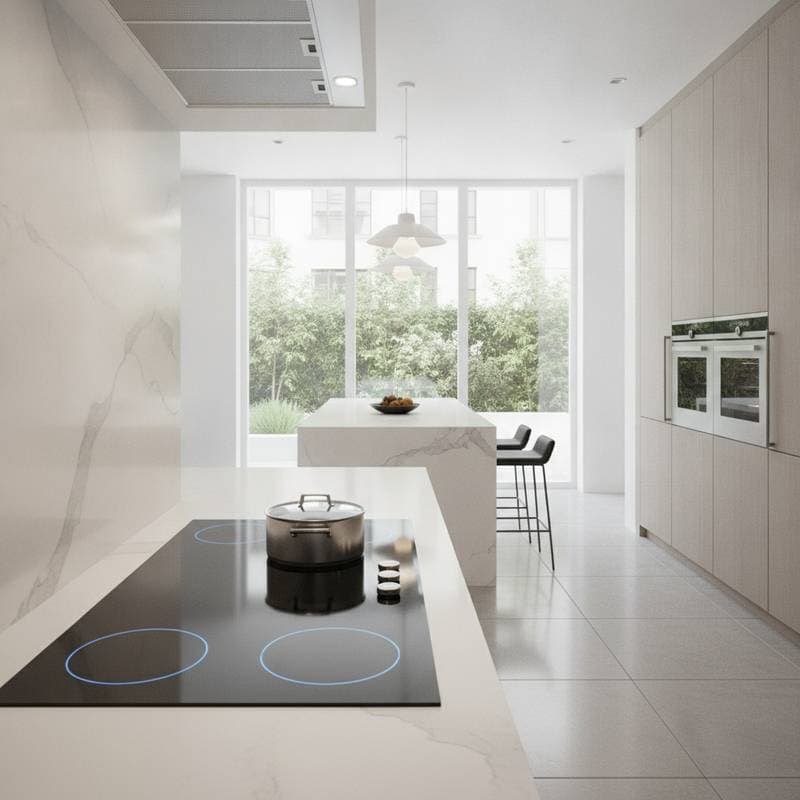
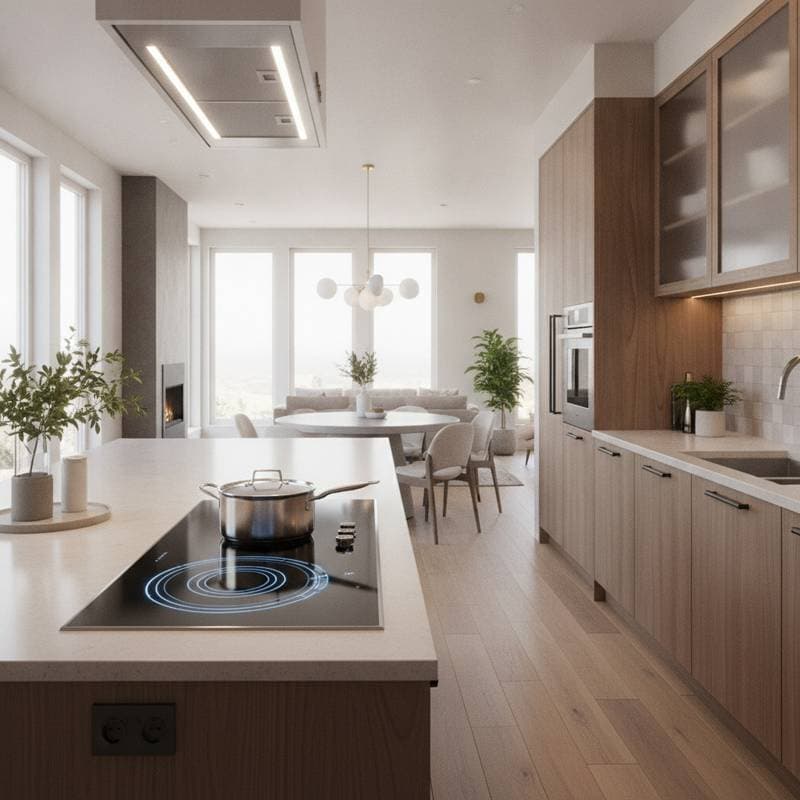
Imagine entering your kitchen and placing a pan on the cooktop, where it begins heating almost immediately. No open flame appears, no gas odor lingers, and no excess heat fills the room. Homeowners increasingly select induction cooktops over traditional gas ranges for this responsive, efficient performance. This technology provides a modern cooking experience that combines innovation with everyday practicality.
Induction cooktops use electromagnetic fields to generate heat directly within compatible cookware. An alternating current passes through a coil beneath the surface, creating a magnetic field that induces electrical currents in the pan's base. These currents produce heat through resistance, bypassing the need to warm the cooktop itself. As a result, induction heats up to twice as fast as gas stoves, which rely on combustion to transfer heat from a flame to the pan.
Gas stoves lose efficiency because much of the heat escapes upward or sideways, requiring time for the pan to absorb sufficient energy. In contrast, induction delivers nearly 90 percent of its energy to the food, compared to gas's 40 percent. This direct heating method not only accelerates boil times—for instance, bringing water to a boil in half the time—but also allows precise temperature control, minimizing hot spots and overcooking risks.
The Rise of Gas-Free Kitchens
Municipalities nationwide promote or mandate all-electric designs in new constructions. Builders incorporate induction ranges, electric heat pumps, and integrated energy management systems into these projects. Even in areas with established gas infrastructure, residents recognize the advantages of electric alternatives.
From a building perspective, forgoing gas lines streamlines installation and reduces complexity in new developments and renovations. No venting systems or carbon monoxide detectors linked to cooking become necessary. Electric setups integrate seamlessly with solar arrays and battery storage, advancing toward energy-independent homes.
For those undertaking renovations, adopting induction represents a forward-thinking choice. It appeals to environmentally aware buyers, enhances property appeal, and cuts ongoing maintenance expenses associated with gas systems.
How Induction Compares to Gas in Performance and Efficiency
Beyond speed, induction excels in safety and convenience. Open flames from gas pose burn and ignition hazards, while induction surfaces remain cool to the touch outside the pan's contact area. Cleaning proves simpler, as spills do not bake onto a hot surface.
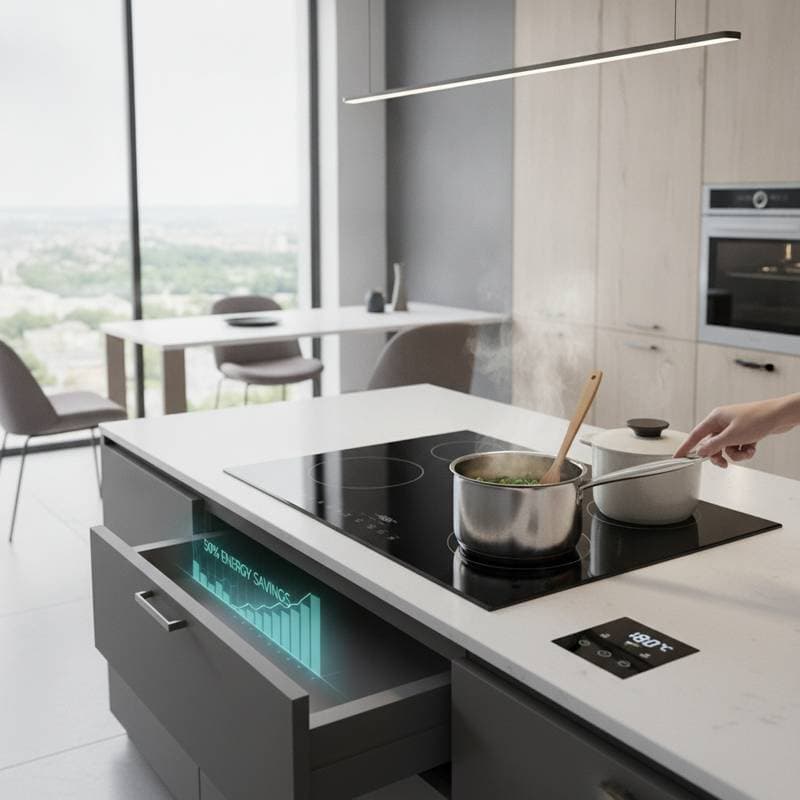
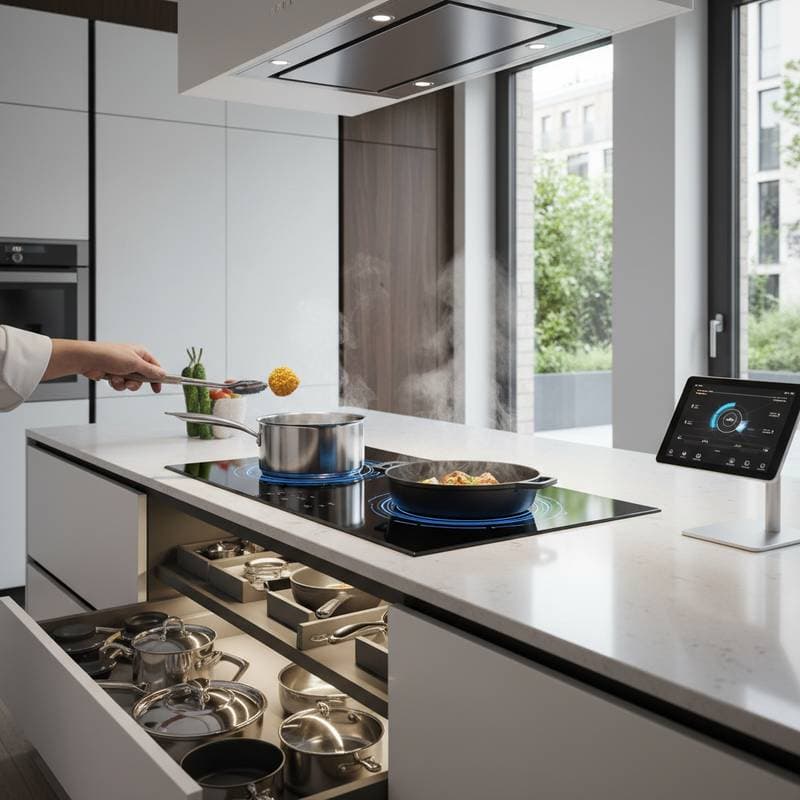
Energy costs favor induction in many regions, especially with rising natural gas prices and incentives for electric upgrades. A typical induction cooktop consumes less power overall due to its efficiency, potentially lowering utility bills by 10 to 20 percent for frequent cooks. Additionally, induction supports smart features like app-based controls and automatic shutoff, enhancing usability.
While initial costs exceed those of basic gas models, long-term savings and rebates—often available through utility programs or government initiatives—offset the difference. Premium induction units range from $1,000 to $3,000, but their durability and performance justify the investment.
Step-by-Step Guide to Switching from Gas to Induction
Transitioning requires planning, but the process yields immediate benefits. Follow these steps for a smooth upgrade.
1. Evaluate Your Home's Electrical System
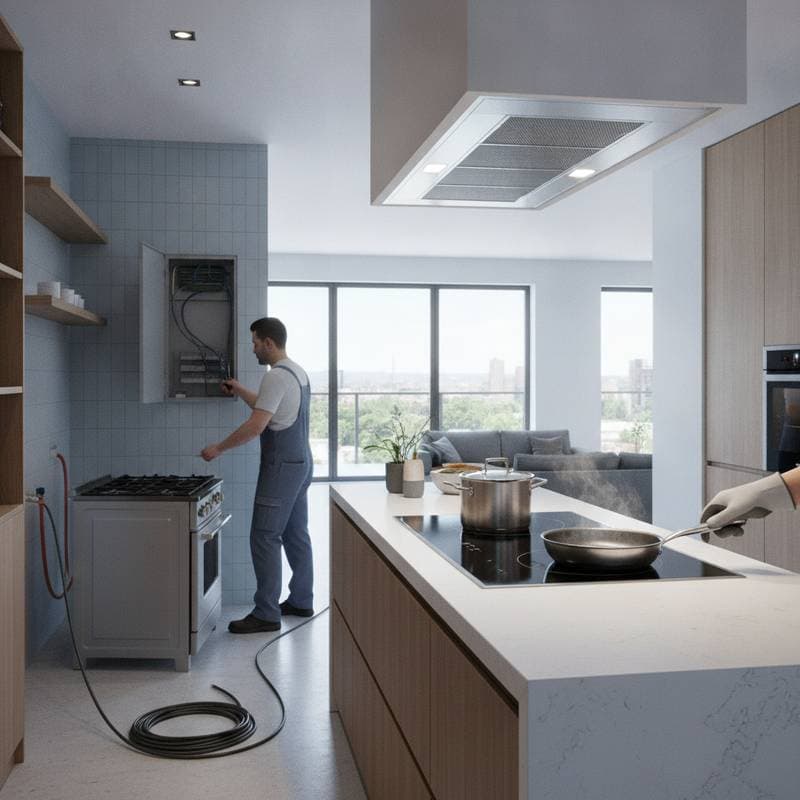
Induction appliances demand a 240-volt dedicated circuit. Inspect your electrical panel for available capacity, or consult a licensed electrician. In older residences, a full service panel upgrade might cost between $1,500 and $3,000, depending on local labor rates and existing wiring.
2. Select the Appropriate Induction Model
Consider whether a cooktop or a complete range suits your space. Cooktops provide customization options, allowing integration with separate ovens for tailored kitchen layouts. Full ranges occupy standard footprints, simplifying replacement of gas units without major alterations.
Look for models with at least four burners, variable power levels, and compatibility with your preferred cookware. Brands offering bridge zones—for larger pans—or boost functions for rapid heating add versatility.
3. Ensure Adequate Ventilation
Induction eliminates combustion byproducts, but cooking generates vapors, fats, and aromas. Retain or install a range hood with a minimum 300 cubic feet per minute airflow rating. Downdraft vents work well in island setups, pulling contaminants directly downward.
4. Verify and Upgrade Cookware
Induction requires ferromagnetic materials, such as cast iron or magnetic stainless steel. Test existing pans with a magnet; if it adheres to the base, the item works. Non-compatible pieces, like pure aluminum or glass, need replacement—budget $200 to $400 for a basic set of essentials.
5. Safely Disconnect Gas Infrastructure
Engage a certified plumber or HVAC professional to cap the gas line and verify no leaks remain. This step demands adherence to building codes, potentially including permit applications. Costs typically range from $300 to $800, ensuring compliance and safety.
Everyday Benefits of an All-Electric Kitchen
After installation, the differences become evident. Induction operates silently, distributing heat uniformly for consistent results in simmering sauces or searing meats. Ambient kitchen temperatures stay lower, easing summer meal preparation and easing the load on cooling systems.
Safety improves markedly without pilot lights or pressurized gas lines, reducing explosion or poisoning risks. Air quality enhances, as no nitrogen oxides or particulates from burning gas enter the home—beneficial for families with respiratory concerns.
Maintenance simplifies: wipe the smooth glass surface after use, and enjoy appliances built for longevity, often backed by 10-year warranties on heating elements.
Realizing the Upgrade: Next Steps for Your Kitchen
If a renovation looms or your gas stove nears the end of its life, evaluate induction now. Begin with an electrical assessment, establish a budget that includes potential rebates, and experiment with your cookware on a demonstration unit at a showroom.
Embracing a gas-free kitchen extends beyond current trends. It fosters a healthier living space, bolsters energy resilience, and elevates your home's market value through sustainable design.