Induction Cooktops: Moving Beyond Gas for Intelligent Kitchen Design
In my experience remodeling numerous kitchens as a contractor, homeowners increasingly prioritize induction cooking over conventional gas ranges. Gas appliances once dominated due to their familiar flame and perceived control, yet preferences evolve toward induction for its superior safety, operational efficiency, and lasting advantages. This transition extends beyond mere convenience; it addresses practical concerns in design, health, and sustainability.
Reasons Gas Ranges Are Losing Favor
Gas stoves have provided reliable service for generations, yet they introduce significant drawbacks. Open flames emit carbon monoxide and nitrogen dioxide, which accumulate in well-sealed, energy-efficient residences and compromise indoor air quality. During remodels, clients often report persistent cooking smells, headaches, or inadequate airflow, tracing these issues back to their gas equipment.
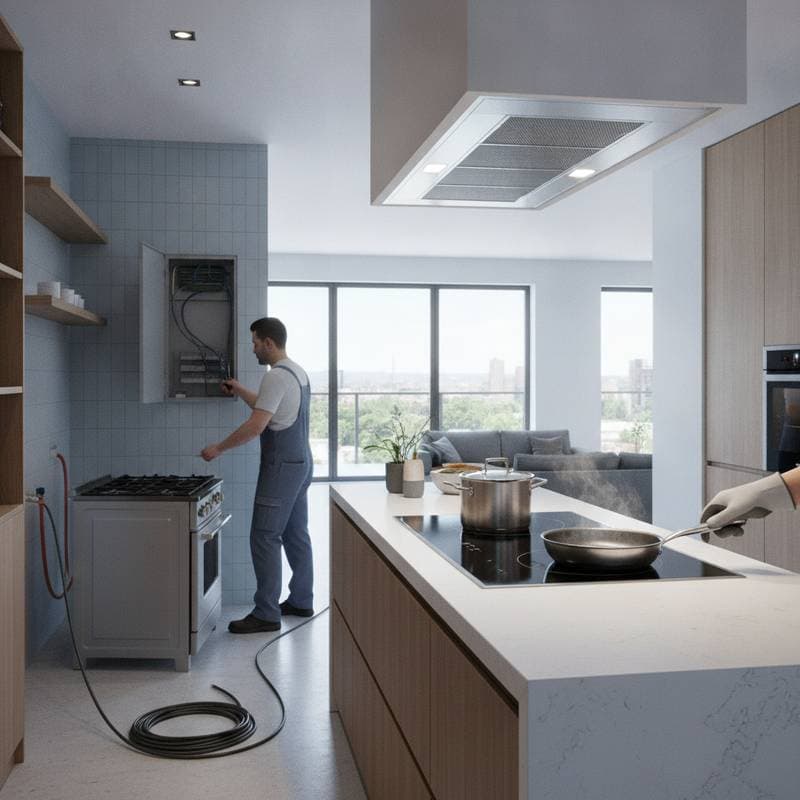
Installation challenges further diminish gas's appeal. Extending or adding a gas line in older properties or apartment buildings frequently escalates project expenses by several thousand dollars. Moreover, as municipalities impose restrictions on new gas hookups, owners risk investing in systems that become obsolete under evolving regulations.
The Mechanics of Induction Cooking
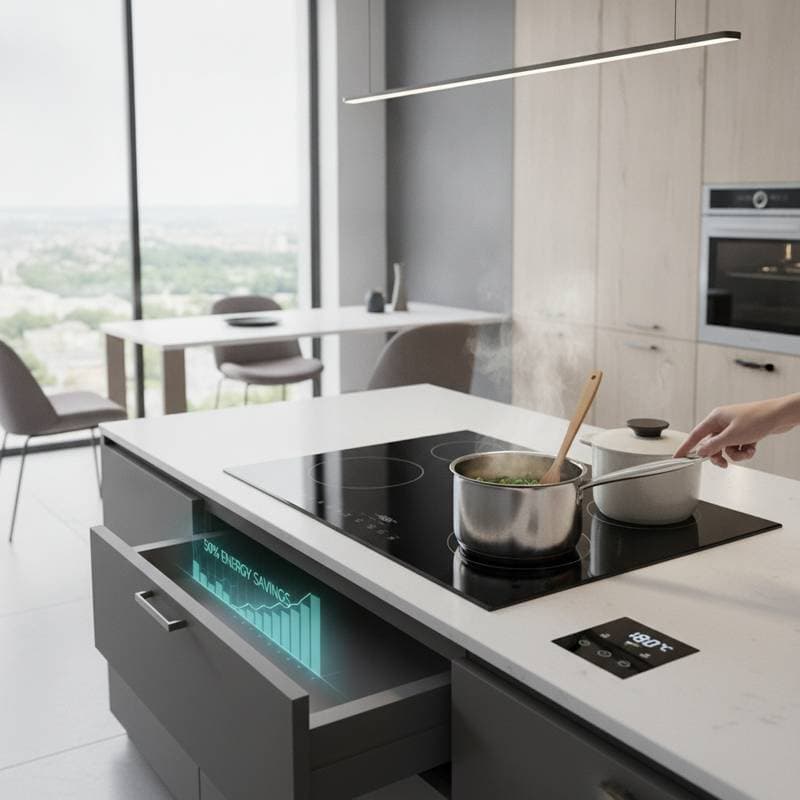
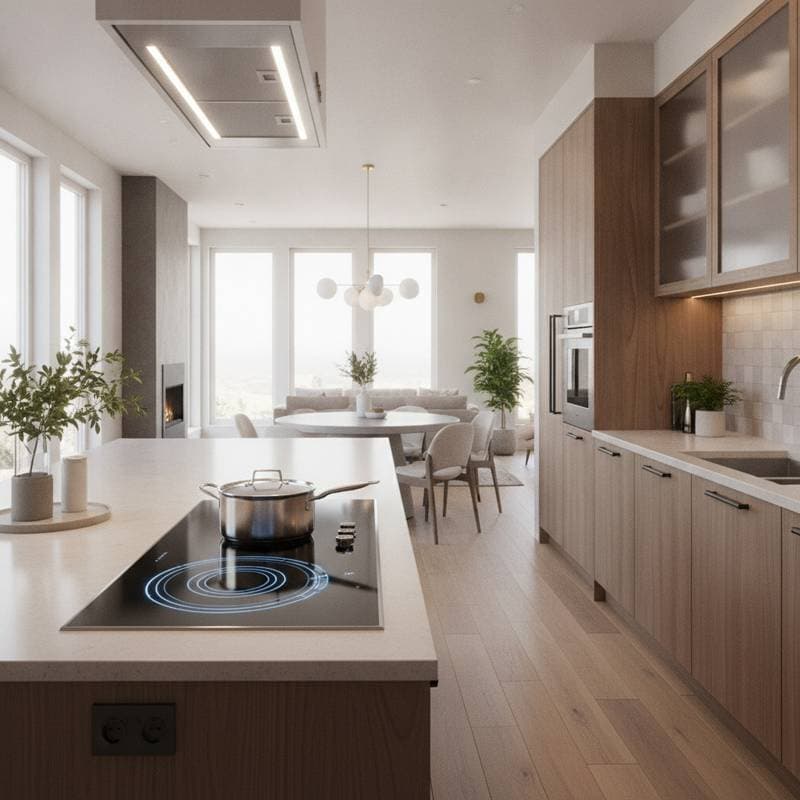
Induction technology employs electromagnetic fields to generate heat within compatible cookware, bypassing the need for flames or heated surfaces. The cookware serves as the direct heat source, enabling exact temperature adjustments. Removing the pan halts heating instantly, preventing residual warmth.
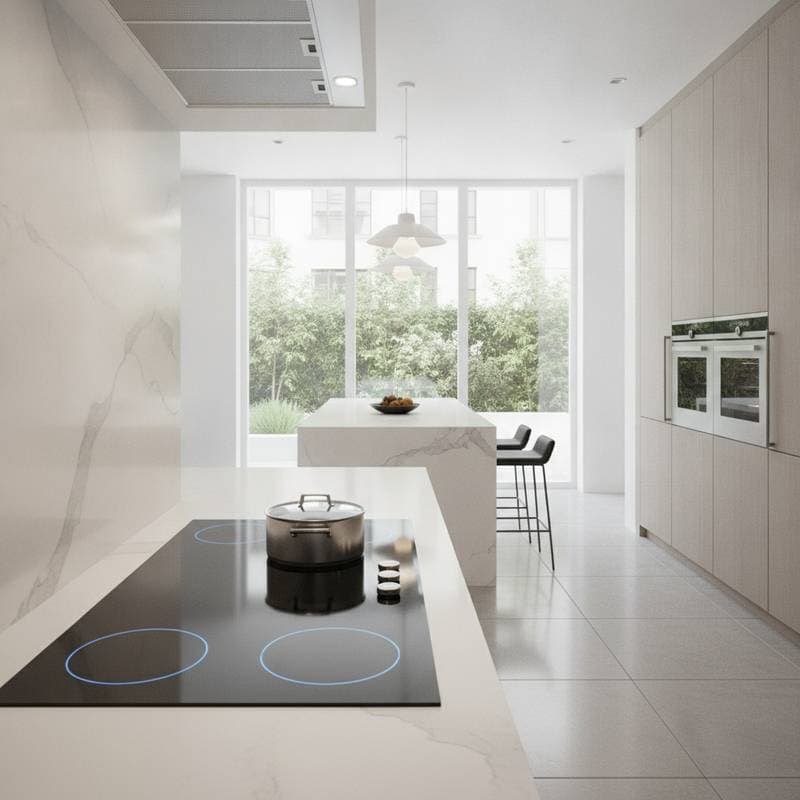
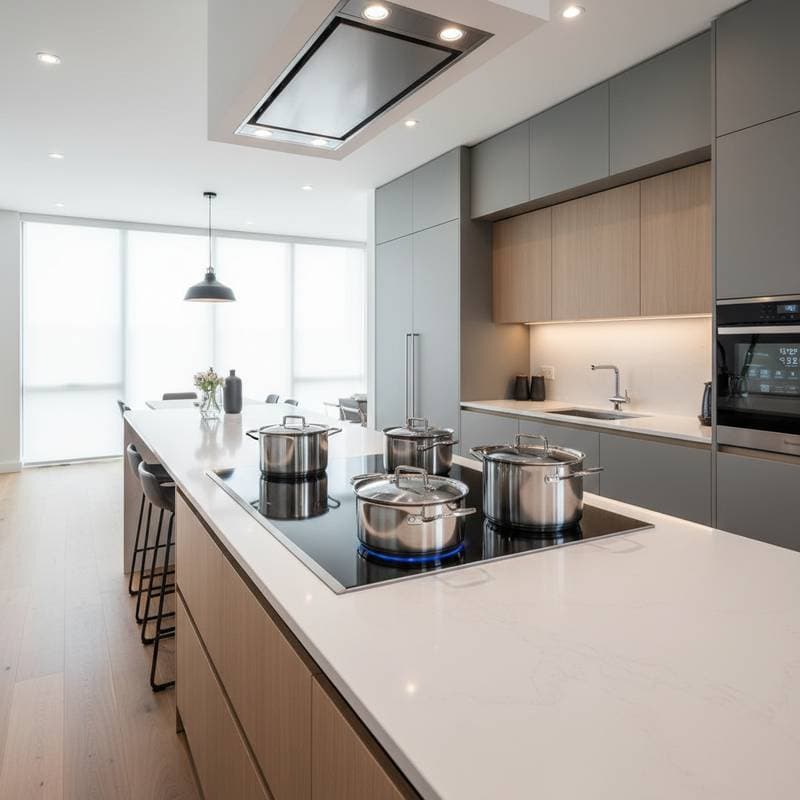
This functionality influences kitchen layouts significantly from a professional perspective. Installers integrate induction units flush into durable materials like quartz or granite, achieving a streamlined appearance. Certain models feature customizable zones, allowing users to adapt the cooktop for various vessel sizes or consolidate space for oversized cookware.
Enhanced Safety Features
Open flames on gas stoves pose inherent hazards, particularly in households with young children who might accidentally activate a burner. Induction mitigates these dangers entirely. The cooktop remains at ambient temperature except beneath the cookware, minimizing burn risks and eliminating fire threats from unattended boiling liquids.
One client shared their relief after adopting induction following a minor grease incident with their prior gas setup. They noted the rapid boiling times and effortless maintenance, free from grimy grates or prolonged cooldown periods. Such improvements foster greater confidence and ease in daily meal preparation.
Long-Term Efficiency and Financial Benefits
A common misconception holds that electric cooking exceeds gas in expense, but induction inverts this dynamic. It transfers almost 90 percent of energy straight to the food, unlike gas where substantial heat dissipates into the surrounding environment, inflating air conditioning demands during warmer months and overall consumption annually.
Budget analyses reveal converging initial costs between premium gas models and reliable induction options. Although upfront investment may slightly favor gas, induction yields returns through diminished energy bills, scaled-back exhaust systems, and minimal upkeep requirements.
Essential Electrical Planning
Transitioning to induction necessitates careful electrical assessment. These units demand higher amperage, often requiring a dedicated 40- to 50-amp circuit and potential service panel enhancements. Homeowners err by selecting advanced models without verifying infrastructure compatibility, leading to disruptions.
Engage a certified electrician to inspect panel capacity prior to purchase. In typical residences, circuit additions prove manageable, though antiquated wiring or overloaded systems may demand more extensive work. Time electrical modifications during remodels when access to conduits remains unobstructed.
Improving Air Quality and Meeting Regulations
Urban areas nationwide intensify oversight on indoor pollutants, placing gas appliances under heightened examination. Even where gas remains permissible, enhanced exhaust mandates may necessitate oversized hoods, robust blowers, and elevated setup fees.
Induction sidesteps these burdens with modest ventilation needs. Basic venting suffices for vapor extraction, permitting smaller ducts, cost reductions, and purer ambient air. In several projects, this adjustment liberated storage areas and quieted operational sounds.
Selecting Optimal Induction Equipment
Induction solutions vary widely to suit diverse needs. Options include integrated cooktops, standalone ranges, or plug-in portable burners for standard outlets. Dedicated enthusiasts benefit from zoned built-ins that rearrange flexibly across surfaces.
Prioritize units with transparent wattage specifications, intuitive digital interfaces, and smooth glass tops for hygiene. Select versatile models compatible with standard magnetic-bottomed pots, backed by reputable manufacturers offering robust warranties and accessible repairs.
Collaborating Effectively with Professionals
Discuss induction integration at the outset of any kitchen overhaul with your contractor. It impacts surface configurations, wiring strategies, and enclosure dimensions. Skilled teams synchronize efforts among electricians and vendors to guarantee seamless compatibility.
Request detailed schematics for power demands and device parameters. Insist on secured permits for electrical alterations and thorough inspections upon completion. Such diligence averts intermittent power failures or appliance strain.
Easing the Switch for Everyday Users
Those accustomed to gas may require brief adaptation to induction's nuances. Acquire ferromagnetic pots, an affordable upgrade; cast iron and select stainless varieties perform excellently, while non-magnetic options like pure aluminum demand specialized bases.
Realizing Enduring Comfort and Worth
Induction elevates kitchen functionality with intuitive operation and reduced hazards, aligning with health-conscious lifestyles. Over time, it lowers operational costs and adapts to regulatory shifts, ensuring your space remains viable and enjoyable for years ahead.