Switching to Induction: The 2026 Kitchen Remodel Trend
If you are planning a kitchen remodel, you have probably noticed a growing shift away from gas appliances. More homeowners are choosing induction cooking, and this trend is accelerating quickly. The move toward electric kitchens stems from safety standards, energy efficiency goals, and changing building codes that favor cleaner technology.
This change requires more than swapping a stove. It affects electrical systems, ventilation, cabinetry, and cookware. Homeowners who plan early save thousands and avoid last minute surprises.
Reasons Homeowners Leave Gas Behind
Gas ranges have long appealed to home cooks for their responsiveness and visual control. Many cities and counties now phase out new gas hookups in residential construction. Even where gas remains allowed, homeowners select induction for its safety and performance benefits.
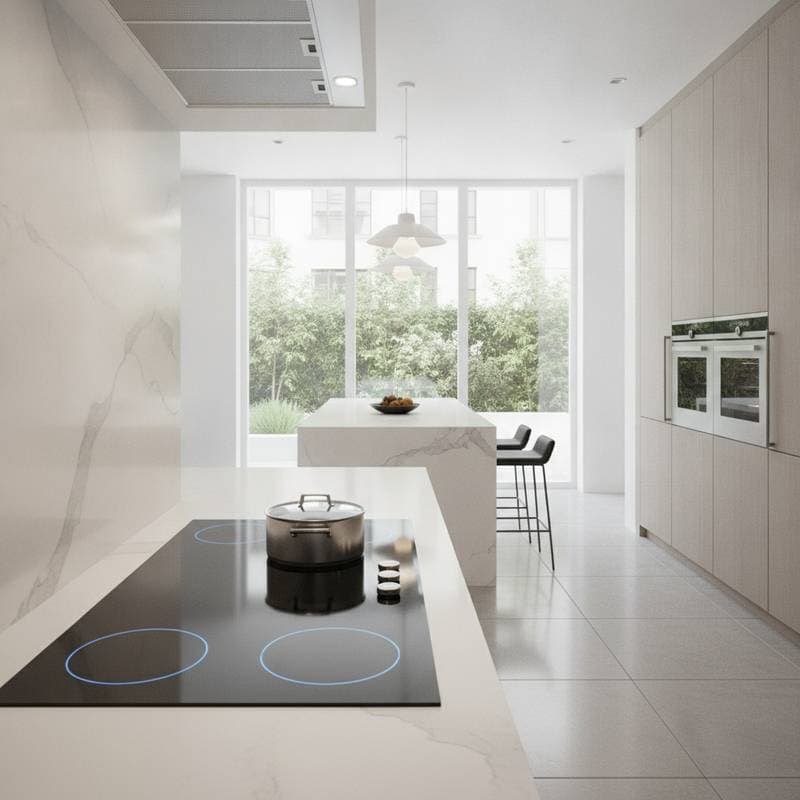
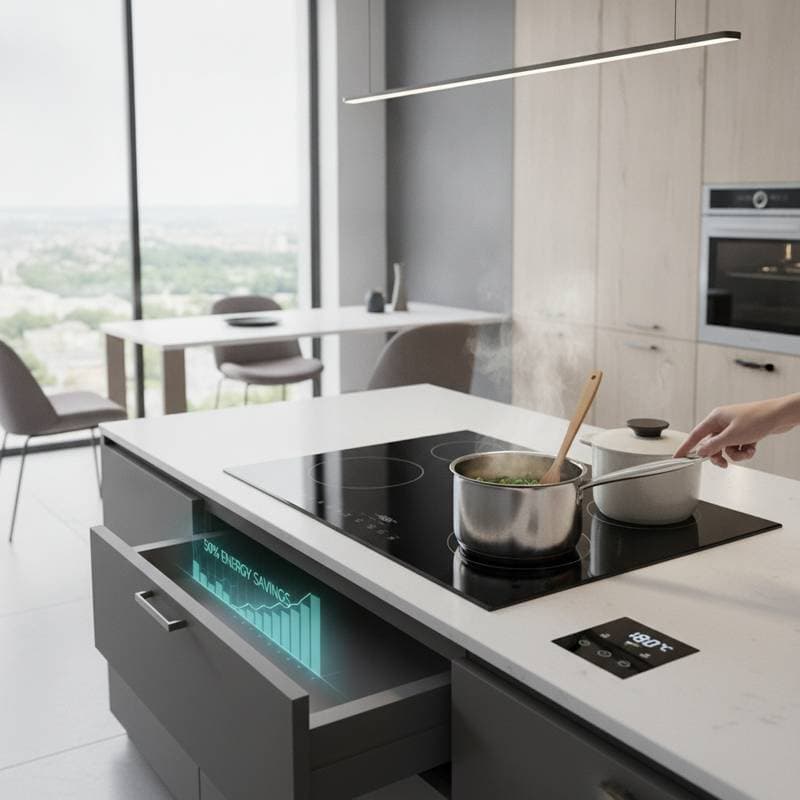
Induction cooking uses electromagnetic fields to heat pots directly. This produces faster boil times, precise temperature control, and no wasted heat. The surface stays cool to the touch with no open flames or gas emissions. For households with children or elderly members, this safety improvement alone justifies the switch.
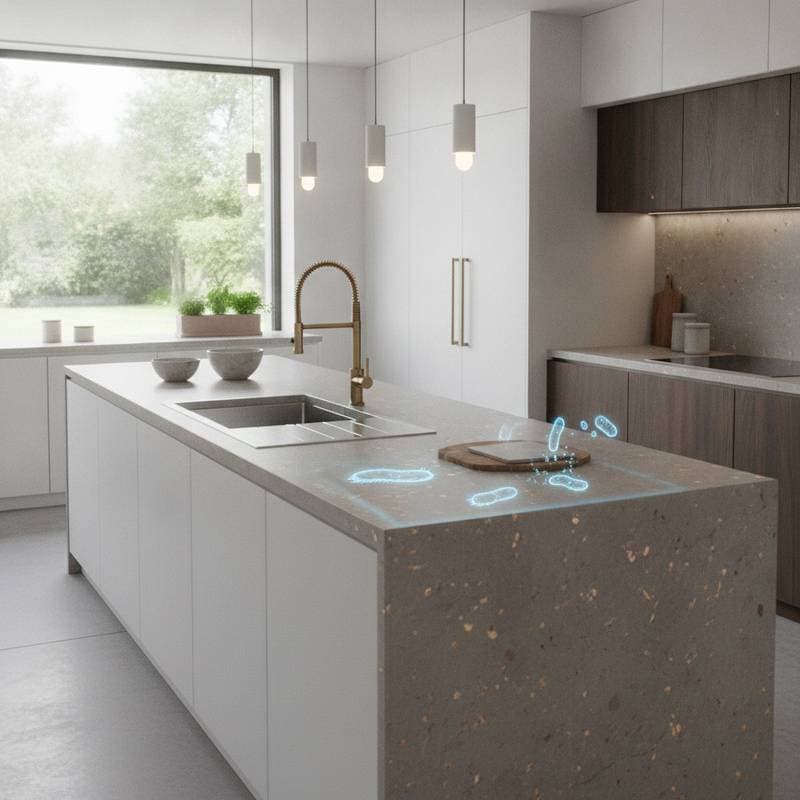
Clients who switch notice two immediate benefits. Their kitchen stays cooler during cooking, and cleanup becomes easier since spills do not bake onto the glass top. Once they adjust to new cookware requirements, most never return to gas.
Steps to Convert to Induction
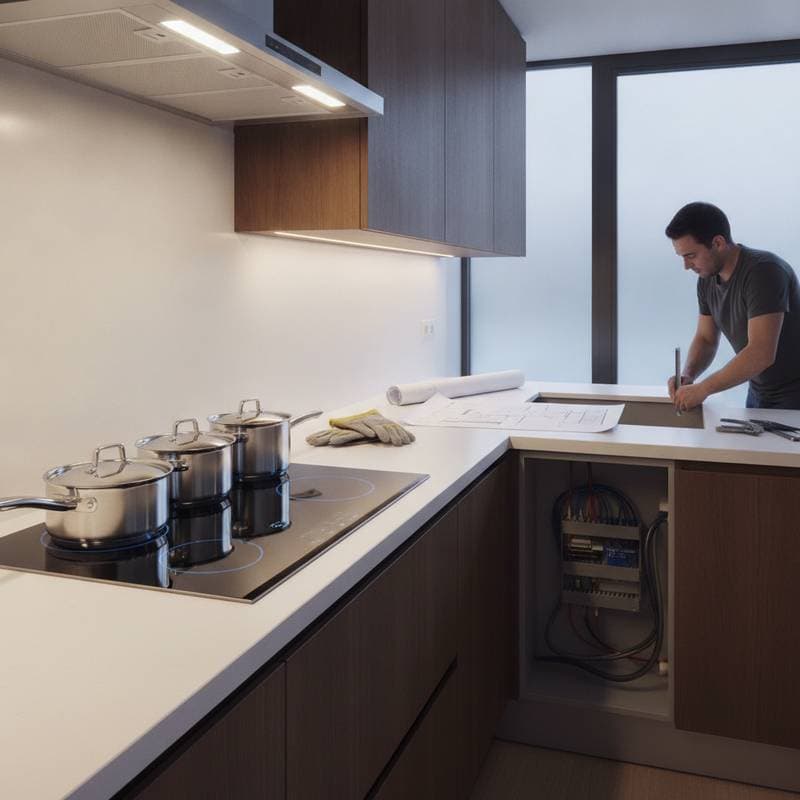
Converting from gas to induction demands preparation. The electrical system must handle higher power demand. Most induction ranges require a dedicated 240 volt circuit rated at 40 or 50 amps. Older homes with 100 amp service panels often need upgrades for a full electric kitchen.
-
Electrical Assessment
Before ordering appliances, have a licensed electrician inspect your service panel. Adding an induction range, wall oven, and possibly an electric water heater may require a 200 amp upgrade if the existing panel cannot carry the load safely. -
Permit and Code Compliance
Jurisdictions handle electrical modifications differently. Some require separate permits for panel upgrades and appliance circuits. Skipping permits can create issues during home sales or insurance claims. -
Cookware Compatibility
Induction works only with magnetic cookware. Stainless steel and cast iron usually perform well, while aluminum, copper, and glass do not. A simple magnet test identifies what you can keep. Many clients budget several hundred dollars to replace incompatible items. -
Ventilation Adjustments
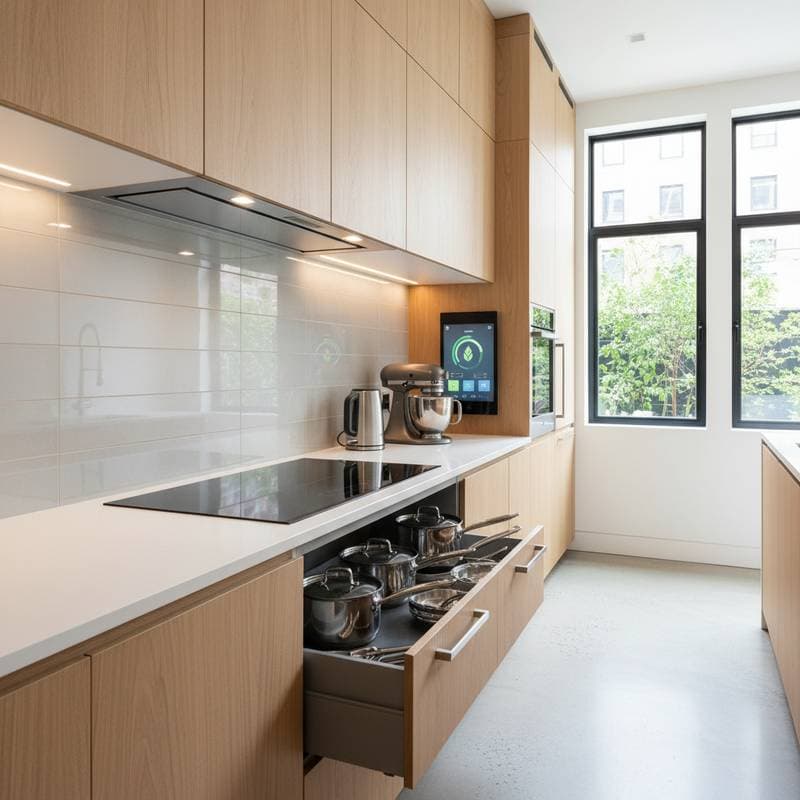
Induction produces less heat and no combustion gases, so ventilation needs may decrease. A quality range hood remains essential for removing steam, grease, and odors. Some homeowners select smaller or quieter hoods without losing performance.
Pitfalls to Avoid During Conversion
The largest error occurs when homeowners wait until appliance delivery to address electrical upgrades. This delay can stall projects for weeks. Another frequent issue involves underestimating panel upgrade costs, which range from several hundred to several thousand dollars depending on layout and wiring. Obtain at least two quotes before starting.
Some assume any induction range will fit existing space. While most slide in models match standard widths, depth can vary. Confirm measurements with both your cabinet installer and appliance supplier before final orders.
Planning Your Induction Kitchen
If you consider induction for your remodel, begin planning early. Coordinate your electrician, appliance supplier, and contractor during the design phase. Decide between a full electric kitchen or a hybrid setup with a gas oven and induction cooktop to prevent design changes during construction.
Lower energy use, cleaner air, and improved safety often offset the investment over time. Gas may feel familiar, yet the convenience and precision of induction become clear after firsthand experience.
Caring for Your New Cooktop
After installation, treat the induction surface with care. Avoid dragging heavy cookware across it and select pieces with smooth, flat bottoms. Keep the surface clean to prevent scratches. Extended warranties from manufacturers prove worthwhile for high end models.
The shift to induction reflects a lasting change in kitchen design and power use.