Introduction to Induction in Kitchen Retrofits
Kitchen retrofits present opportunities to modernize living spaces while addressing outdated infrastructure. Traditional gas cooktops, once standard, now face challenges related to installation complexity and energy use. Induction cooktops emerge as a compelling alternative, providing precision and efficiency that align with current homeowner priorities.
These appliances utilize electromagnetic fields to heat cookware directly, eliminating the need for open flames or gas connections. Homeowners undertaking retrofits benefit from reduced renovation timelines and minimized disruptions. As building codes evolve toward sustainability, induction aligns with broader trends in energy conservation.
Key Advantages of Induction Over Gas
Induction cooktops offer distinct benefits that surpass gas systems in several critical areas. First, energy efficiency stands out prominently. Unlike gas, which loses heat to the surrounding air, induction transfers energy solely to the pot or pan, achieving up to 90 percent efficiency compared to gas's 40 percent.
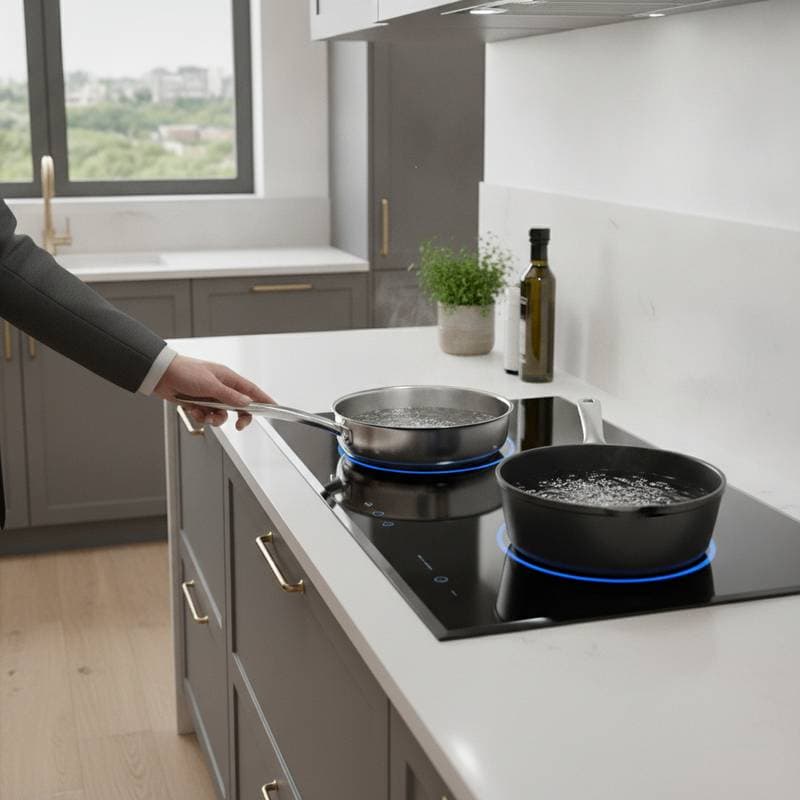
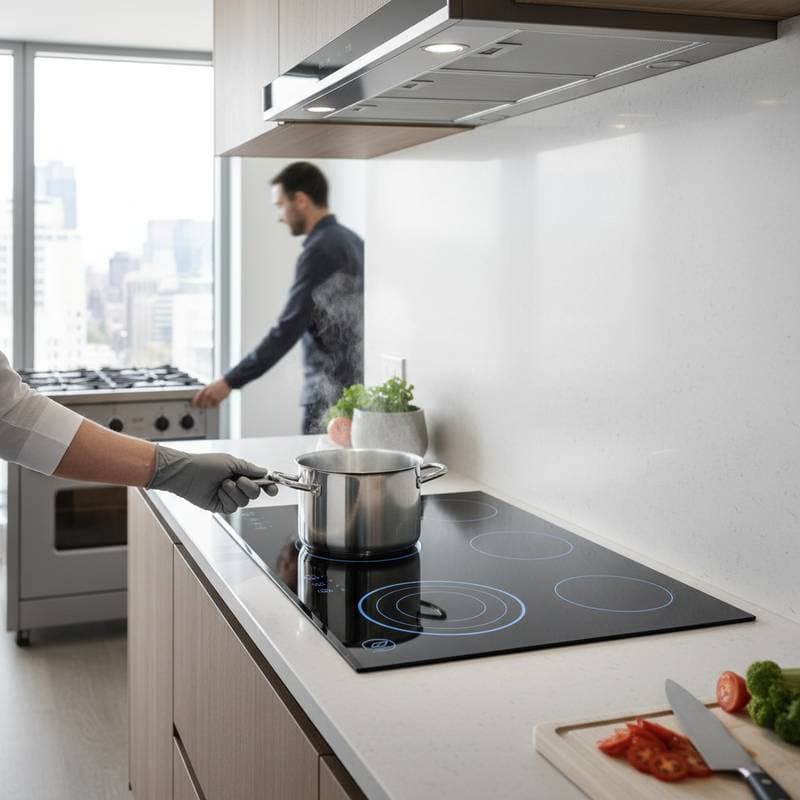
This efficiency translates to lower energy consumption and reduced utility expenses over time. Homeowners report noticeable savings on electricity bills, particularly in frequent cooking households. Additionally, induction responds instantly to temperature adjustments, boiling water in half the time of gas setups.
Safety represents another significant edge. Induction surfaces remain cool to the touch outside the cookware area, preventing accidental burns. Without gas leaks or ignition sources, the risk of fires diminishes substantially. Parents and pet owners appreciate this feature in busy family kitchens.
Design and Aesthetic Integration
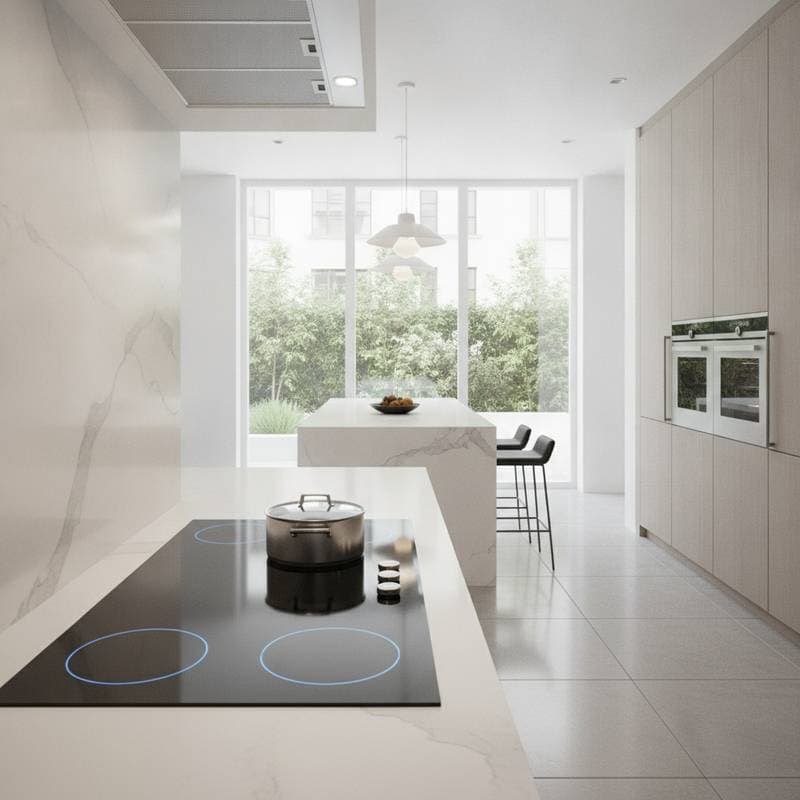
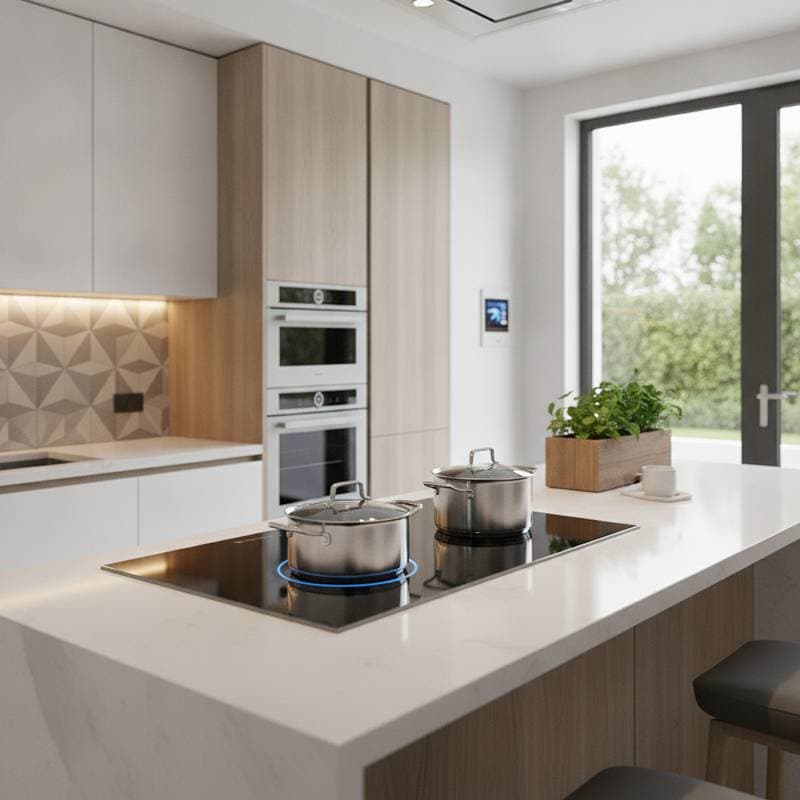
Aesthetic appeal plays a vital role in retrofit decisions. Induction cooktops feature sleek, flush-mounted surfaces that blend seamlessly with contemporary countertops. Materials like glass-ceramic provide a modern look, available in various sizes to fit standard or custom layouts.
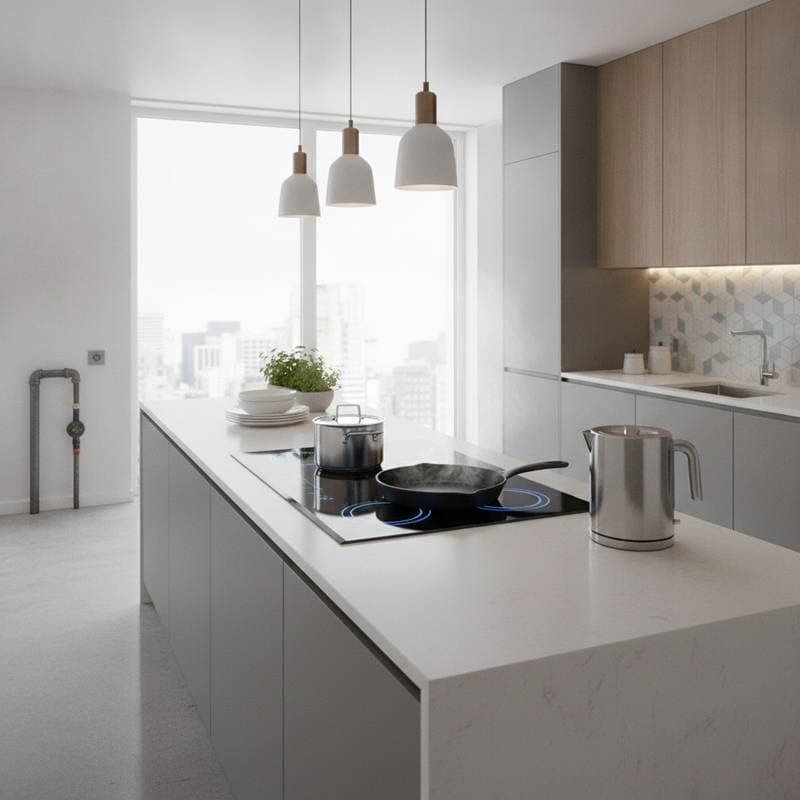
Gas cooktops often require visible burners and grates, which can disrupt clean lines. Induction eliminates these elements, allowing for minimalist designs that enhance overall kitchen elegance. Flexible zoning options enable multiple pots to heat simultaneously without fixed burner positions, accommodating diverse cooking styles.
Installation flexibility further supports design goals. Induction units connect to standard electrical outlets in most cases, avoiding the need for gas line modifications. This adaptability suits urban apartments or older homes where gas infrastructure proves challenging or costly to install.
Ease of Installation and Cost Considerations
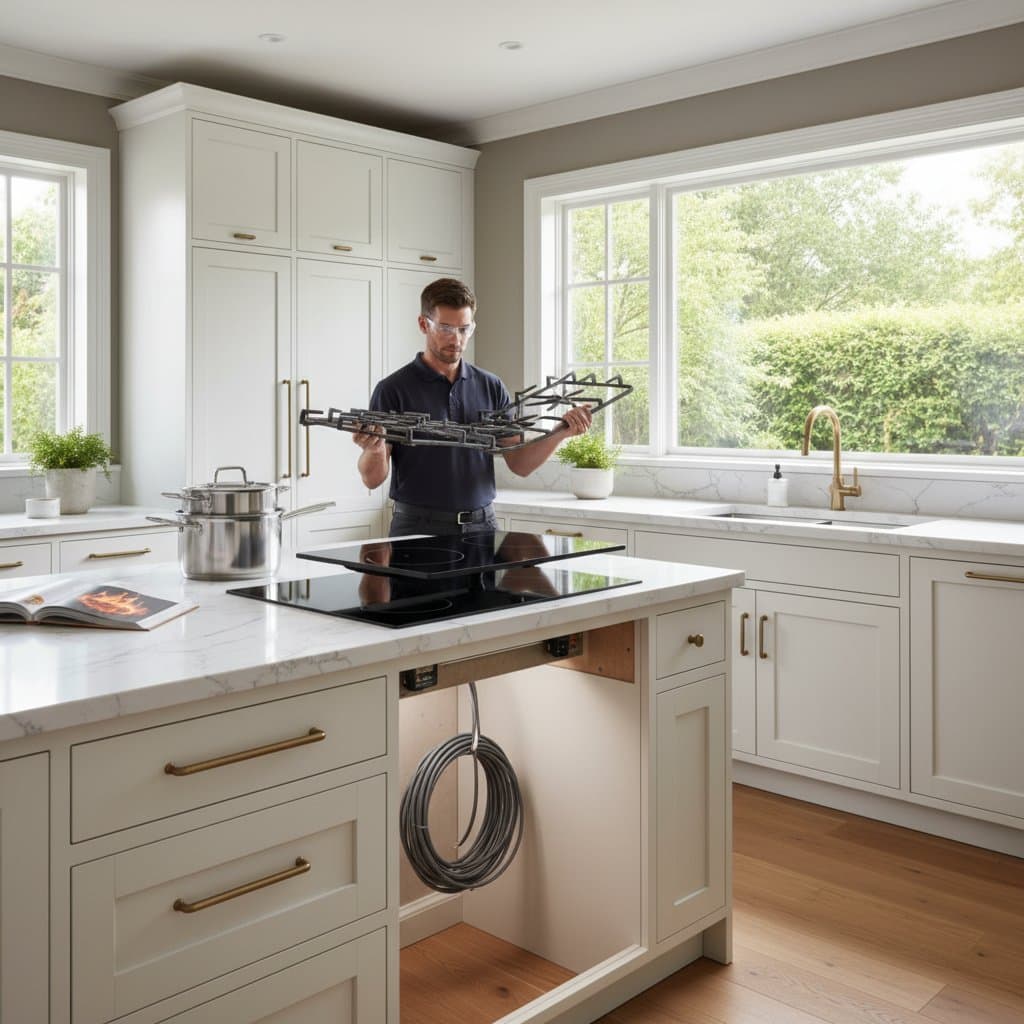
Retrofit projects demand practical solutions that balance time and budget. Gas cooktop installations involve professional plumbers to handle piping, ventilation, and safety checks, often extending project durations by days or weeks. Induction setups, by contrast, typically require only electricians for wiring adjustments.
Many models plug into existing 240-volt circuits, enabling completion within hours. This speed reduces labor costs and allows homeowners to resume normal routines sooner. Initial purchase prices for induction units may equal or slightly exceed gas counterparts, but long-term savings on energy and maintenance offset this difference.
Maintenance proves simpler with induction. Surfaces wipe clean effortlessly, resisting spills and stains better than gas grates. Without gas components, there are fewer parts prone to wear or corrosion, leading to extended appliance lifespan.
Environmental and Health Benefits
Sustainability drives many retrofit choices today. Induction cooktops produce no combustion byproducts, contributing to improved indoor air quality. Gas cooking releases pollutants like nitrogen dioxide, which can affect respiratory health, especially in poorly ventilated spaces.
By relying on electricity, induction supports integration with renewable sources such as solar panels. This alignment reduces a household's carbon footprint, appealing to environmentally conscious consumers. Local regulations increasingly favor electric appliances, potentially qualifying retrofits for incentives or rebates.
Health considerations extend to ease of use. Precise controls prevent overcooking, preserving nutrients in food. The cool surface minimizes oil splatter risks, creating a safer cooking environment overall.
Steps for a Successful Induction Retrofit
Embarking on an induction retrofit begins with assessing your kitchen's electrical capacity. Consult a licensed electrician to verify if your setup supports the required amperage, typically 40 amps for a full-sized unit. Upgrades, if needed, involve straightforward panel modifications.
Next, select a cooktop that matches your cooking habits. Consider burner configurations: four-zone models suit families, while two-zone portable units work for smaller spaces. Measure counter space accurately to ensure a proper fit, accounting for ventilation requirements.
Professional installation ensures compliance with codes. Position the unit near existing outlets to minimize wiring runs. Test all functions post-installation, including auto-shutoff features and compatibility with magnetic cookware.
- Evaluate electrical infrastructure.
- Choose the appropriate model based on size and features.
- Schedule installation with certified professionals.
- Update cookware to ferromagnetic materials if necessary.
- Integrate smart home controls for added convenience.
Embracing Induction for Lasting Home Value
Induction cooktops elevate kitchen functionality while future-proofing homes against rising energy demands. The combination of efficiency, safety, and style not only enhances daily life but also boosts property appeal in competitive markets. Homeowners who invest in this technology enjoy immediate practical gains alongside long-term environmental contributions.
As retrofits unfold, the shift from gas to induction reflects a broader movement toward innovative, user-centered design. This upgrade empowers cooks with tools that simplify tasks and inspire creativity, transforming the kitchen into a hub of efficiency and enjoyment.