Induction Kitchens Rise as Gas Stove Bans Near
The shift from gas to electric cooking continues to gain momentum. Building codes and environmental policies now encourage homeowners to adopt cleaner kitchen systems. Many residents therefore replace gas ranges with induction cooktops.
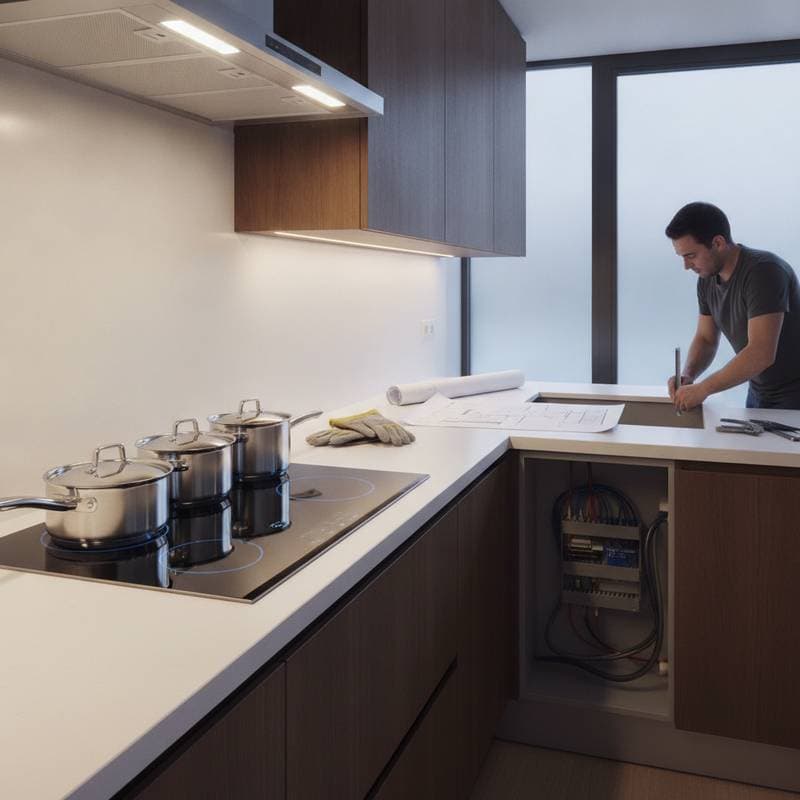
Contractors who install both technologies observe how this change alters remodel plans, budgets, and daily routines. Homeowners encounter questions about electrical capacity and appliance selection. Proper preparation keeps projects on schedule and controls expenses.
Performance Advantages of Induction Systems
Induction cooktops heat cookware through magnetic fields rather than open flames or heating elements. This approach delivers rapid temperature changes and consistent results. Professional remodelers recommend the technology for several practical reasons.
-
Speed and Control
Water reaches a boil in roughly half the time required by gas burners. Temperature adjustments occur without delay, which supports precise techniques such as simmering sauces or melting chocolate. -
Safety Features
Cooktop surfaces remain cool beyond the base of the pan. This design reduces burn risks and removes open flames from the kitchen. Households with children or older adults gain added protection. -
Energy Performance
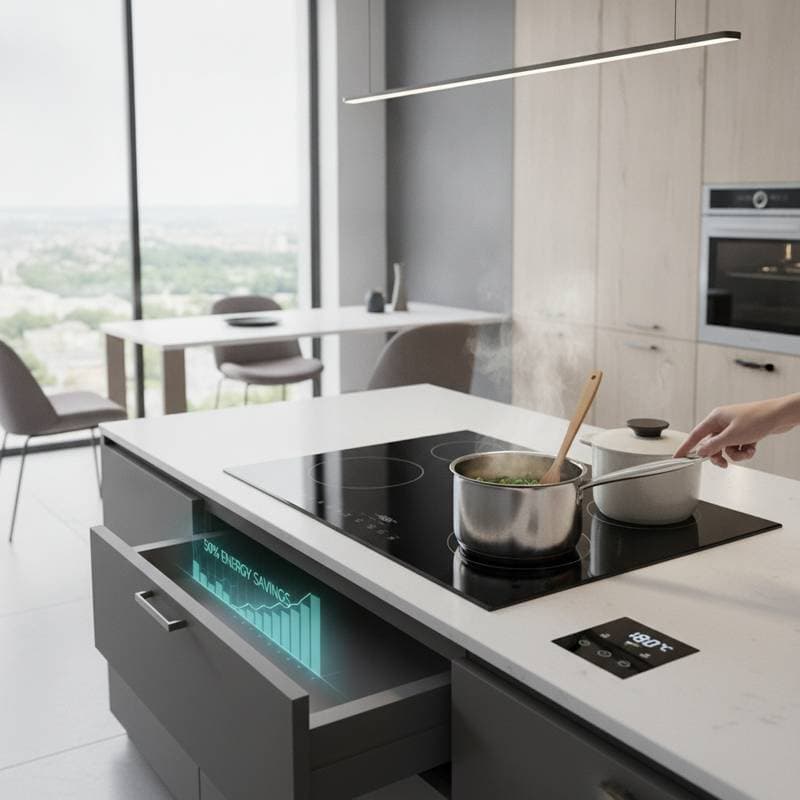
Induction units transfer 85 to 90 percent of energy directly to the pan. Gas burners achieve less than half that rate. Lower energy use reduces monthly utility costs and limits excess heat in the room. -
Air Quality Benefits
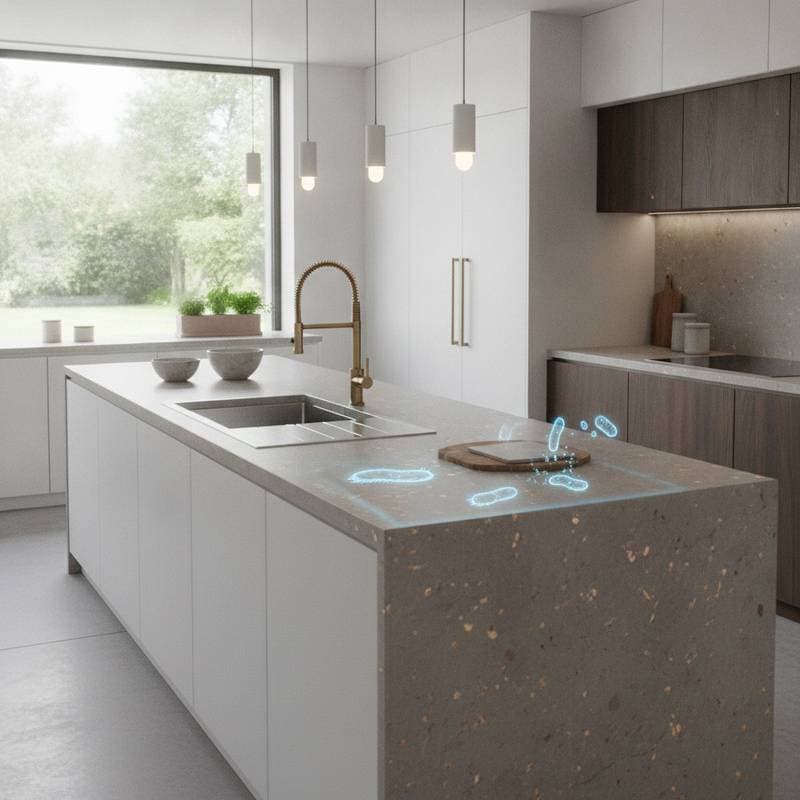
Induction produces no combustion byproducts. Indoor levels of nitrogen dioxide and particulates stay lower, which improves comfort in smaller kitchens or homes with modest ventilation. -
Layout Options
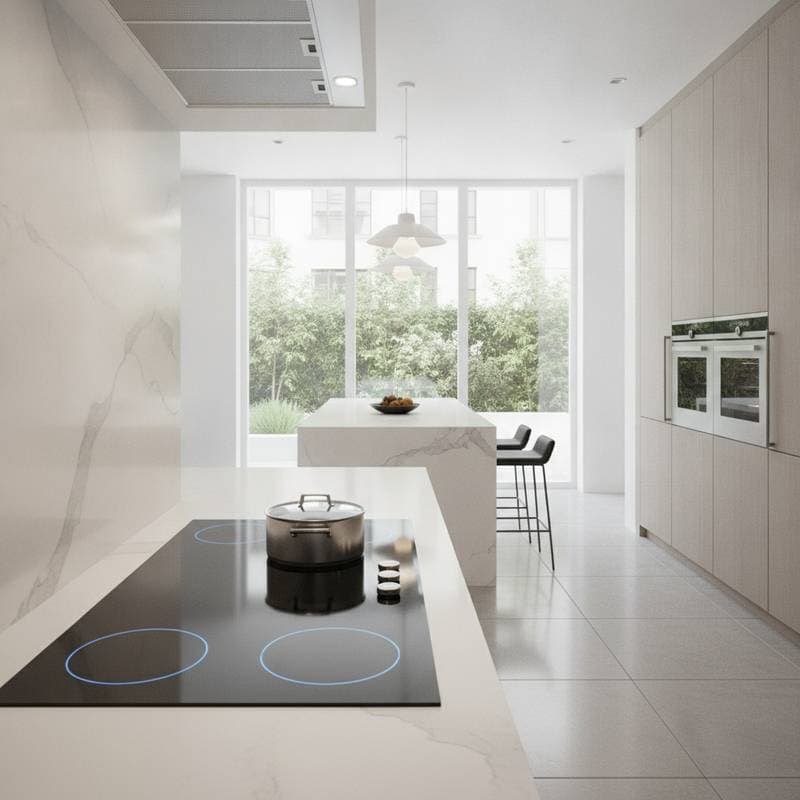
Slim cooktops sit flush with countertops. The space below remains available for drawers or storage, an arrangement rarely possible with traditional gas ranges.
Health and Safety Considerations
Gas combustion releases carbon dioxide, nitrogen dioxide, and fine particles. These substances can build up even when a range hood operates. Homeowners sometimes report odors or irritation after installing new gas appliances and later request induction alternatives.
Induction also lowers fire risk. Without flames, ignition from oil splatter or nearby materials becomes far less likely. Multi-unit buildings and rental properties may see reduced insurance concerns as a result.
Cost and Value Analysis
Induction appliances carry higher initial prices than many gas models. Energy savings, elimination of gas service fees, and reduced maintenance offset the difference over several years. Lower residual heat can decrease air conditioning loads in warmer regions.
Properties equipped for induction often appeal to buyers who follow regulatory trends. Compliance with upcoming building standards supports stronger resale value. Fewer mechanical components also mean fewer service calls after installation.
Adjusting to New Cooking Methods
Some homeowners prefer the visual feedback of a gas flame. After side-by-side demonstrations, most adapt quickly to induction controls. Intuitive interfaces and faster response times typically resolve initial concerns.
Quality cookware with flat, magnetic bases ensures optimal performance. A brief trial period allows users to refine techniques before committing to a full remodel.
Preparing for Your Kitchen Upgrade
Electrical panel capacity must be verified early in the planning process. Once confirmed, installation proceeds without gas lines or combustion venting. The result is a safer, more efficient workspace that meets future code requirements.