Invisible Cooktops Revolutionizing Kitchen Design
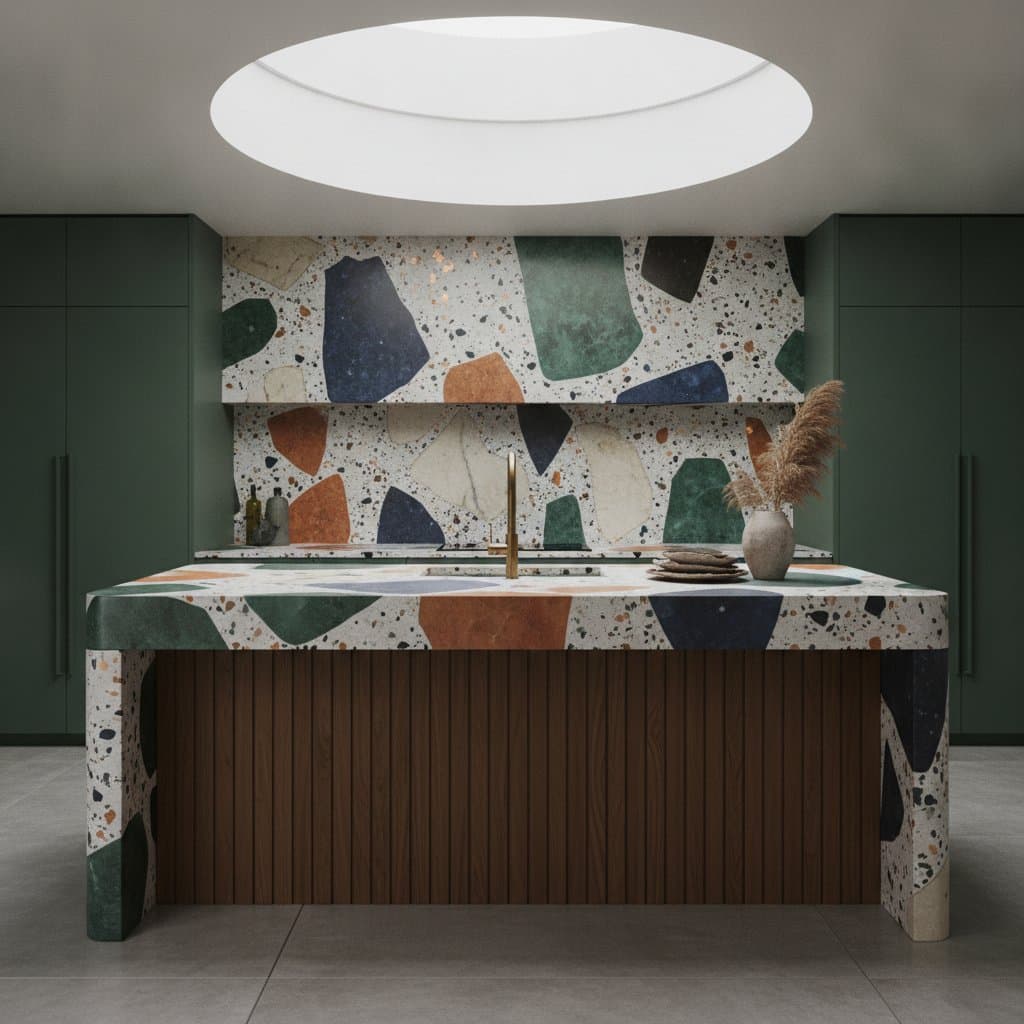
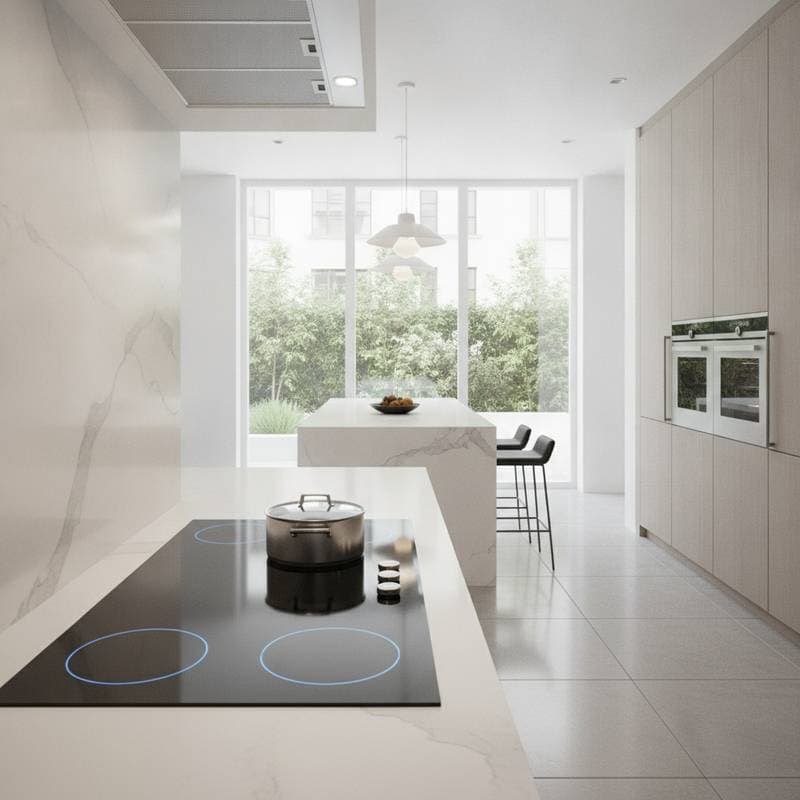
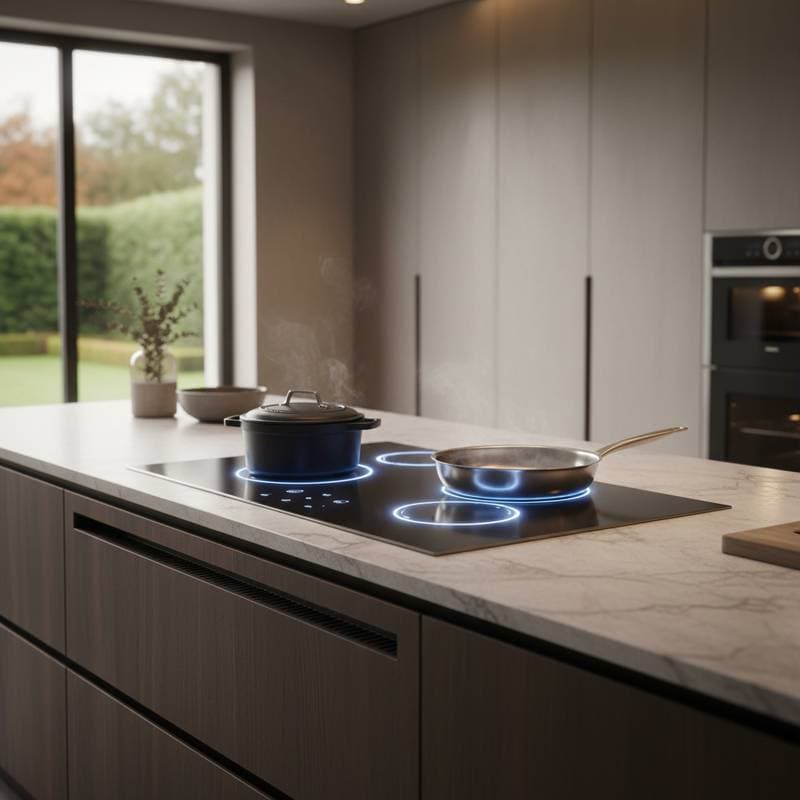
The kitchen remains the heart of the home, yet its appearance evolves rapidly. Invisible cooktops represent a key innovation in this transformation. These induction systems integrate fully into countertops, forming a continuous surface of stone, quartz, or sintered material. When inactive, the area appears as ordinary countertop. When active, it functions as a complete cooking zone.
As a remodeling contractor experienced with these installations, the author observes that such systems extend beyond trends. They redefine perceptions of space, utility, and technology in kitchens. Homeowners appreciate the refined appearance, though true benefits arise from balanced integration of performance and style. Essential considerations include material selection, installation precision, and ventilation to prevent future expenses.
Reasons Homeowners Choose Invisible Cooktops
Clients consistently cite similar motivations for selecting invisible cooktops:
-
Seamless Aesthetic
An unbroken countertop surface delivers striking visual impact. This feature aligns with modern, minimalist, or luxury kitchens where precision defines every element. -
Space Efficiency
With the cooktop inactive, the surface supports serving, preparation, or gatherings. Even smaller kitchens gain a sense of expansiveness and versatility. -
Simplified Cleaning
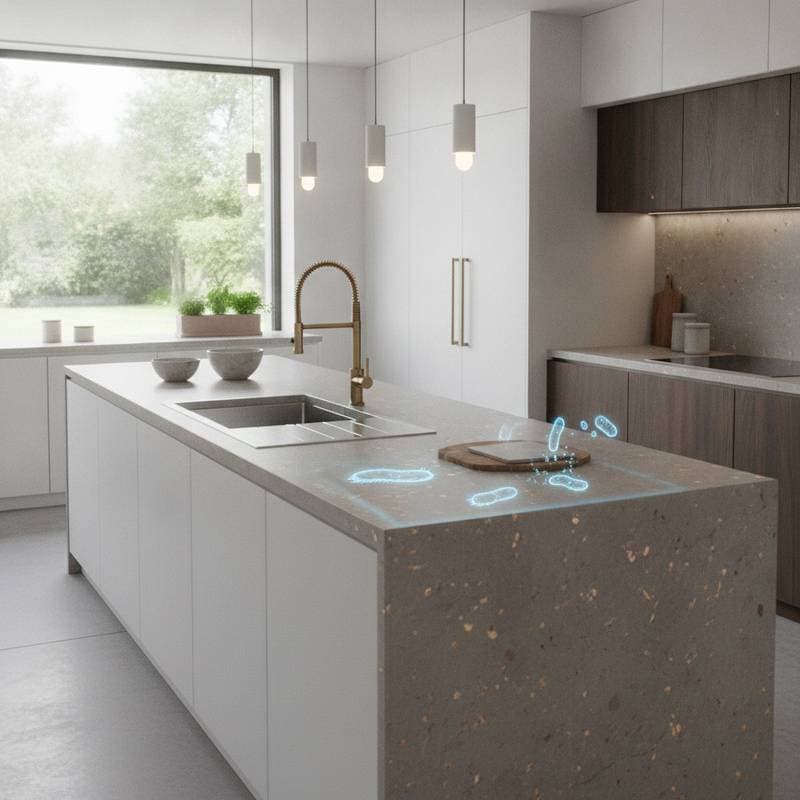
Absence of grates, crevices, or rings allows rapid maintenance. Spills wipe away easily, as the surface generates minimal heat. -
Enhanced Safety
Induction heats cookware directly, leaving the surface cooler. This design minimizes burn hazards, particularly in households with children. -
Energy Efficiency
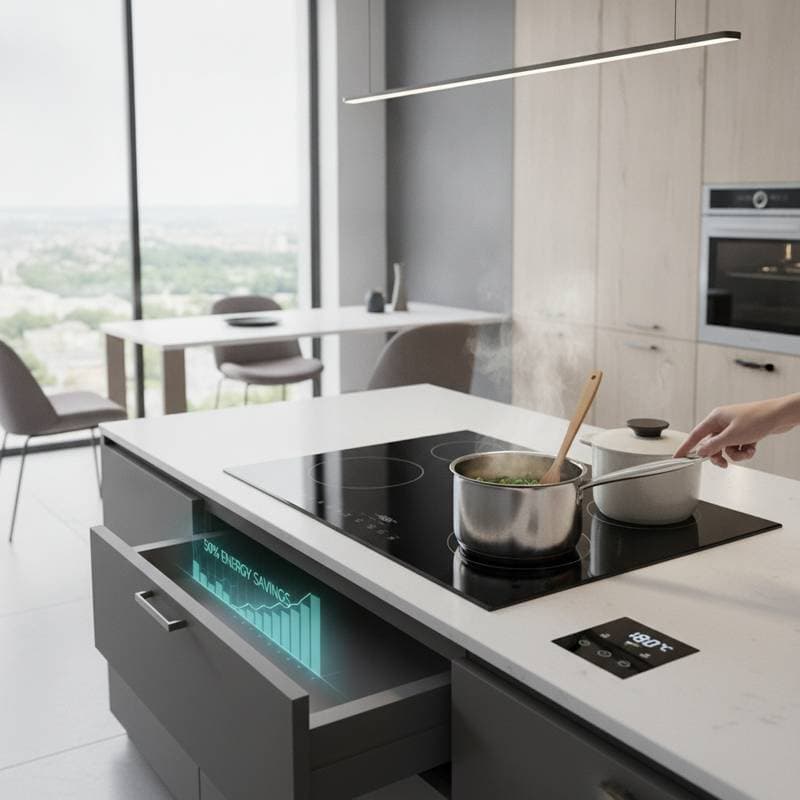
Direct energy transfer to pots reduces waste. Although initial costs prove substantial, ongoing expenses often undercut those of gas alternatives.
These advantages appear compelling, yet invisible cooktops present distinct challenges. Homeowners must evaluate these aspects thoroughly prior to proceeding.
Steps for Successful Installation Planning
Invisible cooktops demand exacting precision, with outcomes hinging on collaboration among homeowners, designers, fabricators, and installers. Field experience informs the following process to safeguard investments:
1. Verify Material Compatibility
Begin by examining countertop options. Obtain manufacturer certification that the material suits invisible induction applications. Certain suppliers collaborate with cooktop brands, streamlining warranty processes.
2. Assess Electrical Infrastructure
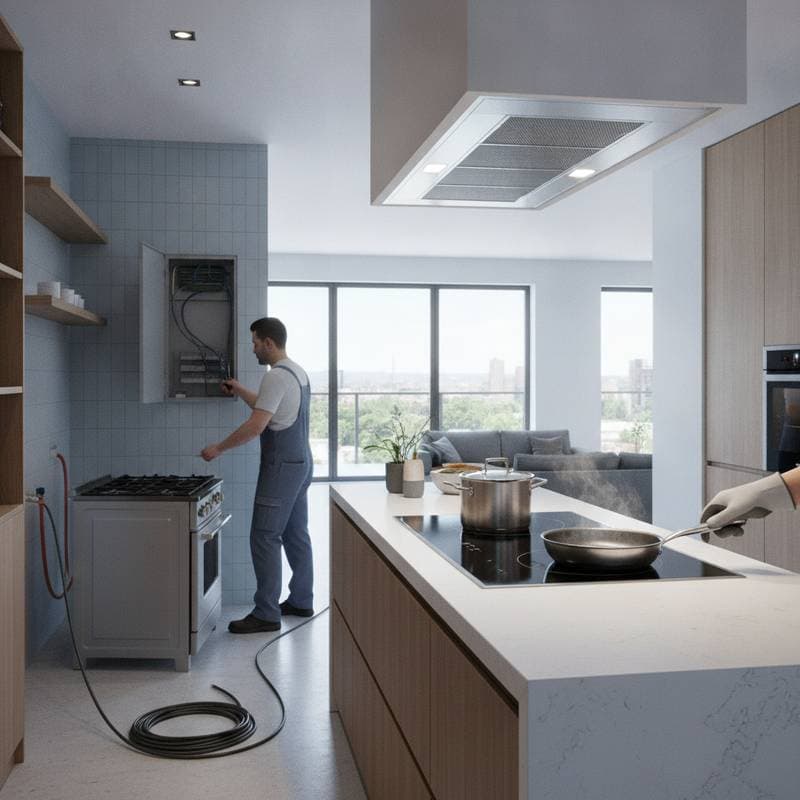
Engage a licensed electrician to evaluate the electrical panel and wiring before acquisition. Confirm availability of a dedicated circuit and sufficient amperage for the system. Such checks avert expensive modifications mid-project.
3. Align Fabrication and Templating
Countertops require fabrication to precise standards. Cutouts, thickness, and reinforcements vary by system. Entrust this to fabricators versed in these demands; avoid on-site alterations by general installers.
4. Incorporate Ventilation and Accessibility
These systems necessitate airflow despite their concealed nature. Integrate vent slots or cabinet fans as needed. Installers should incorporate removable panels for maintenance access, preventing future disruptions.
5. Select Appropriate Controls
Choices include surface touch zones or remote panels. Separate controls offer greater durability, as they resist moisture and wear more effectively than integrated options.
6. Examine Warranty and Service Provisions
Determine responsibility for repairs among countertop makers, induction providers, or external technicians. Robust warranties necessitate proof of correct installation procedures.
Insights from Contractor Installations
Multiple custom kitchen projects featuring invisible cooktops yield predominantly favorable client responses. Optimal results emerge when:
- Homeowners grasp the technology and its constraints.
- Designers synchronize trades from project outset.
- Countertop and induction specialists align on specifications.
- Designs account for ventilation and service entry.
Issues arise primarily from overlooked preparations. One case involved countertop replacement due to heat-induced warping in an unsuitable stone. Another demanded electrical enhancements after frequent breaker trips. Advance planning eliminates such setbacks.
Invisible cooktops resist simple setup. They require meticulous coordination. Proper execution produces admired, effective outcomes. Errors lead to costly corrections.
Evaluating Durability and Maintenance
This technology continues to advance, with part availability potentially limited compared to conventional units. Inquire about support duration from suppliers before purchase. Consider cooking habits; verify system capacity for large pans or heavy cast iron to avoid surface stress.
Routine care remains straightforward yet essential. Clean surfaces promptly, prevent cookware abrasion, and adhere to specified cleaning agents. Certain finishes demand particular products to preserve integrity and warranty validity.
Design-wise, these cooktops excel in contemporary or transitional settings emphasizing simplicity. They complement hidden appliances, seamless cabinetry, and integrated vents. In traditional spaces, updates to adjacent elements ensure harmony.
Integrating Invisible Cooktops into Your Space
Invisible cooktops fuse aesthetics and utility innovatively. They declutter surfaces, bolster safety, and maximize areas. Professional oversight transforms standard kitchens into remarkable environments.
Not every residence suits this choice, but meticulous planning guarantees enduring performance and superior style. This approach advances kitchen efficiency and modernity.