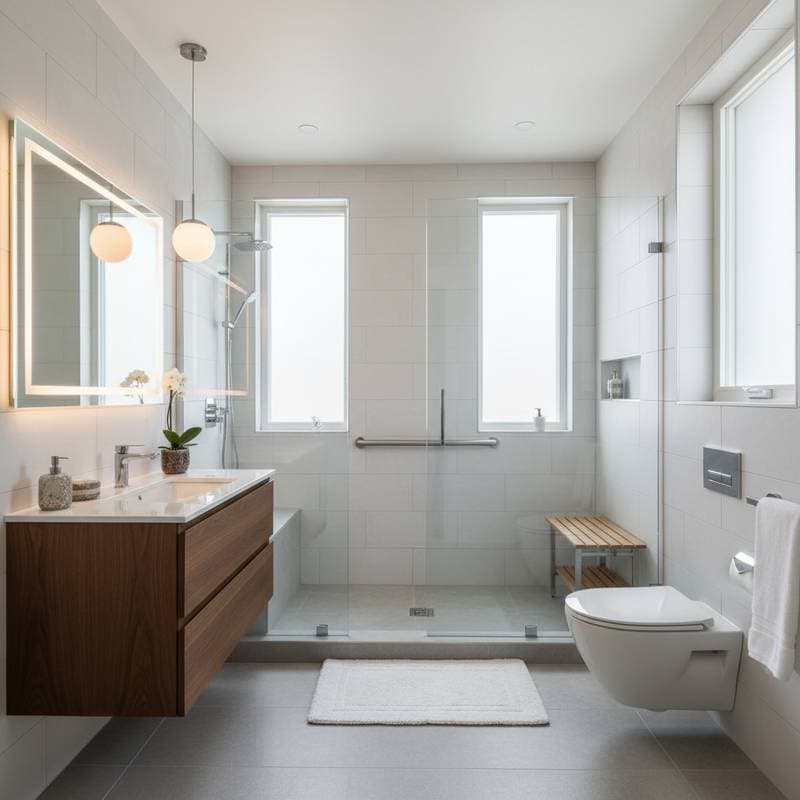
Aging Gracefully: Universal Bathroom Design Trends for Comfortable Living
Homeowners planning to remain in their residences for decades often identify the bathroom as a priority for updates. This space receives frequent use and poses significant risks when not constructed thoughtfully. Slippery surfaces, confined areas, and inadequate illumination transform routine tasks into potential hazards. Universal bathroom design addresses these concerns by merging safety, accessibility, and aesthetics into a cohesive strategy.
Why Traditional Bathrooms Fall Short for Aging in Place
Standard bathrooms prioritize visual appeal over durability. Conventional tubs and narrow shower thresholds function adequately in youth but evolve into barriers with advancing age. Stepping over high edges becomes precarious, while elements such as door swings, faucet positions, and light fixtures influence usability over time. Universal design principles ensure the space accommodates all users, irrespective of age or mobility, while avoiding an institutional appearance.
Neglecting these aspects leads to costly modifications later. Demolishing showers or relocating plumbing post-construction incurs expenses two to three times higher than initial integration. Interim solutions like adhesive grab bars or low-step tubs frequently prove unreliable or introduce additional dangers. Proactive planning averts such complications.
Key Elements of a Universal Bathroom
Universal design embodies principles of usability, adaptability, and security rather than a fixed product or aesthetic. Each decision, from configuration to fixtures, fosters autonomy and ease.
-
Curbless Showers
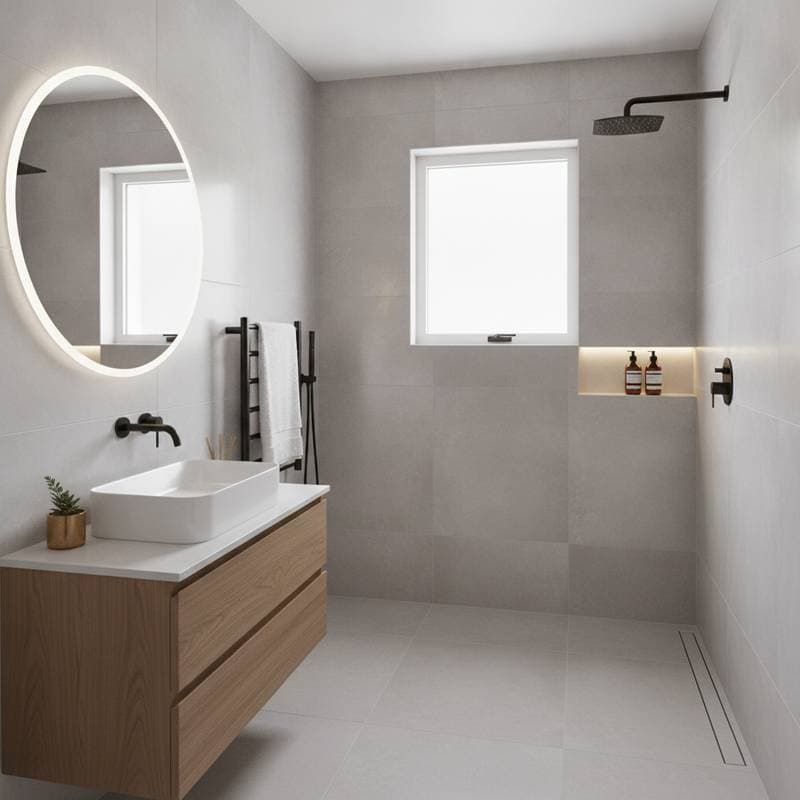
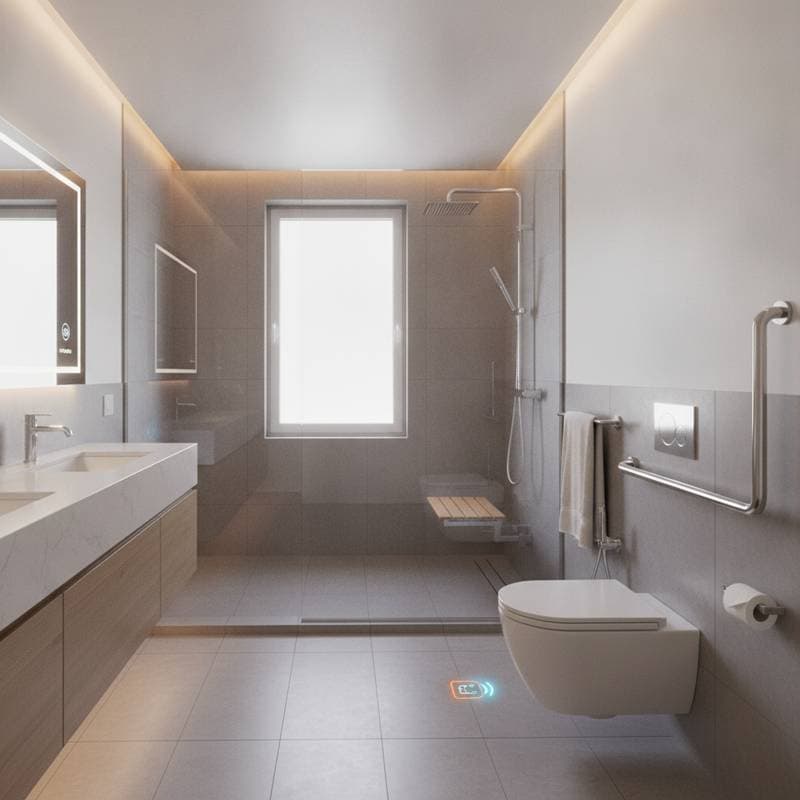
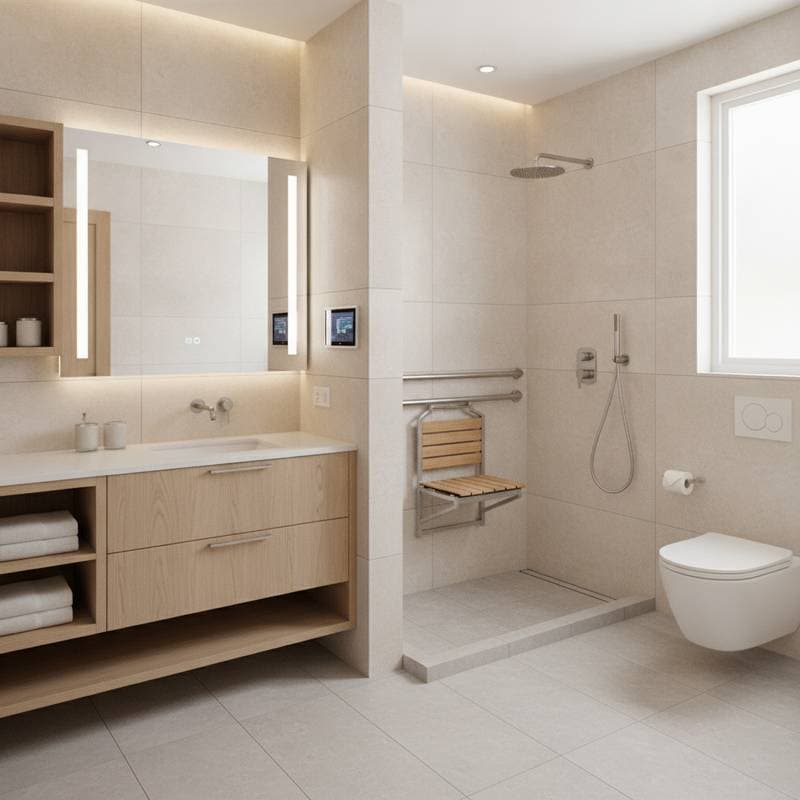
Zero-threshold entries remove tripping risks and facilitate access for walkers or wheelchairs. These designs appear contemporary and streamlined. Recess the shower base minimally and direct the floor slope to a linear drain to contain water effectively while preserving level access. Pair with a minimum 36-inch opening for broad usability across ages. -
Slip-Resistant Flooring
Select tiles boasting high coefficient-of-friction ratings, particularly in moisture-prone zones. Mosaic patterns with generous grout joints offer inherent grip. Steer clear of sleek marble or shiny coatings. Opt for porcelain variants certified for damp commercial environments; they withstand intensive use and repel stains. -
Grab Bars Integrated as Design Elements
Contemporary grab bars mimic elegant towel rods or decorative rails, departing from clinical styles. Install them adjacent to the toilet, at shower thresholds, and within enclosures. Secure them to wall blocking rather than mere drywall. Incorporate blocking during initial framing, regardless of immediate needs; the added cost remains negligible and prevents future disruptions. -
Comfort-Height Toilets
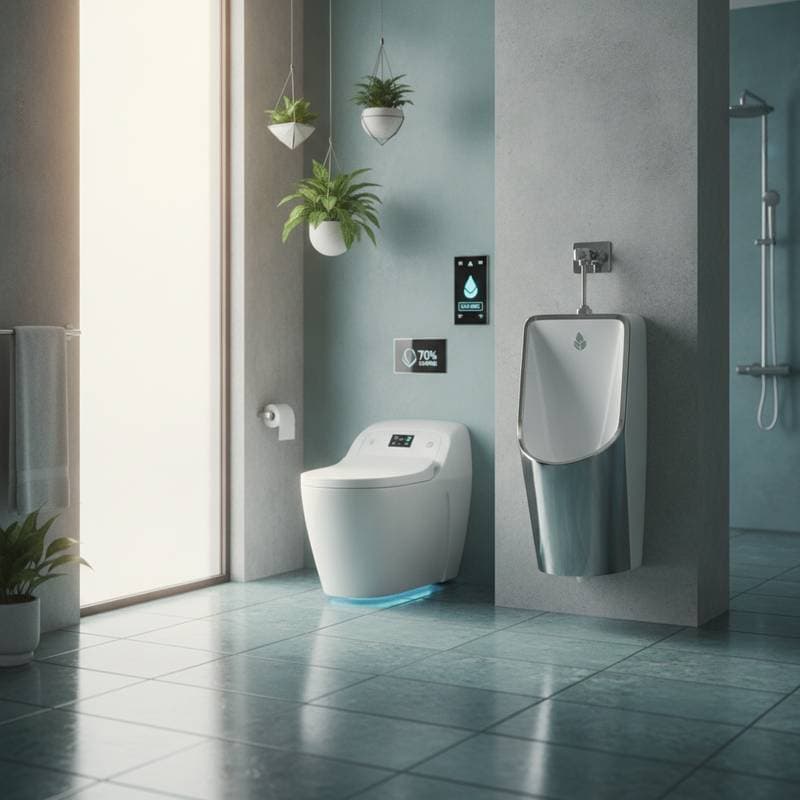
These fixtures elevate 2 to 3 inches above standard heights, simplifying sitting and rising. Options span numerous designs and budgets. Complement with robust toilet paper holders that serve as auxiliary supports for enhanced steadiness. -
Lever Handles and Sensor-Activated Controls
Round knobs challenge those with reduced dexterity. Lever styles suit all users and simplify maintenance. For faucets, integrate touchless or sensor mechanisms to minimize germ transfer and assist limited-movement individuals. -
Layered Lighting Systems
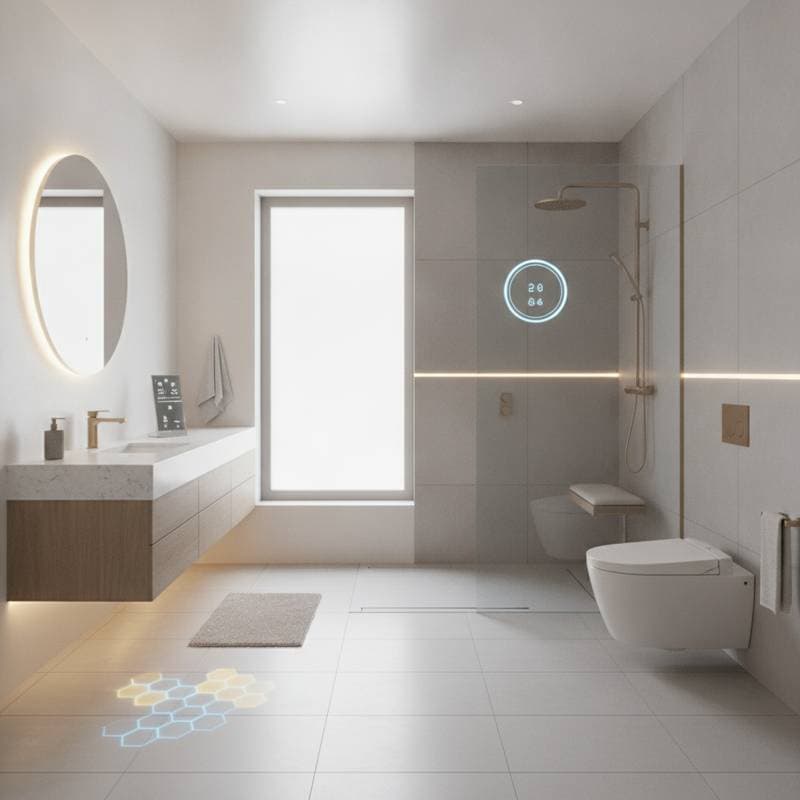
Illumination ranks among the most neglected safety aspects in bathrooms. Blend overhead ambient sources with vanity task lights and low-level pathway illumination. Employ motion-activated sensors for subtle nighttime activation, mitigating fall risks without harsh brightness. -
Spacious Doorways and Maneuvering Areas
Doors require at least 36-inch widths, with ample clearance around appliances. Sliding pocket doors suit compact layouts. Provide a 60-inch turning circle near the toilet and shower to accommodate mobility aids. -
Versatile Shower Fixtures
A slide-bar handheld sprayer adjusts for varying statures and capabilities. Include a fixed overhead head for versatility. Add a durable, quick-draining fold-down bench rated for 250 pounds or more.
Integrating Style and Functionality
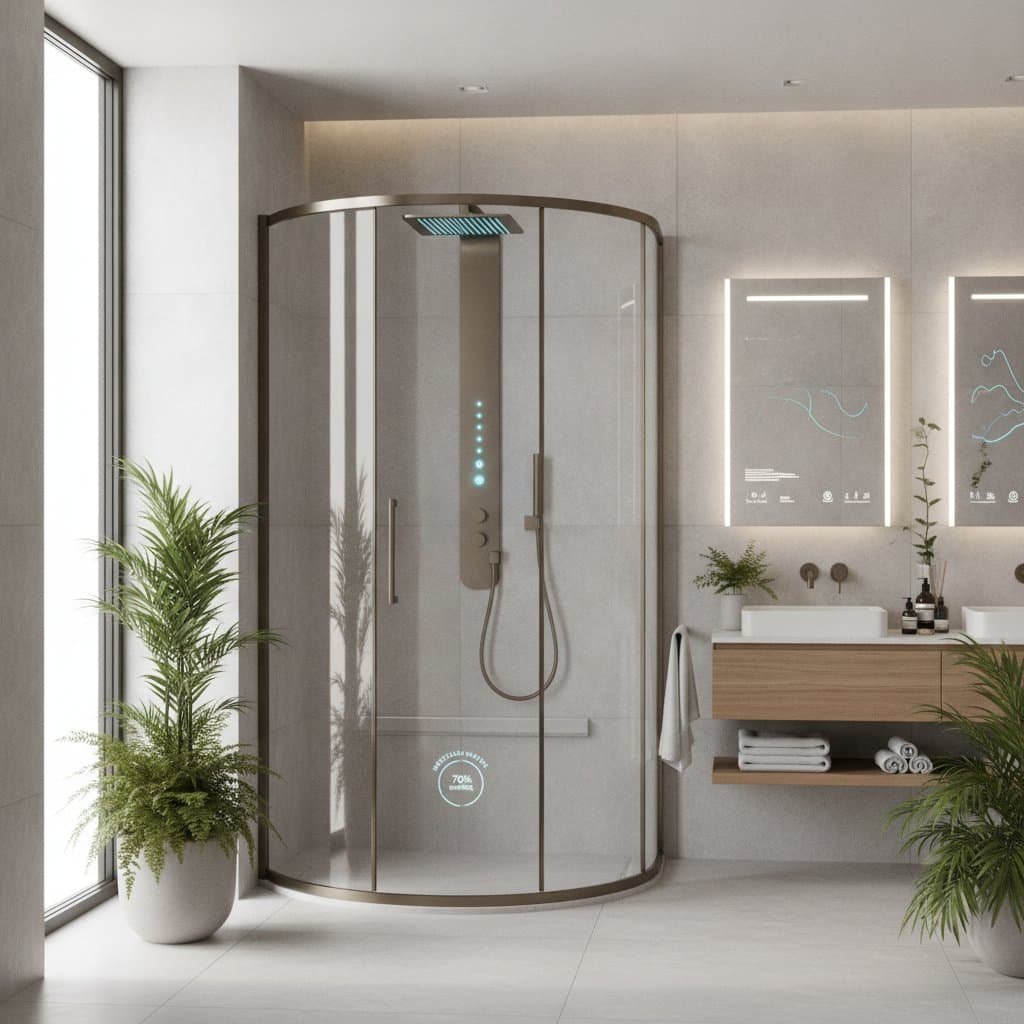
A common myth suggests accessible bathrooms appear sterile. Current innovations refute this, as producers align with premium visuals. Large porcelain slabs can mask subtle gradients for a seamless, resort-inspired look. Frameless glass surrounds expand curbless showers visually, evoking luxury rather than utility alone.
In a recent project for long-term residents, brushed metal accents, a wooden folding seat, and concealed linear drainage under coordinated tiles transformed the space. The result resembled a high-end retreat capable of wheelchair navigation. Prioritizing accessibility from inception harmonizes utility and elegance.
Avoiding Frequent Pitfalls in Accessible Remodels
Even intentional renovations overlook essentials without expert input. The following represent prevalent oversights in self-directed accessible bathroom projects.
-
Inaccurate Slopes in Curbless Showers
Insufficient gradients permit water escape beyond the enclosure. Excessive inclines compromise footing stability. Target a 1/4-inch drop per foot to the drain, confirming alignment prior to tiling. -
Inadequate Wall Reinforcement for Grab Bars
Drywall fasteners fail under stress, endangering users. Anchors demand attachment to sturdy wood studs or added blocking. Address this before enclosing walls. -
Suboptimal Lighting Configuration
Ceiling fixtures alone produce shadows in critical zones. Position task lights at eye level to eliminate glare and ensure uniform coverage. -
Neglected Storage Ergonomics
Elevated or recessed storage hinders retrieval. Incorporate waist-level pull-outs and open shelving beneath vanities for convenient access. -
Underestimated Ventilation Needs
Effective, low-noise fans combat humidity and mold. Choose models with automatic humidity triggers for sustained performance. -
Omitting Preparatory Infrastructure
Forego full features initially but install plumbing rough-ins and supports for later additions. Such foresight proves economical during open-wall phases.
Financial and Regulatory Considerations
Universal design enhances economic viability. Properties featuring accessible bathrooms retain value and attract diverse purchasers. Insurers and municipalities may provide incentives for enhancements like reinforced bars and textured floors. Maintain thorough records, including invoices, photos, and specifications, to support claims and sales.
Engage licensed professionals for these renovations. Verify general contracting credentials, specialized endorsements, and liability coverage. Insist on comprehensive agreements detailing work scope, supplies, timelines, payments, and guarantees. Precise documentation and permitted work safeguard against liabilities, as bathrooms involve intricate plumbing, wiring, and framing.
Realizing Enduring Advantages
Beyond safety, universal bathrooms sustain autonomy, ease, and self-respect. They alleviate burdens on supporters when aid becomes necessary. Residents often report heightened assurance in daily routines, yielding profound psychological benefits.
These environments endure stylistically through neutral palettes, minimal profiles, and resilient materials. Emphasizing enduring utility over fleeting fashions, they demand less upkeep, adapt readily, and deliver consistent pleasure.