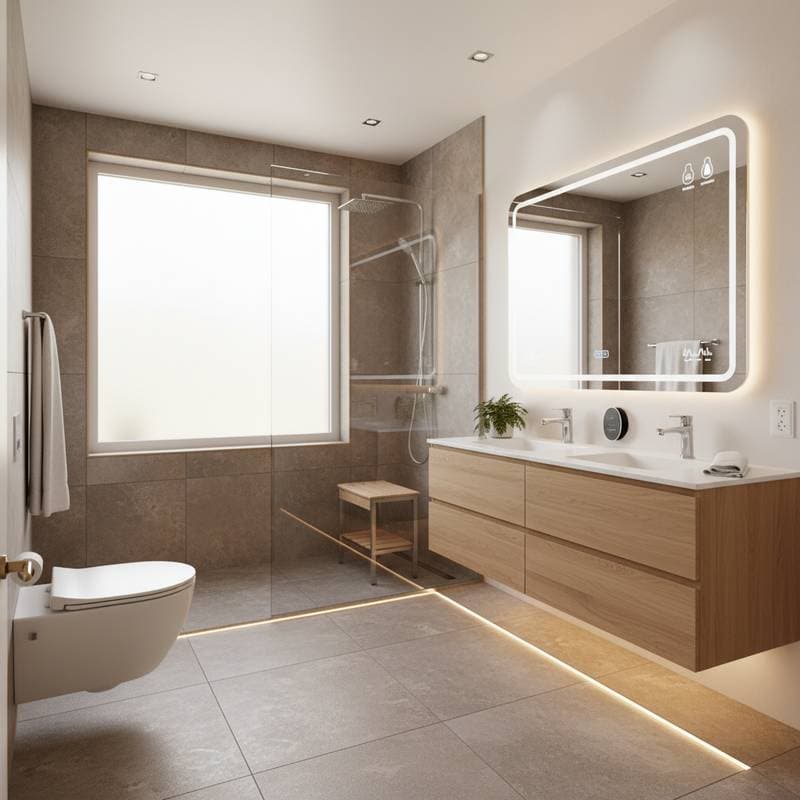
Bathroom Technologies Advancing Senior Safety by 2026
A thoughtfully designed bathroom serves as more than a functional space. It functions as a private retreat for comfort and renewal. For seniors opting to age in place, this room plays a vital role in supporting safety and autonomy. Emerging bathroom technologies convert these areas into responsive environments that safeguard users discreetly. The focus remains on elegance and intuition rather than mere utility, fostering spaces that align with personal lifestyles.
10. Intelligent Flooring for Movement Detection
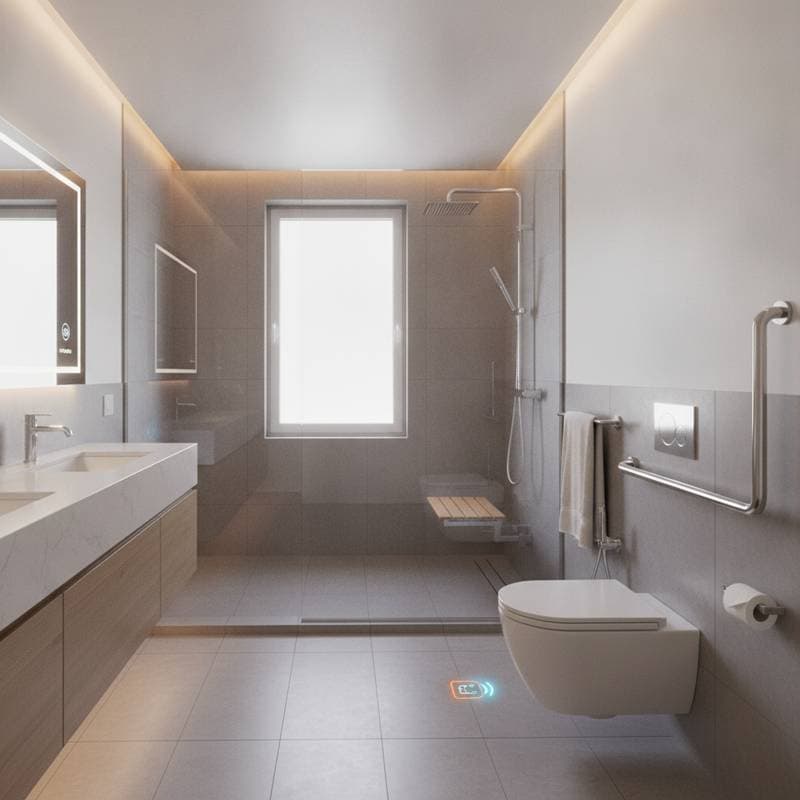
Slip-resistant materials remain essential in bathrooms designed for seniors. Advanced smart flooring introduces embedded sensors in materials such as porcelain tiles or vinyl planks. These sensors identify changes in pressure and motion. Upon detecting a potential fall, the system notifies caregivers or emergency services automatically. Evorich, a German manufacturer, produces flooring that integrates with home networks for subtle notifications. Select warm gray ceramic options that provide secure footing and monitor health seamlessly.
9. Shower Controls with Temperature Regulation
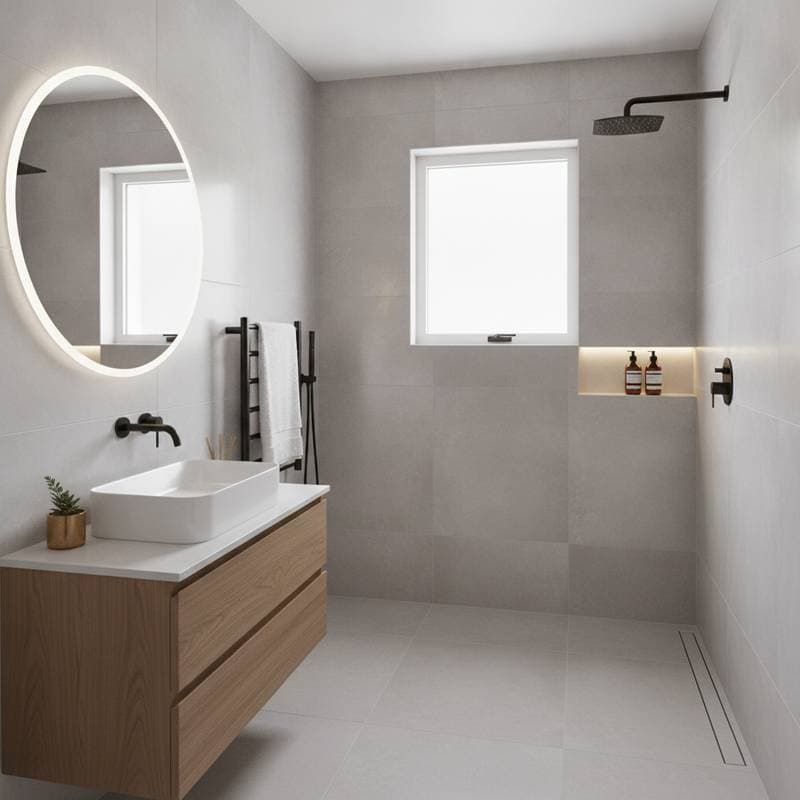
Hot water burns represent a frequent bathroom risk for older adults. Thermostatic mixing valves from brands like Grohe and Kohler adapt to individual preferences and sustain safe temperatures. These units feature finishes in brushed nickel or matte black to complement diverse interior styles. Designers such as Hannah Lee from Studio Horizon recommend combining them with large porcelain slabs and clean lines. This approach yields a spa-inspired atmosphere that emphasizes security.
8. Voice-Controlled Lighting and Mirrors
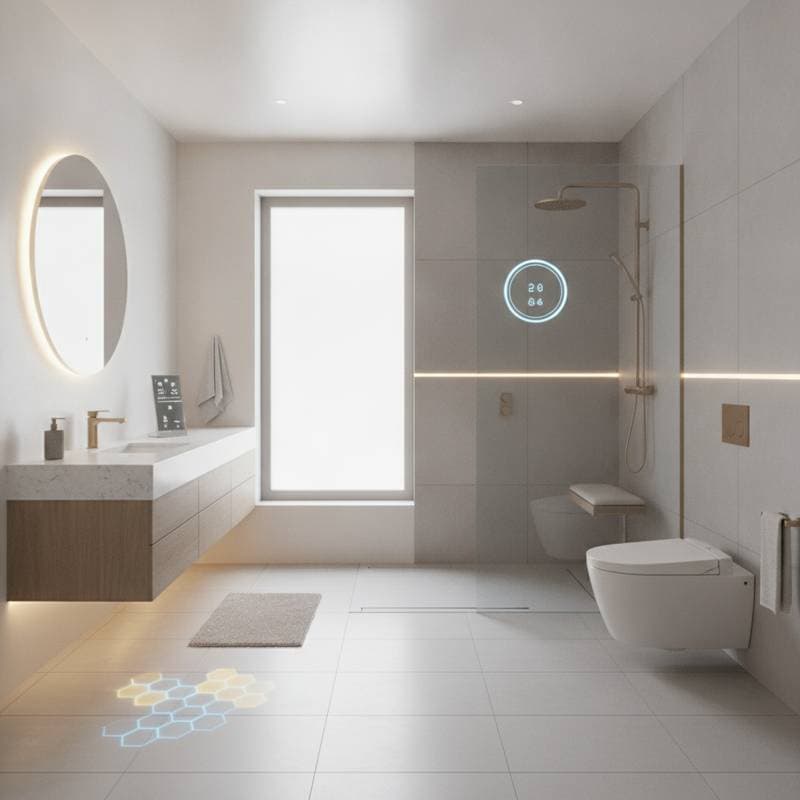
Effective lighting influences both ambiance and visibility. Voice-activated mirrors and lights enable seniors to adjust illumination without reaching for controls. Lutron's Caséta system links dimmable wall fixtures and illuminated mirrors, modifying light levels by schedule or voice command. Sensors maintain pathway illumination during low-light conditions, minimizing glare with soft, diffused glows. The result creates a serene, precise setting that enhances daily routines.
7. Touchless Faucets for Effortless Hygiene
Gesture-based faucets bring touchless operation to home bathrooms with refined aesthetics. Models from Brizo and Delta Faucet respond to hand movements, easing use for those with joint limitations and curbing bacterial transmission. Pair these with vessel sinks in honed marble or stone composites for a luxurious yet practical setup. Advanced versions track water consumption to promote eco-friendly habits alongside accessibility.
6. Adaptive Toilets Offering Built-In Support
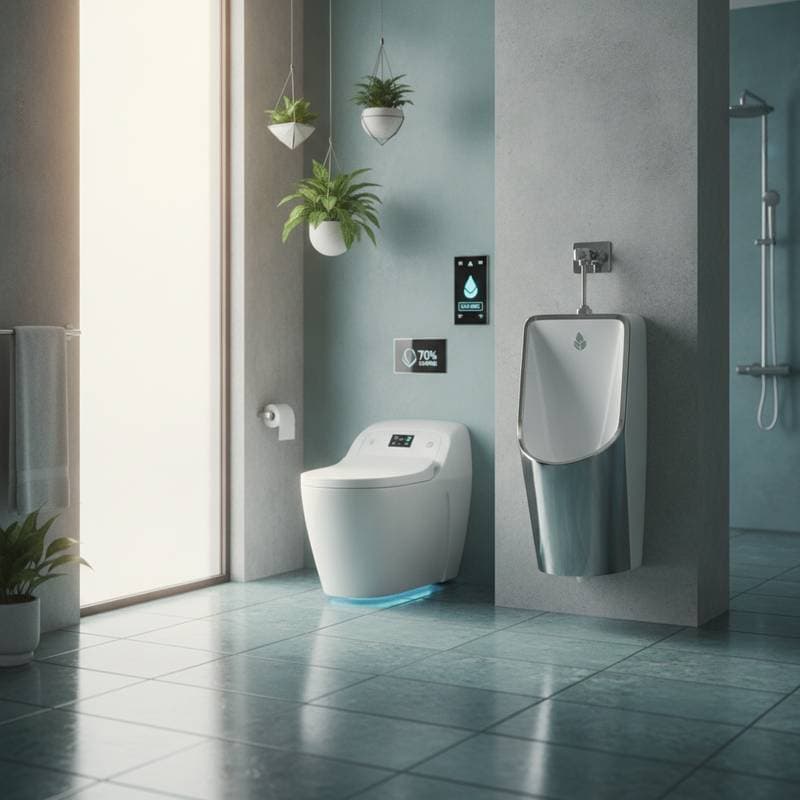
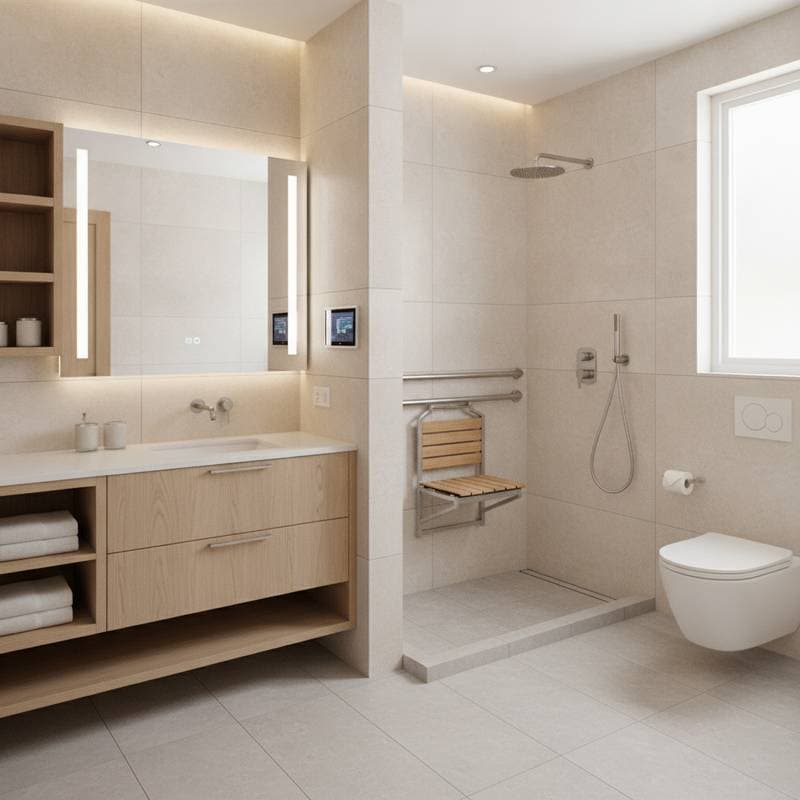
Modern toilets incorporate features that enhance comfort without compromising privacy. TOTO's Japanese-engineered models include automatic lids, height-adjustable seats, and bidet functions for gentle cleaning. These elements alleviate physical effort and uphold dignity. Miguel Santos of Linea Casa Design suggests embedding them in oak-veneered cabinetry to conceal mechanics and evoke a cozy, home-like environment.
5. Ceiling-Mounted Sensors for Fall Prevention
Overhead sensors work alongside floor systems to form comprehensive safety layers. Radar technology in these devices tracks motion without visual recording, respecting user privacy. Alerts activate if prolonged stillness occurs. Integrate them with cove lighting or ash-toned acoustic panels to keep technology unobtrusive. This setup delivers reassurance without altering the room's visual appeal.
4. Heated Grab Bars Combining Function and Warmth
Traditional grab bars often appear stark, but new designs elevate them to decorative accents. Moen's Home Care line provides bars that heat gently and serve as towel warmers, available in stainless steel or brass finishes. Safe warmth encourages regular use while adding comfort. This evolution highlights inclusive design principles that unite practicality with sophistication.
3. Digital Shower Systems with User Profiles
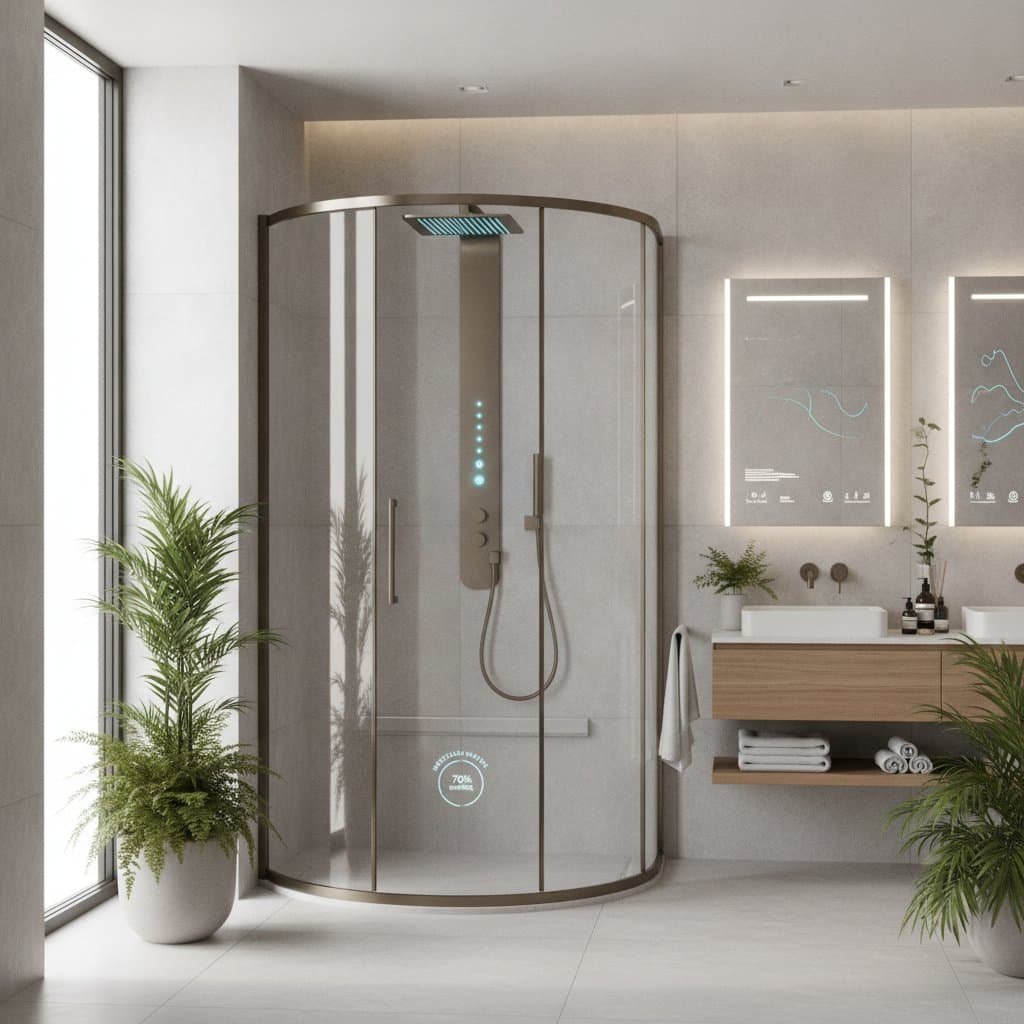
Platforms such as Kohler Konnect and Grohe SmartControl store personalized preferences for pressure, temperature, and spray options. Seniors benefit from minimized adjustments, reducing slip risks. Complement with non-slip limestone mosaics for a secure, luxurious shower experience. Architect Laura Kim of Atelier Forma views these as seamless aids that harmonize with user needs.
2. Integrated Systems for Wellness Tracking
Comprehensive monitoring extends to bathroom fixtures beyond isolated tools. Mirrors with built-in sensors assess vital signs like heart rate and hydration, sharing data with health professionals. CareOS platforms frame these in bronze for a decorative look. The design avoids a clinical feel, integrating health insights into everyday elegance.
1. Unified Connected Bathroom Ecosystems
Individual innovations gain power through interconnected systems. Voice assistants coordinate lighting, water flow, climate, and sensors to predict and meet user requirements. Professionals in design and technology collaborate for installations that preserve aesthetics. Element Design Studio's projects demonstrate this by routing wiring through walnut panels, blending intelligence with natural warmth.
Integrating Technology for Everyday Security
These advancements produce bathrooms that prioritize human needs over mechanical dominance. Craftsmanship and smart features merge to support safety without aesthetic trade-offs. Homeowners undertaking renovations should consult designers and technicians to select compatible systems. Opt for taupe porcelain tiles or chrome accents to unify the space visually.
Customizing Spaces for Long-Term Comfort
Future adaptations will build on current progress, but the core of an effective bathroom remains its homelike quality. Incorporate white oak storage, neutral fabrics, and diffused natural light alongside high-tech elements. Prioritize understated integration to sustain familiarity. Designers increasingly address holistic wellness, creating rooms that nurture physical and emotional health through responsive, beautiful design.