AI Color Matching for Effortless Kitchen Updates in 2026
Every kitchen tells a story of the people who gather within it. It is a space where function meets emotion. Morning light touches painted cabinets, and materials quietly influence daily rituals. As color technology grows more intuitive, artificial intelligence plays a transformative role in how homeowners and designers select hues for these personal spaces.
AI color matching has turned what once felt like guesswork into a seamless digital dialogue between creativity and precision. The kitchen has always been a mirror of design innovation. Cabinetry, hardware, counter materials, and wall finishes move in cycles of reinvention. Color remains the most expressive element.
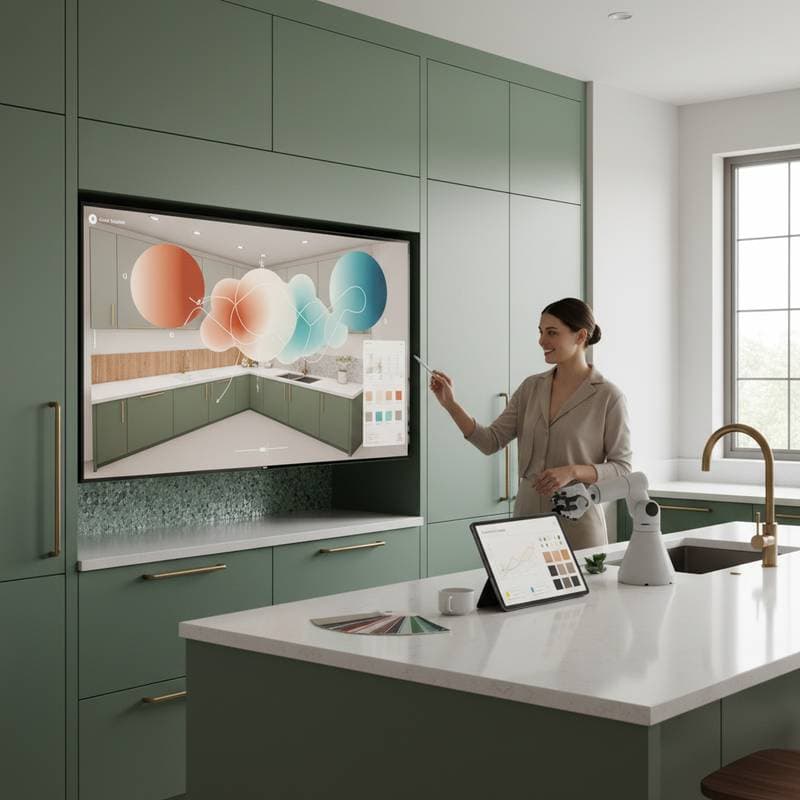
What has changed is the way colors are chosen. AI powered tools now analyze light, texture, and context. They generate palettes that harmonize with architecture and lifestyle. This innovation refines human intuition rather than replacing it. The result is a new kind of creative confidence.
Here are five standout ways AI color matching redefines kitchen design. Each reveals how technology expands possibilities for balanced updates.
5. Contextual Lighting Simulation
Color decisions in the kitchen are rarely made under neutral lighting. AI tools simulate how a proposed color will appear across morning and evening light. They also account for LED or halogen fixtures. This feature helps professionals and homeowners visualize color shifts that previously required physical sampling.
A designer can preview how Farrow and Ball De Nimes, a moody blue gray, changes tone when paired with warm pendant lighting. The digital environment becomes a testing ground. Context replaces conjecture and allows decisions grounded in realism.
4. Reviving Existing Elements
One of the most appealing aspects of AI color matching lies in its ability to modernize rather than replace. Many homeowners wish to refresh kitchens without a full renovation. AI tools identify colors that revitalize existing cabinetry or stone surfaces.
If a countertop in honed Carrara marble remains in place, an AI palette might recommend Behr Graphic Charcoal for lower cabinets. It can complement this with Benjamin Moore Simply White on upper surfaces. The technology serves as both preservationist and innovator.
3. Custom Color Creation
Beyond matching existing shades, AI tools generate entirely new colors based on mood prompts or aesthetic parameters. A user might request a calm coastal gray with warmth and receive a custom pigment blend. Finish recommendations come with it. Paint manufacturers integrate these functions into digital platforms.
This capability has inspired boutique collaborations between technology firms and paint houses. Atelier Chromatic uses AI data to develop exclusive pigments that respond to environmental light levels. These dynamic shades shift throughout the day.
2. Sustainable Decision Making
AI supports sustainability by reducing waste. It predicts accurate color matches digitally, so fewer physical samples and test pots are required. Some platforms cross reference eco certified paint lines and guide users toward low VOC options.
For design firms committed to sustainable practices, such as Greyline Interiors, this integration has become indispensable. We can test entire palettes virtually, which saves time and resources, said principal designer Sofia Ramos. It lets us make environmentally responsible choices without sacrificing visual nuance.
1. Seamless Integration with Smart Home Systems
The top innovation in AI color matching lies in its integration with connected home ecosystems. Smart sensors monitor light temperature and environmental conditions. They feed data into AI platforms that adjust digital color recommendations in real time.
When paired with smart lighting, a kitchen can shift its color perception throughout the day. LumaDesign Collective recently completed a kitchen where smart lighting adjusted to complement PPG Whiskers, a soft taupe gray. As daylight changed, light intensity recalibrated to preserve the paint tone.
Bringing Color Choices to Life
Once the palette has been chosen and applied, the true reward begins. AI color matching has refined the art of harmony. The human experience remains the ultimate measure of success. The kitchen becomes an environment that evolves gracefully.
Living with an AI informed palette invites awareness of how color interacts with routine. Morning coffee against a backdrop of Dulux Tranquil Dawn feels gentle and grounding. Evening gatherings around cabinetry finished in Sherwin Williams Iron Ore evoke intimacy and depth.
For homeowners planning updates, the process begins with observation. Capture photographs under different light conditions. Note which tones feel inviting. Experiment digitally before lifting a brush. For professionals, AI tools serve as intelligent collaborators that expand creative bandwidth while maintaining precision.
The beauty of this evolution lies in its accessibility. What once required multiple consultations and costly samples can now be explored virtually with remarkable accuracy. The essence of design remains unchanged. It creates spaces that reflect identity, function, and emotion. AI simply refines the pathway toward that goal.