2026 Bathroom Tech for Aging in Place
Designing homes that promote independence, safety, and comfort across all life stages stands as a key focus in modern residential architecture. The bathroom, as one of the most personal and intricate spaces, holds a vital role in this approach. Advancements in technology have elevated bathrooms for aging in place from basic functional areas to sophisticated environments that integrate usability with elegant design. These spaces prioritize intuition, beauty, and human needs.
This overview highlights key bathroom technologies emerging in 2026. Each innovation demonstrates how careful engineering supports everyday activities while upholding personal dignity and self-reliance. These solutions combine skilled craftsmanship with user-focused features to redefine comfortable, independent living at home.
10. Intelligent Lighting Systems
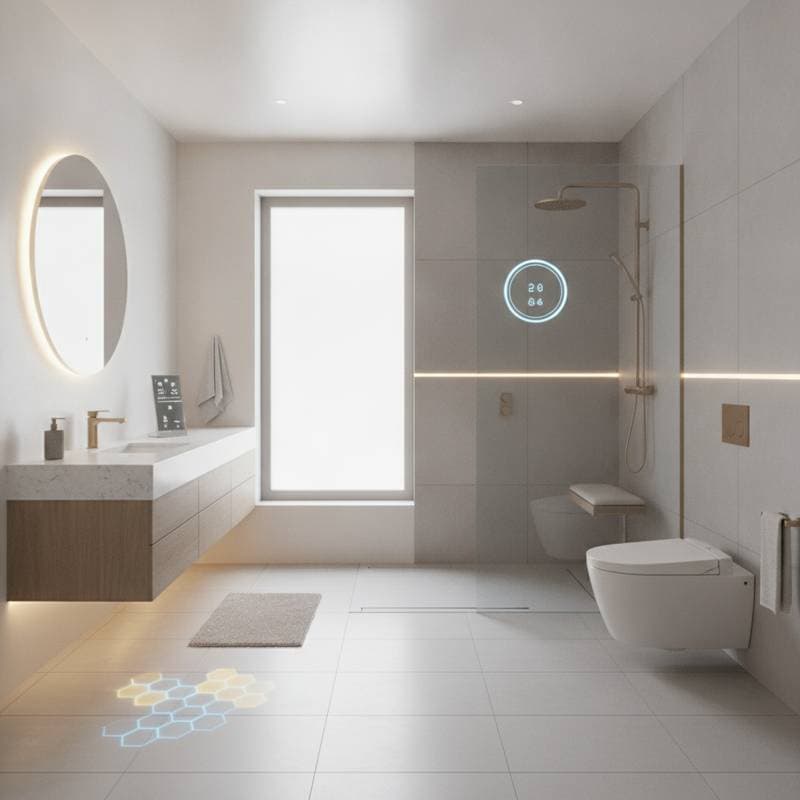
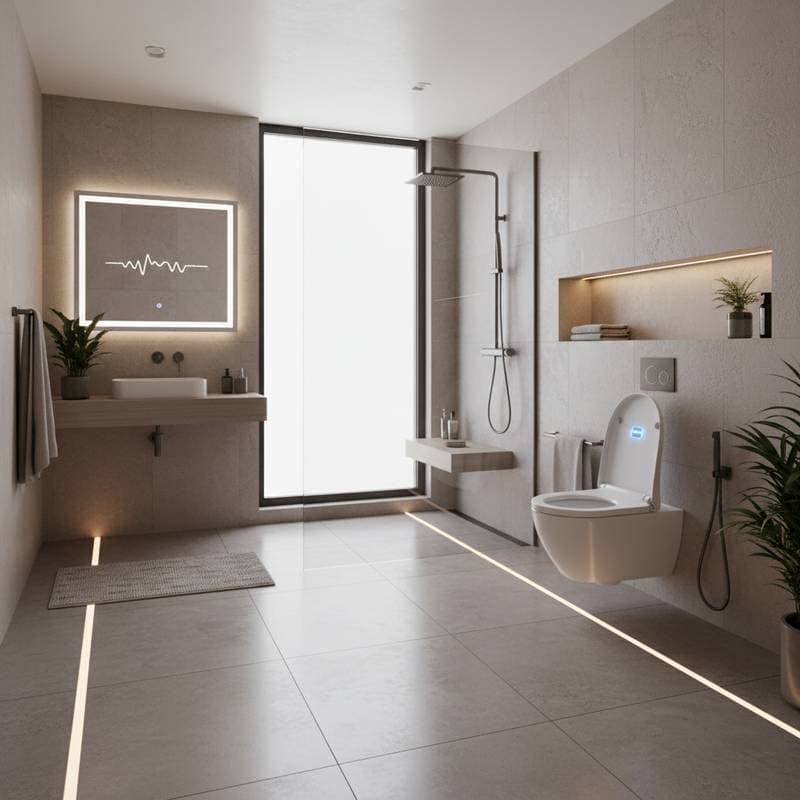
Effective lighting influences safety and emotional state, especially in areas requiring clear sightlines. Advanced smart lighting adjusts to natural body clocks, increasing brightness gradually in the morning and softening it at night to aid sleep. Motion detectors installed in baseboards or mirror edges deliver soft glows for nighttime navigation, avoiding the jolt of bright overhead lights. Tunable LED options, like the Ketra S38 from Lutron, fine-tune color temperature and brightness to align with daily cycles. This setup fosters a serene atmosphere that responds to user movements and builds assurance in daily routines.
9. Smart Flooring with Embedded Safety Sensors
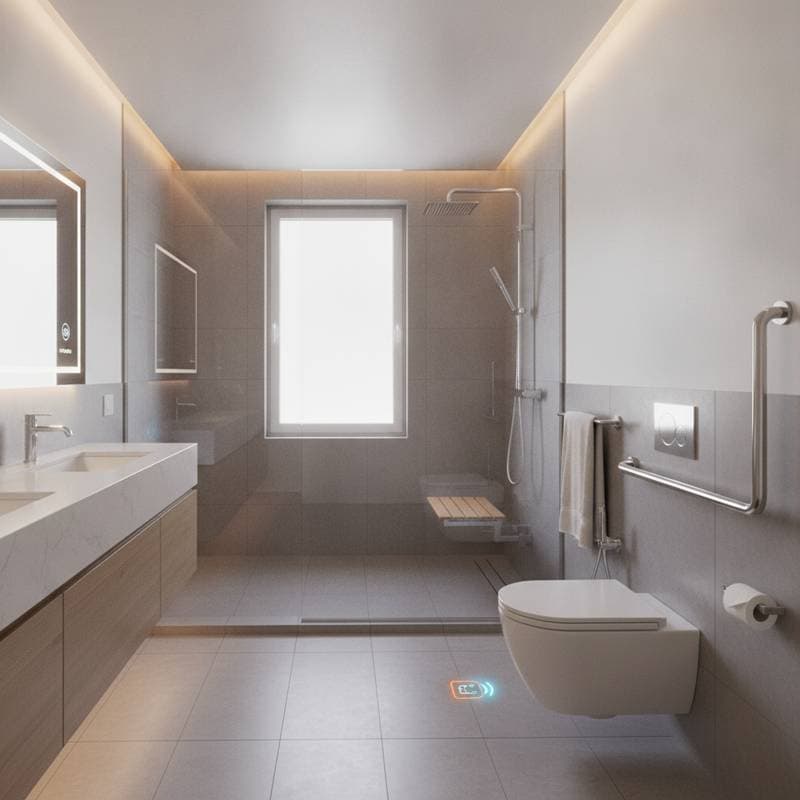
Preventing falls ranks high among challenges in designs for older adults. New flooring incorporates pressure-sensitive sensors under materials such as porcelain tiles or luxury vinyl, identifying unusual walking patterns or abrupt shifts. These hidden elements link to central home systems, notifying family or caregivers of potential issues. The flooring maintains a standard, premium feel while providing discreet reassurance. Pairing these with anti-slip options, like Porcelanosa’s Rivoli collection, ensures reliable grip alongside a comfortable, inviting surface.
8. Touch-Free Fixtures and Voice Activation
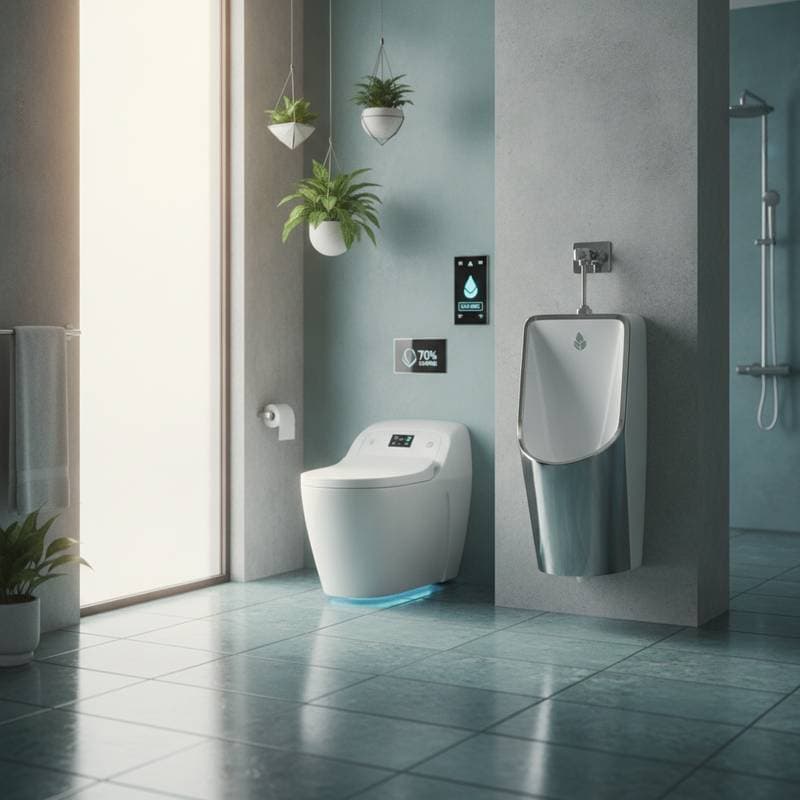
Automated controls simplify interactions with water sources. Sensor-based faucets, showers with preset temperatures, and voice-operated toilets enable hygienic routines without demanding precise motions. Leading manufacturers, including Kohler and TOTO, have improved sensor precision for reliable responses to gestures or commands. Such features lessen physical effort, proving essential for maintaining ease in personal care. Integration with home assistants further creates an adaptive space that anticipates and fulfills user needs, while promoting cleanliness in multi-person homes.
7. Adaptive Height Vanities
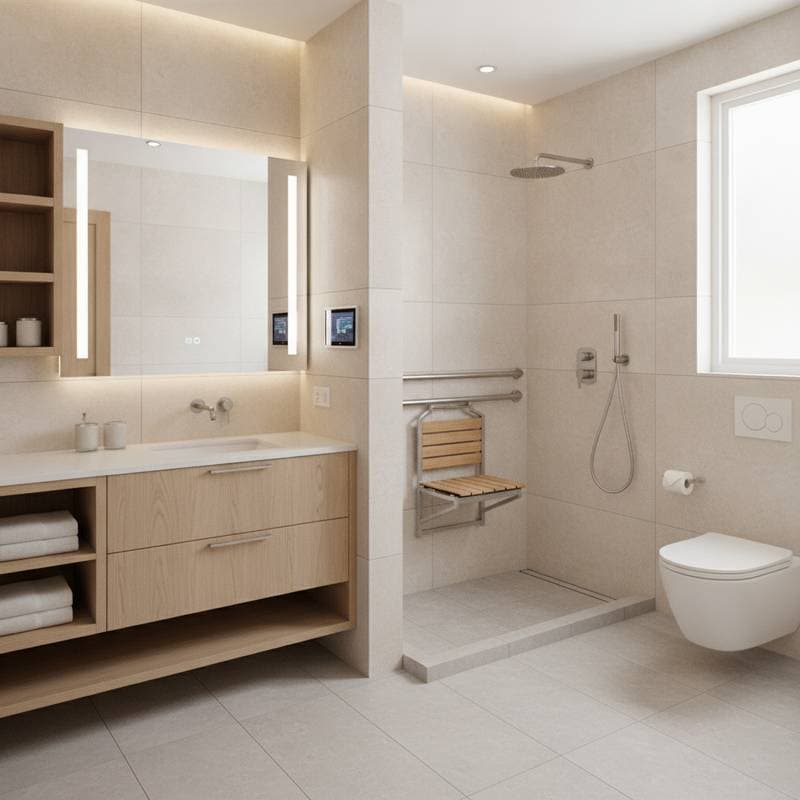
Standard vanities often fail to adapt to evolving mobility requirements. Electric height-adjustable units address this by rising or lowering with a single button, suiting both sitting and standing positions. Solutions from Pressalit Care offer smooth, near-silent operation in streamlined forms. These pair well with mirrors featuring built-in LED lighting and subtle matte frames, forming a unified grooming area. This adaptability delivers practical versatility without sacrificing style or space harmony.
6. Smart Toilets with Personalized Health Monitoring
Modern toilets serve as discreet health tools within the home. Advanced models assess factors like hydration and body temperature, providing subtle alerts to shifts in well-being. Once limited to clinical settings, these now fit seamlessly into residential designs with clean lines. The TOTO Neorest NX2, for example, includes bidet capabilities, auto-opening lids, and integrated sensors. With features like antimicrobial coatings and warmed seats, it merges ease, cleanliness, and proactive health support.
5. Digital Shower Systems
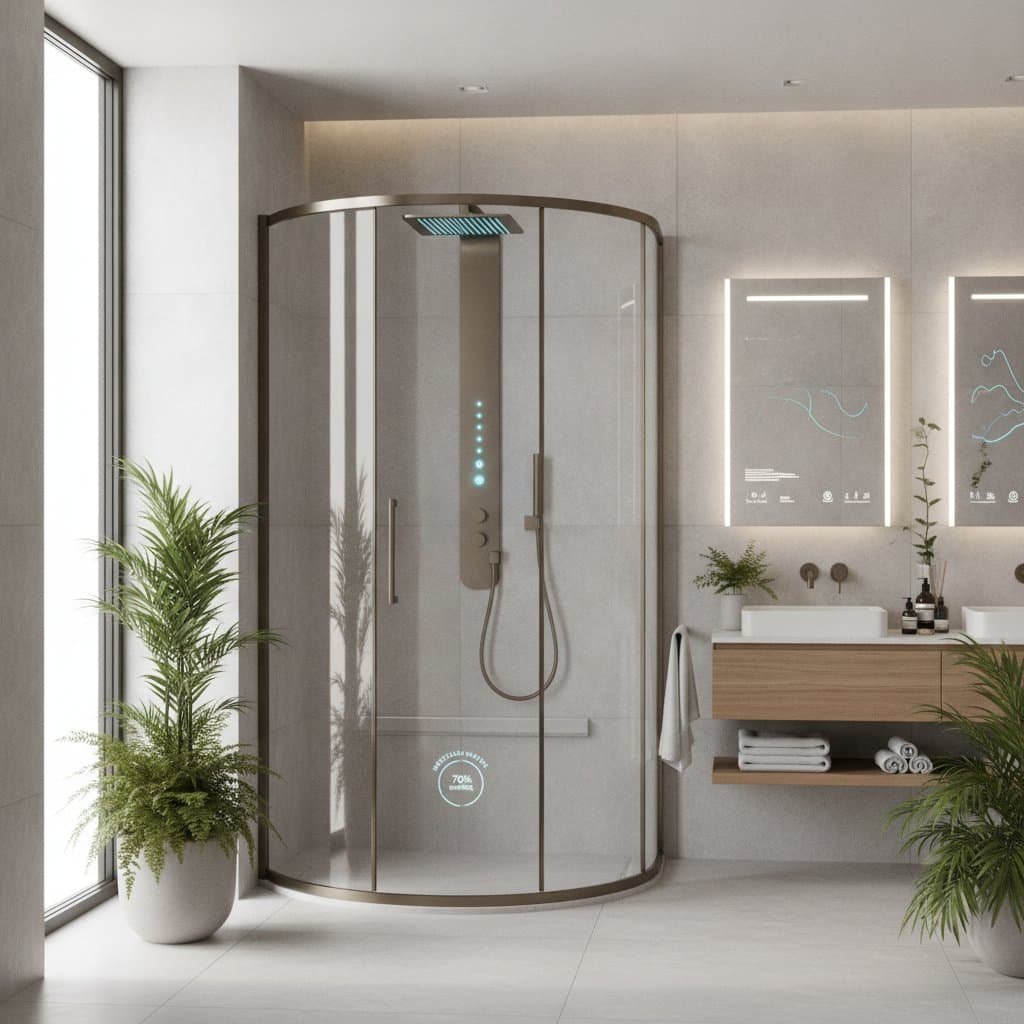
Digital interfaces for showers let users program exact water temperature, flow rate, and session length, eliminating guesswork and reducing slip risks. Predictable settings enhance relaxation and safety for those with varying abilities. Options such as Grohe SmartControl or Moen Smart Shower feature intuitive panels with oversized, illuminated buttons suitable for limited hand strength. Positioning these at accessible heights against contrasting backgrounds, like natural stone walls, boosts ease of use and visual clarity.
4. Heated Surfaces and Climate Control
Chilly floors and walls can deter bathroom use and amplify unease. Underfloor radiant heating and wall-embedded systems deliver consistent warmth, offering a spa-like therapeutic benefit. Smart thermostats enable remote preheating via mobile devices, preparing the space upon approach. Complementary heated towel warmers from Amba Products keep linens at optimal temperatures. These elements turn routine visits into soothing experiences, with warm contact points encouraging regular, comfortable engagement.
3. Smart Mirrors with Integrated Assistance
Bathroom mirrors now function as multifunctional centers for wellness and daily support. They show medication schedules, track vital signs, and optimize lighting for tasks like shaving or applying makeup. The HiMirror Slide employs facial recognition for personalized skin assessments, while custom versions blend into cabinet designs. Surrounding these with gentle edge lighting in neutral tones, such as Benjamin Moore’s Soft Chamois, positions the mirror as a focal point that aids without overwhelming the room.
2. Accessibility-Focused Bathtubs and Showers
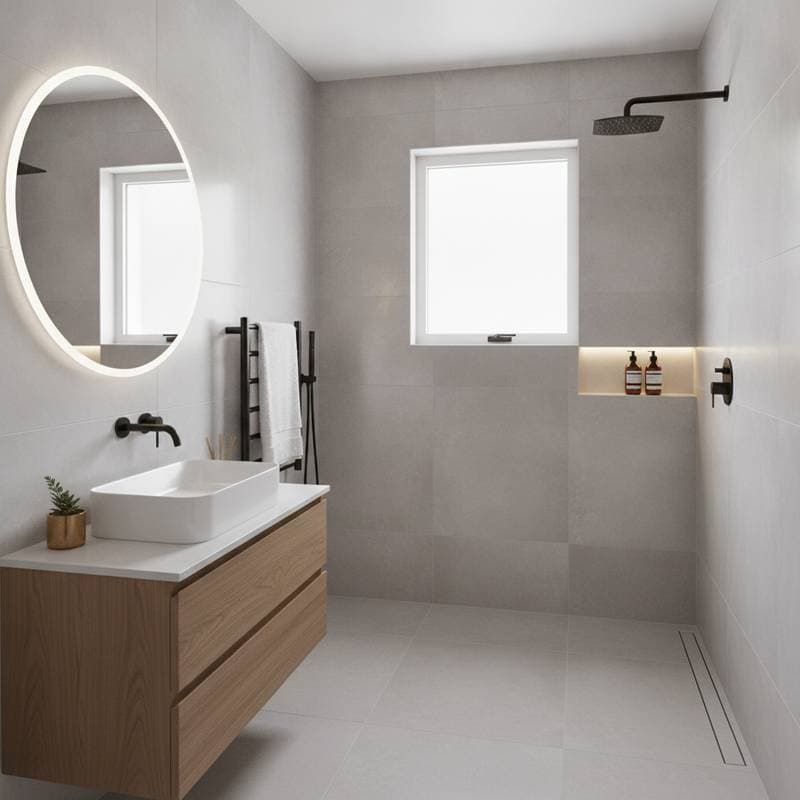
Seamless access forms the core of inclusive bathroom planning. Contemporary low-barrier showers use linear drains to create uninterrupted floor planes, facilitating safe entry. Walk-in tubs have shed their outdated appearances for sleek shapes, built-in seats, and optional color therapy lights. Durable materials like matte acrylic or stone composites offer warmth and non-slip properties. Finishing touches in finishes such as brushed nickel add subtle elegance and longevity to these essential features.
1. Integrated Monitoring and Emergency Response Systems
Progressive bathrooms embed monitoring tools that safeguard without compromising solitude. Overhead sensors track environmental factors like moisture levels and activity, using simple algorithms to spot anomalies. These connect to cellular networks for instant alerts to contacts or services. Architects hide components behind panels or in fixtures to sustain a peaceful aesthetic. This approach keeps the bathroom a tranquil retreat, focused on support rather than surveillance.
Designing Bathrooms for Enduring Comfort
Successful aging-in-place bathrooms stem from a foundation of understanding and foresight. These technologies nurture not just physical ease but also a sense of security and self-respect. The space evolves into an attentive ally that enhances routines through thoughtful responses.
Selecting materials amplifies this intent. Warm-toned oak cabinets alongside quartz surfaces in shades like Caesarstone’s Organic White promote a soothing familiarity. Diffused illumination aids sight without strain, and varied tile textures encourage sensory interaction. Together, these choices build an inviting setting that sustains mobility and joy over time.
Looking ahead, bathroom innovations will continue prioritizing adaptability to individual lifestyles. Homeowners and designers benefit from incorporating these elements early, ensuring spaces that evolve alongside their users. This investment fosters lasting well-being through practical, caring design.