Universal Design Makes Bathrooms Work for All Ages
Bathrooms serve as essential spaces in every home, yet they often present challenges as people age or face mobility issues. Universal design addresses these concerns by creating environments that accommodate individuals of all ages and abilities from the outset. This approach ensures safety, comfort, and aesthetic appeal without sacrificing functionality.
By integrating thoughtful elements, homeowners can transform bathrooms into versatile sanctuaries. These spaces support independent living and adapt to changing needs over time. The result is a bathroom that remains relevant and welcoming throughout life's stages.
Understanding Universal Design Principles
Universal design focuses on inclusivity, making spaces usable by the widest range of people possible. In bathrooms, this means prioritizing flexibility, simplicity, and intuitive operation. Designers draw from seven core principles: equitable use, flexibility in use, simple and intuitive operation, perceptible information, tolerance for error, low physical effort, and size and space for approach and use.
These principles guide modifications that benefit everyone, not just those with disabilities. For instance, wider doorways aid wheelchair access while also simplifying movement for families with young children. The goal is to anticipate needs proactively rather than reactively.
Applying these ideas prevents the need for costly renovations later. Homeowners invest once in features that endure. This forward-thinking strategy aligns with the concept of aging in place, where individuals remain in their homes comfortably as they grow older.
Essential Safety Features for Every Bathroom
Safety forms the foundation of universal bathroom design. Slip-resistant flooring prevents falls, a leading cause of injuries in bathrooms. Materials such as textured porcelain tiles or cork provide traction without compromising cleanliness or style.
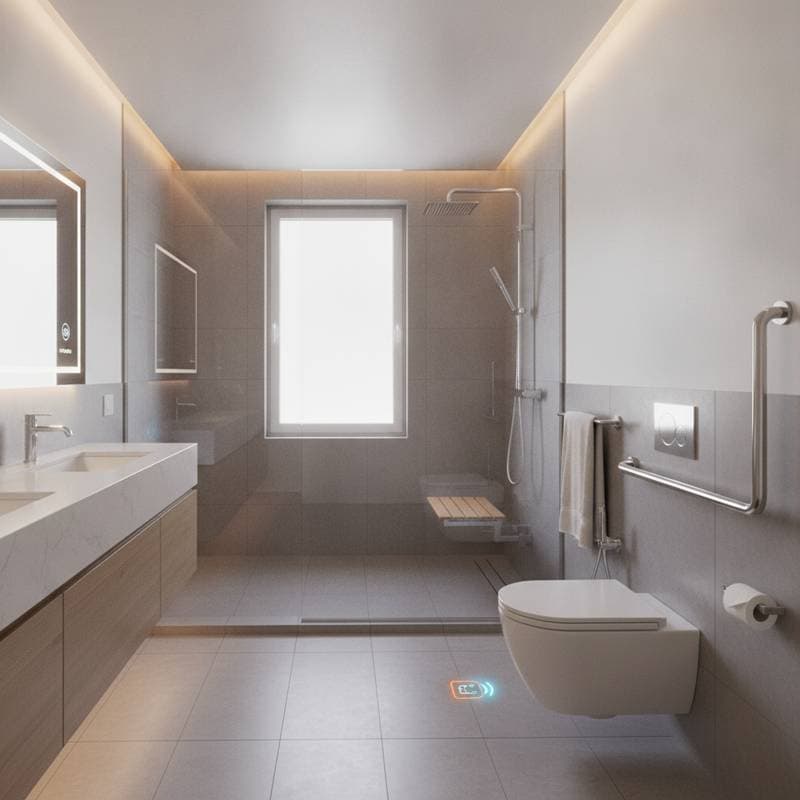
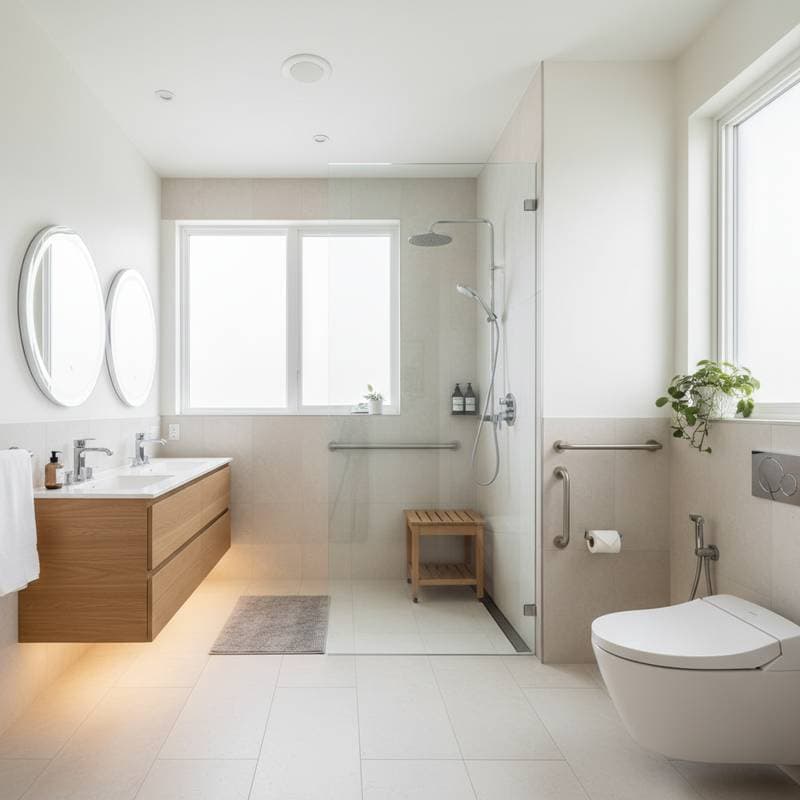
Grab bars offer crucial support near toilets, showers, and bathtubs. Install these in multiple locations to accommodate various heights and reach preferences. Opt for concealed mounting systems to maintain a sleek appearance.
Lever-style faucets and door handles reduce the physical effort required for operation. These replace twist knobs, which can be difficult for those with limited dexterity. Automatic or touchless options further enhance ease of use.
Flooring and Surface Choices
Select flooring with a high coefficient of friction, even when wet. Avoid glossy surfaces that become hazardous. Combine this with non-slip mats in high-traffic areas for added protection.
Countertops and walls should feature rounded edges to minimize injury risk. Materials like quartz or solid surface offer durability and smooth cleaning. These choices ensure the space remains hygienic and safe.
Accessibility Enhancements for Showers and Tubs
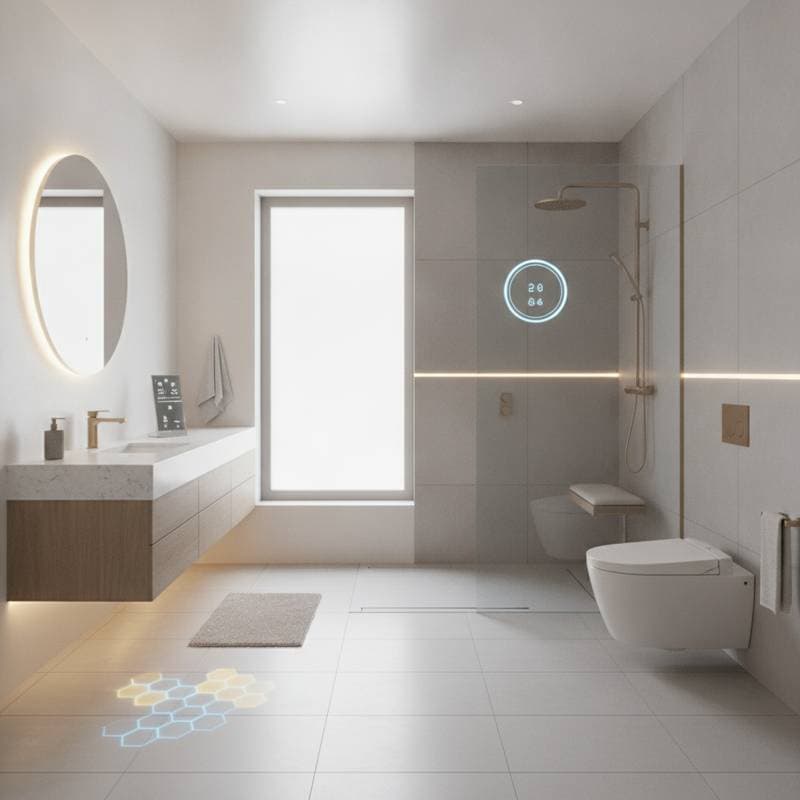
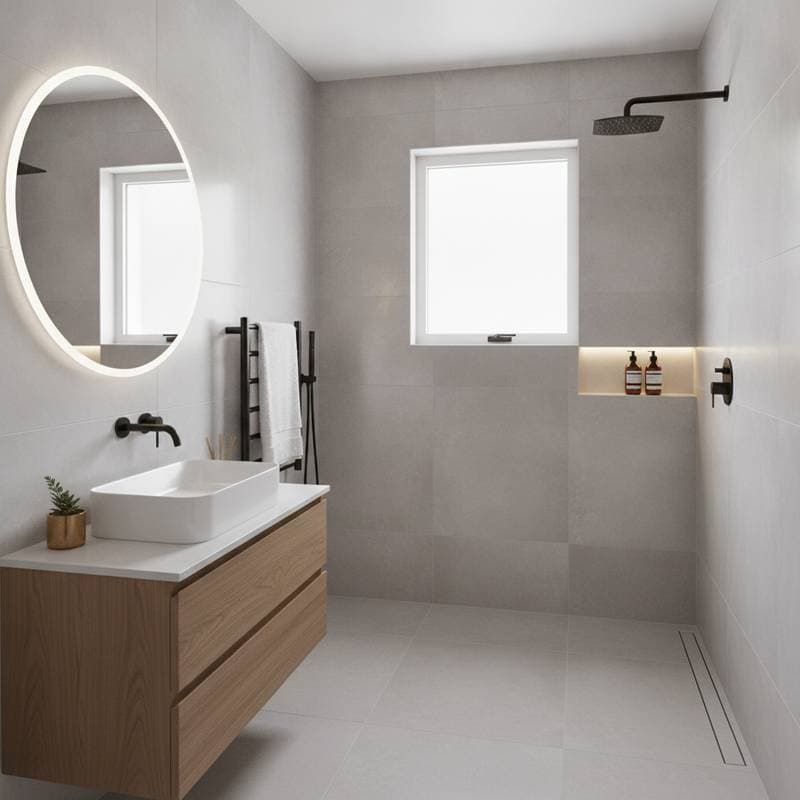
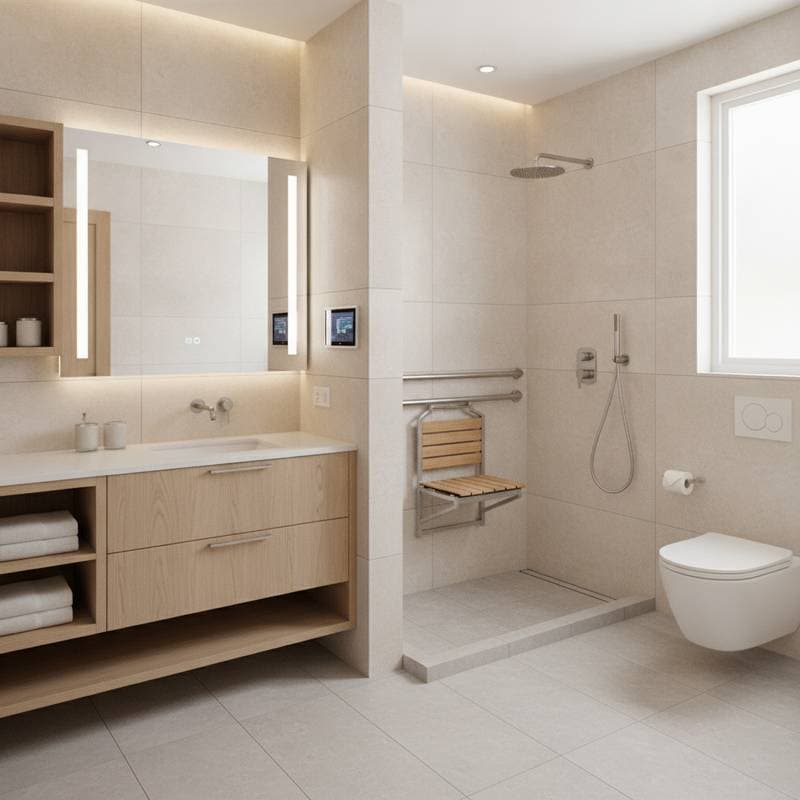
Zero-threshold showers eliminate the need to step over curbs, making entry seamless for all users. Curbless designs integrate the shower floor with the bathroom level, often using linear drains for efficient water management.
Install fold-down benches or built-in seats within the shower area. These provide resting spots without obstructing space when not in use. Adjustable handheld showerheads allow customization of water flow and direction.
For tubs, consider walk-in models with low entry steps. Transfer benches assist those needing support during bathing. These features promote independence while reducing caregiver burden.
Lighting and Visibility Improvements
Adequate lighting prevents accidents and improves visibility. Layered illumination includes overhead fixtures, task lights near mirrors, and ambient sources for overall warmth. Dimmable options accommodate varying preferences.
Motion-sensor lights activate automatically in low-visibility conditions. This proves especially useful at night. Anti-fog mirrors with integrated lighting enhance grooming tasks.
Integrating Comfort and Adaptability
Comfort extends beyond safety to include ergonomic considerations. Adjustable-height vanities accommodate standing, seated, or wheelchair use. Pull-out shelves and tilting mirrors add versatility.
Heated floors and towel racks provide soothing warmth, particularly beneficial in cooler climates. Thermostatic shower valves maintain consistent water temperature, avoiding scalding risks.
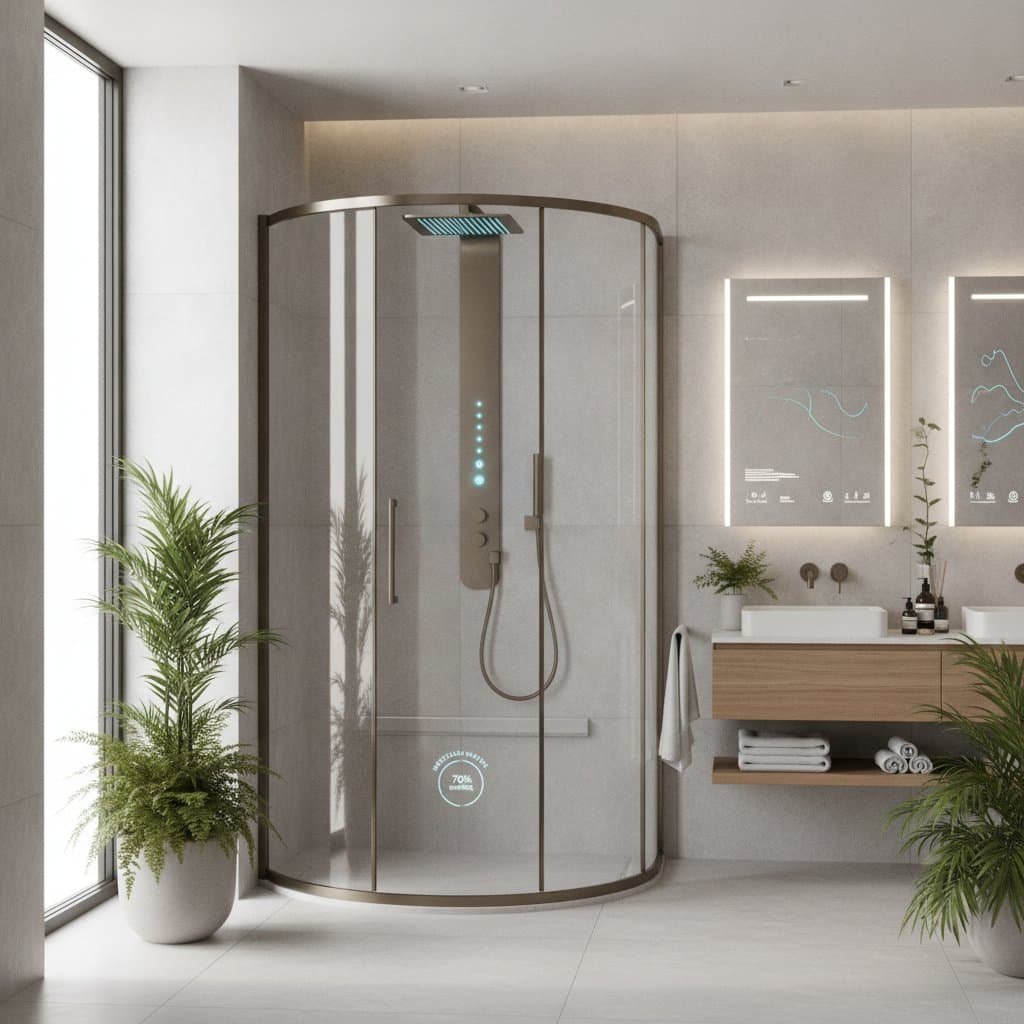
Smart technology elevates functionality. Voice-activated controls manage lighting, fans, and music. Sensor-based faucets conserve water while ensuring hygiene.
Stylish Fixtures That Adapt
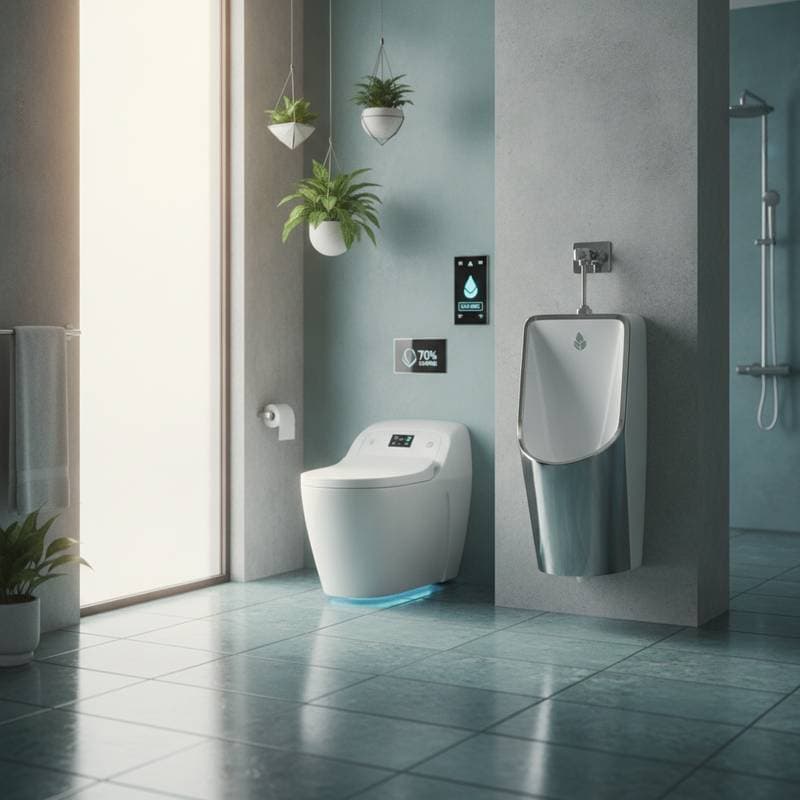
Choose fixtures in neutral finishes like brushed nickel or matte black for timeless appeal. Modular shelving systems allow reconfiguration as needs evolve. Wall-mounted toilets save floor space and facilitate cleaning.
Incorporate natural elements such as wood accents or plants for a calming atmosphere. These details blend practicality with beauty, creating an inviting space.
Steps to Implement Universal Design
Begin by assessing your current bathroom layout. Measure door widths, fixture placements, and traffic flow to identify constraints. Consult local building codes for compliance.
-
Plan the layout with professional input if needed. Prioritize open space around key areas like the toilet and shower.
-
Select materials and fixtures that meet universal standards. Focus on durability and multi-use potential.
-
Install safety elements first, such as grab bars and flooring. Reinforce walls during initial construction to support future additions.
-
Add accessibility features like zero-threshold entries. Ensure proper drainage to avoid water issues.
-
Incorporate technology and comfort upgrades. Test all systems for intuitive operation.
-
Finish with aesthetic touches to personalize the space. Balance form and function throughout.
Budget for these changes varies, but starting small yields significant returns. Many elements qualify for tax credits or rebates in accessibility programs.
Benefits for Lifelong Comfort and Independence
Universal design bathrooms enhance daily routines for all household members. Children navigate safely, adults enjoy convenience, and seniors maintain autonomy. This inclusivity fosters family bonding without barriers.
Property values increase with these adaptable features. Future buyers appreciate spaces designed for longevity. Homeowners avoid disruptive remodels, saving time and expense.
Ultimately, these bathrooms promote well-being. They reduce stress, prevent injuries, and support healthy aging. Invest in a space that evolves with you, ensuring comfort for years to come.