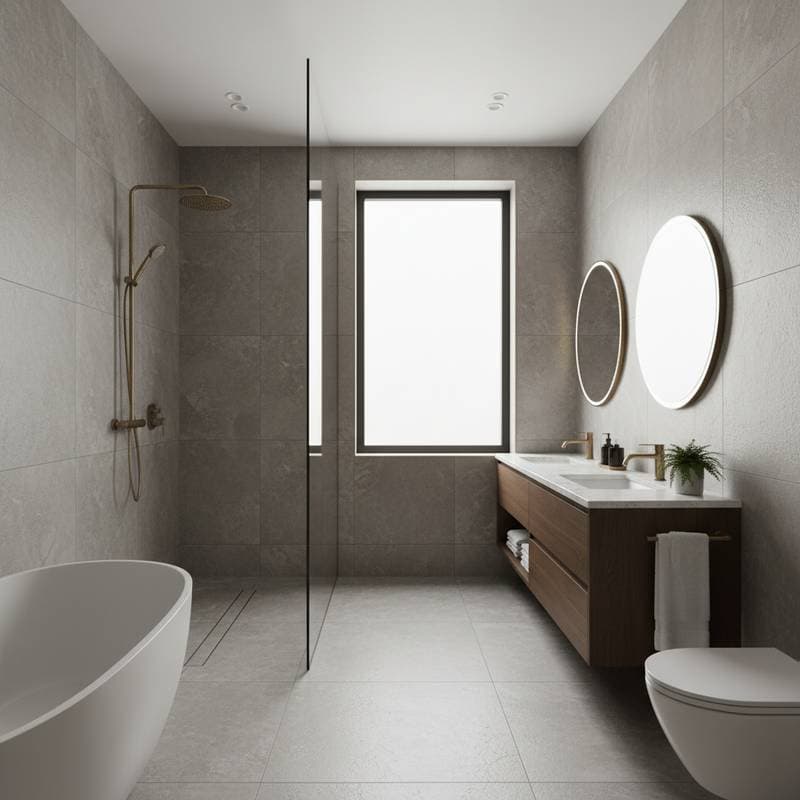
Wet Rooms Eclipse Traditional Showers
Homeowners increasingly envision bathrooms without the barriers that once confined showers. Advanced waterproofing, open layouts, and innovative drainage systems enable this evolution. As a remodeling contractor with years of experience, I observe that wet rooms represent more than a trend; they offer enduring solutions for luxury renovations and accessible living.
Why Traditional Showers Are Losing Ground
Traditional showers fulfill basic needs, yet they impose design constraints. Curbs, enclosures, and fixed footprints limit spatial creativity. Over years, these elements foster challenges: grout accumulates moisture, doors gather residue, and thresholds pose fall risks.
Many clients begin with modest shower updates only to pursue full wet room conversions upon recognizing sustained advantages. This transition stems from demands for simplicity, security, and expansive visuals. Individuals seek environments that simplify upkeep, enhance safety, and promote openness.
What Defines a Wet Room
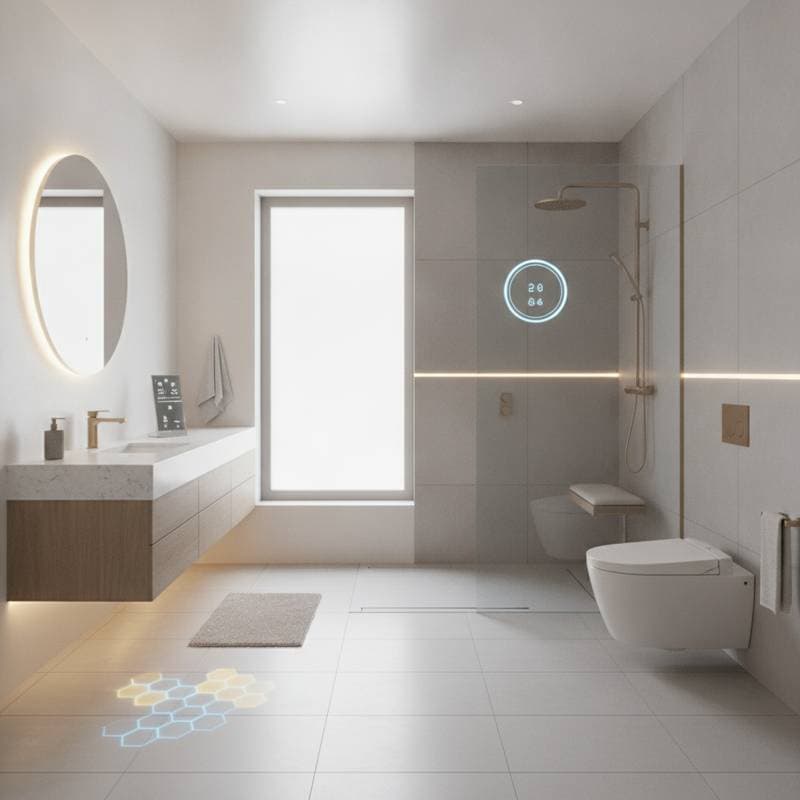
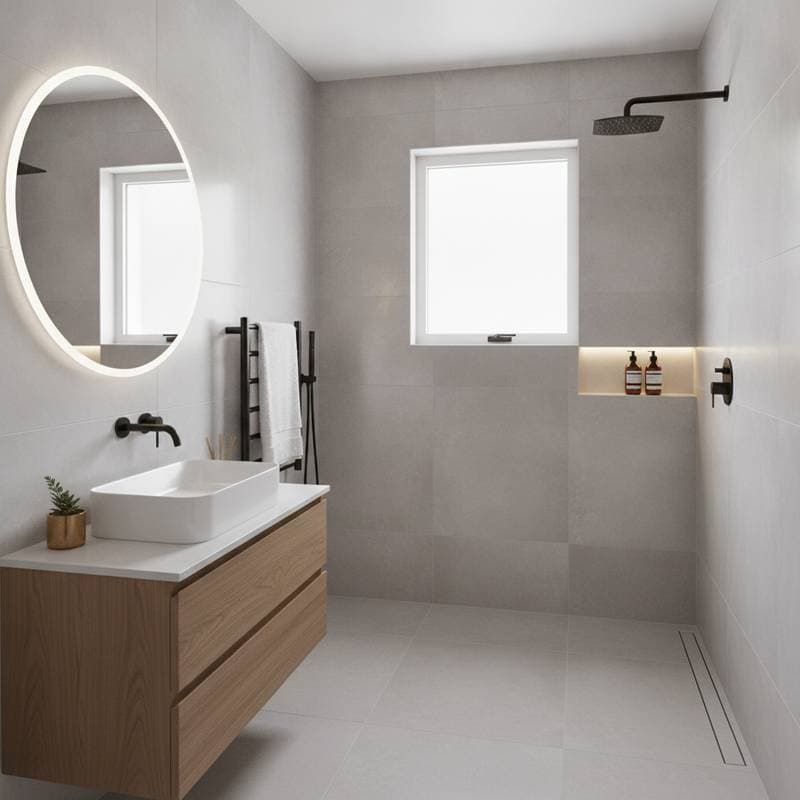
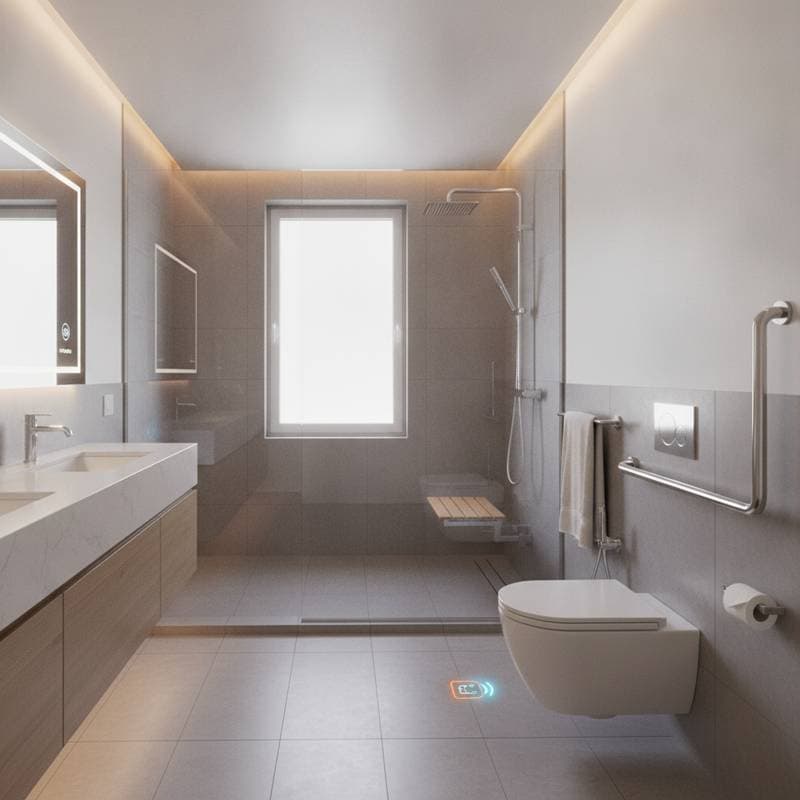
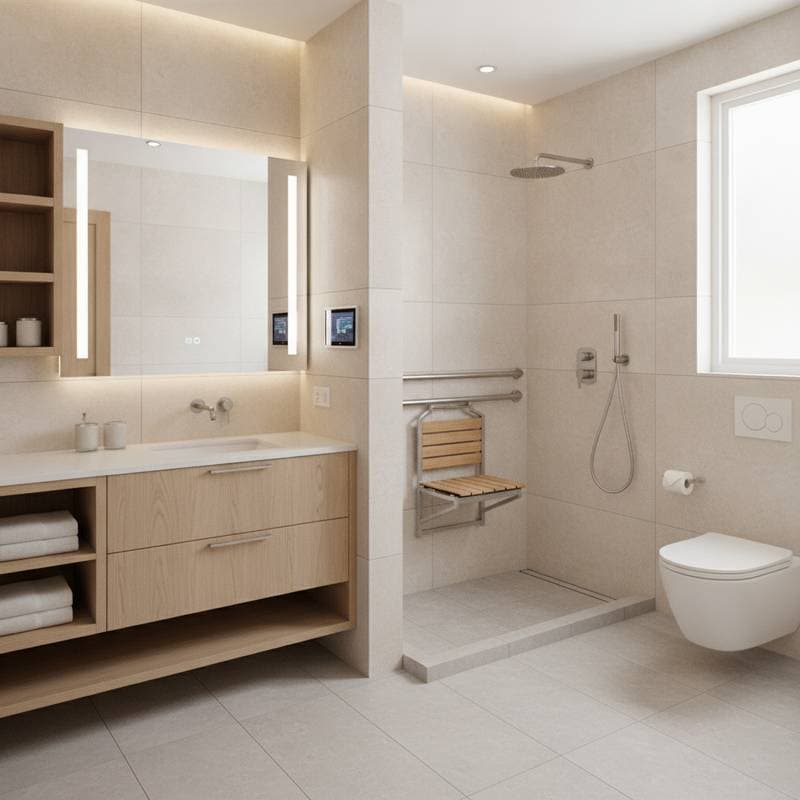
A wet room features a comprehensively waterproofed bathroom with a level floor and built-in drainage. No elevated pan or enclosing door isolates the shower zone. The whole space accommodates water contact, with the floor angled to direct flow toward a linear or central drain. Walls receive a protective membrane prior to tiling.
Contractors note that preparation distinguishes this approach. Standard showers limit waterproofing to the base and partial walls. Wet rooms necessitate total sealing from floor to ceiling in wet areas, plus strategic slope, drain positioning, and airflow planning. Executed properly, they deliver exceptional resilience and user-friendliness.
The Appeal Driving This Shift
Multiple factors propel wet rooms ahead of conventional showers.
-
Accessibility and Safety
Level entries remove steps that contribute to accidents. Such configurations suit aging residents or those facing mobility issues. Clients often commission wet rooms to future-proof their homes, avoiding extensive alterations down the line. -
Ease of Cleaning
Reduced crevices, frames, and joints streamline maintenance. Efficient drainage prevents residue buildup, minimizing mold risks. Users value the ability to flush the area swiftly without material concerns. -
Modern Aesthetic
Minimalism shapes current bathroom preferences. Barrier-free walk-ins amplify perceived space and evoke spa serenity. Tiles, illumination, and hardware emerge as focal points rather than concealed elements. -
Increased Property Value
Real estate experts highlight buyer interest in contemporary bathrooms. A proficient wet room conveys superior build quality and intentional layout. Investments typically yield returns via elevated market appeal. -
Efficient Use of Space
In compact settings, eliminating enclosures doubles the sense of scale. Thoughtful arrangements ensure effective drainage and sealing without compromising usability.
Practical Construction Considerations
Builders emphasize the need for exactitude in wet room projects. Errors prove costlier than in standard installations. Homeowners benefit from grasping these essentials prior to commencement.
-
Full Waterproofing
All moisture-prone surfaces require protection. Install cement backer board, apply a robust membrane, and secure joints. Omissions or subpar products invite delayed leaks. -
Proper Slope
Direct the floor toward the drain at one-eighth to one-quarter inch per foot. Inadequate gradients cause pooling and complications. Options include pre-formed bases or tailored mortar layers, demanding precise measurement. -
Drainage Design
Linear drains favor wet rooms for their unidirectional slope compatibility. They facilitate cleaning and integrate with oversized tiles. Central drains demand multi-directional pitches, complicating tile alignment. -
Ventilation and Heating
Elevated humidity calls for adequate exhaust systems. Underfloor radiant heat accelerates evaporation and elevates comfort. -
Material Selection
Choose porcelain tiles for wet zones due to their durability. Opt for epoxy grout to resist water penetration. Natural stones require periodic sealing for longevity.
Common Mistakes and How to Avoid Them
Installers, even seasoned ones, occasionally err in wet room executions. Routine problems observed in assessments include the following:
-
Insufficient Waterproofing Coverage
Treating the space like a basic shower limits protection to core areas. Moisture travels undetected, causing structural harm. Verify comprehensive floor and wall sealing throughout. -
Incorrect Floor Pitch
Irregular angles lead to water accumulation in edges. Remediation post-tiling involves demolition. Conduct a preliminary water test to validate slopes. -
Improper Drain Placement
Positioning near obstacles disrupts tile patterns and access. Initial design phases prevent such issues. -
Ventilation Oversight
Inadequate airflow sustains dampness and fosters mold. Select fans matched to room volume and automate post-use operation. -
Low-Quality Materials
Inexpensive barriers and sealants degrade quickly. Prioritize specialized, warranted products for wet applications.
Cost and Value Balance
Initial wet room expenses exceed those of standard showers owing to intricate waterproofing and engineering. Long-term savings from reduced repairs and upkeep justify the outlay. Durability enhances overall satisfaction.
Quotations reflect labor intensity over material costs. Expertise in leak-proof assembly guarantees extended service life. Selecting a specialist in wet room fabrication maximizes returns.
How Homeowners Can Prepare
Contemplating a wet room remodel warrants proactive measures.
-
Consult a Licensed Contractor
Confirm expertise through portfolios and client endorsements. -
Review Waterproofing Systems
Obtain specifics on techniques, brands, and joint treatments in documentation. -
Check Local Codes
Ensure compliance with drain specifications, gradients, and inspections. -
Plan for Drain Placement Early
Align with plumbing, slopes, and surfacing to sidestep revisions. -
Request a Flood Test
Simulate usage by flooding the sealed zone for 24 hours pre-tiling to detect flaws.
Long-Term Maintenance and Care
Wet rooms demand less effort than enclosed showers, yet regular care preserves integrity. Clean grout periodically and examine seals yearly. Refresh caulking at signs of separation. Employ gentle, neutral pH solutions to safeguard surfaces.
For heated floors, maintain clear vents and controls for circulation. Remove debris from drains routinely. Consistent practices sustain waterproofing and appeal over decades.
Maximizing Daily Comfort in Your Wet Room
Embrace the freedom of a seamless bathroom by integrating personal touches like ambient lighting or textured tiles. Daily routines become effortless, fostering relaxation amid secure, stylish surroundings. This design choice elevates home life, blending form and function seamlessly.