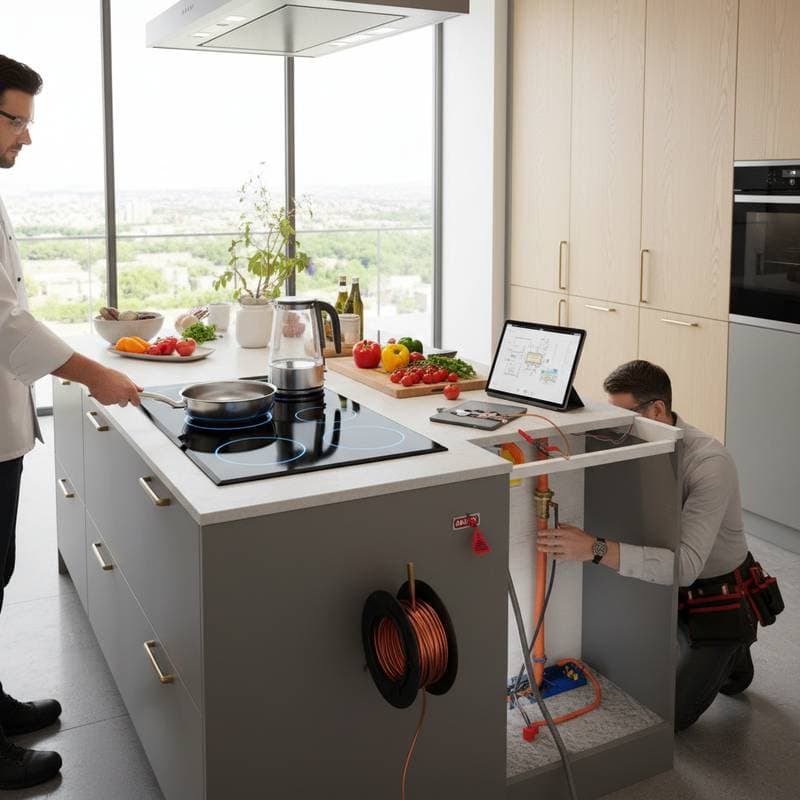
From Gas to Induction: The Kitchen Retrofit Revolution
Homeowners often appreciate the immediate heat and precise control of gas cooktops. However, factors such as evolving building codes, rising utility costs, or awareness of induction benefits may prompt a change. Induction cooking offers superior speed, safety, and cleanliness. The conversion process proves feasible and practical for many. This guide outlines the transition, anticipated outcomes, and budget-conscious planning strategies.
Reasons Homeowners Choose Induction
Gas cooking remains favored for its visible flame and quick response. Induction has transitioned from a specialized choice to a widespread preference. Induction cooktops employ magnetic fields to heat cookware directly, bypassing the surface below. This approach achieves high efficiency, as nearly all energy targets the pan rather than surrounding air.
Consequently, boiling occurs more rapidly, temperature regulation proves exact, and kitchens remain cooler. Homeowners value the absence of open flames and combustion byproducts, which enhances indoor air quality and minimizes hazards near children or pets.
Fundamentals of Induction Cooking
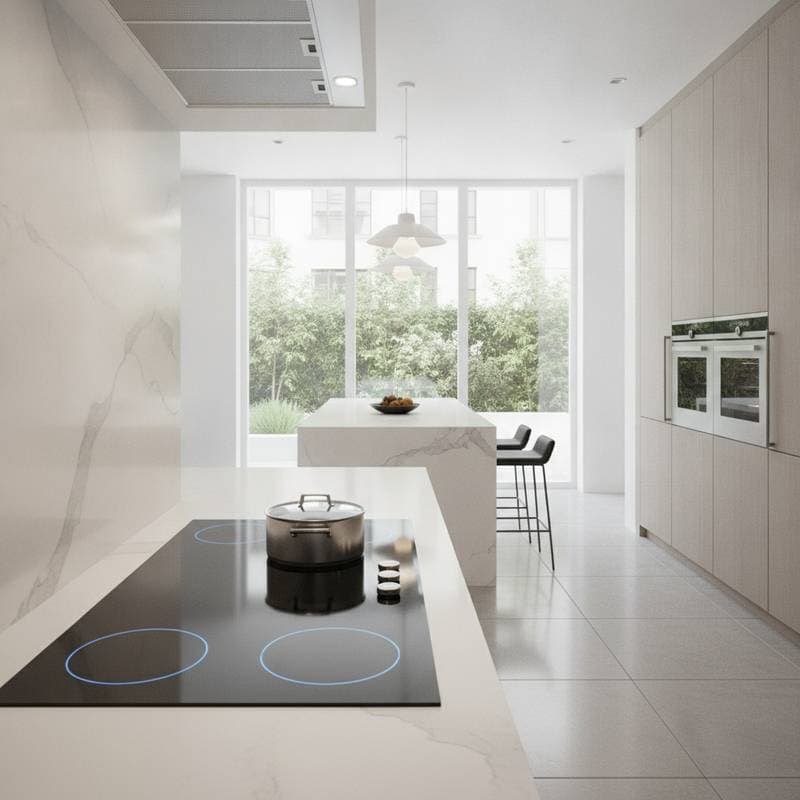
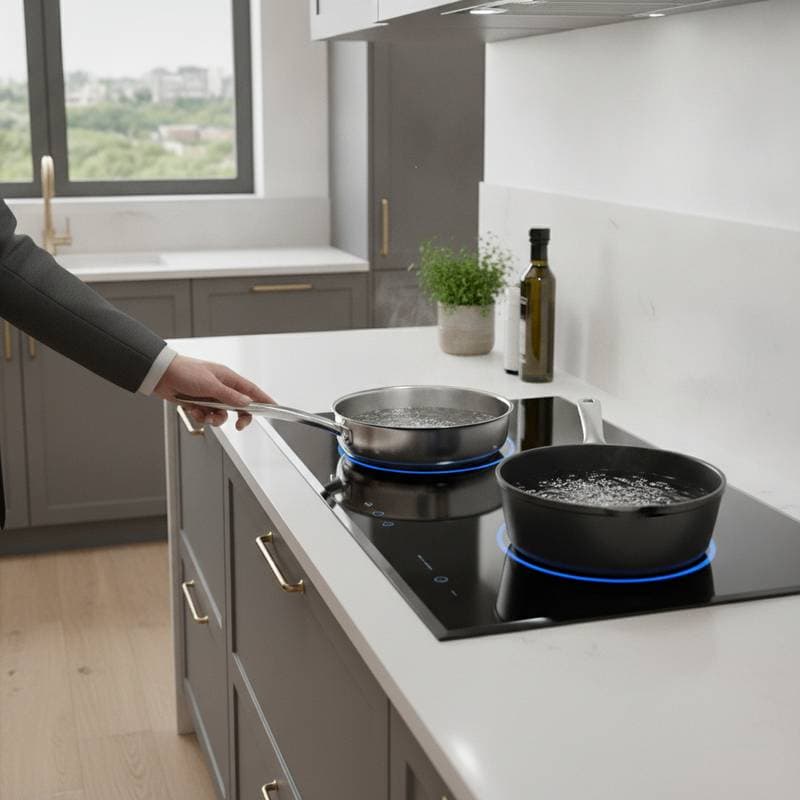
Grasp the mechanics of induction before initiating a conversion. Each cooking zone features a coil under a glass surface, replacing traditional heating elements or burners. Placement of magnetic cookware over the zone generates an electromagnetic current that warms the pot directly. The surface maintains relative coolness, and heating ceases immediately upon removal of the pot.
Assess cookware compatibility by attaching a magnet to the pan base. Adhesion indicates suitability for induction. Materials like stainless steel and cast iron typically succeed, whereas aluminum, copper, and glass require an induction-compatible base.
Steps for Gas-to-Induction Conversion
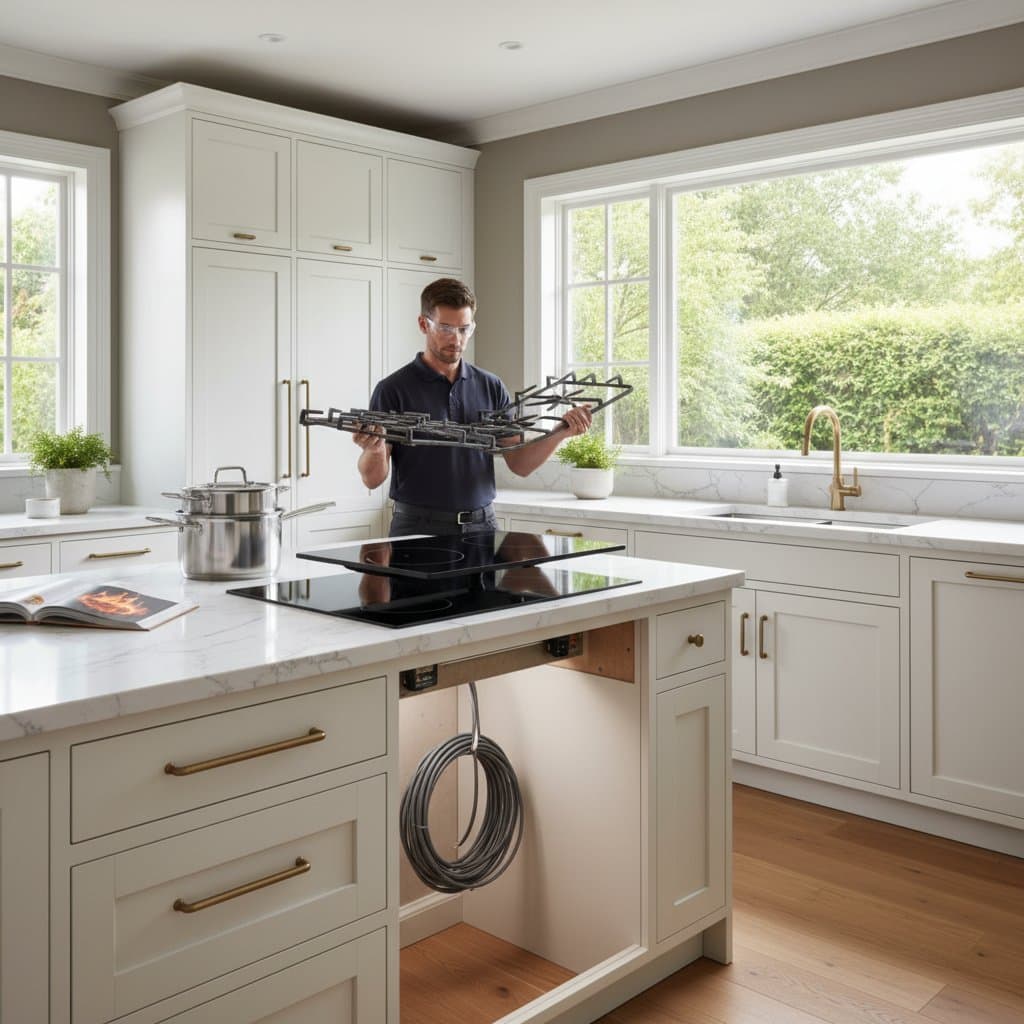
The shift from gas to induction entails three primary modifications: gas line disconnection, electrical enhancement, and cooktop installation. Proceed with these elements methodically to ensure safety and effectiveness.
-
Cap the gas line: Engage a licensed plumber to disconnect and seal the line against leaks. This task completes swiftly and costs between $100 and $300.
-
Enhance electrical capacity: Induction units demand substantial power, often a dedicated 240-volt circuit rated at 30 to 50 amps. Standard kitchen outlets necessitate new wiring from the breaker panel by a qualified electrician. Budget $300 to $800, influenced by wiring distance and panel capabilities.
-
Mount the cooktop: After electrical and gas preparations, position the unit. Numerous models fit existing countertop openings from gas installations. Dimension mismatches may require countertop adjustments by a fabricator, priced at $150 to $400.
Selecting an Appropriate Induction Cooktop
Induction options vary by layout and features. A four-zone 30-inch unit accommodates typical households, while five-zone 36-inch models support avid cooks. Pricing spans categories:
-
Basic models: $900 to $1,400, equipped with straightforward touch interfaces and standard power levels.
-
Intermediate models: $1,500 to $2,500, providing adaptable zones and enhanced temperature accuracy.
-
Advanced models: $3,000 and above, incorporating intelligent sensors, zone bridging, and seamless flush installations.
Evaluate controls for intuitiveness, surface resilience, and service availability. Hybrid designs that align with standard cutouts simplify replacements.
Key Factors to Evaluate Prior to Conversion
Cookware expenses: Acquire induction-ready sets if existing items prove incompatible, allocating $150 to $400 for essentials. Mid-tier stainless steel collections deliver reliable performance affordably.
Efficiency gains: Induction converts 85 to 90 percent of energy to food, surpassing gas's 35 to 40 percent. Expect reduced waste and accelerated preparation times.
Ventilation needs: Induction eliminates combustion emissions, yet range hoods remain essential for steam, grease, and aromas. Opt for compact, low-noise units, as byproduct venting becomes unnecessary.
Regulatory compliance: Electrical upgrades typically demand permits, managed by electricians. Gas line removals may require plumbing approvals in certain locales.
Safety and upkeep: Rapid cooling and flame absence lower burn and ignition dangers. Maintenance simplifies, as spills wipe easily from glass. Employ gentle sponges and eschew abrasives to preserve the surface.
Enduring Advantages of Electric Induction
The switch extends beyond savings to elevate kitchen usability and security. Experience stable temperatures, diminished residual warmth, and subdued operation. Without flames, surfaces like walls and cabinets accumulate less residue, while air quality improves by avoiding pollutants.
Efficiency and minimal upkeep gradually recoup initial investments. Induction appliances endure 10 to 15 years, often backed by extended warranties.
Steps to Execute Your Retrofit
To proceed with the gas-to-induction shift, arrange consultations with an electrician and plumber. Verify circuit adequacy, dimension the current cutout, and select appliances aligned with your routines.
The result includes a cooler, tidier, and more reactive kitchen. Benefit from expedited cooking, simplified maintenance, and heightened safety for all household members.