Wet Rooms: Transforming Traditional Shower Spaces
Wet rooms represent a shift in bathroom design, offering open layouts that enhance both aesthetics and functionality. These waterproof environments eliminate barriers, creating seamless spaces suitable for various home sizes and needs. This approach provides practical solutions for modern living, from improving accessibility to simplifying maintenance.
Defining the Wet Room Concept
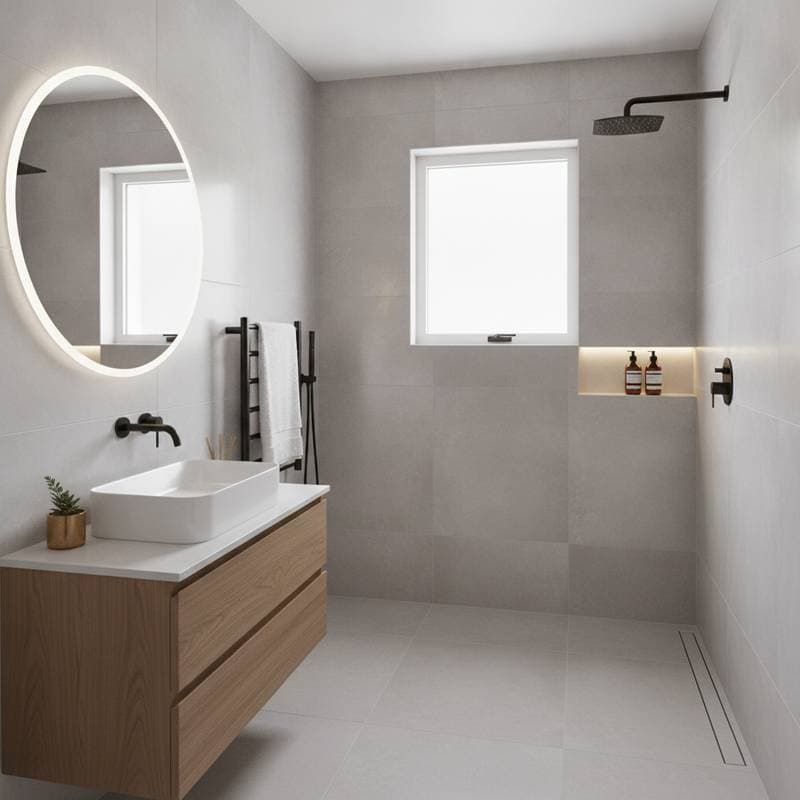
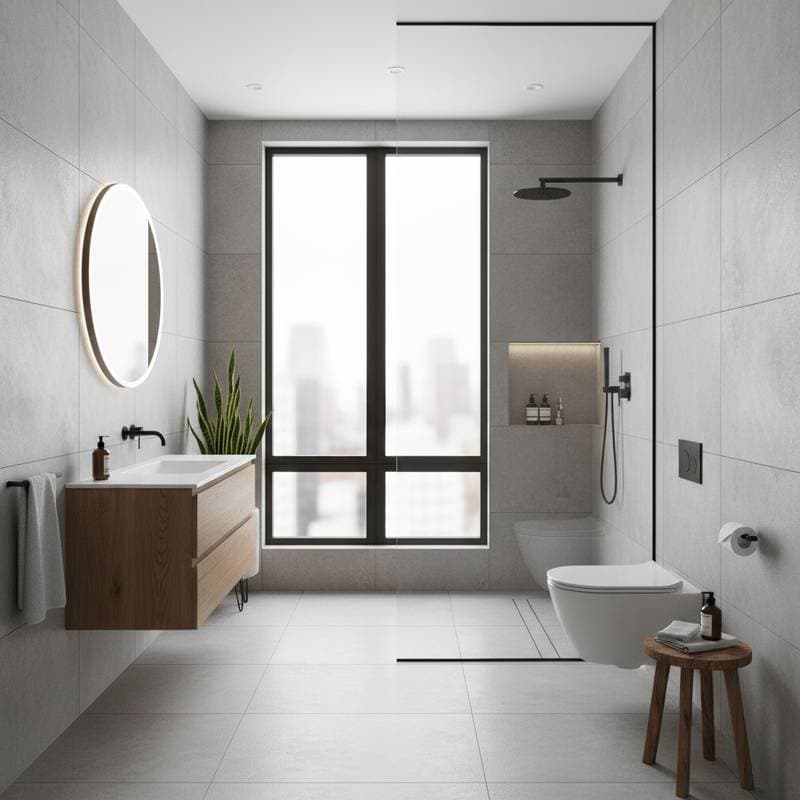
A wet room features a fully waterproofed bathroom where the shower integrates directly into the floor without curbs or enclosures. The flooring slopes gently toward a drain, allowing water to flow freely across the entire space. This design uses continuous materials, such as tiles or resin coatings, to maintain a unified appearance that expands visual boundaries.
Originating from European architecture, wet rooms emphasize minimalism and efficiency. They adapt well to contemporary homes, providing a clean aesthetic that prioritizes flow and usability over compartmentalization.
Key Advantages of Wet Room Designs
Wet rooms address common bathroom limitations through innovative features. The following benefits highlight their appeal for homeowners seeking practical upgrades.
Visual Space Enhancement
Removing curbs and panels creates an illusion of greater area, particularly in compact bathrooms. Continuous flooring draws the eye across the room, making even modest spaces appear expansive. This effect proves especially valuable in urban apartments or guest facilities where every inch counts.
Improved Accessibility Features
The level-entry design eliminates tripping hazards, supporting mobility for all users. It facilitates wheelchair access and reduces physical strain during entry and exit. Such inclusivity ensures the bathroom remains functional throughout life stages, aligning with universal design principles.
Expanded Creative Options
Wet rooms allow experimentation with diverse materials and configurations. Options include large porcelain slabs for a monolithic look, textured stone for warmth, or resin finishes for uniformity. Incorporate elements like linear drains for subtlety or built-in shelves for storage, tailoring the space to personal style.
Cost Considerations Across Budget Levels
Wet room installations vary by scope and materials, accommodating different financial plans. Evaluate these tiers to match project goals with available resources.
Entry-Level Conversions (Under $5,000)
Transform an existing bathroom using liquid waterproofing membranes applied over current surfaces. Install budget-friendly porcelain tiles and a basic point drain. Retain fixtures where possible and add a folding glass screen for splash control, achieving a refreshed look through targeted updates.
Moderate Investments ($5,000 to $15,000)
Incorporate premium elements such as custom mosaic patterns, frameless glass partitions, and channel drains. Integrate radiant floor heating to enhance comfort and promote quick drying. Select durable fixtures in finishes like matte chrome to elevate the overall sophistication.
Premium Custom Builds (Over $15,000)
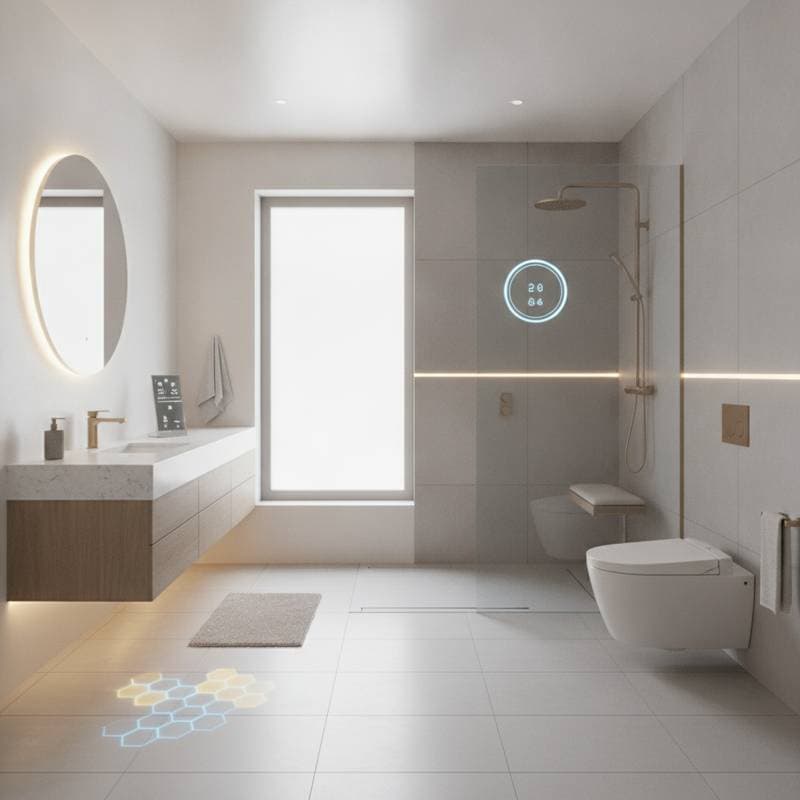
Employ high-end materials including imported marble or custom concrete pours, paired with bespoke vanities. Install advanced features like thermostatic shower systems and ambient LED lighting. This level delivers resort-quality results, often increasing property appeal and value.
Essential Materials and Installation Guidance
Success in wet room projects hinges on selecting appropriate components and following precise steps. Prioritize systems engineered for constant moisture exposure to prevent failures.
Begin with a robust waterproofing layer, such as sheet membranes or cementitious coatings, applied to walls and floors up to specified heights. Opt for pre-formed shower bases with integrated slopes to ensure efficient water runoff. These bases simplify leveling and integrate seamlessly with surrounding tiles.
Select slip-resistant flooring with a coefficient of friction above 0.6, even for polished surfaces. Use rectified tiles to minimize grout joints, reducing cleaning efforts. Apply color-matched sealants around penetrations to maintain watertight integrity.
During installation, verify a minimum 1/4-inch slope per foot toward the drain to avoid pooling. Test the system thoroughly before final tiling. Professional consultation proves essential for complex layouts, ensuring compliance with local plumbing codes.
Industry Innovations Driving Wet Room Adoption
Advancements in materials and techniques make wet rooms more attainable than ever. Manufacturers now offer prefabricated waterproof panels that assemble quickly, minimizing on-site labor. Enhanced drain designs, such as slot-style units, provide discreet functionality without disrupting floor continuity.
These developments benefit builders and designers by streamlining workflows. Homeowners gain access to user-friendly kits that include membranes, adhesives, and drains, enabling semi-DIY approaches. Such progress sustains the trend, fostering broader application in residential renovations.
Practical Maintenance and Daily Use
Wet rooms simplify upkeep due to their streamlined surfaces. Fewer seams mean reduced areas for dirt accumulation, allowing routine care with standard cleaners. Employ a silicone squeegee post-shower to prevent water spots and mineral buildup.
In daily operation, the open design promotes effortless navigation and a sense of serenity. It transforms routine tasks into relaxing experiences, blending luxury with convenience. Regular inspections of seals and drains maintain performance over time.
Realizing the Benefits in Your Home
Implementing a wet room elevates bathroom utility and enjoyment. Assess your space to determine scale, then select materials that harmonize with existing decor. Consult experts for tailored plans that maximize impact.
This design choice not only resolves spatial constraints but also future-proofs the home. Embrace the transition to experience enhanced flow, accessibility, and style in everyday living.