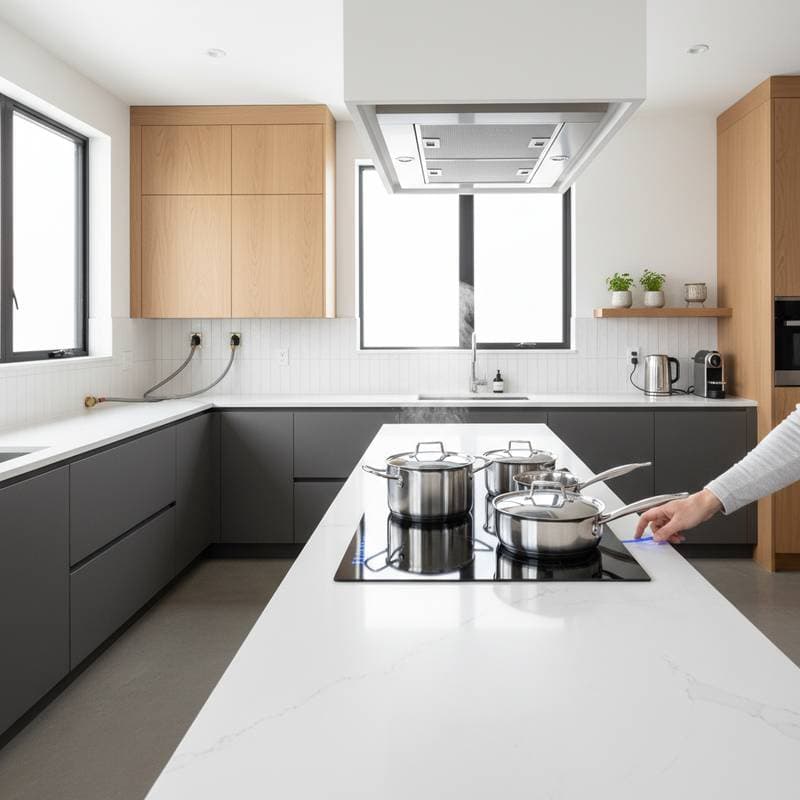
Modernize Your Kitchen: Transition from Gas to Induction Cooking
Homeowners often appreciate the responsiveness of gas cooktops, yet concerns about efficiency, cleanliness, and long-term viability prompt many to reconsider their choices. Neighbors may have adopted smooth induction surfaces, or local building codes might now prioritize electric alternatives. The appeal of such an upgrade is clear, though uncertainties regarding expenses, functionality, and compatibility with current equipment can deter action.
Numerous individuals face this dilemma as they seek to update their kitchens, lower environmental impact, and enhance daily cooking experiences. The transition to induction proves simpler than anticipated. Proper preparation yields benefits such as accelerated heating, simplified maintenance, and a more secure cooking area.
This overview provides essential insights to guide your decision-making process.
Key Benefits of Induction Cooking
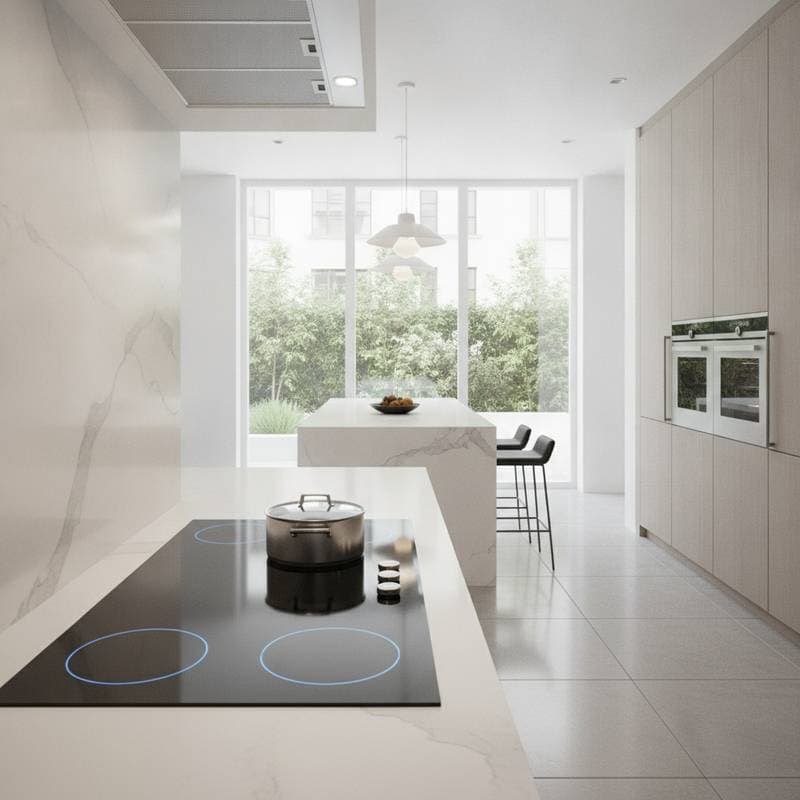
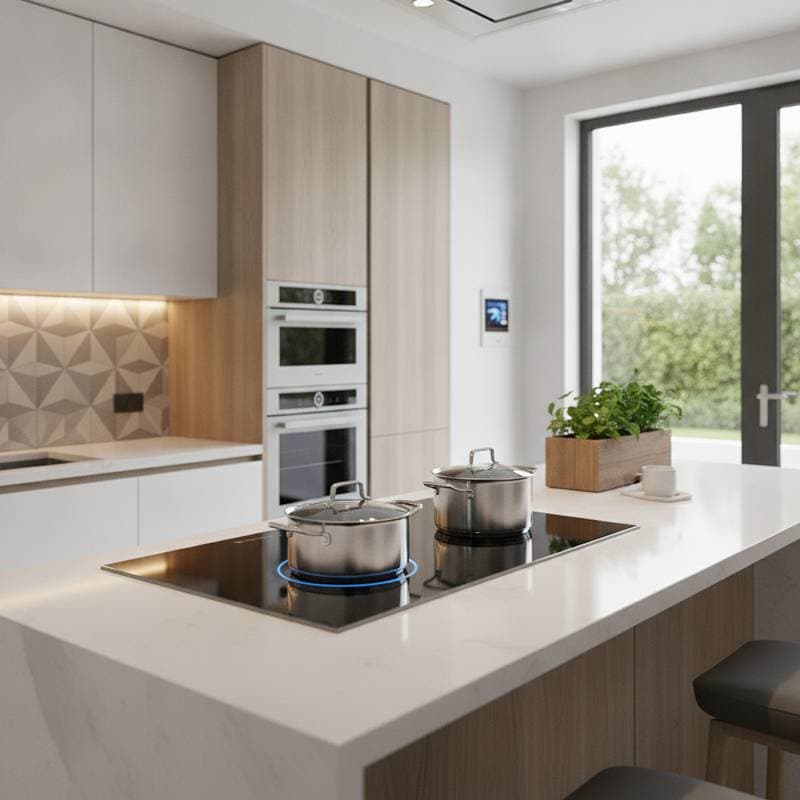
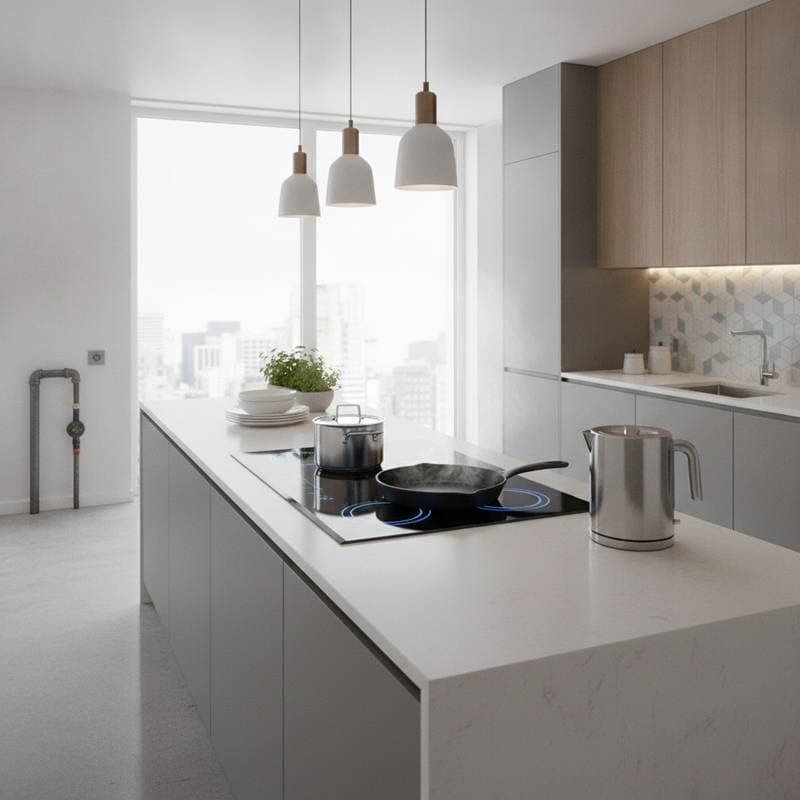
Induction technology employs electromagnetic fields to heat cookware directly, bypassing the cooking surface itself. This method delivers several advantages over traditional gas systems. Heating occurs almost instantly, often reaching full temperature in seconds rather than minutes, which saves time during meal preparation.
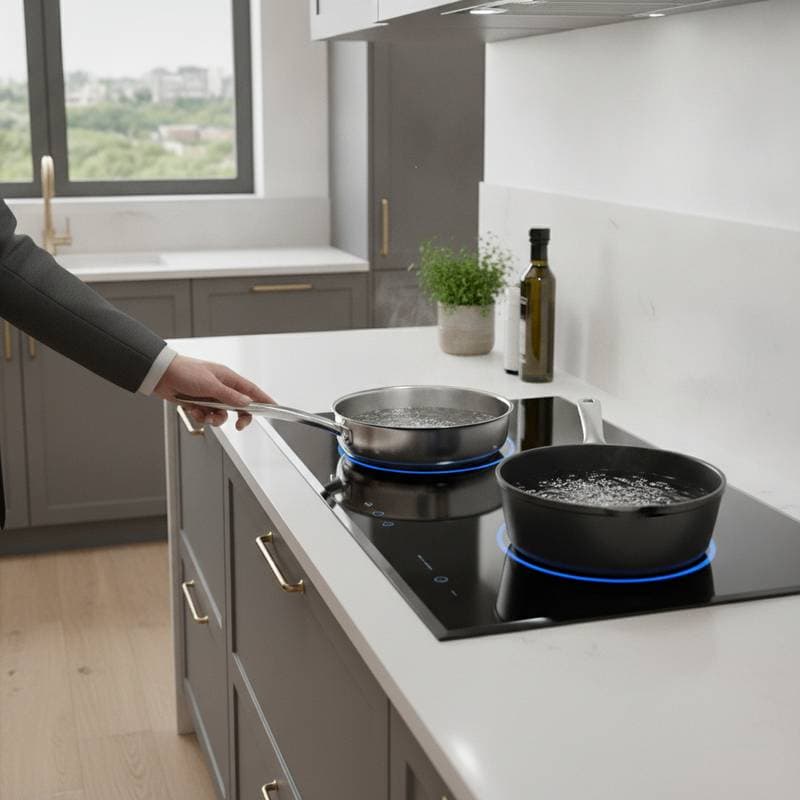
Precision stands out as another strength. Users maintain exact temperatures with minimal fluctuation, ideal for delicate tasks like simmering sauces or melting chocolate. Energy efficiency follows closely; induction units consume power only when cookware is present, reducing waste compared to gas flames that heat the surrounding air.
Safety features further elevate induction's appeal. The surface remains relatively cool to the touch, minimizing burn risks, especially in households with children or elderly members. Without open flames, the risk of accidental ignition decreases, and indoor air quality improves by eliminating combustion byproducts like nitrogen dioxide.
From an environmental perspective, induction aligns with sustainable practices. It supports electrification trends, potentially integrating with renewable energy sources. Many regions incentivize such switches through rebates or tax credits, offsetting initial investments.
Understanding the Conversion Process
The shift from gas to induction involves targeted modifications, yet the overall procedure remains manageable. Induction cooktops rely on electrical power, necessitating verification of your home's infrastructure.
Step-by-Step Conversion Guide
-
Evaluate Your Current Infrastructure.
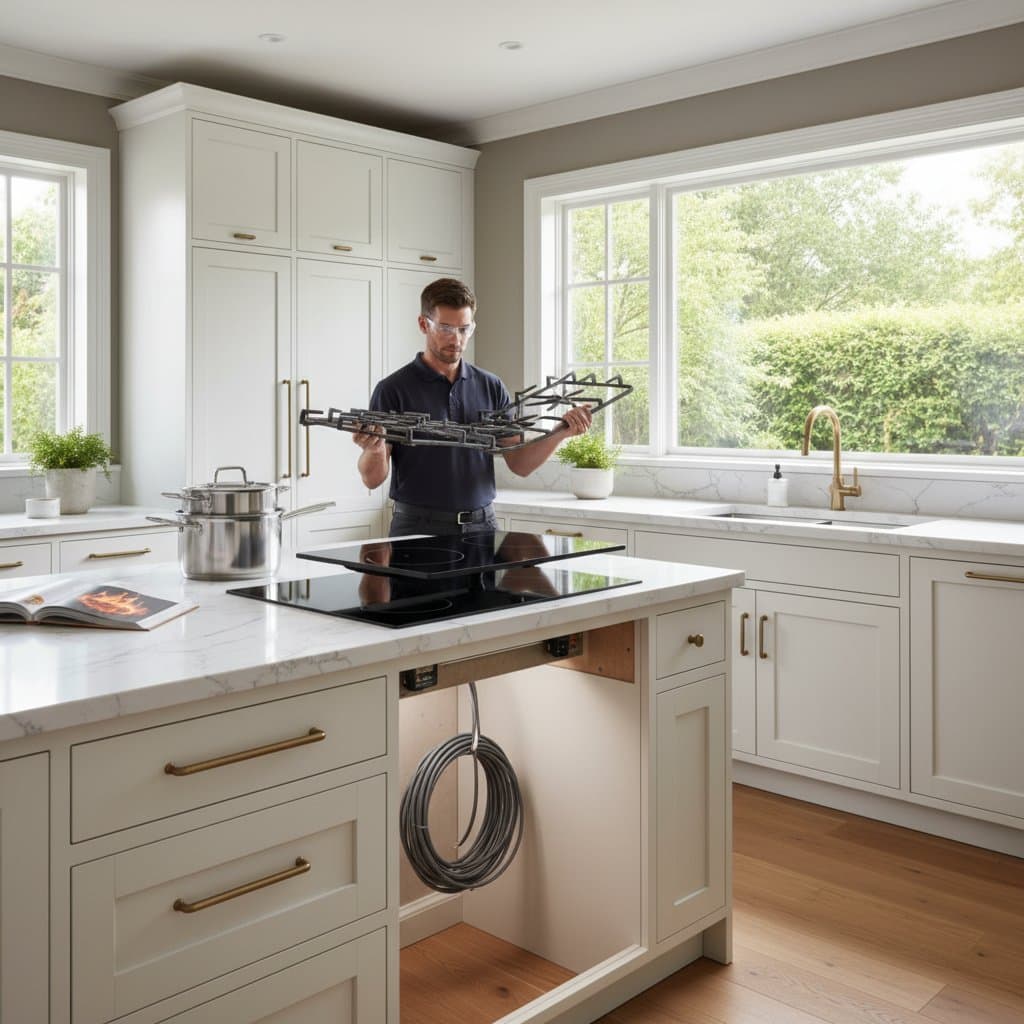
Examine the area beneath the cooktop to understand gas line connections and locate the electrical service panel. Induction typically requires a dedicated circuit rated from 30 to 50 amps, depending on the model's specifications. -
Engage a Licensed Electrician.
Should your electrical panel lack sufficient capacity, a professional can install a new circuit or enhance existing wiring. Costs generally range from $300 to $1,000, influenced by factors such as cable length, panel age, and site accessibility. -
Securely Cap the Gas Line.
A certified plumber or gas specialist must disconnect and seal the line to prevent leaks. This task usually completes in under an hour, with fees between $100 and $250. -
Choose an Appropriate Induction Cooktop.
Basic models cost $800 to $2,000, whereas advanced options with features like Wi-Fi connectivity or built-in ventilation exceed $3,000. For an initial trial, portable single-burner units begin at $100, allowing experimentation without full commitment. -
Complete Installation and Verification.
After electrical preparations and gas line closure, the installer positions the unit, connects wiring, and conducts tests to ensure proper function. The entire process often finishes within a single day.
Anticipate minor disruptions, such as temporary loss of cooking capabilities, but professional coordination minimizes inconvenience. Consult multiple contractors for competitive quotes to optimize expenses.
Cookware Compatibility and Selection Strategies
Induction cooking demands ferromagnetic materials in cookware bases to generate heat effectively. A simple test involves attaching a magnet to the pan's bottom; strong adhesion confirms suitability. Materials like cast iron, enameled cast iron, and most stainless steel varieties perform well.
Non-magnetic options such as aluminum, copper, or glass require induction-compatible inserts or bases to function. Before purchasing new items, inventory your existing collection and test each piece. This approach avoids unnecessary spending.
Practical Recommendations
-
Starter Sets: Entry-level induction-ready kits, including pots and pans, range from $150 to $300 and suffice for everyday needs.
-
Premium Options: High-quality sets with durable construction and ergonomic designs surpass $1,000, offering longevity and superior heat distribution.
Flat-bottomed cookware maximizes surface contact, promoting even heating and optimal efficiency. Avoid warped or thin-bottomed items, as they lead to hot spots and energy loss. Over time, investing in quality pieces pays off through consistent performance and reduced replacement frequency.
Safety Protocols and Regulatory Compliance
Handling electrical and gas systems demands caution to avert hazards. Professionals must manage all disconnections and modifications; attempting these tasks personally risks severe consequences, including fires or gas exposure.
Electrical setups require precise sizing to avoid overloads. Undersized circuits can overheat, posing fire threats. Adhere to National Electrical Code standards, which dictate breaker ratings and wire gauges for induction appliances.
Navigating Local Requirements
Review municipal codes prior to commencement. Permits often apply to electrical alterations or gas line abandonments. Electricians and plumbers typically manage applications and inspections, ensuring compliance.
In older residences, electrical panels rated at 100 amps may prove inadequate for modern demands. Upgrading to 200 amps costs $1,500 to $3,000 and accommodates not only induction but also future additions like electric ovens or vehicle chargers. Such enhancements bolster home resilience against evolving energy needs.
Regular maintenance, including annual inspections of wiring and ventilation, sustains safety. Induction's flameless operation inherently reduces carbon monoxide risks, but proper installation remains paramount.
Environmental and Long-Term Advantages
Beyond immediate kitchen improvements, induction contributes to broader sustainability goals. Gas cooking releases pollutants that exacerbate indoor and outdoor air quality issues. Electric induction, paired with clean energy grids, cuts greenhouse gas emissions significantly.
Many utilities offer rebates for electrification projects, potentially reducing net costs by hundreds of dollars. Long-term savings accrue from lower energy bills; induction's efficiency can decrease usage by up to 10 percent compared to gas.
Future-proofing emerges as a key incentive. As electrification expands, homes with robust electrical systems adapt easily to smart appliances and renewable integrations. This positions your property advantageously in an era of green building standards.
Steps to Implement Your Upgrade
Transitioning to induction cooking represents a strategic enhancement for your kitchen's functionality and sustainability. It provides unmatched control, elevates safety measures, and purifies the cooking atmosphere while preparing your home for emerging energy solutions.
Begin with an assessment of your electrical setup. Secure consultations from licensed electricians and plumbers to obtain detailed estimates. With informed planning, realize a modernized space that delivers enduring value.