Soundproof Home Offices: Renovation Trends for 2026
Remote work persists as a permanent shift, and homeowners increasingly dedicate spaces to long-term work-from-home setups. Soundproof home offices rank among the top renovation requests. The core issue lies in distractions that erode productivity and noise infiltration that compromises privacy. As a remodeling contractor, I observe this field progress from simple insulation enhancements to comprehensive acoustic systems. Homeowners recognize that effective sound control demands more than foam panels or heavy rugs. It requires strategic planning, precise construction methods, and synergistic material selections.
The True Price of Inadequate Sound Control
Neglecting soundproofing or executing it poorly extends impacts far beyond mere irritation. Clients frequently contact me post-remodel upon discovering that voices, traffic, or domestic sounds still penetrate their office. Remedying this scenario often doubles expenses compared to incorporating sound measures initially. Retrofitting involves dismantling completed walls, ceilings, and doors, followed by repainting and trim replacement. Such rework also strains relations between homeowners and contractors due to unmet expectations.
Sound breaches threaten privacy as well. Professionals managing sensitive discussions or audio recordings face risks of professional breaches or legal complications from insufficient isolation. The psychological toll of a disruptive workspace compounds these expenses. The takeaway proves straightforward: integrate sound control at the outset, before drywall installation.
Fundamental Principles of Soundproofing
Effective soundproofing manages sound transmission through solids and air gaps. This approach relies on four key strategies to inform all design choices.
- Mass: Dense materials capture and obstruct sound waves. Options include thicker drywall, dual sheetrock layers, or dedicated soundproof panels to dampen vibrations.
- Decoupling: Isolating structural elements halts direct sound transfer. Methods such as staggered studs or resilient channels introduce necessary separations.
- Absorption: Materials like insulation batts, acoustic fabrics, and panels internally capture sound waves, minimizing reverberation.
- Sealing: Minute openings near electrical outlets, doors, or windows permit sound escape. Apply caulk, gaskets, and specialized acoustic sealants meticulously.
Projects achieving robust soundproofing combine these elements. Omitting any one undermines overall efficacy.
Leading Soundproofing Trends in Renovations
Acoustic material availability surges, providing homeowners with diverse choices. Drawing from ongoing projects and industry supplier insights, distinct trends define future home office constructions.
1. Multi-Layer Wall Assemblies
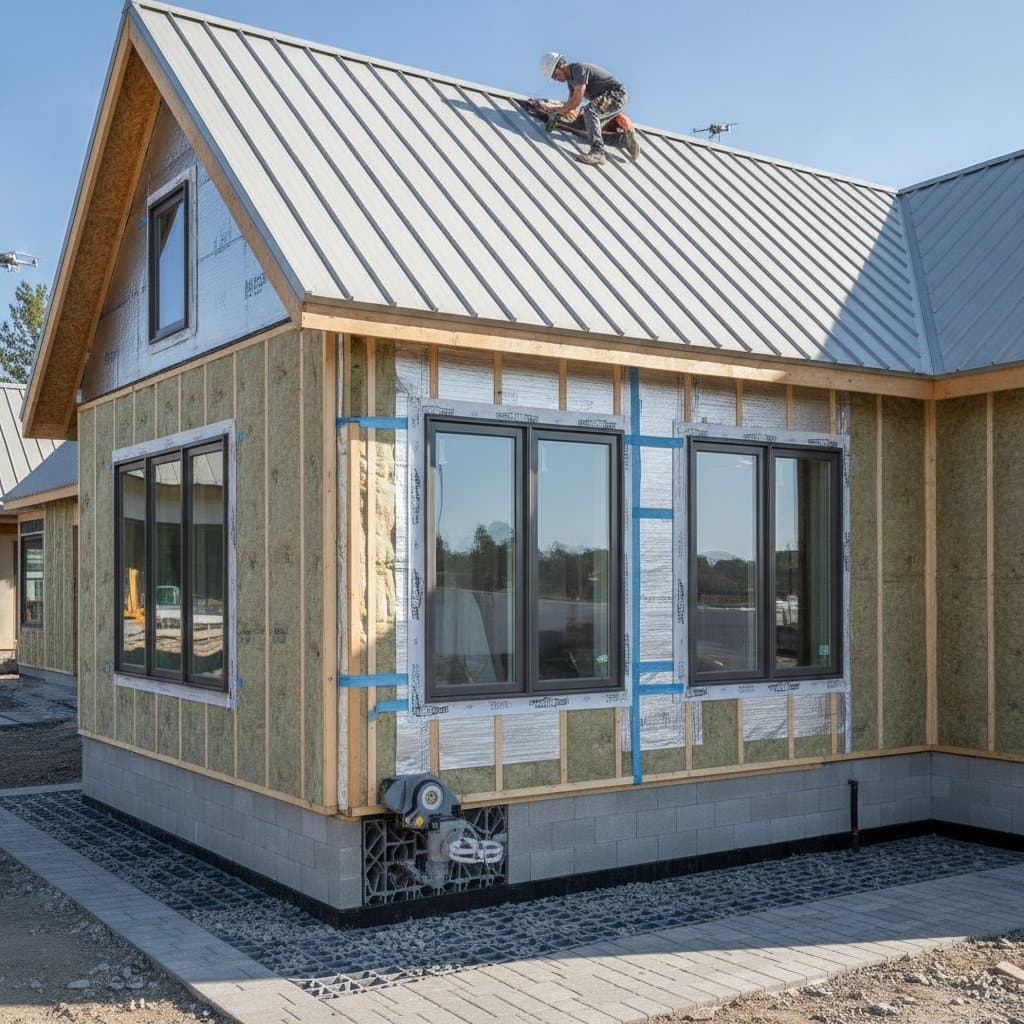
Professionals now supplant standard stud-and-drywall setups with multi-layer configurations featuring sound-damping compounds between panels. These reduce vibrations significantly while preserving wall thickness, suiting conversions of bedrooms or basements with spatial constraints. For instance, adding a layer of mass-loaded vinyl between drywall sheets achieves STC ratings above 50 without expanding room dimensions.
2. Enhanced Acoustic Windows and Doors
Conventional doors and windows represent vulnerabilities in typical home offices. Upgrades to solid-core doors with full-perimeter seals and double-pane windows using laminated glass emerge as norms. Interior glass dividers with verified acoustic performance offer visibility while blocking noise, ideal for collaborative yet private zones.
3. Advanced Ceiling Decoupling
Upstairs noises, such as footsteps or shifting furniture, prompt frequent complaints. Solutions include suspended acoustic ceilings or drywall affixed via resilient mounts to isolate impacts. Acoustic clips that detach ceiling frameworks from overhead joists establish effective sound barriers, often reducing transmission by 20 decibels or more.
4. Seamless Acoustic Integration
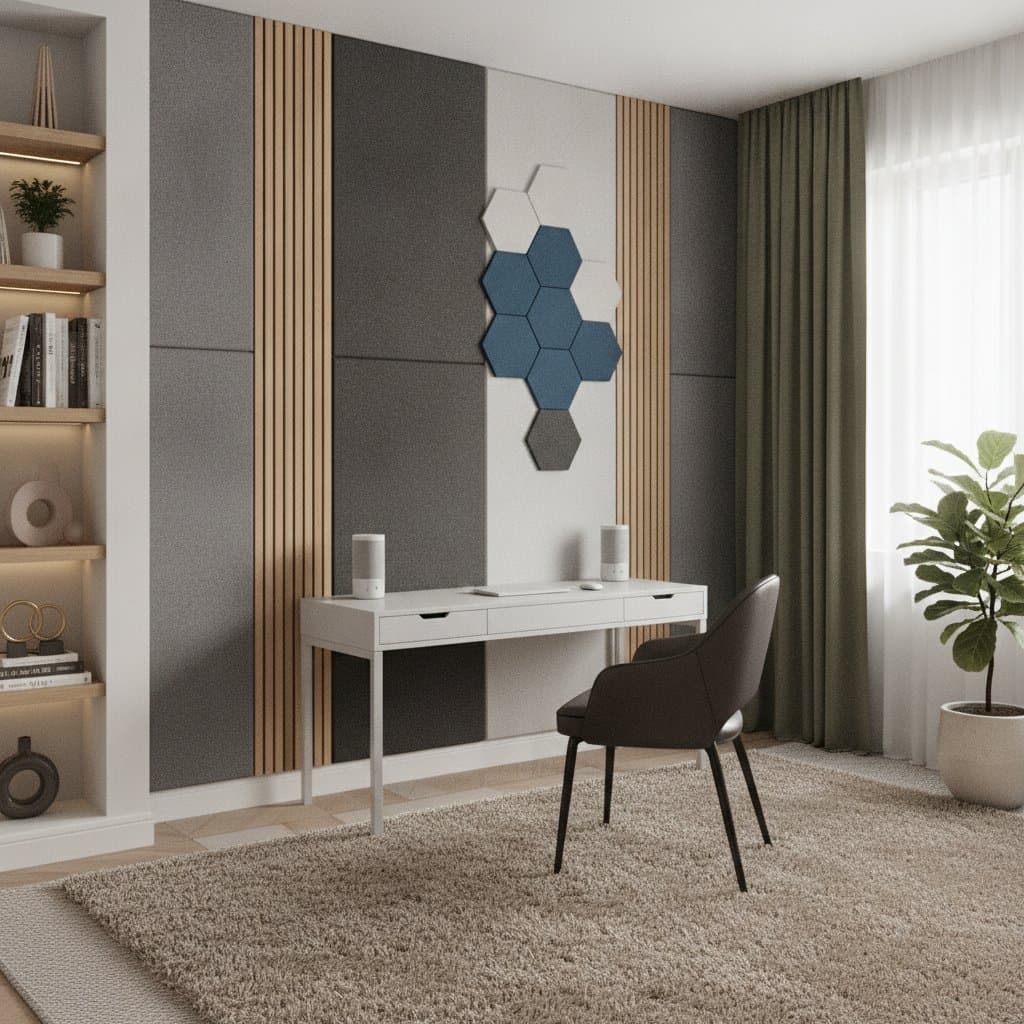
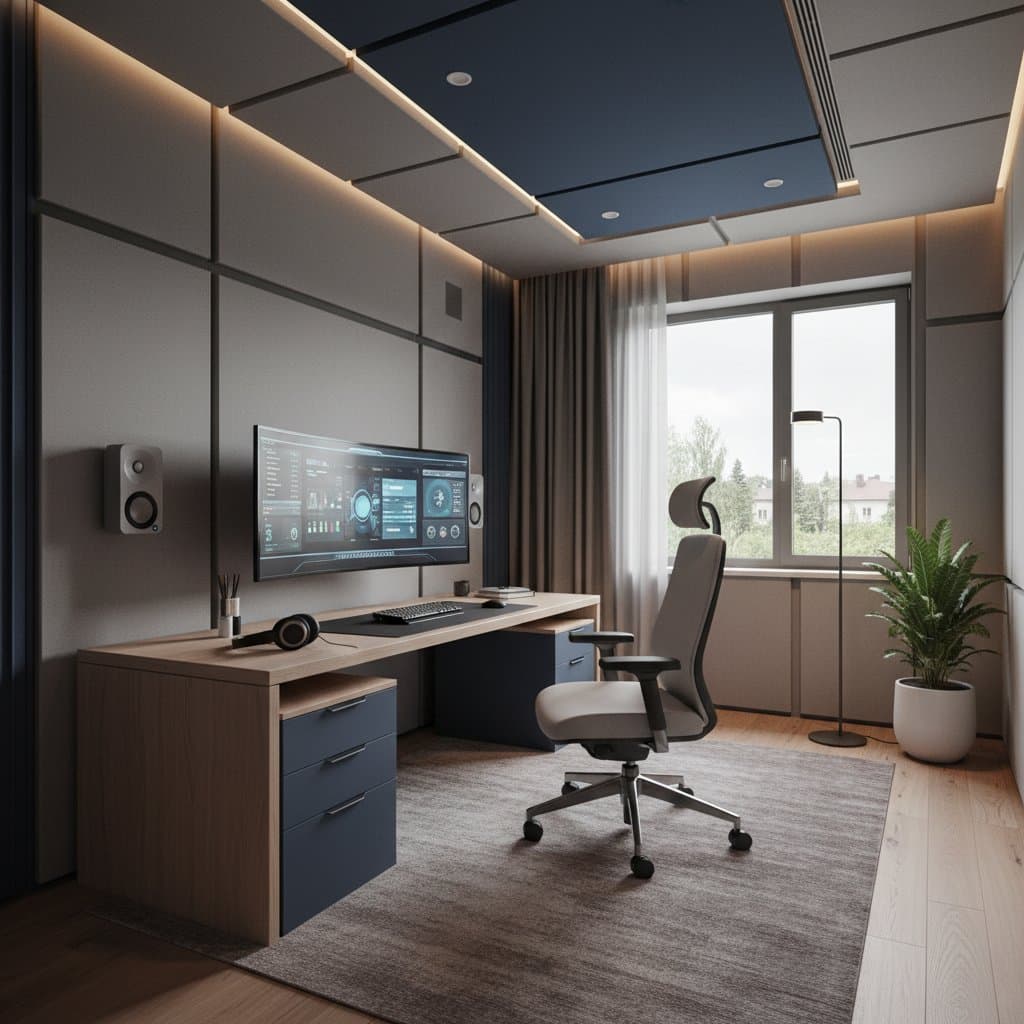
Design professionals merge functionality with visual appeal in acoustic solutions. Wall panels in fabrics, woods, or felts mimic artwork while absorbing sound. Custom-printed options align with interior themes, ensuring that acoustic enhancements enhance rather than detract from aesthetics.
5. Intelligent Noise Control Systems
Technological integrations elevate soundproofing capabilities. Devices like white noise machines, directional smart speakers, and mobile apps for acoustic assessment actively regulate ambient levels. These complement structural builds by optimizing the auditory environment post-construction, such as adjusting speaker output to mask external disturbances.
Pitfalls That Compromise Soundproofing Efforts
Superior materials underperform with flawed installation. In projects where homeowners or novice contractors manage soundproofing, certain errors recur.
- Overlooking Air Pathways: Unsealed outlets, vents, or recessed fixtures form conduits for sound, nullifying broader efforts. Inspect and seal every penetration point during assembly.
- Selecting Inappropriate Insulation: Standard fiberglass curbs internal echoes yet fails against transmission. Opt for acoustic mineral wool, which excels in both absorption and blocking.
- Opting for Hollow-Core Doors: Lightweight and economical, these permit easy sound passage. Specify solid-core alternatives rated for at least 20 STC to ensure integrity.
- Neglecting Floor Treatments: Resonant floors like tile or hardwood amplify impacts. Incorporate dense underlayments or strategic rugs to dissipate vibrations at the source.
- Bypassing Expert Input: Soundproofing involves technical precision. DIY approaches or generic kits frequently yield suboptimal results; consult certified acousticians for tailored plans.
Essential Conversations with Your Contractor
Soundproofing demands upfront dialogue to align visions. Address these elements prior to commencing work:
- Defined Objectives: Clarify if the focus is echo reduction or complete external isolation, as this dictates the approach.
- Financial Considerations: Acknowledge that acoustic additions elevate initial budgets, yet postponement inflates future outlays.
- Material Evaluations: Insist on specifications and STC ratings to confirm product suitability.
- Verification Protocols: Inquire about post-construction testing methods, such as sound level measurements.
- Adaptability Provisions: For potential room repurposing, select modular materials that accommodate changes.
Documenting these in contracts fosters clarity and holds parties accountable.
Preserving Acoustic Effectiveness Long-Term
A thoughtfully constructed soundproof office enhances home value enduringly. It fosters comfort, sustains output, and attracts buyers seeking serene professional spaces. Conduct annual checks on door and window seals, clear ventilation paths, and refrain from alterations like drilling that might breach wall assemblies. During subsequent remodels, inform contractors of existing acoustic features to safeguard their function.
Soundproofing transcends luxury; it invests in concentration, confidentiality, and career efficacy. Executed properly, it elevates ordinary rooms into productive havens balancing focus and ease. Prioritize integration from the planning phase, engage skilled experts, and treat acoustics as integral to the build, not an afterthought.