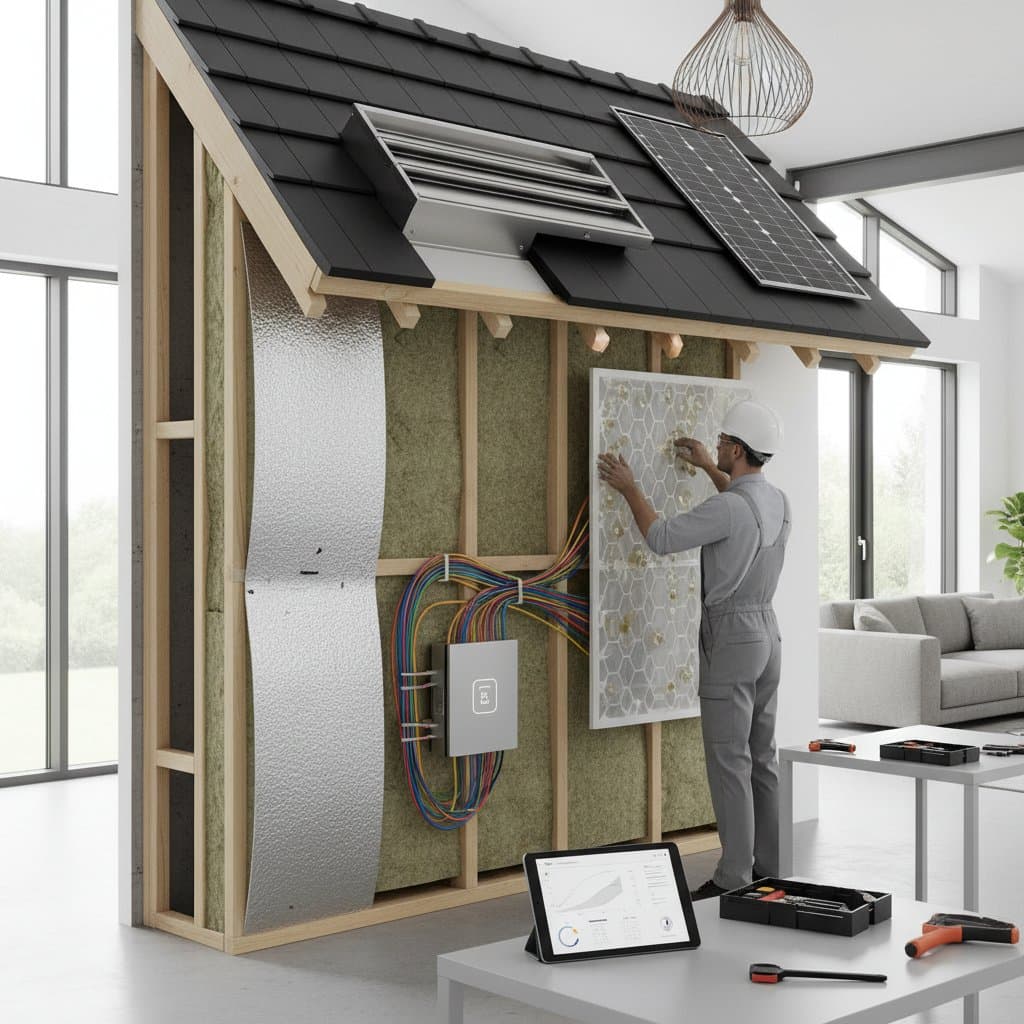
Cut HVAC Costs 40% with Climate-Adaptive Remodels
Homeowners frequently adjust thermostats in search of comfort, only to observe rising utility bills. Air conditioning units run continuously during summer months, while furnaces labor through winter chills. If these scenarios resonate, the home likely fails to adapt effectively to local climate conditions. Fortunately, targeted remodeling strategies can decrease heating and cooling expenses by as much as 40 percent.
This guide explains the principles of climate-adaptive remodeling, highlights impactful materials, and outlines planning steps suited to individual homes and financial constraints.
Identify Areas of Energy Loss
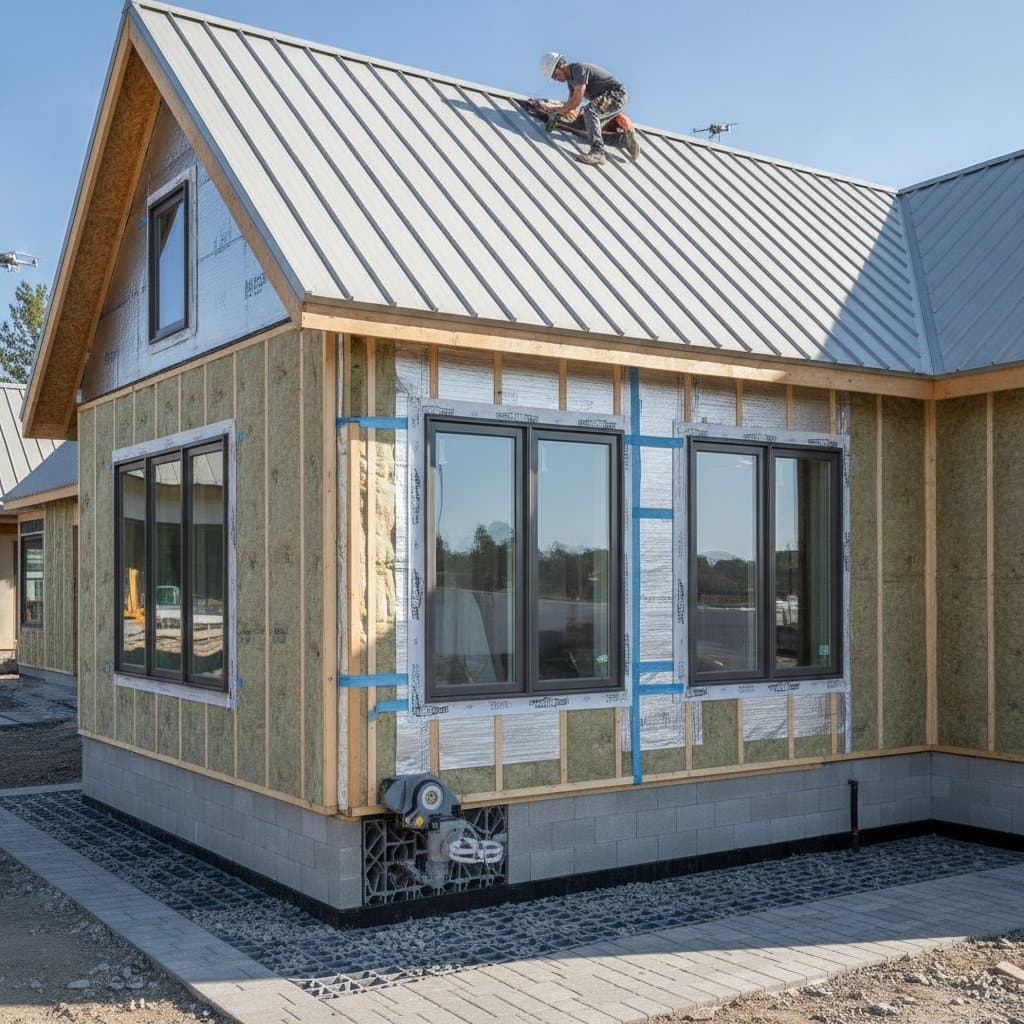
Understanding energy escape points proves essential before selecting materials or technologies. Heating and cooling losses occur primarily through the building envelope, which includes walls, roofs, floors, and openings. Addressing these vulnerabilities reduces reliance on HVAC systems significantly.
Key loss areas include the following:
- Attics and roofs: Inadequate insulation allows up to 25 percent of conditioned air to escape, particularly in homes with unvented or poorly sealed spaces.
- Walls: Gaps, settling insulation, or thin barriers contribute approximately 20 percent of losses, especially in older constructions.
- Windows and doors: Leaks around frames and inefficient glazing account for 15 to 20 percent of energy drain, amplified by direct sun exposure or drafts.
- Floors and basements: Uninsulated surfaces over unconditioned spaces lose heat downward in winter and cool air in summer, often overlooked during audits.
Conduct a professional energy audit to pinpoint specific weaknesses using tools like infrared cameras. This step reveals precise opportunities for improvement, ensuring efforts yield maximum returns.
Enhance Insulation for Superior Efficiency
Insulation serves as the primary barrier against unwanted heat transfer. Selection depends on climate zone, home age, and accessibility of installation sites. Upgrading insulation in priority areas delivers quick wins in energy conservation.
Consider these options:
- Fiberglass batts: These provide reliable performance at a cost of $0.80 to $1.50 per square foot installed. They suit open attics and frame walls where space allows even placement.
- Spray foam insulation: At $2 to $3.50 per square foot, this option expands to fill voids, offering superior air sealing and moisture resistance ideal for irregular surfaces.
- Blown-in cellulose: Priced around $1.50 per square foot, it fits existing structures without major disruption and incorporates recycled materials for environmental benefits.
Focus on attics first, as enhancements here alone can cut energy use by 15 to 25 percent. In humid regions, choose insulation with vapor barriers to prevent condensation issues. Combine with radiant barriers in roofs for hot climates to reflect solar heat away from living spaces.
Seal Air Leaks to Eliminate Drafts
Even robust insulation loses effectiveness without airtight seals. Air infiltration through cracks and joints forces HVAC systems to overwork, increasing operational costs. Systematic sealing creates a tighter envelope that maintains consistent indoor conditions.
Target these common infiltration points:
- Around windows and doors: Apply weatherstripping and caulk to frames, reducing drafts by up to 10 percent.
- Electrical outlets and switches: Install foam gaskets behind plates to block pathways in walls.
- Attic hatches and recessed lights: Use foam seals or rigid covers to prevent conditioned air migration.
- Ducts and vents: Tape joints with mastic sealant rather than foil tape for durable, long-lasting results.
Perform a blower door test during an audit to quantify leakage rates. Homeowners can handle minor seals with basic tools, but professional assistance ensures comprehensive coverage in hard-to-reach areas. These measures often provide the highest return on investment among envelope improvements.
Upgrade Windows for Optimal Thermal Performance
Windows represent significant thermal weak points due to their transparency and framing. Strategic replacements balance light, views, and insulation to minimize energy demands. Choose features aligned with regional weather patterns for best results.
Effective upgrade choices include:
- Double-pane low-emissivity (Low-E) glass: This coating reflects infrared radiation, costing $350 to $800 per window installed, and suits moderate climates by controlling heat gain and loss.
- Triple-pane windows: Offering enhanced R-values for extreme cold, these range from $700 to $1,200 per window and include gas fills like argon for added efficiency.
- Window films and storm panels: Budget-friendly at $50 to $200 per window, these add insulation layers without full replacement and prove removable for flexibility.
Evaluate products using U-factor ratings below 0.30 for insulation and SHGC values tailored to location: higher for heating-dominated areas, lower for cooling-focused ones. Install operable shades or blinds to further modulate solar input. Prioritize south-facing windows in renovations to maximize passive solar heating where applicable.
Optimize Ventilation for Balanced Air Quality
Enhanced sealing and insulation demand controlled fresh air exchange to avoid moisture buildup and stale air. Energy recovery ventilators (ERVs) and heat recovery ventilators (HRVs) exchange indoor and outdoor air while transferring temperature and humidity. These systems sustain comfort without excessive HVAC cycling.
Installation details:
ERVs excel in humid climates by managing moisture, while HRVs prioritize heat transfer in dry, cold regions. Expect costs of $2,000 to $5,000 for a whole-home unit, including ductwork integration.
Pair ventilation with smart controls that activate based on occupancy or CO2 levels. Regular filter maintenance ensures longevity and efficiency. This addition not only conserves energy but also supports healthier living environments by diluting indoor pollutants.
Navigate Permits and Ensure Code Compliance
Remodeling projects involving structural changes, new windows, or ventilation often require local approvals. Building codes vary by jurisdiction, mandating minimum insulation levels and energy performance standards. Compliance avoids fines and ensures insurance validity.
Consult the local building department early to identify necessary permits. Energy codes, such as those based on IECC standards, specify R-values for insulation and efficiency metrics for windows. Engage a licensed contractor experienced in green building practices to manage applications and inspections.
Document all work for rebate eligibility from utility programs. These incentives can offset costs for compliant upgrades, accelerating payback periods.
Prioritize Safety in Remodeling Projects
Remodeling involves hazards from materials, tools, and access points. Proper precautions protect health and prevent accidents during execution. Professional oversight minimizes risks in complex tasks.
Essential safety measures include wearing gloves, goggles, and respirators when handling insulation fibers. Disconnect electricity before working near wiring or outlets to avoid shocks. For spray foam applications or duct modifications, rely on certified installers to handle chemicals and ensure balanced airflow.
Ventilate work areas to disperse fumes and dust. Keep a first-aid kit and fire extinguisher nearby, especially in attics prone to overheating. These steps safeguard occupants and workers alike.
Realize Long-Term Advantages
A 40 percent reduction in HVAC costs represents substantial immediate relief, yet benefits extend further. Reduced system strain prolongs equipment lifespan by years, deferring replacement expenses. Stable temperatures and humidity levels preserve structural integrity, minimizing repairs to finishes and furnishings.
Sealed envelopes enhance indoor air purity by limiting allergen entry, benefiting respiratory health. Noise reduction from insulated surfaces creates quieter living spaces, improving overall well-being. Resilient designs also adapt better to extreme weather, increasing property value in climate-vulnerable areas.
Implement Your Climate-Adaptive Plan
Begin with an energy audit to map vulnerabilities in the thermal envelope. Develop a phased plan prioritizing high-impact, low-cost actions like sealing and attic insulation. Track progress through utility bills to validate savings and adjust as needed.
Budget for professional input on larger upgrades, such as windows or ventilation. Explore financing options like home equity loans or energy rebates to ease upfront investments. Climate-adaptive remodeling leverages established techniques to align homes with their surroundings, delivering sustained comfort, efficiency, and resilience.