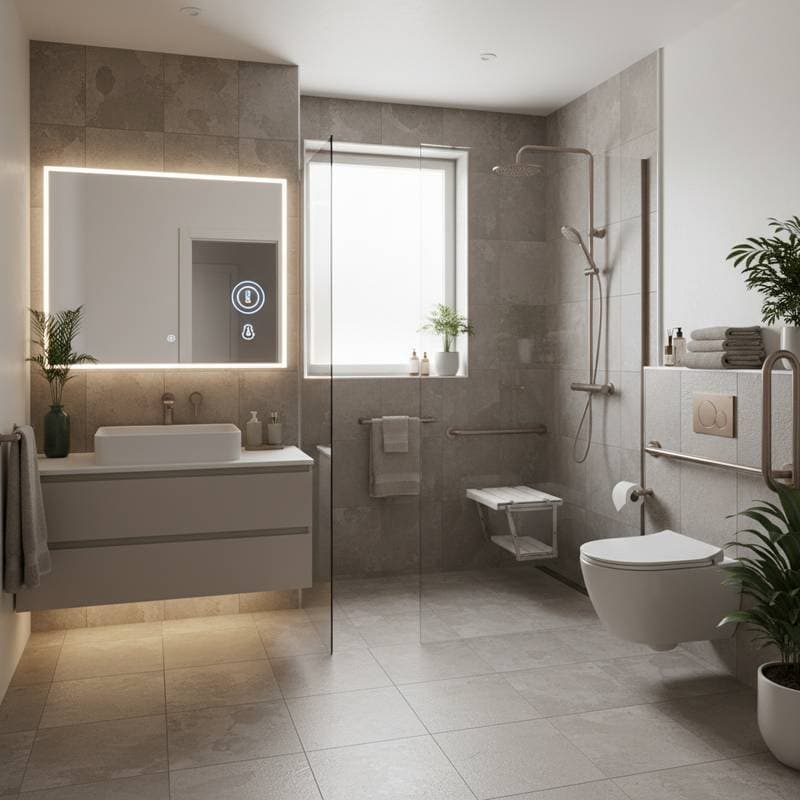
The Rise of Smart Aging-in-Place Bathrooms in 2026
Homeowners increasingly prioritize aging-in-place modifications, with bathrooms emerging as a focal point for these adaptations. As a remodeling contractor experienced in accessibility projects, I observe that this evolution transcends luxury. It centers on preserving independence, enhancing safety, and incorporating technology that operates seamlessly without drawing attention. Bathrooms rank as the highest-risk area for older adults in the home, where targeted upgrades can prevent the need for expensive transitions to assisted living facilities.
This growing trend in smart aging-in-place bathrooms addresses genuine demands. It blends universal design strategies with supportive technologies that uphold health, mobility, and personal dignity.
Integrating Smart Technology with Accessibility
Accessibility design now fuses with smart features to render aging-in-place bathrooms both practical and inviting. The emphasis lies on fostering environments that prioritize safety and ease through automation, rather than overt gadgetry. In recent installations, I have witnessed substantial improvements in everyday functionality.
Smart Fixtures and Controls
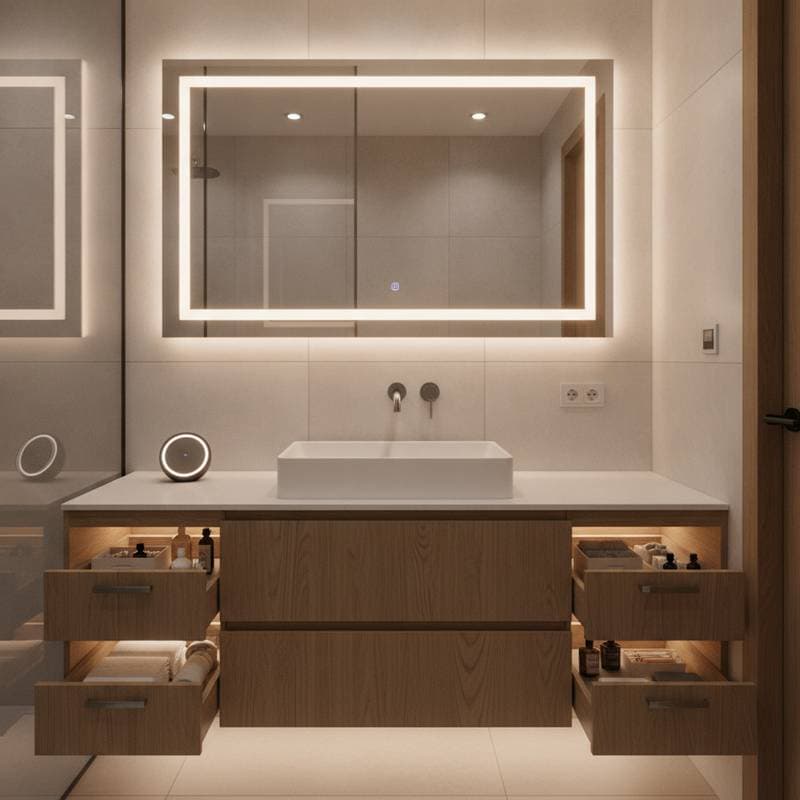
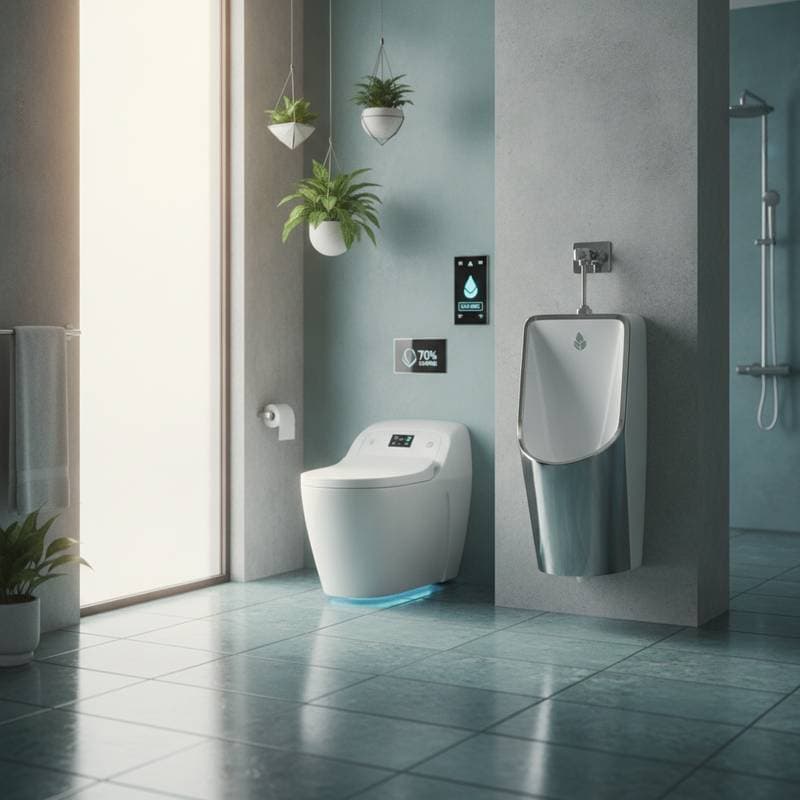
Touchless faucets, voice-activated lighting, and customizable shower systems now serve as benchmarks in accessibility renovations. These elements assist individuals facing arthritis, tremors, or reduced dexterity by minimizing physical effort. One client dealing with initial mobility challenges reported that voice-controlled lights eliminated nighttime struggles with manual switches, markedly improving both safety and autonomy.
Temperature and Moisture Control
Precision thermostatic valves maintain water at consistent, safe levels to avoid burns. Intelligent exhaust fans activate based on humidity thresholds, curbing mold growth and ensuring fresh air circulation. I advise linking these components to a dedicated mobile application, allowing remote oversight by family members or caregivers when circumstances require it.
Safety Sensors and Notifications
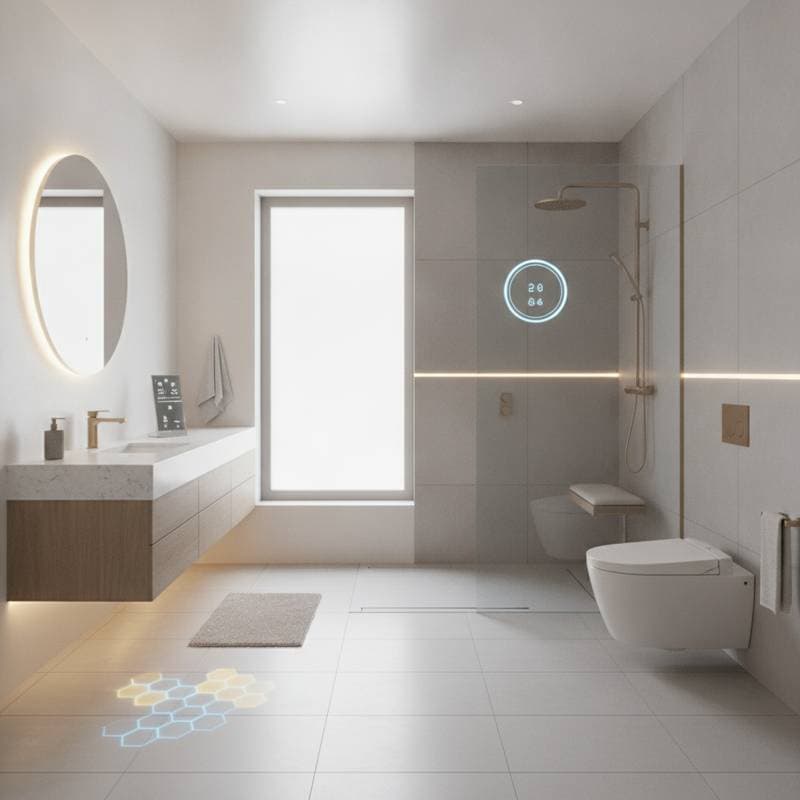
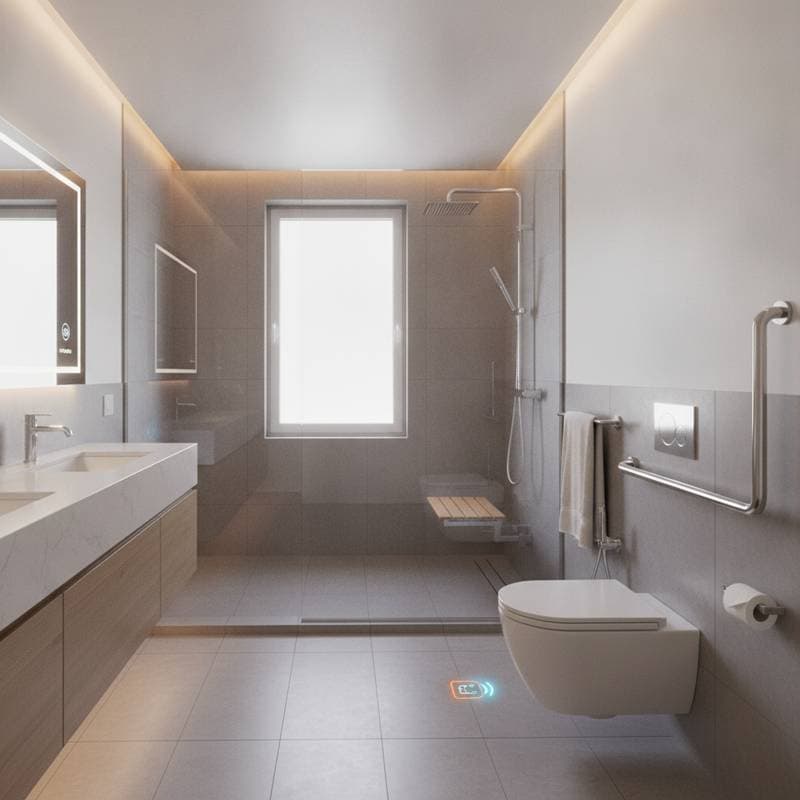
Motion-triggered illumination cuts down on falls during low-light hours, while embedded floor sensors identify extended stillness or liquid spills. Certain projects incorporate subtle fall-detection mechanisms that transmit notifications to mobile devices or emergency contacts. Such integrations provide robust protection without compromising aesthetics.
Ergonomic and Universal Design Foundations
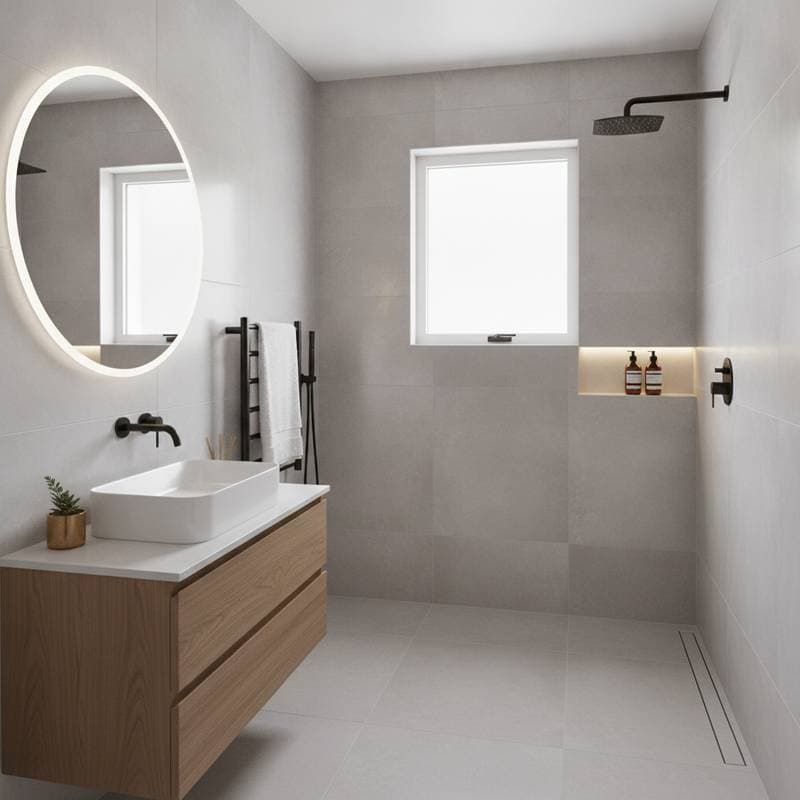
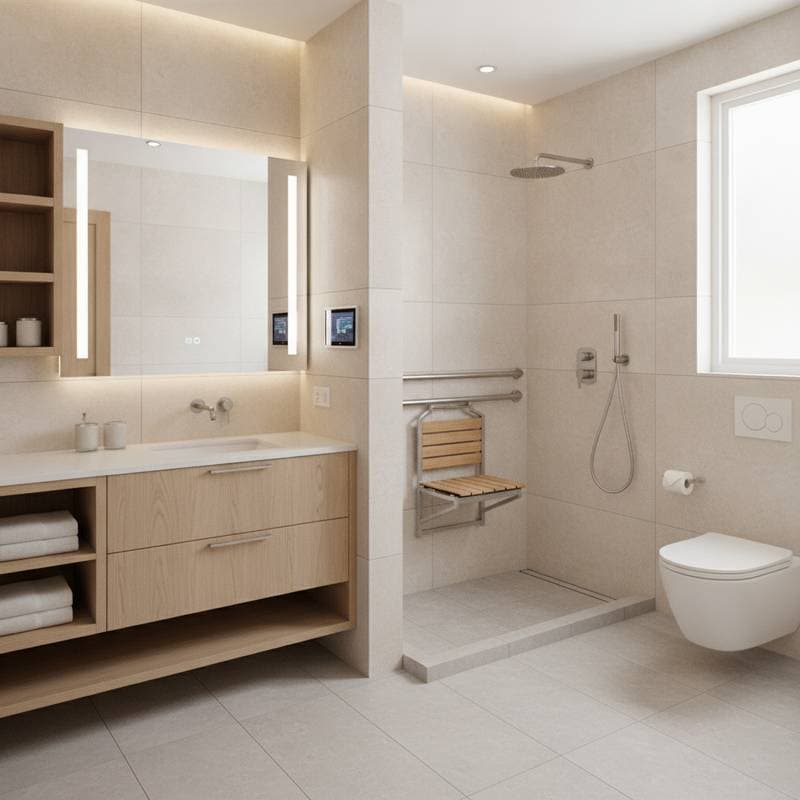
Superior physical layout remains essential, even in technologically advanced spaces. Sturdy grab bars, barrier-free showers, expanded door widths, and elevated toilet seats establish the core structure. Pairing these with intelligent elements yields a cohesive user experience. Consider a barrier-free shower equipped with radiant floor heating and automatic illumination, which delivers security and luxury devoid of a clinical appearance.
Steering Clear of Contractor Errors
Not all professionals possess the expertise to execute smart-integrated aging-in-place bathrooms effectively. I frequently address flawed installations that introduce hazards. Identify these red flags to sidestep expensive corrections.
- Absence of permits or inspections. Compliant renovations adhere to municipal regulations.
- Inadequate waterproofing measures. Technological sophistication fails without solid moisture barriers.
- Flawed gradients in barrier-free showers. Minor miscalculations lead to persistent water accumulation.
- Overlooking individual requirements. Universal approaches demand tailored adjustments.
- Failure to verify smart functionalities. Competent installers demonstrate operational details thoroughly.
Should a contractor evade paperwork or evaluations, seek alternatives. Ethical experts recognize that adherence benefits everyone involved.
Realizing Enduring Benefits
A thoughtfully engineered smart aging-in-place bathroom extends far beyond routine enhancements. It prolongs self-sufficiency, boosts real estate appeal, and lowers future healthcare expenses. Families retain loved ones in familiar settings for extended periods, while prospective purchasers increasingly seek such amenities. Market professionals report quicker sales and smoother transactions for properties featuring these upgrades.
Clients in my portfolio consistently express regret over delaying similar transformations. The warmth of underfloor heating, the simplicity of sensor-operated faucets, and the security of integrated alerts reshape home interactions profoundly. These modifications accommodate diverse age groups, from younger residents to seniors, while upholding elegance and utility.
Safeguarding Your Smart Bathroom Upgrade
After completing a smart bathroom renovation, diligent upkeep preserves its value. Conduct periodic assessments of sensors, power sources, and digital linkages. Clear drainage paths, refresh grout surfaces, and examine sealant integrity around installations. Proactive habits prevent complications and sustain performance.
I recommend biannual evaluations of contingency protocols and prompt software refreshes. Reestablish connections following any network modifications to avoid interruptions. Approach these smart components with the same vigilance applied to critical infrastructure, such as heating units or alarm systems.