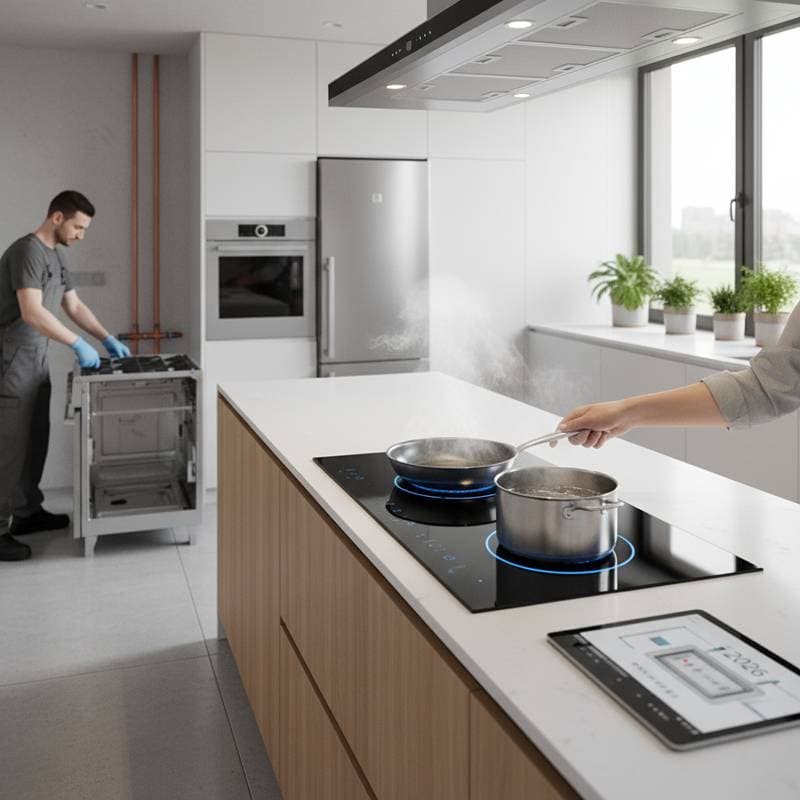
Induction Zones Heat Faster and Keep Kitchens Cooler
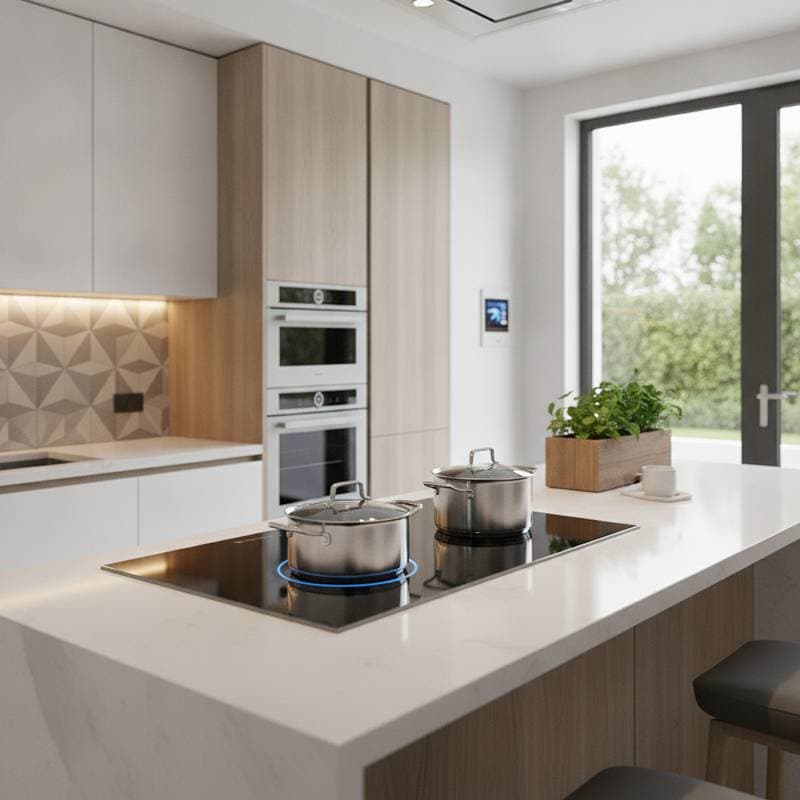
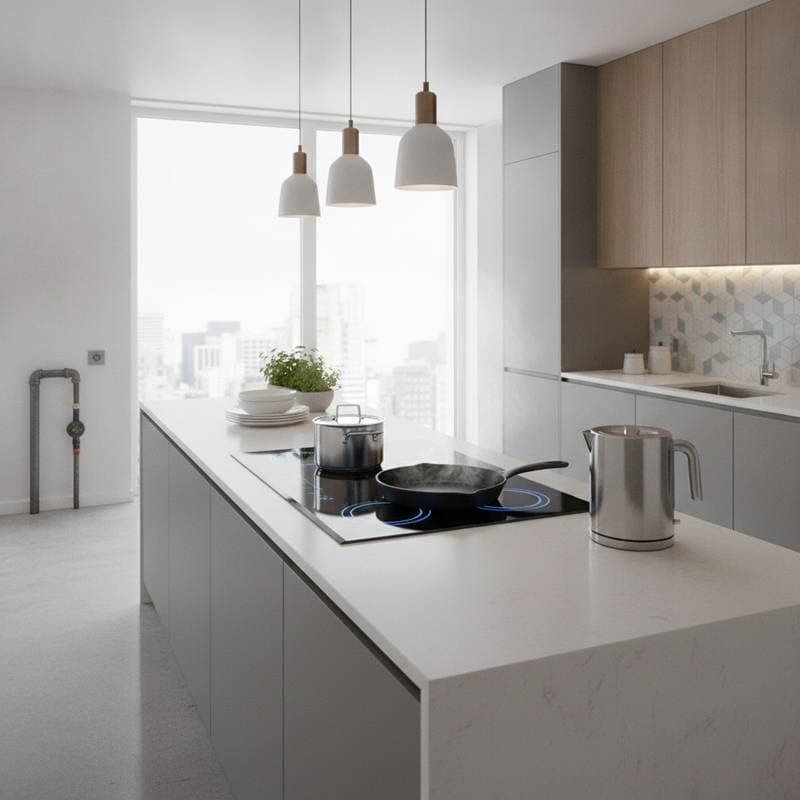
Induction cooking zones represent a significant advancement in kitchen technology. These systems use electromagnetic fields to heat cookware directly, bypassing the need for an open flame or radiant heat. Home cooks appreciate the rapid response and precise control that induction provides, which transforms everyday meal preparation.
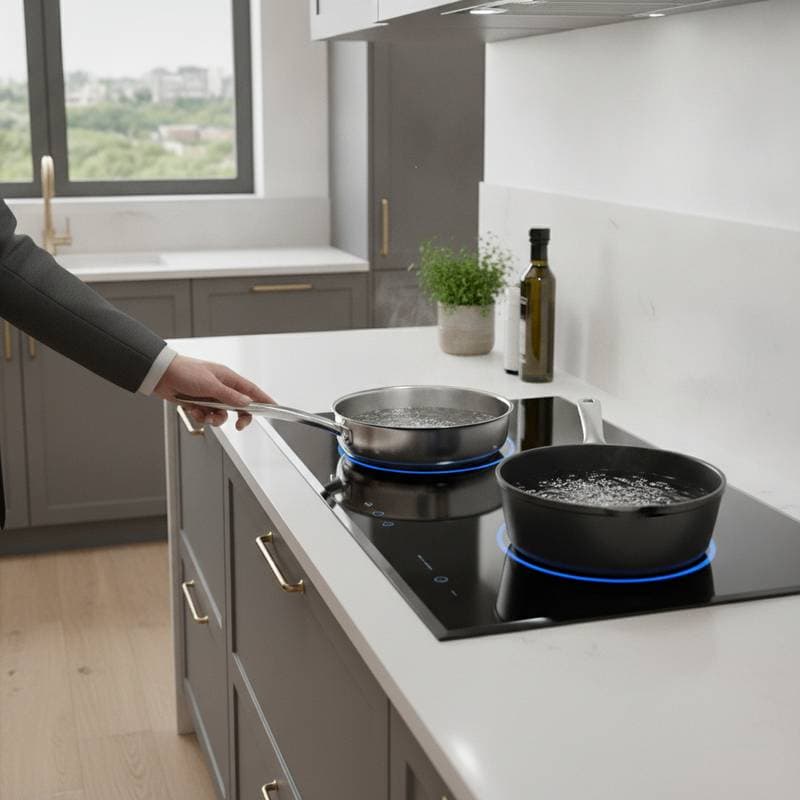
Traditional gas stoves rely on combustion to generate heat, a process that warms the air around the cooking surface. In contrast, induction zones target the pot or pan itself, achieving boiling water in half the time of gas. This efficiency not only saves time but also maintains a cooler kitchen environment, reducing the need for constant ventilation.
Key Advantages of Induction Cooking
Induction zones excel in several areas that enhance the cooking experience. First, they deliver instant heat adjustments, allowing chefs to sear meats perfectly or simmer sauces without overshooting temperatures. Safety features, such as automatic shutoff when cookware is removed, minimize accident risks in busy households.
Energy efficiency stands out as another benefit. Induction systems convert nearly ninety percent of energy into cooking heat, compared to gas's lower conversion rates. This reduction in wasted energy translates to lower utility bills over time and supports sustainable living practices.
Cleanup proves simpler with induction. Since the surface remains relatively cool, spills do not bake onto the cooktop, making maintenance straightforward with a quick wipe. Professional kitchens increasingly adopt induction for these practical reasons, setting a trend for home applications.
How Induction Zones Work
At the core of induction technology lies a coil beneath the glass-ceramic surface that generates a magnetic field. When compatible cookware is placed on the zone, the field induces electrical currents within the metal, producing heat through resistance. This direct method ensures even heating and eliminates hot spots common in gas cooking.
Power requirements vary by model, typically ranging from 1800 to 3700 watts per zone. Homeowners must assess their electrical panel capacity before installation, as induction demands a dedicated circuit. Most modern homes accommodate this setup, but older wiring may require upgrades.
Cookware compatibility requires ferromagnetic materials, such as cast iron or certain stainless steels. A simple test involves checking if a magnet adheres to the pan's base. Non-compatible items necessitate adapters or replacements, an initial consideration for those transitioning from gas.
Installation and Compatibility Considerations
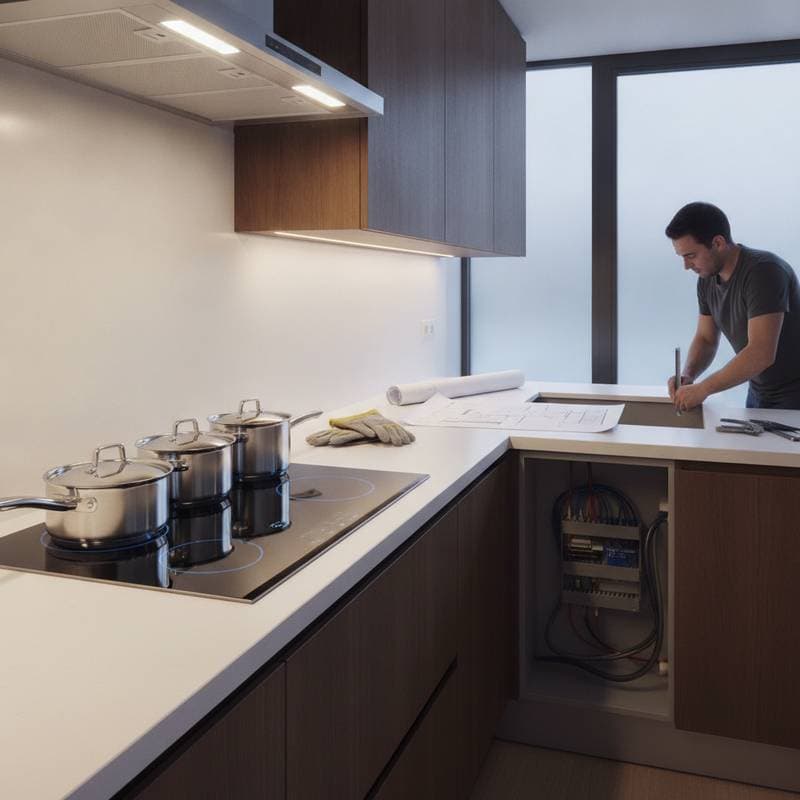
Installing induction zones involves professional evaluation to ensure seamless integration. Electricians verify outlet types, often recommending 240-volt lines for optimal performance. The process mirrors that of electric ranges, with minimal disruption if planned ahead.
- Evaluate your kitchen's electrical infrastructure for sufficient amperage.
- Select zones based on cooking habits, such as multiple small burners for family meals.
- Confirm cookware inventory and budget for any necessary purchases.
These steps prevent common pitfalls and ensure the system operates at peak efficiency from day one.
Cost Analysis and Long-Term Savings
Upfront costs for induction cooktops range from 1000 to 5000 dollars, depending on features like touch controls or built-in ventilation. While higher than basic gas models, rebates for energy-efficient appliances often offset expenses. Installation fees add 200 to 500 dollars, a one-time investment.
Over five years, users report savings of 100 to 300 dollars annually on energy bills due to induction's efficiency. Reduced ventilation needs lower air conditioning costs in warmer climates. The durable glass surface withstands heavy use, extending the appliance's lifespan beyond ten years.
Safety enhancements contribute intangible value. Without open flames, fire hazards decrease, and cooler surfaces protect children and pets from burns. Insurance providers sometimes offer discounts for homes with induction systems, further justifying the switch.
Making the Transition to Induction
Transitioning from gas requires thoughtful preparation but yields immediate rewards. Start by consulting a certified installer to map out your kitchen layout. Test a portable induction burner to experience the technology before committing to a full cooktop.
Many manufacturers offer warranties covering defects and performance issues. Pairing induction with smart home integration allows remote monitoring and recipe-guided cooking. This modern approach elevates the kitchen into a hub of precision and convenience.
Sustainable and Smarter Kitchen Solutions
Induction zones align with eco-conscious trends by minimizing indoor air pollution from gas combustion. Cleaner air improves health outcomes for families, particularly those with respiratory sensitivities. The technology's precision reduces food waste through better cooking control.
Homeowners who adopt induction often report heightened satisfaction with their cooking routines. The combination of speed, safety, and sustainability positions this upgrade as essential for contemporary living. Consider your needs and take the first step toward a more efficient kitchen today.