The $3K Induction Cooktop: Worth the Kitchen Upgrade?
Imagine standing in your kitchen, gazing at an aging gas or electric cooktop. The surface heats slowly, distributes warmth unevenly, and accumulates grime near the burners. Induction cooktops offer rapid heating, superior control, and a streamlined appearance, yet the price tag often halts consideration. This scenario resonates with many homeowners contemplating a kitchen refresh or transition from gas to electric appliances.
Induction technology, once confined to professional kitchens, now enters residential spaces. However, the expense prompts hesitation. For those evaluating a high-end model, essential details on performance, installation, and enduring benefits provide clarity. This analysis examines the value a $3,000 investment delivers.
How Induction Cooking Works
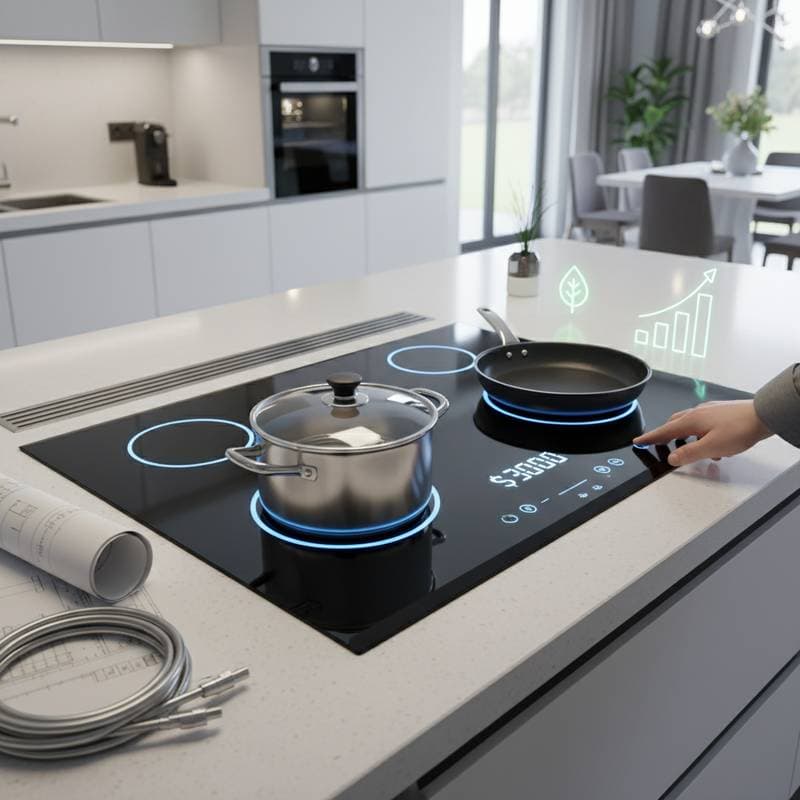
Induction cooking employs magnetic fields to warm cookware directly, bypassing the cooktop surface. Compatible pots and pans, placed on the unit, interact with electromagnetic coils that generate heat within the metal. The cooktop surface stays comparatively cool, enhancing safety and efficiency.
Suitable cookware requires ferrous materials, such as cast iron or magnetic stainless steel. A simple test involves checking if a magnet adheres to the pan base. Non-magnetic options like aluminum or copper demand a ferrous layer for compatibility.
Direct heat transfer accelerates cooking and refines precision. Water reaches a boil in roughly half the time compared to gas or traditional electric ranges. Responsiveness rivals gas, but with minimal heat loss to the surrounding area.
Factors Driving the High Cost of Induction Cooktops
A $3,000 induction cooktop falls into the premium category. Basic units begin at approximately $900, while professional models exceed $4,000. Elevated pricing stems from several key elements.
- Superior construction: High-end units feature reinforced glass tops, subdued fan operation, and robust internal mechanisms for longevity.
- Enhanced power output: Advanced models provide multiple zones with elevated wattage, enabling quicker heating and finer adjustments.
- Integrated technologies: Premium options incorporate intuitive touch interfaces, bridging functions to merge zones for oversized cookware, and app-based controls for recipes or remote operation.
The investment extends beyond basic heating to encompass aesthetics, usability, and resilience. Frequent cooks recognize these advantages in daily practice.
Installation Considerations and Electrical Demands
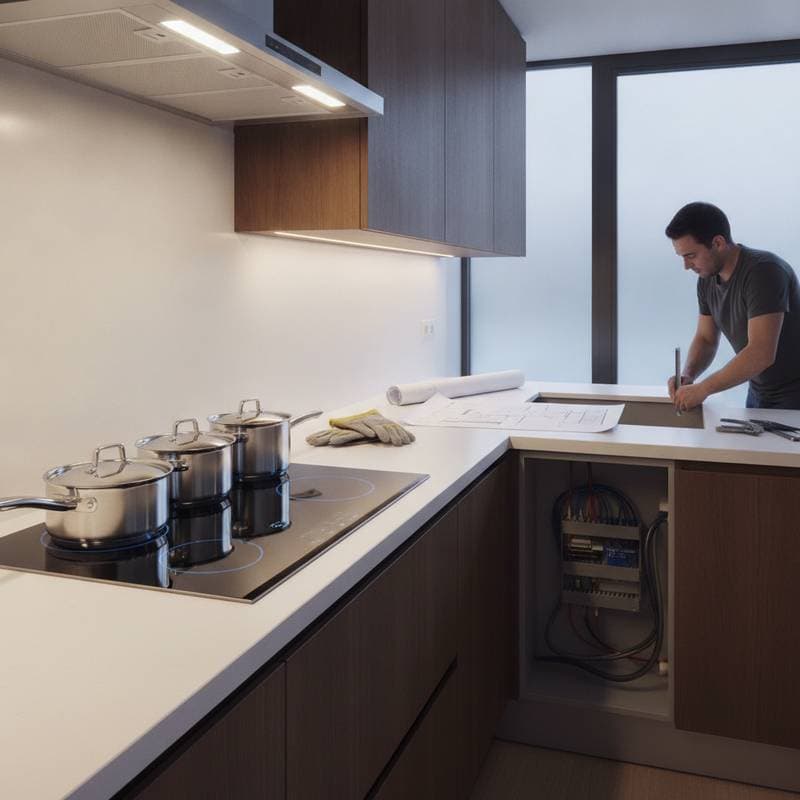
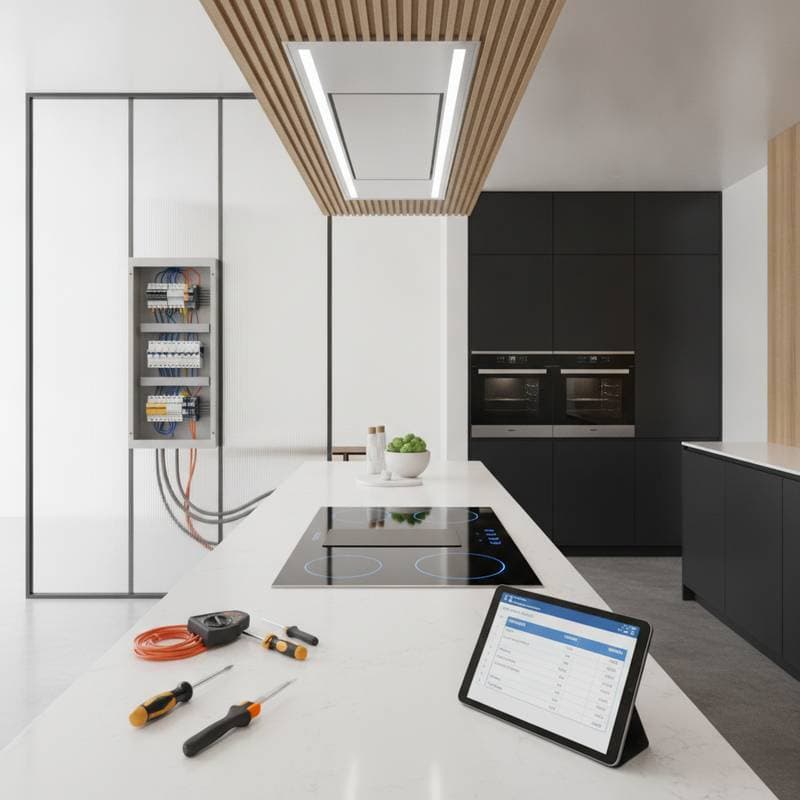
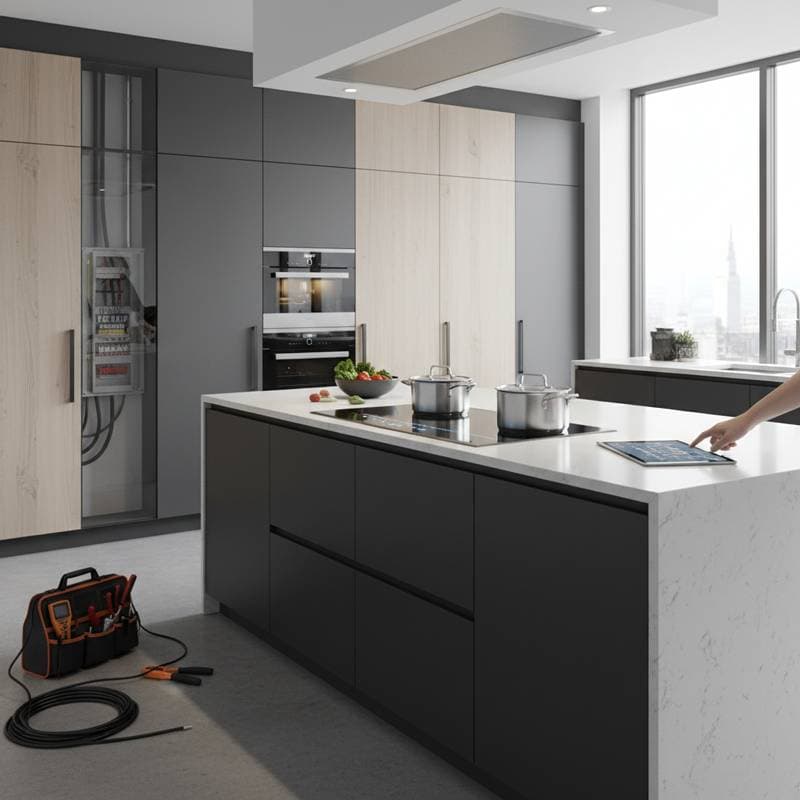
Prior to purchase, evaluate your home's electrical infrastructure. Induction units necessitate a dedicated 240-volt circuit, akin to that for an electric oven. Homes wired for electric appliances simplify the process. Transitions from gas require professional addition of circuits and potential panel enhancements.
Installation expenses typically span $250 to $800, varying by project scope. Comprehensive electrical modifications may reach $1,500. Most units install into standard countertop cutouts; precise measurements prevent issues during replacement.
Safety Features and Ventilation Needs
Induction cooktops surpass gas and conventional electric models in safety. Surfaces resist extreme temperatures, eliminating open flames. Spills wipe away without scorching, simplifying maintenance. Exercise care with metal tools and keep lightweight materials away from active zones.
Ventilation demands remain modest without combustion emissions. A range hood effectively manages steam and aromas. Recirculating or ducted systems suit most setups.
Energy Efficiency and Operating Expenses
Induction ranks among the most efficient cooking methods. Approximately 85 to 90 percent of energy transfers to the cookware, contrasting with gas's 35 to 40 percent efficiency. Reduced heat escape maintains a cooler kitchen environment.
In regions with elevated electricity costs, savings may appear incremental, yet overall energy consumption decreases for equivalent meals. Integration suits electric homes or those incorporating solar power, supporting broader electrification efforts.
The Daily Cooking Experience
Precision enthusiasts appreciate induction's command over heat. A pot boils vigorously in under two minutes, then simmers delicately with immediate response, eliminating cooldown delays. Adjustments occur seamlessly.
Maintenance proves straightforward. Without direct surface heating, residues do not adhere firmly. A damp cloth suffices for cleaning after removing cookware. The minimalist design complements contemporary kitchens.
Operational sounds, such as a subtle hum or clicks, represent a minor drawback. These noises remain unobtrusive but may startle novices.
Detailed Cost Analysis
For a $3,000 unit, consider this allocation:
- Unit price: $2,500 to $3,000
- Electrical installation: $250 to $800
- Cookware adaptations: $150 to $600
- Ventilation enhancements: $200 to $700
Total outlay often ranges from $2,900 to $5,000, contingent on existing infrastructure. Magnetic cookware ensures optimal function; include it in planning.
Tiered Model Overview
- Basic ($800 to $1,500): Limited zones and power suit modest needs or small families.
- Intermediate ($1,600 to $2,400): Reliable zones, refined controls, and basic smart options.
- Premium ($2,500 to $4,000): Maximal speed, accuracy, luxurious materials, and connectivity.
A $3,000 selection aligns with premium performance, ideal for dedicated cooks or enduring remodels.
Enduring Benefits and Investment Return
Induction may not directly boost property value, yet it elevates kitchen desirability for prospective buyers seeking efficient, modern features. For long-term residents, advantages manifest in routine efficiency, modest utility reductions, and low upkeep.
Units endure 10 to 15 years with diligent care, comparable to quality electric appliances. Fewer components enhance reliability over gas alternatives, avoiding issues like burner clogs.
Frequent cooking yields time savings and thermal comfort. Professional assistance ensures safe implementation.
Engaging Qualified Experts
Licensed electricians handle wiring to avert risks like equipment failure or hazards. Countertop alterations benefit from skilled contractors for accurate fits and seals against moisture.
Key Advantages and Drawbacks
Advantages:
- Rapid, accurate heating
- Flame-free safety
- Effortless cleaning
- Superior energy use
- Contemporary aesthetic
Drawbacks:
- Substantial initial expense
- Specific cookware requirements
- Potential electrical modifications
- Minor sounds during use
- Costly post-warranty repairs
Steps to Proceed with Confidence
Daily cooks prioritizing precision and a temperate kitchen find a $3,000 induction cooktop transformative. It provides expert-grade capabilities alongside safety and efficiency gains. Casual users may opt for mid-tier alternatives to capture core benefits affordably.
Verify electrical capacity and surface fit beforehand. Obtain electrician quotes to confirm panel adequacy. Experience induction via showroom demos or portable devices; the responsive heat often delights newcomers.
Allocate funds for compatible cookware if necessary. Durable, magnetic sets endure for years, amplifying the upgrade's worth.