Switch to Induction: Upgrade Your Kitchen Beyond Gas
Switching from gas to induction cooking offers a pathway to a cleaner, cooler, and more efficient kitchen. This upgrade enhances cooking performance while simplifying retrofits for most homes. Induction technology delivers rapid heating, precise control, and reduced energy use, making it a practical choice for modern living.
The Advantages of Induction Cooking Technology
Induction cooktops employ electromagnetic fields to heat cookware directly, bypassing the need to warm surrounding air. This results in boil times that are up to 50 percent faster than traditional methods, along with consistent temperature maintenance for tasks like simmering or frying. The cooktop surface remains relatively cool, minimizing heat escape and improving kitchen comfort during extended use.
The design features a smooth glass surface that resists staining and cleans easily with minimal effort. Users achieve accurate results, such as melting chocolate without scorching or reducing sauces to the desired consistency. These benefits position induction as a reliable option for both everyday meals and specialized recipes.
Transitioning from Gas Cooking
Gas stoves provide familiar open flames and responsive heat, yet they introduce indoor air pollutants like nitrogen dioxide from combustion. Induction eliminates these emissions, delivering instant heat through electricity without flames or fumes. This shift supports healthier indoor environments and aligns with broader electrification trends.
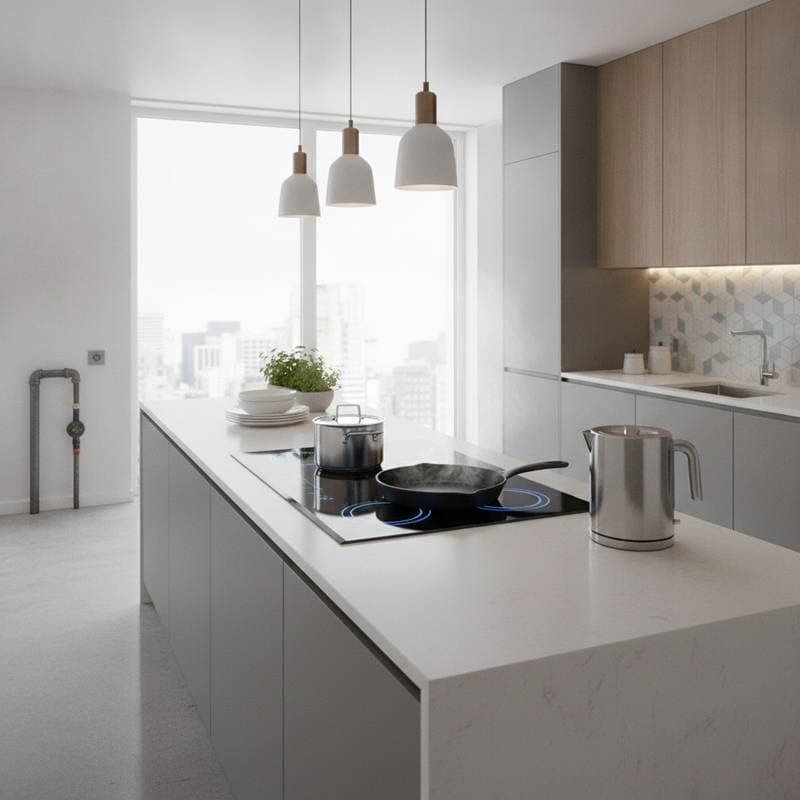
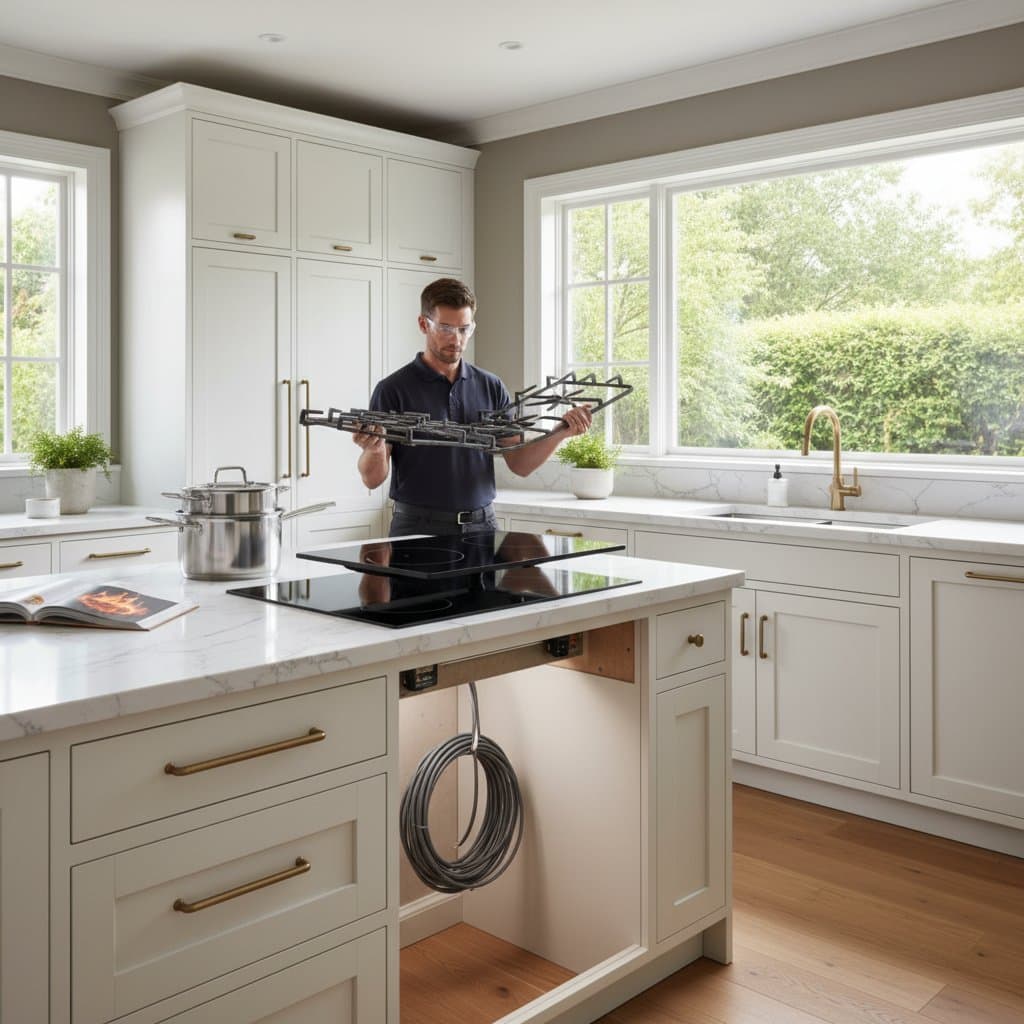
For retrofits, induction cooktops typically require a standard 240-volt electrical connection. Verify your home's circuit capacity with a licensed electrician to ensure compatibility. If an existing gas line is present, a certified plumber can cap it securely, often completing the process in a single day for straightforward installations.
Selecting Induction Cooktops by Budget
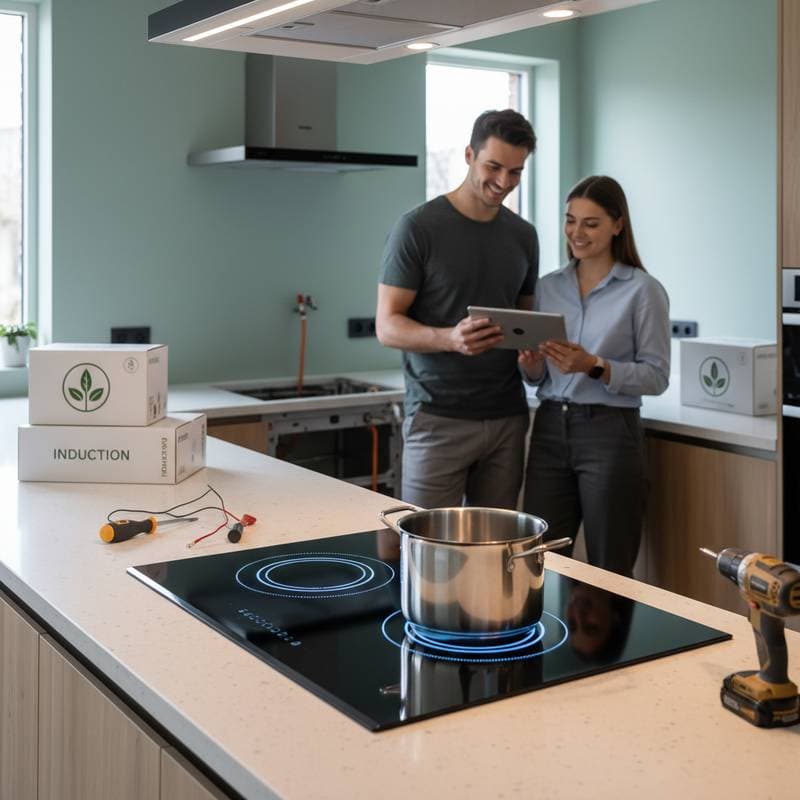
Induction options range from portable units to full built-in models, accommodating various budgets and space constraints. Portable versions suit renters or those seeking a low-commitment trial, while integrated cooktops integrate seamlessly into countertops. Consider factors like burner count, zone flexibility, and additional features such as timers or boost functions.
Here is a structured overview of options:
- Entry-Level ($75–$300): Single- or double-burner portable units ideal for supplemental cooking in small spaces or apartments.
- Mid-Range ($400–$1,000): Four-burner drop-in models that fit standard 30-inch cutouts, suitable for typical kitchen updates.
- Premium ($1,200+): Advanced built-ins with expandable zones, touch controls, and safety sensors for demanding culinary needs.
All levels incorporate essential safety elements, including auto-shutoff and pan detection, ensuring reliable operation across price points.
Integrating Induction into Kitchen Design
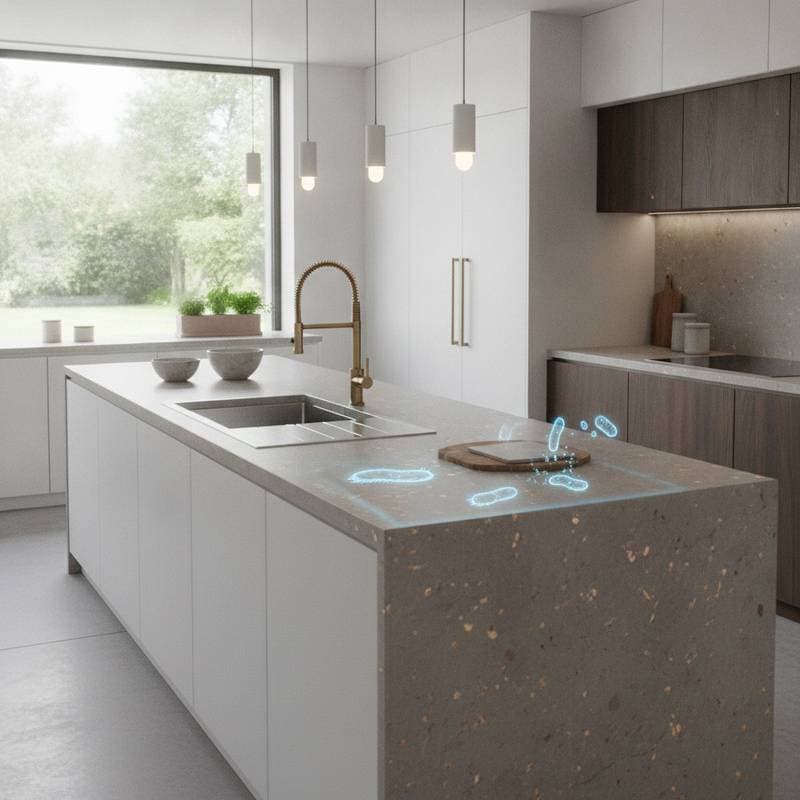
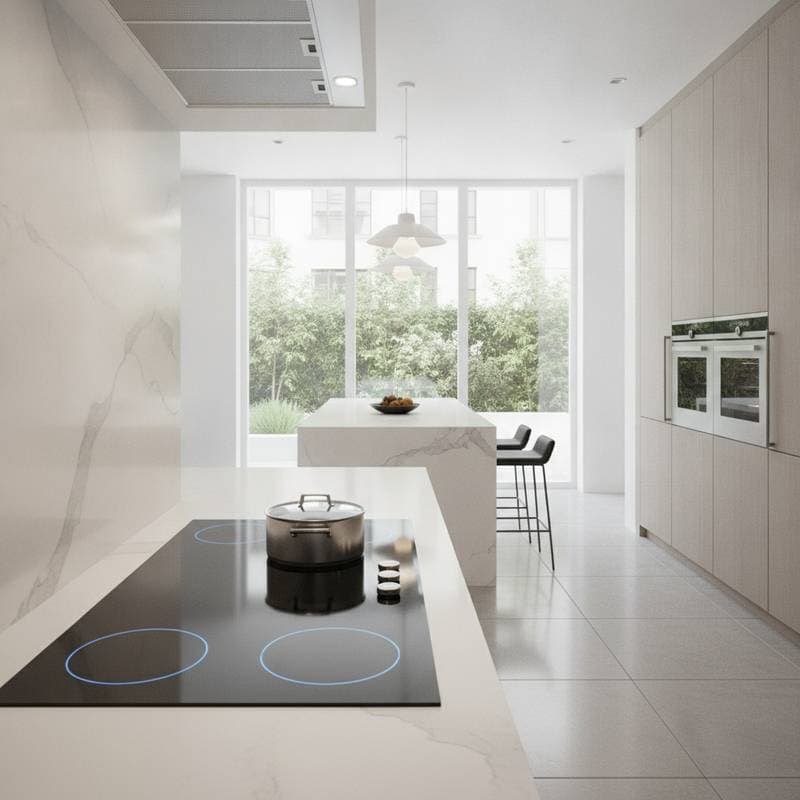
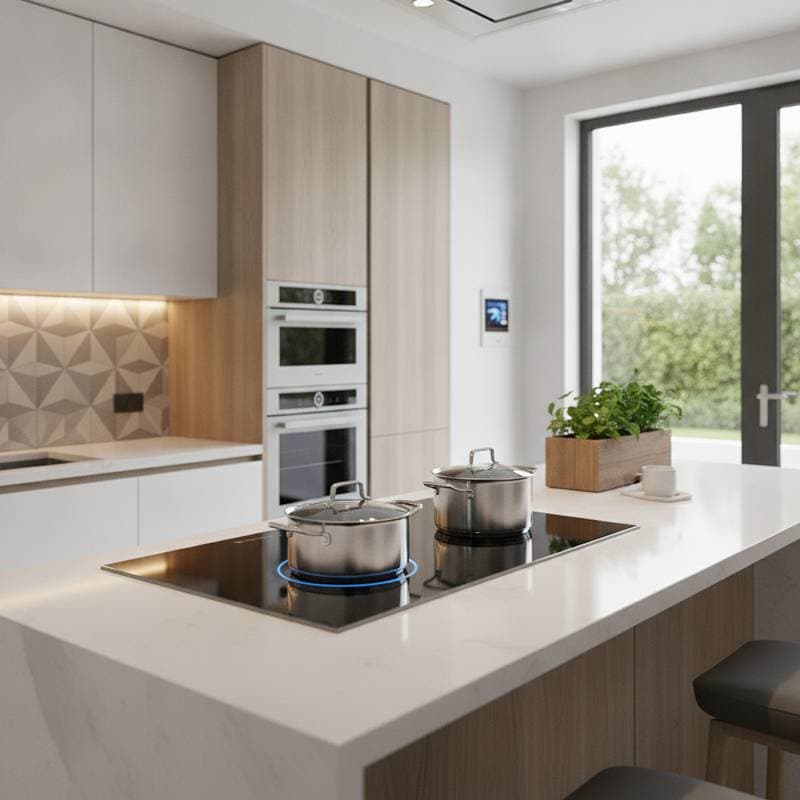
Induction cooktops enable streamlined kitchen layouts by eliminating the need for overhead gas venting. This opens possibilities for open-plan designs, such as waterfall-edge islands with flush-mounted surfaces. The flat glass top blends with materials like quartz or granite, creating a cohesive aesthetic from contemporary to traditional styles.
Beyond appearance, the surface serves dual purposes: it functions as additional counter space for preparation or serving when idle. Select models with beveled edges to prevent chipping during installation. This versatility enhances workflow, allowing seamless transitions between chopping, cooking, and plating.
Health and Environmental Benefits
Gas cooking contributes to indoor air quality issues through pollutant release, which induction avoids entirely. Cleaner air reduces respiratory irritants, benefiting households with children or sensitive individuals. Kitchens maintain lower ambient temperatures, easing comfort during summer months or high-heat cooking sessions.
On the environmental front, induction promotes energy efficiency by directing power solely to the cookware, potentially cutting household energy use by 10 to 15 percent. Pairing with renewable electricity sources amplifies sustainability. This technology supports global efforts to phase out fossil fuel dependencies in residential settings.
Step-by-Step Installation Process
A successful retrofit begins with thorough preparation to avoid disruptions. Follow these steps for an efficient transition:
- Evaluate Electrical Capacity: Confirm availability of a 240-volt, 40- to 50-amp dedicated circuit; consult an electrician for upgrades if necessary.
- Engage Professionals: Involve a licensed electrician for wiring and a plumber for gas line disconnection and capping.
- Measure and Select: Ensure the cooktop dimensions match your cutout, typically 24 to 36 inches wide.
- Address Ventilation: Install a range hood for steam and odor removal, though less powerful units suffice compared to gas setups.
- Test Post-Installation: Verify functionality with compatible cookware before full use.
During countertop modifications, incorporate adjacent outlets or integrated lighting to optimize the space.
Mastering Induction Cooking Techniques
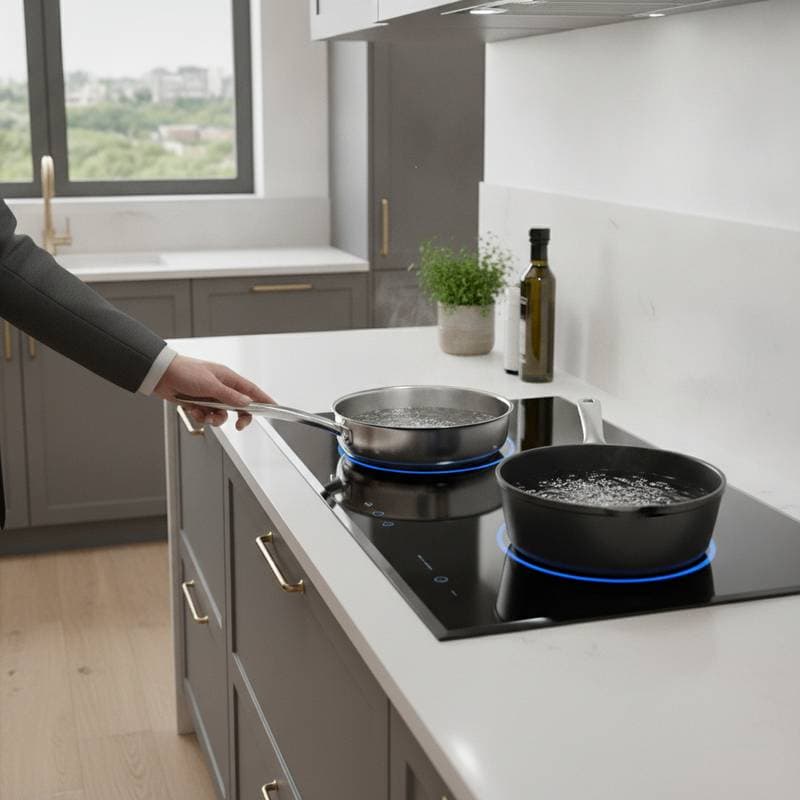
Induction responds immediately to adjustments, heating pans in seconds and cooling upon removal. This precision suits diverse techniques, from rapid sears to gentle poaches. Boiling water reaches a rolling boil in under two minutes on high settings, streamlining meal preparation.
Compatible cookware includes items with ferrous bases, tested by adhering a magnet to the bottom. Cast iron, stainless steel clad with magnetic layers, and enameled pots qualify. Non-compatible pieces can be adapted with induction discs for even heating.
Cleanup proves straightforward, as the cool surface prevents spills from baking on. Wipe with a damp cloth and mild cleaner after cooling, preserving the glass's clarity over time.
Innovations in Induction Design
Advancements in induction technology include bridge zones that merge burners for large cookware and Wi-Fi connectivity for remote monitoring. Integrated downdraft systems extract vapors directly from the cooktop, ideal for island installations without overhead hoods. These features cater to professional and enthusiast cooks alike.
Manufacturers develop complementary accessories, such as magnetic knife strips or heat-resistant mats that adhere to the surface. Custom integrations, like hidden controls or color-matched panels, elevate the cooktop to a design element rather than an appliance.
Embracing the Induction Lifestyle
Adopting induction transforms daily routines with reduced maintenance and enhanced safety. Families appreciate flame-free operation around children, while hosts enjoy cooler gatherings. The overall kitchen becomes a more inviting space for creativity and connection.
To begin, acquire a portable unit to experiment with recipes and assess compatibility. This low-risk approach builds confidence before a full commitment.
Steps to Implement Your Upgrade
Initiate the process by auditing your kitchen's electrical infrastructure and defining your budget parameters. Research models based on cooking habits, such as frequent batch cooking or precise baking. Schedule professional consultations to tailor the installation to your layout.
This thoughtful planning yields a kitchen that prioritizes efficiency, health, and style. Induction cooking represents a forward-thinking investment in sustainable home design.