Japandi Fusion: Minimalist Serenity for 2026 Homes
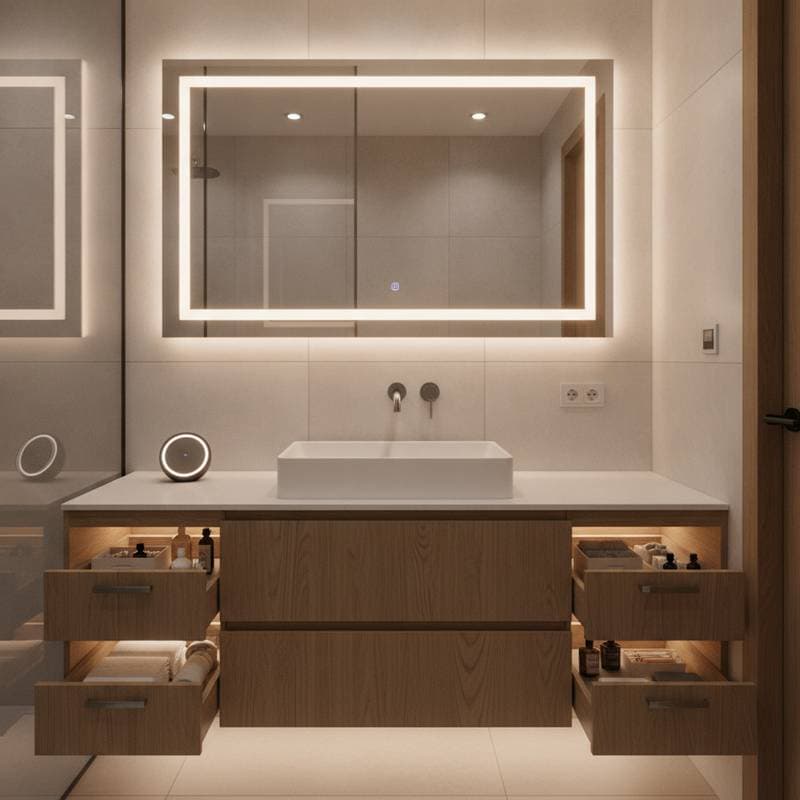
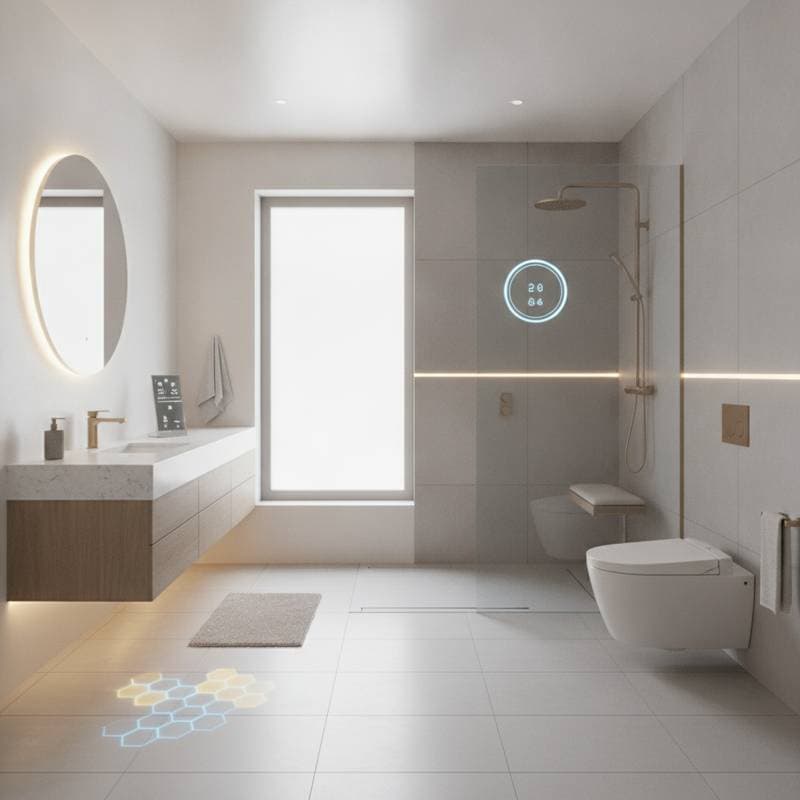
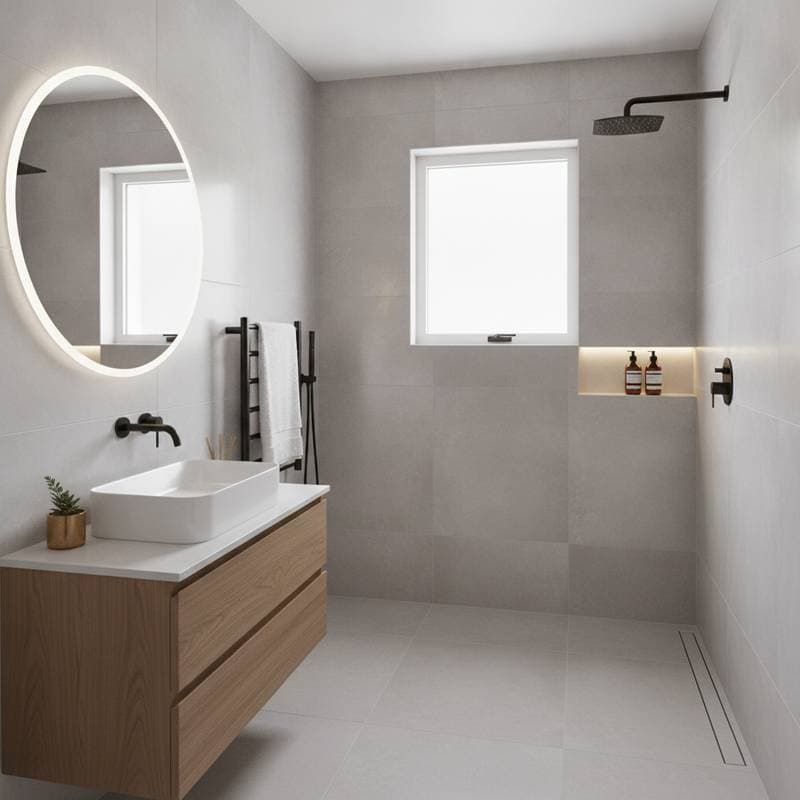
Japandi style captures the essence of tranquil, inviting interiors by combining Japanese minimalism with Scandinavian coziness. This evolving design trend produces spaces that balance clarity and comfort, offering a grounded atmosphere tailored to individual needs. Designers anticipate its prominence in 2026, as it aligns with broader desires for mindful, sustainable living.
Core Principles of Japandi
Japandi centers on simplicity, skilled craftsmanship, and intentionality. Spaces avoid excess while incorporating welcoming elements that enhance daily life. Scandinavian influences contribute soft woods, organic hues, and plush textures, while Japanese aspects add disciplined forms, precise joinery, and a focus on harmony.
The approach values imperfection as part of its charm. Pair sleek surfaces with aged timber or artisanal pottery to achieve subtle contrasts. This method ensures rooms feel lived-in yet refined, promoting a sense of equilibrium.
Building a Japandi Color Palette
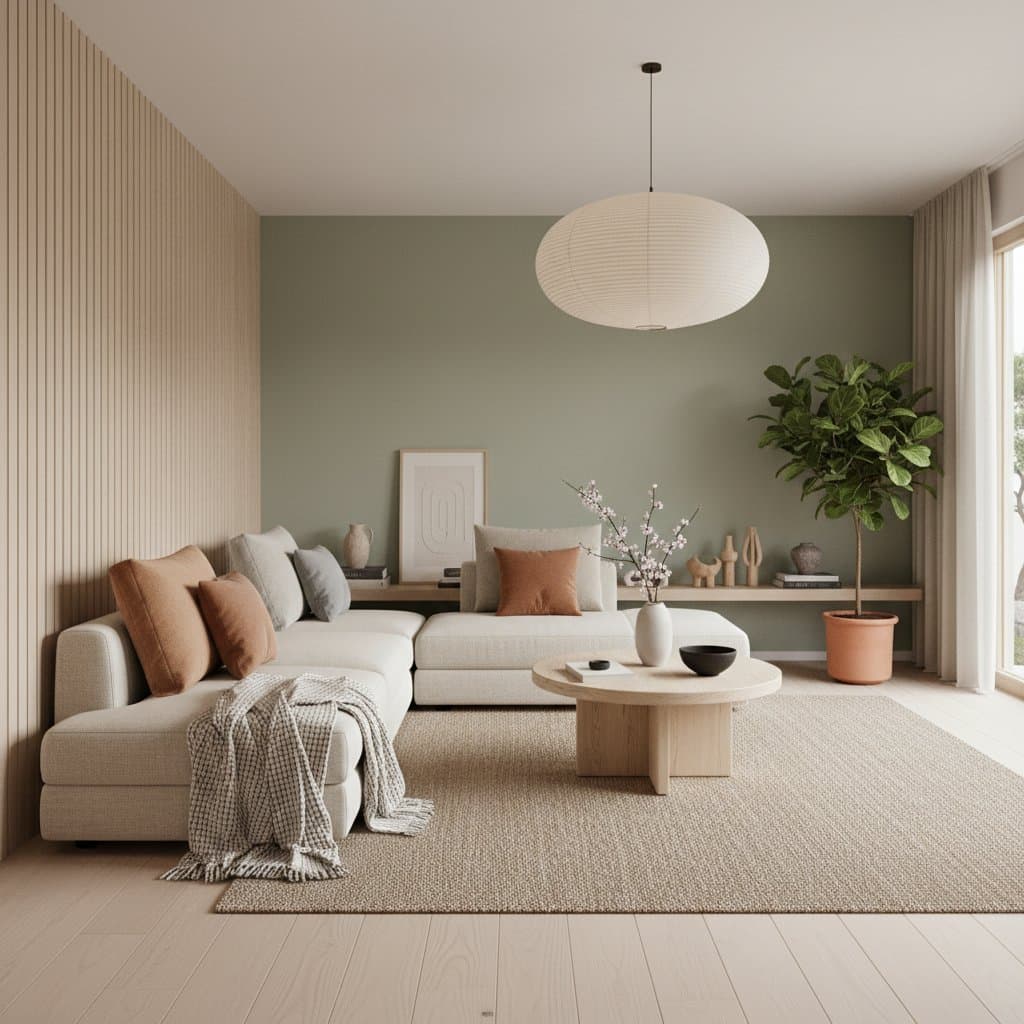
Select subdued neutrals and earthy tones to establish a restful mood. Options include light oak finishes, soft beige walls, slate grays, and off-white accents that amplify natural illumination. Introduce subtle highlights such as muted sage, deep charcoal, or warm terracotta for added dimension without overwhelming the palette.
For cost-effective changes, apply a coat of warm neutral paint to walls or trim. Renters might opt for peel-and-stick wallpaper featuring subtle linen or bamboo motifs. These choices deliver a sophisticated update with minimal disruption and environmental impact.
Selecting Functional Furniture
Prioritize pieces that integrate seamlessly into the room's layout while serving practical roles. Focus on items with streamlined shapes, modest heights, and materials drawn from nature, such as pine, ash, birch, bamboo, or walnut. These selections support fluid movement and visual lightness.
On a limited budget, source wooden furniture from secondhand markets and restore it through sanding and a matte finish application. Mid-tier options from accessible retailers provide clean profiles that align with the style. For premium investments, commission pieces from skilled artisans specializing in traditional techniques to ensure durability and uniqueness.
Incorporating Textural Layers
Japandi excels through varied tactile elements that invite interaction. Blend glossy ceramics with rough-hewn linens, nubby jute flooring with smooth cushions, or unpolished wood with plush wool accents. These combinations build depth and sensory interest.
Begin enhancements with accessible textiles like neutral throws, storage baskets, or area rugs in natural fibers. Incorporate handmade ceramics or pottery to infuse warmth. Budget-conscious individuals can explore local markets or assemble simple DIY projects, such as wheel-thrown vessels, to personalize the environment.
Creating Ambient Lighting
Maximize daylight with sheer, lightweight curtains that filter without blocking views. Supplement with layered artificial sources, including rice-paper shades, woven fixtures, or diffused glass designs, to produce a soothing evening radiance.
Affordable adjustments involve replacing harsh bulbs with warm-spectrum alternatives for immediate atmospheric improvement. In compact or leased areas, utilize portable sconces or battery-operated lamps to achieve the desired softness. Such setups enhance visual appeal, particularly under scrutiny from photos or video.
Curating Thoughtful Accessories
Embrace restraint by selecting few, meaningful items that evoke serenity. Consider a lone floral stem in a vase, a sculpted tray, or an understated line illustration. Allow open areas to provide mental respite amid the composition.
For economical art solutions, reproduce monochromatic images or abstract sketches from digital sources, mounted in narrow wooden frames for symmetry. Indulge in original works from regional potters or calligraphers to honor the style's artisan roots. This curation reinforces themes of quality and human touch.
Embracing Sustainability in Design
Japandi inherently promotes eco-conscious practices through durable, natural selections. Opt for furnishings from certified timber, plant-based fabrics, and non-toxic treatments to minimize environmental footprint. Extend item lifespans via maintenance, adaptation, and restoration.
Without financial outlay, refresh existing pieces with fresh paint, repurpose scraps into upholstery, or revive vintage acquisitions. These steps cultivate a narrative through subtle patina, aligning beauty with ethical responsibility.
Evolving Your Japandi Space
Japandi adapts fluidly to personal growth, encouraging periodic reflection on usage and preferences. Refresh elements with seasonal swaps in decor or fabrics, allowing organic aging to enhance character. This dynamic process maintains harmony while reflecting evolving lifestyles.
Invest in elements that resonate, from salvaged gems to bespoke creations, to foster an environment of quiet assurance. Such homes not only sustain aesthetic appeal but also support emotional balance and daily renewal.