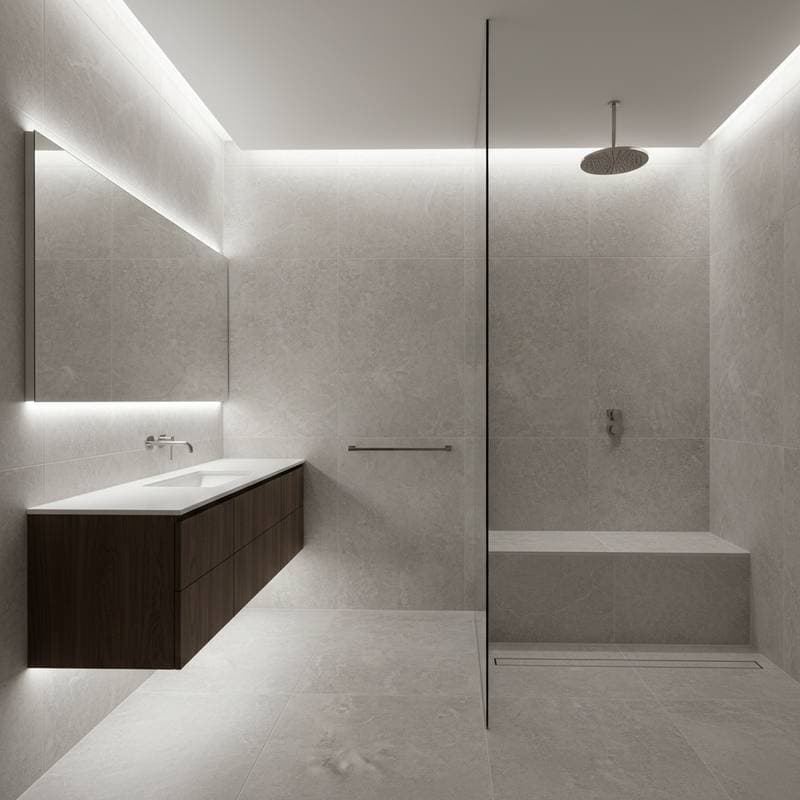
Wet Rooms: Leading the Shift in Bathroom Design
As a remodeling contractor, I observe bathroom trends evolve over time, yet wet rooms stand out for their enduring appeal. Once a high-end option, these spaces now serve practical needs for homeowners seeking accessibility, elegance, and resilience. Wet rooms integrate open showers with fully sealed surfaces, yielding functional areas that blend form and utility. Proper planning and expert installation remain essential to sidestep issues that demand significant future expenditures.
Risks of Inadequate Wet Room Construction
Homeowners must recognize potential pitfalls before embracing wet room designs. A genuine wet room extends beyond an open shower; it demands comprehensive sealing of floors, walls, and junctions. Improper application of waterproofing membranes allows water infiltration into subfloors and structural elements. In my experience, leaks from faulty seals have led to rot and mold extending into adjacent areas, with remediation costs exceeding the initial project budget.
Floor gradient errors represent another frequent issue. Wet room floors require a precise slope toward the drain, typically one-quarter inch per foot. Insufficient pitch causes water accumulation and hazardous slipperiness, while excessive incline compromises comfort. DIY efforts often falter here, necessitating full demolition once tiles cover the base. Professional oversight of waterproofing and slope verification proves indispensable for sustained reliability.
Reasons Homeowners Opt for Wet Rooms
-
Space Optimization
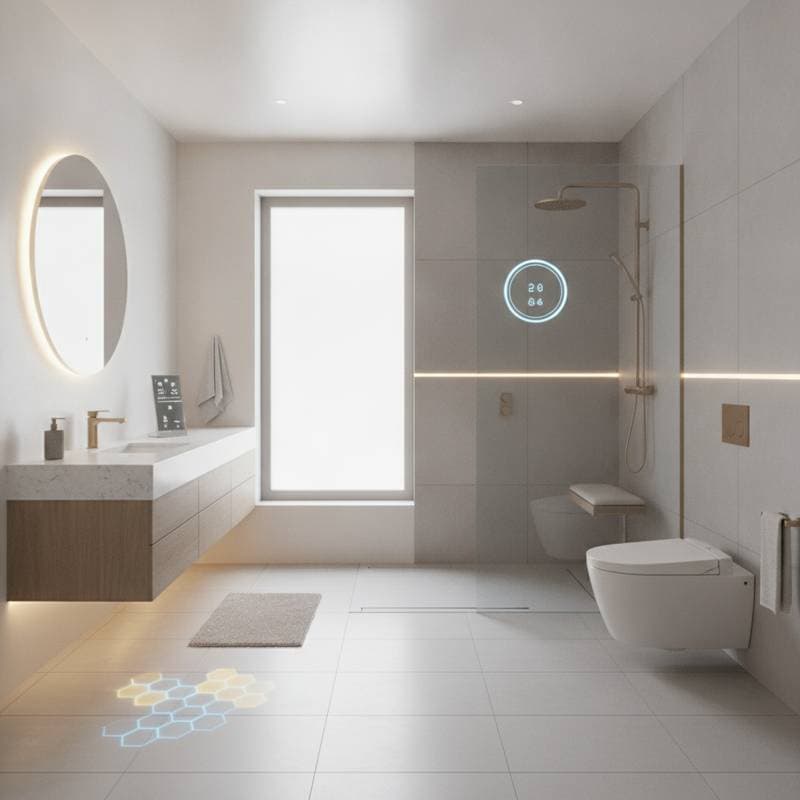
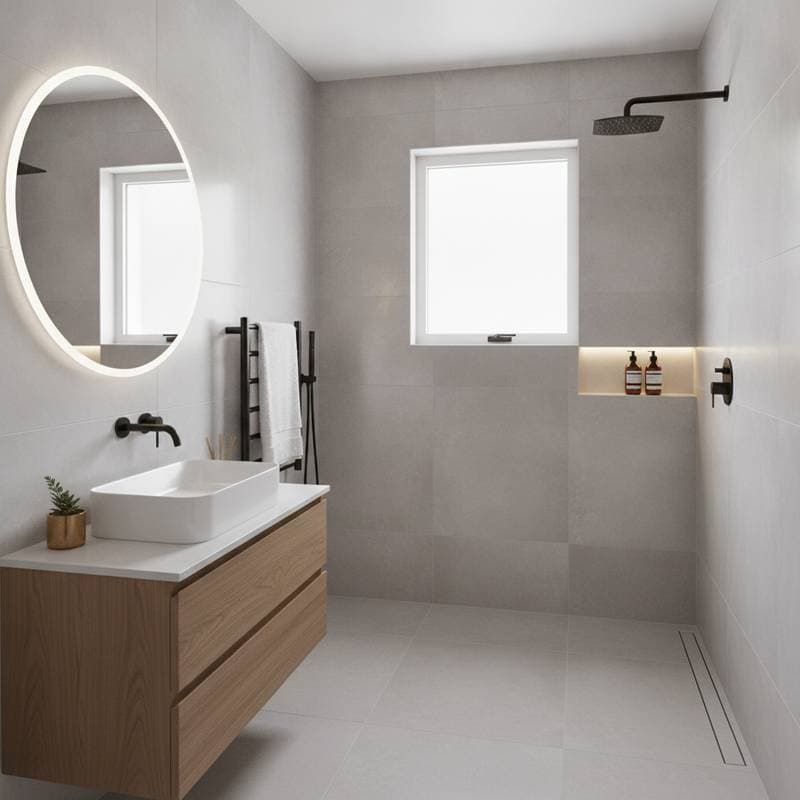
Wet rooms eliminate shower enclosures and curbs, expanding the perceived size of confined bathrooms. This open configuration fosters fluid movement and minimizes visual interruptions. In smaller residences, such layouts evoke a spa-like retreat. -
Enhanced Accessibility for Lifelong Use
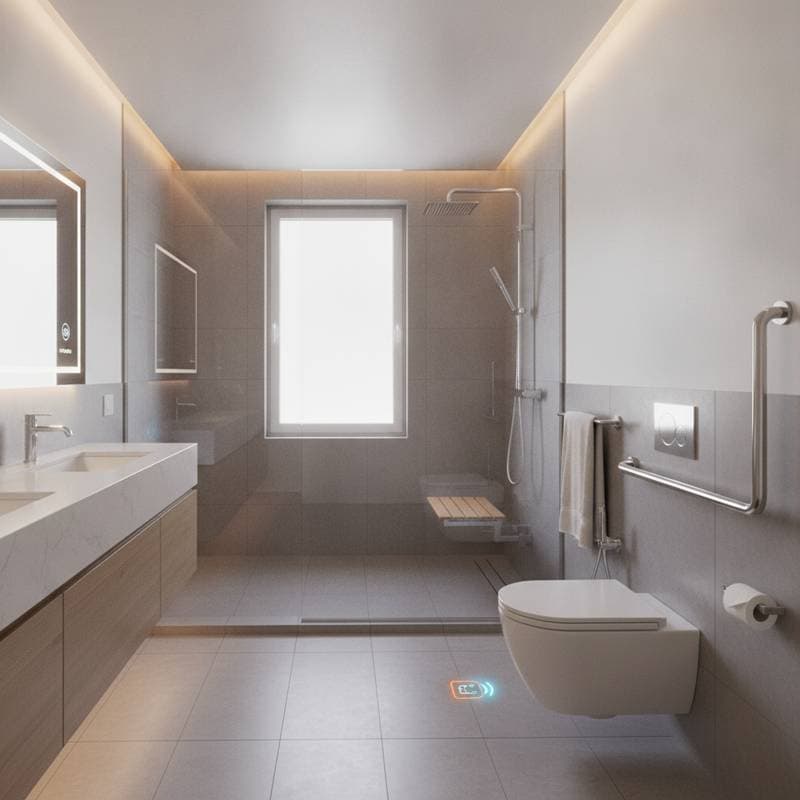
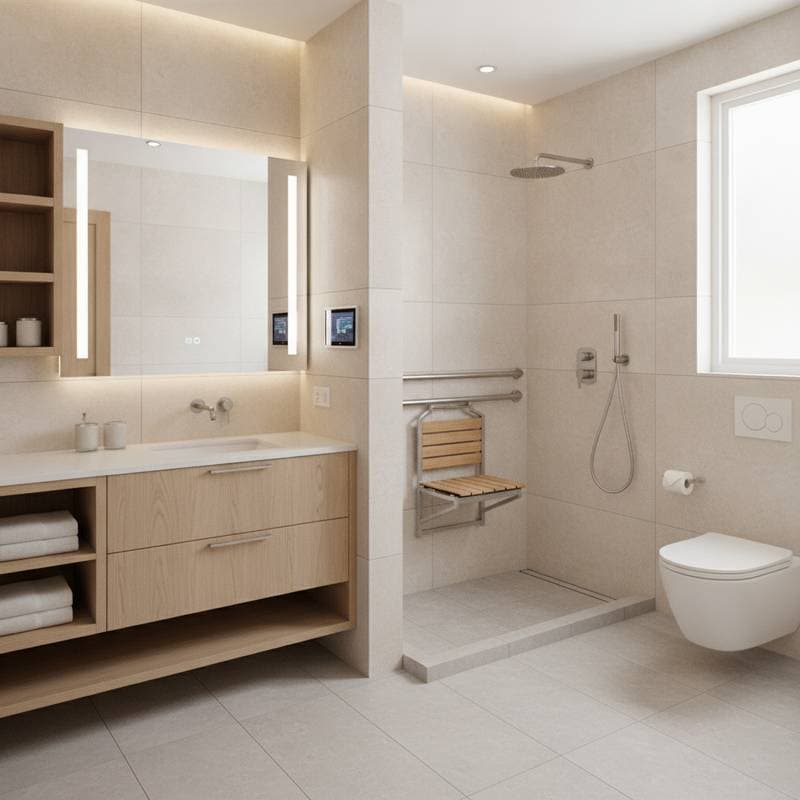
Forward-thinking designs prioritize future adaptability. Wet rooms remove barriers like tub edges or thresholds, promoting safer entry for individuals with mobility challenges. I frequently suggest this approach for accessibility-focused renovations. Incorporating non-slip flooring and support rails ensures suitability across generations without aesthetic compromise. -
Simplified Maintenance
Absence of doors, tracks, or curtains streamlines cleaning routines. Handheld shower units paired with unbroken surfaces limit residue accumulation. Many clients cite reduced upkeep as a primary motivator for adoption. -
Contemporary Visual Harmony
Wet rooms align with prevailing minimalist aesthetics. Uniform flooring and wall treatments produce a luxurious ambiance compatible with diverse materials. Options like stone-inspired tiles, oversized porcelain slabs, or microcement coatings deliver unified, sophisticated results. -
Boost to Home Value
Expertly constructed wet rooms elevate property appeal as upscale amenities. Prospective buyers appreciate verified waterproofing and warranties. I counsel retaining documentation of employed membranes and products to affirm installation excellence to future owners.
Key Technical Aspects of Wet Room Builds
Wet room success hinges on meticulous technical execution beyond mere visuals. Homeowners benefit from grasping these fundamentals prior to commencement.
-
Comprehensive Waterproofing Systems (Tanking)
Sealing extends to walls up to six feet and entire floors via liquid or sheet membranes beneath finishes. Vulnerable zones include corners, seams, and fixture penetrations. Neglecting or hastening this phase accounts for most wet room shortcomings. -
Effective Drainage Solutions
Drain positioning and type influence both aesthetics and efficacy. Linear drains facilitate unidirectional slopes, easing tile work and enhancing modernity. Central drains necessitate multidirectional gradients, complicating clean tiling. Verify that assemblies feature accessible traps for maintenance and adhere to plumbing regulations. -
Robust Floor Preparation
Subfloors demand stability and readiness for sealing. Timber structures in legacy homes may require joist reinforcement or dedicated trays. Concrete bases adapt more readily but still need accurate sloping prior to membrane application. -
Humidity Management Through Ventilation
Elevated moisture levels call for robust airflow. Exhaust fans with proper ducting avert condensation, mildew, and adjacent damage. Humidity-activated models that self-regulate maintain optimal conditions. -
Suitable Material Choices
Select finishes engineered for damp settings, such as porcelain, treated stone, or microcement. Steer clear of moisture-vulnerable options like untreated drywall or particleboard. Ceiling applications warrant vapor-resistant paints.
Fostering Effective Contractor-Homeowner Dialogue
Wet room endeavors thrive on transparent exchanges. Details from drain sites to tile patterns shape outcomes. Request a detailed written proposal outlining waterproofing methods, materials, and guarantees to align visions and safeguard interests.
Mid-project alterations often arise as friction points. Post-waterproofing modifications risk membrane breaches. Finalize layouts before groundwork; any shifts require waterproofing reevaluation to preserve system wholeness.
Photographic evidence of the sealed layer pre-tiling builds accountability. This practice documents compliance should disputes emerge. Reputable professionals accommodate such requests, often integrating them into standard protocols.
Sustaining Wet Room Performance Over Time
Superior wet rooms demand minimal intervention yet regular attention ensures longevity.
-
Routine Drain Upkeep
Debris like hair and soap builds in traps. Disassemble and cleanse monthly to sustain drainage and eliminate scents. -
Monitoring Seals and Joints
Surface integrity supports underlying barriers. Scan for fissures in grout or caulk; reapply sealants promptly to block subsurface moisture. -
Humidity Regulation
Operate fans post-use to expel vapor. Persistent surface fog signals potential ventilation enhancements. -
Appropriate Cleaning Methods
Employ mild agents to preserve sealants and surfaces. Abrasive or caustic products accelerate wear.
The Enduring Value of Wet Rooms
Concerns about wet rooms as fleeting fashions overlook their substantive merits. Demand stems from utility as much as style: accessibility, upkeep ease, and spatial efficiency address persistent housing priorities. Professionals increasingly incorporate these elements into standard offerings.
From fieldwork insights, enduring designs excel in water containment, user-friendliness, and streamlined aesthetics over conventional alternatives. These attributes ensure relevance across years.
Maximizing Returns on Your Wet Room Project
Treat wet room pursuits as strategic enhancements. Choose contractors versed in sealed systems and precise tiling; review portfolios and confirm certifications for wet applications. Verify licensing and coverage.
Executed with expertise, wet rooms yield resilient, user-friendly havens that ease daily tasks, support varied needs, and impart lasting refinement.