AI Tools Eliminate Designer Fees for Perfect Color Choices
Homeowners often face challenges in selecting ideal colors for interior spaces. Hours spent reviewing paint swatches or browsing inspiration images frequently lead to disappointing results. Hiring a professional designer adds significant expense, yet the outcome may still fall short of expectations. Incorrect shades can alter a room's perceived size, temperature, or harmony with existing furnishings, resulting in costly corrections.
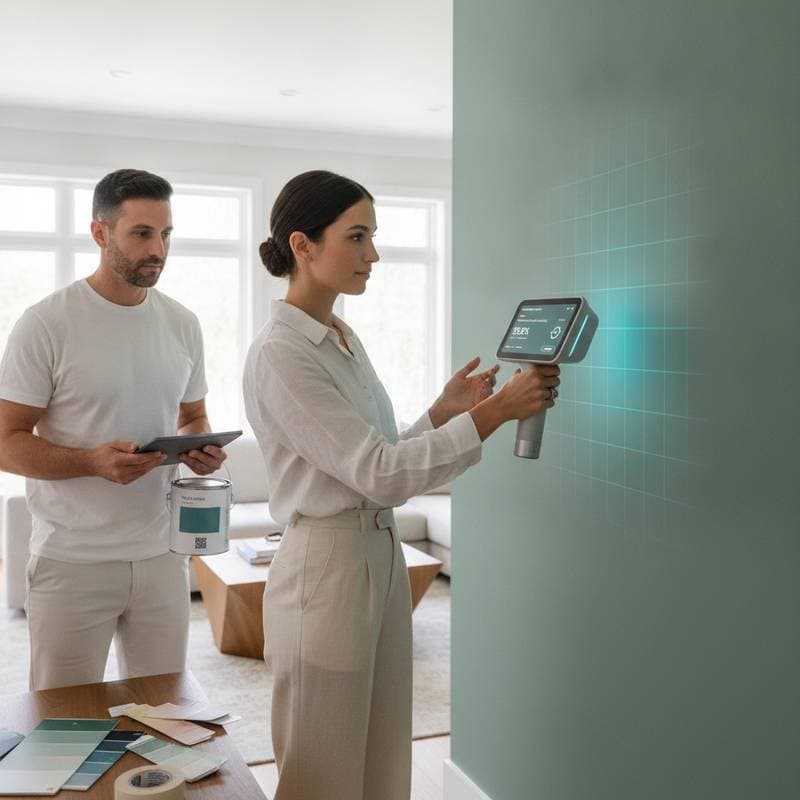
Emerging AI color-matching tools address these issues effectively. These platforms employ image recognition, lighting simulations, and predictive algorithms to develop tailored color palettes. They reduce the inherent risks in visual choices and, for numerous homeowners, remove the necessity of engaging designers solely for color selection.
As a remodeling professional, I observe how color decisions frequently prolong projects or create tensions between clients and teams. Current technologies mitigate many such issues. Success depends on recognizing the capabilities and limitations of these tools.
Understanding AI Color Tools
These systems operate through three primary mechanisms:
-
Digital Sampling
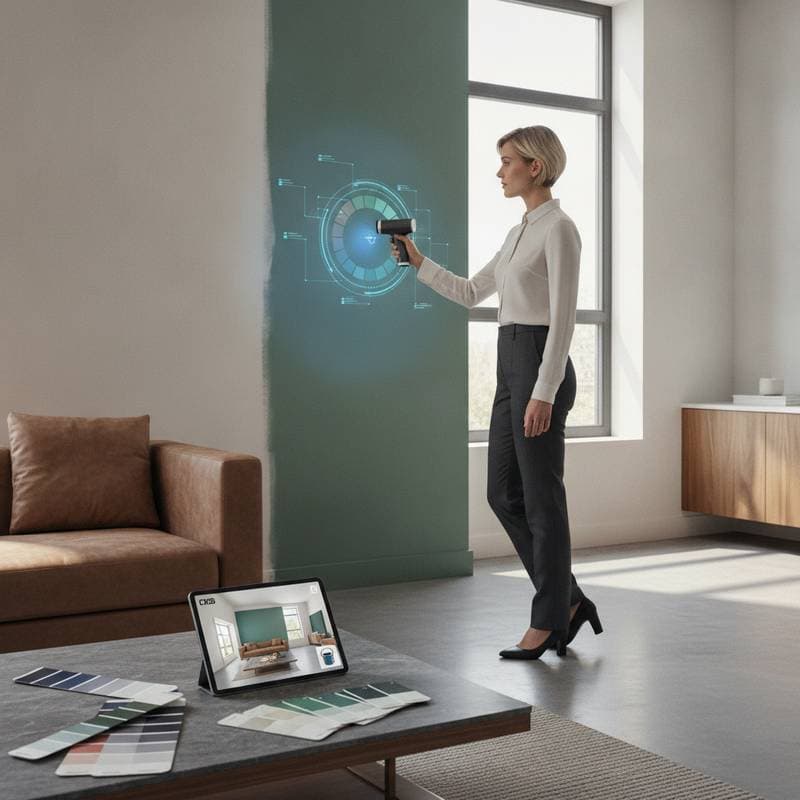
Upload photographs of the space, and the tool analyzes lighting and color data at the pixel level. It constructs an accurate representation of the existing environment. -
Color Prediction
The application cross-references uploaded images with extensive databases of materials, finishes, and paint varieties. It forecasts color performance under the room's unique lighting scenarios. -
Palette Generation
With environmental details established, the tool proposes cohesive color schemes aligned with user-specified styles. Adjustments for mood, brightness, or contrast enhance personalization.
Professionals in design increasingly integrate these tools to streamline processes. Homeowners benefit from comparable features at minimal or no expense.
Insights from a Contractor's Viewpoint
In my experience, this technology resolves persistent challenges in the field. Clients who select colors viapreviews require fewer revisions or disputes over shades. It streamlines scheduling by securing decisions prior to painting stages.
I incorporate AI tools to produce digital visualizations for clients before procuring materials. Viewing simulated rooms accelerates informed choices and boosts assurance. Consequently, timelines shorten, teams remain efficient, and projects progress smoothly.
Technology offers strong guidance but lacks infallibility. Predictions hold under typical conditions, yet factors like wall texture, finish sheen, and ceiling proportions impact final appearances. AI provides a solid foundation; physical samples validate selections before large-scale application.
Case Study: Revitalizing a Kitchen
A recent client sought to update an outdated kitchen. Investments in new cabinets and quartz countertops were complete, but wall color selection proved elusive. Over a dozen paint samples failed to harmonize with the counter undertones.
I recommended an AI color-matching tool. We captured room images, uploaded them, and specified preferences for bright yet warm tones. The analysis yielded a palette featuring a subtle neutral paired with a bold accent.
Sample quarts confirmed the suggestions through test patches. The selected shade integrated seamlessly with counters and illumination. The client expressed regret for not utilizing the tool sooner, as it averted extended experimentation and additional costs.
This case underscores the tools' practicality. They minimize aggravation, conserve resources, and yield outcomes once dependent on expert intervention.
Core Technologies Driving Precision
Accuracy stems from sophisticated imaging and data analytics. Machine learning detects nuanced variations in hue and saturation beyond typical human perception.
Leading systems address metamerism, where colors shift under different lights. Simulations across natural and artificial conditions forecast real-world behavior.
Material recognition differentiates surface types such as matte, satin, gloss, or textured. Renderings adapt accordingly, approximating physical outcomes closely.
Such capabilities previously demanded specialized gear and expertise. Today, they execute via mobile devices in moments.
Balancing Technology with Professional Guidance
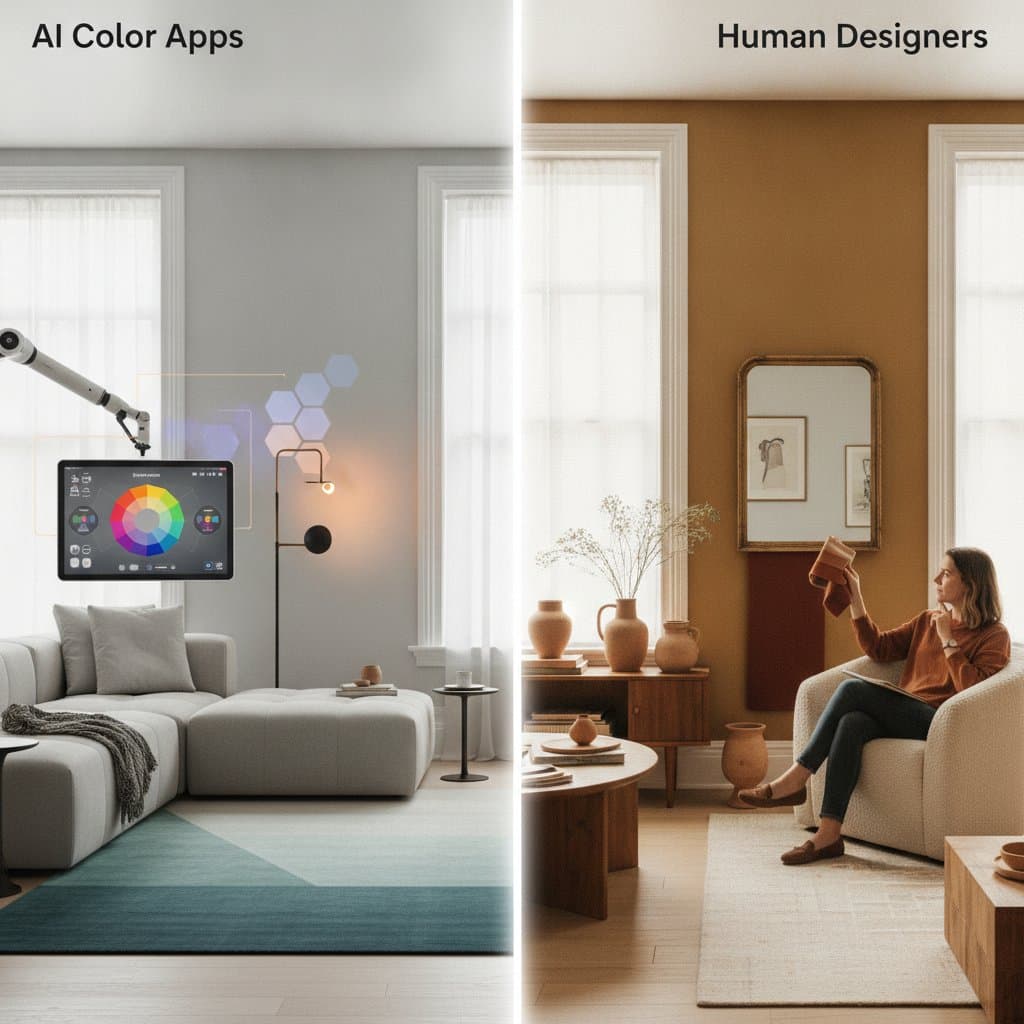
Despite their strengths, these tools complement rather than supplant human expertise. Designers and contractors contribute irreplaceable insights for integrating elements like tiles, cabinetry, and flooring. AI excels in color coordination but cannot assess tactile qualities.
I advise clients to leverage AI for initial explorations, followed by real-material evaluations in ambient light. This approach merges digital precision with tangible verification, eliminating most color disappointments.
Exercise caution with basic applications. Inferior options suffer from restricted databases or imprecise computations. Prioritize tools affiliated with reputable paint or design firms, which utilize validated libraries for reliability.
Benefits Beyond Finances
Errors in color selection extend past material waste. They influence emotional connections to living spaces. Negative experiences erode trust in design processes, while successful choices enhance spatial perception and well-being.
AI tools instill empowerment and certainty. These psychological advantages rival monetary gains. Initiatives advance rapidly, choices simplify, and finishes convey deliberate sophistication.
Evolving Practices in the Industry
Professionals adapt by promoting AI tools early in engagements. This practice secures commitments, curtails modifications, and optimizes workflows. Paint retailers embed these features online, enabling room-specific previews before purchases.
Steps for Your Upcoming Project
Start by selecting a credible AI tool integrated with major paint brands. Capture high-resolution photos under varied lighting to capture true conditions. Input style goals, such as modern minimalism or cozy traditional, for targeted suggestions.
Review generated palettes alongside your furnishings and materials. Order small sample pots to test on walls, observing shifts from morning to evening light. Consult a contractor for advice on application techniques that preserve intended hues.
This method ensures colors enhance your vision without unforeseen expenses. Homeowners who follow these steps report higher satisfaction and smoother renovations.