Unlock Professional Color Palettes with AI, No Designer Required
Homeowners often face the challenge of selecting paint colors that truly enhance their spaces. Paint samples appear vibrant in the store but shift unexpectedly under home lighting. Natural daylight reveals further variations, turning a promising shade into an unsuitable choice. This trial-and-error process frustrates many, yet artificial intelligence offers a reliable solution.
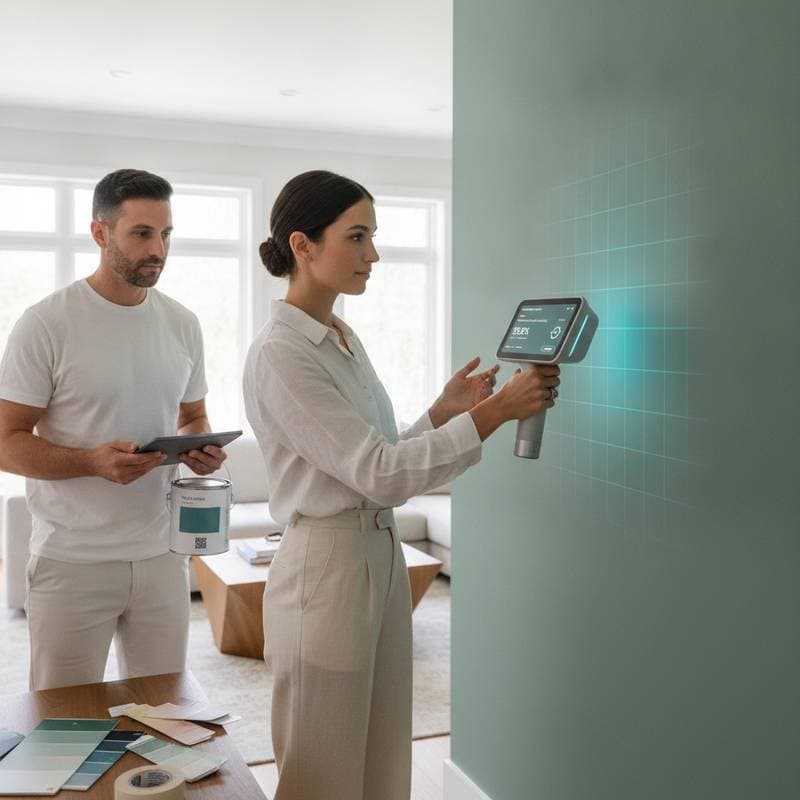
AI color matching tools enable precise selections by processing images of your environment. These platforms consider lighting conditions, surface textures, and existing colors to recommend harmonious options. Homeowners gain access to professional-grade results without the expense of consultations, transforming design decisions into efficient tasks.
The Challenges of Accurate Color Selection
Perceived color varies significantly based on environmental factors. A soft blue might read as cool and serene in morning light but harsh under fluorescent bulbs. Textures on walls or furniture further influence how shades interact, complicating choices for non-experts.
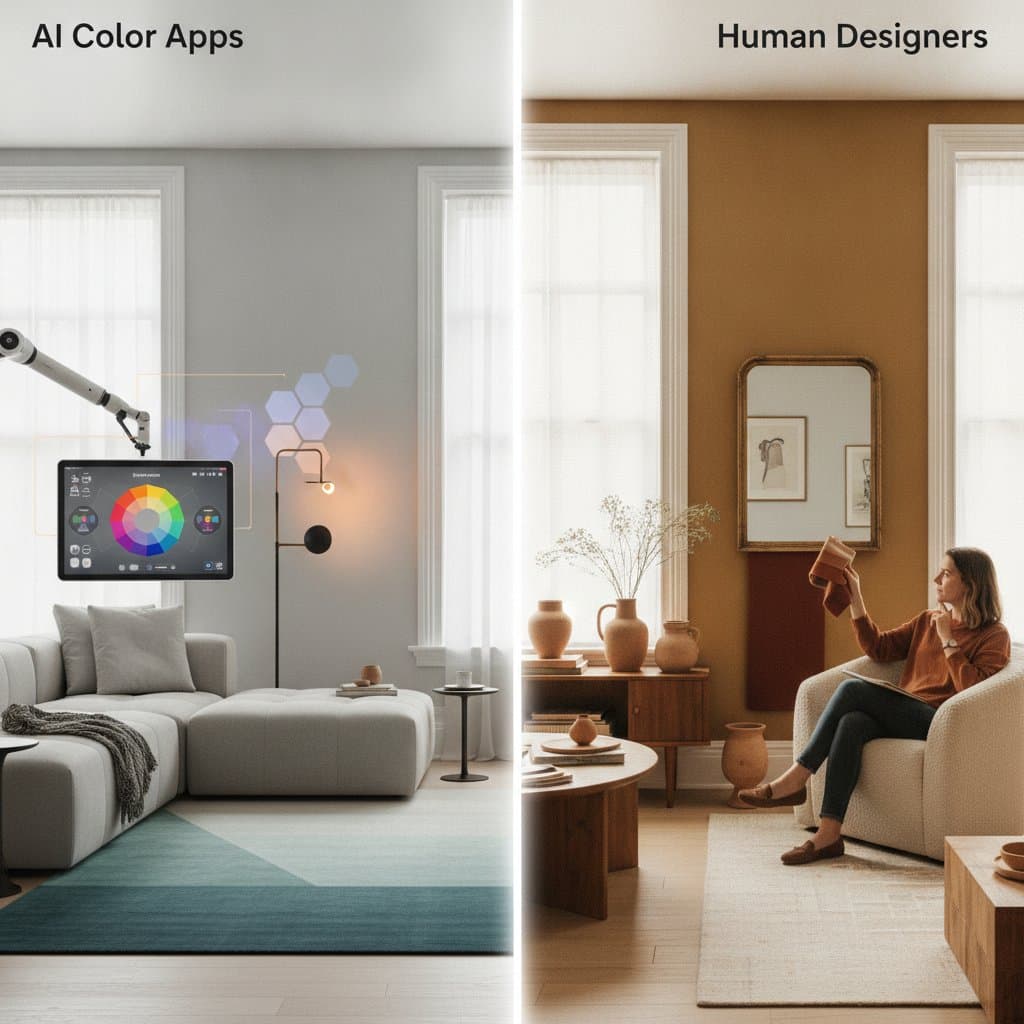
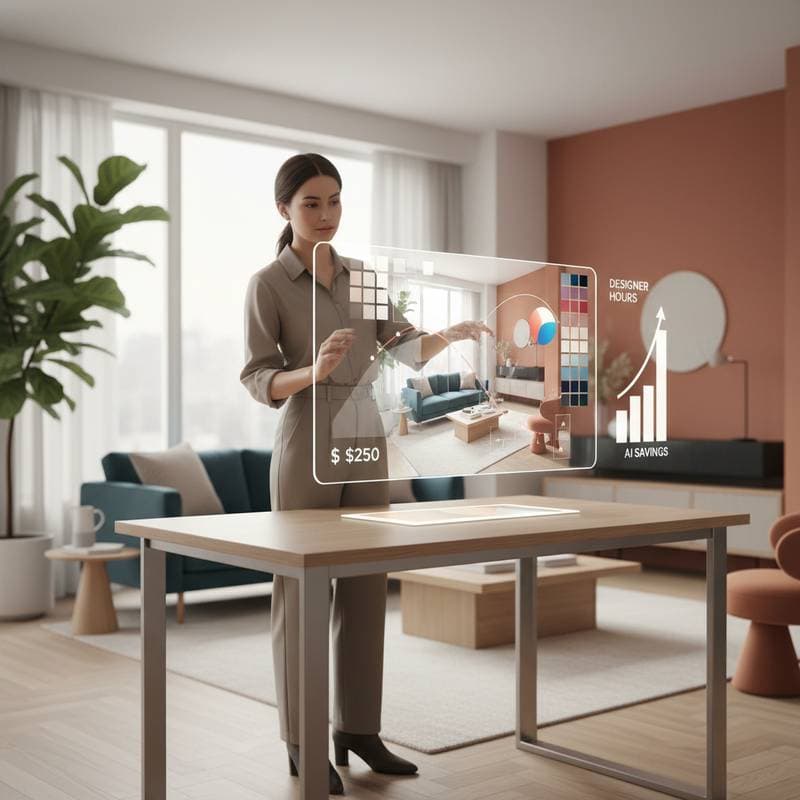
Professional designers address these nuances through in-depth assessments, charging rates from $100 to $250 per hour. Such fees accumulate quickly for even modest projects, deterring budget-conscious individuals. AI intervenes by automating this analysis, providing data-driven suggestions that align with real-world conditions.
The Technology Behind AI Color Matching
At the core of these tools lies advanced computer vision, which dissects uploaded images at the pixel level. Algorithms detect dominant hues, undertones, and contrasts, then cross-reference them with extensive databases of paint formulations. This process yields matches from leading brands or custom blends tailored to your needs.
Users benefit from several key functions:
- Identify colors from specific elements: Upload a photo of a cherished rug or artwork, and the tool extracts its exact shade.
- Build cohesive palettes: Receive suggestions for accent, trim, and ceiling colors that balance the primary selection.
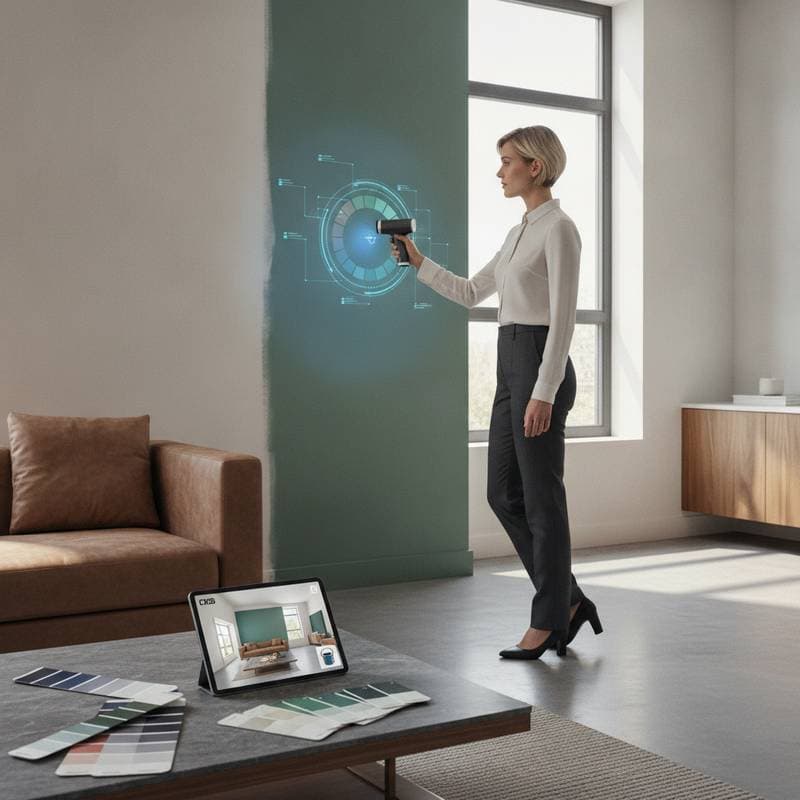
- Simulate applications: Augmented reality features overlay proposed shades on your walls, adjusting for time-of-day lighting to predict outcomes.
Additional capabilities include recommendations for paint finishes, such as matte for low-reflection areas or semi-gloss for high-traffic zones. This comprehensive approach ensures selections support both aesthetics and practicality.
Preparing for Effective AI Color Matching
Most AI tools operate on a freemium model, with core features available at no cost and enhanced options priced between $20 and $100 annually. Premium access unlocks tools like multi-angle simulations or compatibility checks across paint lines. Even basic versions provide sufficient precision for most residential applications.
To maximize accuracy, follow these preparation steps:
- Capture images during daylight hours to capture true tones without artificial distortion.
- Position the camera to minimize shadows and reflections, ensuring even illumination across the subject.
- Isolate inspiration items against neutral backdrops for clear color isolation.
For complex scenarios, such as textured walls or eco-friendly finishes, pair AI insights with input from a local paint specialist. These tools excel at color theory but supplement rather than replace hands-on evaluation of material properties.
Evaluating Savings and Long-Term Benefits
A typical color consultation for one room ranges from $300 to $600, with full-home plans surpassing $1,500. AI tools eliminate these outlays, allowing direct investment in quality paints and supplies. Beyond immediate savings, they accelerate project timelines, reducing labor and material waste from errors.
The value extends to property enhancement. Well-coordinated colors create illusions of space and flow, boosting curb appeal and marketability. Studies in real estate highlight how thoughtful palettes can increase home values by up to 5 percent, offering tangible returns on informed choices.
Steps to Implement AI Color Matching in Your Project
Begin with a single element, such as a focal wall, to familiarize yourself with the tool's interface. Upload relevant photos and generate initial palettes, then test variations by adjusting for room-specific factors like north-facing windows. Order small sample pots to verify digital previews against physical swatches.
Document selections meticulously, noting brand specifics, exact formulas, and recommended sheens. This record simplifies maintenance and expansions. Through iterative testing, refine your vision until it aligns perfectly with your space.
AI color matching democratizes design expertise, enabling confident experimentation at minimal cost. Homeowners now craft enduring, personalized environments that reflect their style without financial barriers.