Future-Proof Kitchens: Switching from Gas Stoves to Induction Cooktops
Imagine preparing dinner while your gas burner delivers uneven heat, and the kitchen air grows uncomfortably warm. Homeowners increasingly question the role of gas in their cooking routines. Transitioning from a gas stove to an induction cooktop represents a practical upgrade that enhances energy efficiency, safety, and overall kitchen functionality.
The move toward electric cooking accelerates due to factors such as improved indoor air quality and evolving building regulations. This change proves feasible even in older homes with proper preparation and expert assistance. The following sections outline the process, associated costs, and key considerations to determine if this upgrade suits your needs.
Planning the Transition
Replacing a gas stove with an induction cooktop extends beyond a simple appliance exchange. Electrical requirements, ventilation systems, and cookware suitability demand careful assessment. Follow these steps to prepare effectively.
Assess Electrical Capacity
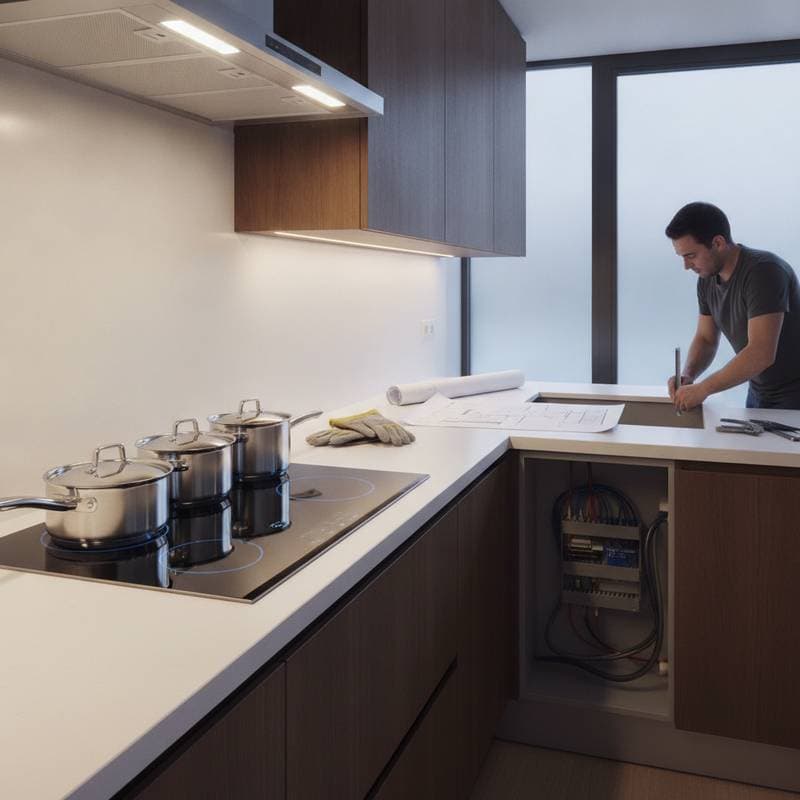
Induction cooktops necessitate a dedicated 240-volt circuit, akin to those for ovens or dryers. Gas stoves typically rely on a 120-volt outlet solely for ignition. An electrician must install the new circuit and outlet, with costs ranging from $250 to $700 based on the distance from the breaker panel to the installation site.
Inspect your current setup early to identify potential upgrades. Older homes may require panel enhancements to handle the increased load. Schedule a professional evaluation to avoid surprises during installation.
Secure the Gas Line
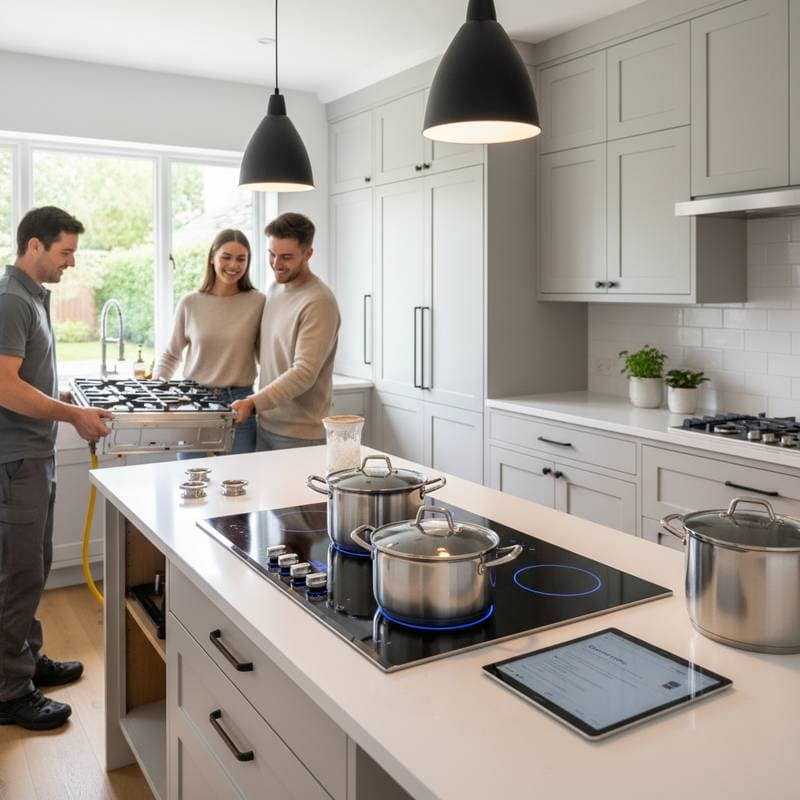
After removing the gas appliance, a licensed plumber caps and seals the line to prevent leaks and ensure safe decommissioning. This service costs between $100 and $300. Local codes in certain regions mandate permits or inspections, so verify requirements ahead of time.
Professional handling minimizes risks associated with gas systems. Post-capping, test for leaks using approved detection methods. This step safeguards your home and complies with safety standards.
Select an Appropriate Induction Cooktop
Induction models align with standard gas range dimensions, such as 30 or 36 inches in width. Evaluate your cooking habits: frequent use of large pots or multiple pans favors expansive surfaces. Prices reflect features and quality:
- Entry-level options: $800 to $1,200
- Mid-range selections: $1,500 to $2,500
- Premium units: $3,000 and higher
Advanced models incorporate bridged zones for griddles, integrated ventilation, or smart connectivity. Research energy ratings to match your household needs. Test units in stores to gauge responsiveness.
Verify Cookware Compatibility
Induction heating demands ferromagnetic materials. Test compatibility by checking if a magnet adheres to the pan base. Stainless steel and cast iron generally perform well, whereas pure aluminum or copper requires a magnetic layer.
Allocate $100 to $300 for replacements if necessary. Prioritize versatile pieces like skillets and stockpots. Maintain a mix of induction-ready and traditional cookware for diverse applications.
Optimize Ventilation
Induction generates minimal ambient heat and emissions, yet effective airflow remains essential. Retain your current range hood if it meets needs, or opt for a compact, low-noise alternative. Recirculating hoods with charcoal filters range from $300 to $800.
Select models with adjustable fan speeds for varied cooking tasks. Ensure the hood aligns with the cooktop's footprint. Proper ventilation enhances comfort and maintains air purity.
Assessing Long-Term Value
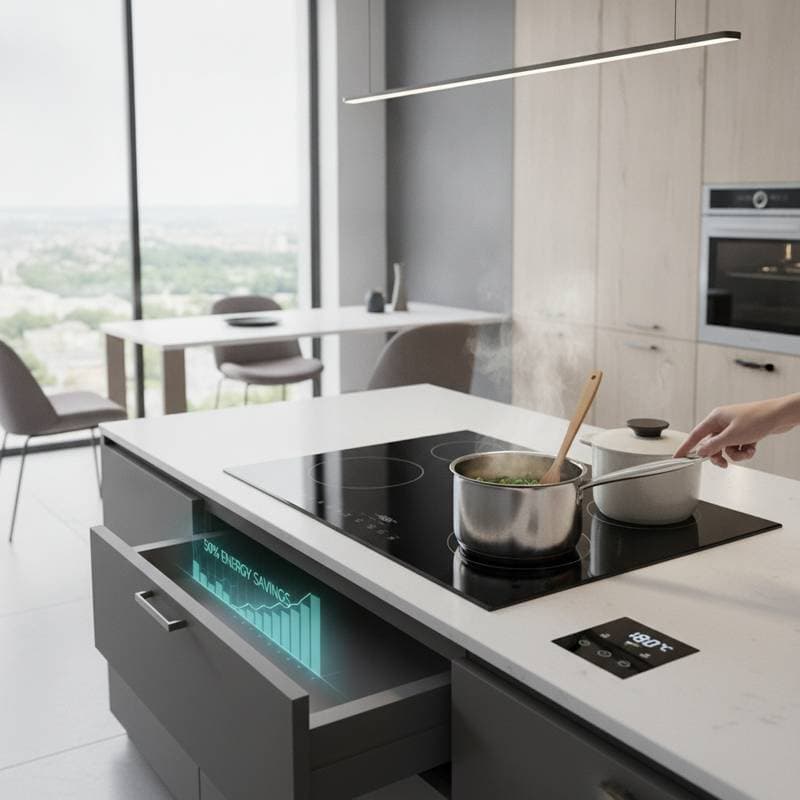
Induction cooktops carry a higher initial price than gas models, yet they yield savings through efficient energy consumption and simplified upkeep. Reduced heat output cools the kitchen environment. For resale, these appliances appeal to buyers seeking innovative, eco-friendly features.
Energy costs vary by region, but frequent cooks observe lower bills versus gas usage. Flat surfaces clean effortlessly without removable grates or grease traps. Calculate potential savings using local utility data to justify the investment.
Over a decade, payback occurs via electricity efficiency and durability. Induction units resist wear better than gas burners. This upgrade elevates daily cooking while supporting sustainable practices.
Prioritizing Safety and Expertise
Induction operation poses low risks, but installation involves electricity and gas modifications best left to certified professionals. Avoid personal attempts at gas line capping, as minor leaks pose significant dangers. Electrical work must adhere to codes to avert overloads or fires.
Integrate the swap into broader remodels by consulting contractors during planning. Position outlets and circuits optimally before installing cabinets or counters. Document all work for insurance and warranty purposes.
Essential Strategies for Success
- Measure precisely to match the cooktop to your countertop cutout. Account for slight dimensional differences to ensure a seamless fit.
- Review breaker panel capacity with an electrician. Upgrades, if needed, add several hundred dollars but prevent future issues.
- Acclimate to induction's rapid heating by starting at moderate levels. Practice adjusts your technique for precise control.
- Organize storage for incompatible pans, labeling them for non-induction uses like baking or grilling.
- Experience induction cooking via showroom demos or borrowed units. This trial informs your selection and builds confidence.
Realizing Kitchen Modernization
The shift to induction cooktops streamlines cooking with superior speed, security, and sustainability. Professional support and methodical planning make the process straightforward. Embrace this upgrade to create a kitchen that aligns with contemporary demands and enhances everyday life.