Why Induction Cooktops Excel in Kitchen Retrofits
Homeowners undertaking kitchen retrofits often find the cooktop selection pivotal to the project's success. As someone who has overseen numerous remodels, the author observes a clear trend: induction cooktops surpass traditional gas and electric options by resolving common retrofit challenges. These units enhance functionality, streamline installation, and provide unmatched efficiency.
Challenges Posed by Gas and Traditional Electric Cooktops
Retrofitting older kitchens built around gas or coil electric cooktops frequently encounters obstacles. These systems demand significant modifications that increase costs and disrupt the space.
-
Gas line constraints. Installing new gas lines involves penetrating finished walls or floors, which proves disruptive and expensive. In older structures, such work often necessitates permits and comprehensive mechanical inspections, extending timelines and budgets.
-
Ventilation demands. Gas cooktops require exhaust systems to eliminate combustion byproducts. Integrating vents into existing cabinetry or ceilings may involve altering structural elements or redirecting ductwork, escalating expenses rapidly.
-
Electrical inadequacies. Legacy electric cooktops typically share circuits with other devices, contravening modern codes. Upgrades demand new wiring, breakers, and outlets to accommodate the power requirements safely.
-
Layout limitations. The placement of gas and electric cooktops depends on venting, gas supply, and wiring paths. This rigidity hampers design options, particularly in open layouts where seamless integration is desired.
Induction technology addresses these issues, enabling safer installations that adapt to diverse configurations.
Key Advantages of Induction for Retrofit Projects
Induction cooktops employ electromagnetic fields to heat cookware directly, leaving the surface comparatively cool. This method achieves superior energy transfer compared to gas or resistance heating, yielding practical benefits in retrofit contexts.
-
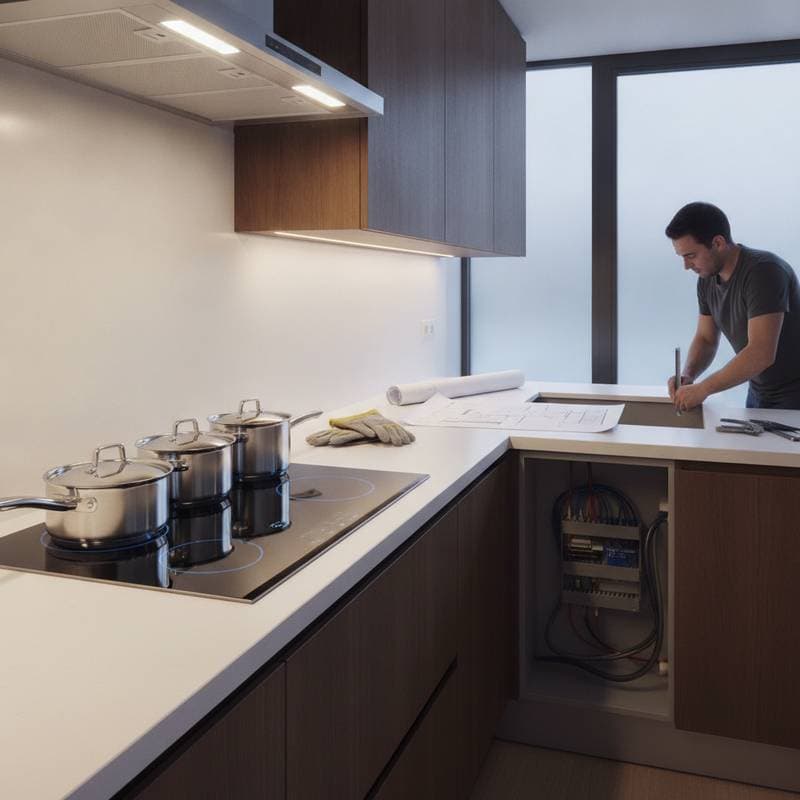
Streamlined setup. These units generally need only a dedicated electrical circuit. Existing 240-volt lines from prior electric ranges often suffice, eliminating the need for gas infrastructure or ventilation systems.
-
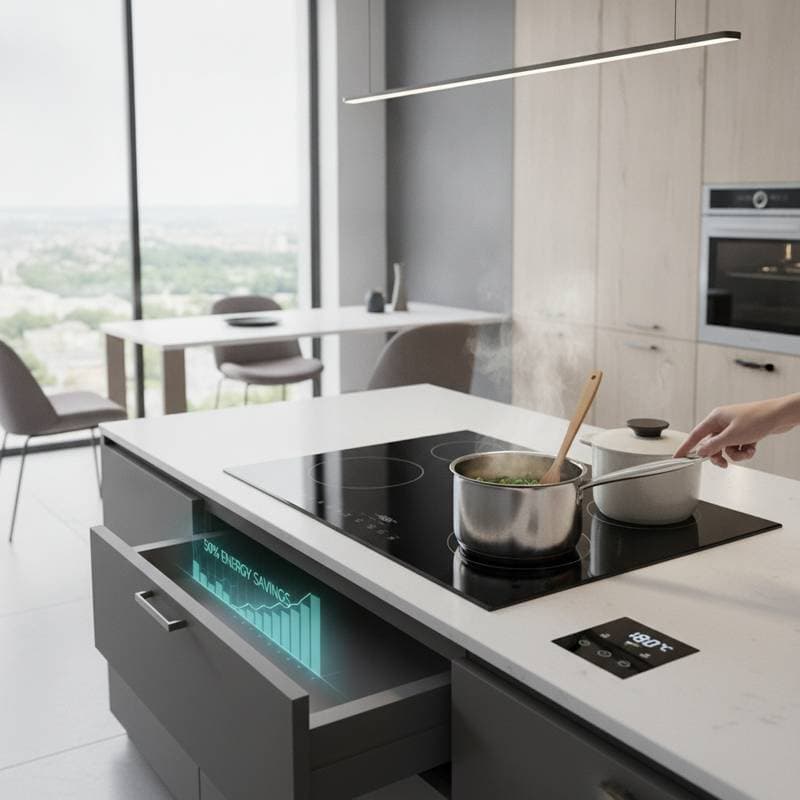
Superior energy use. Projects demonstrate that induction achieves 80 to 90 percent efficiency in energy transfer. In contrast, gas loses over half its energy to ambient heat, which induction conserves, thereby reducing utility bills and minimizing kitchen warmth that affects air conditioning demands.
-
Enhanced safety features. Safety remains a priority in retrofits. Induction eliminates open flames, reducing fire hazards, and the surface cools swiftly. Heating activates only with compatible cookware, benefiting households with young children or elderly members.
-
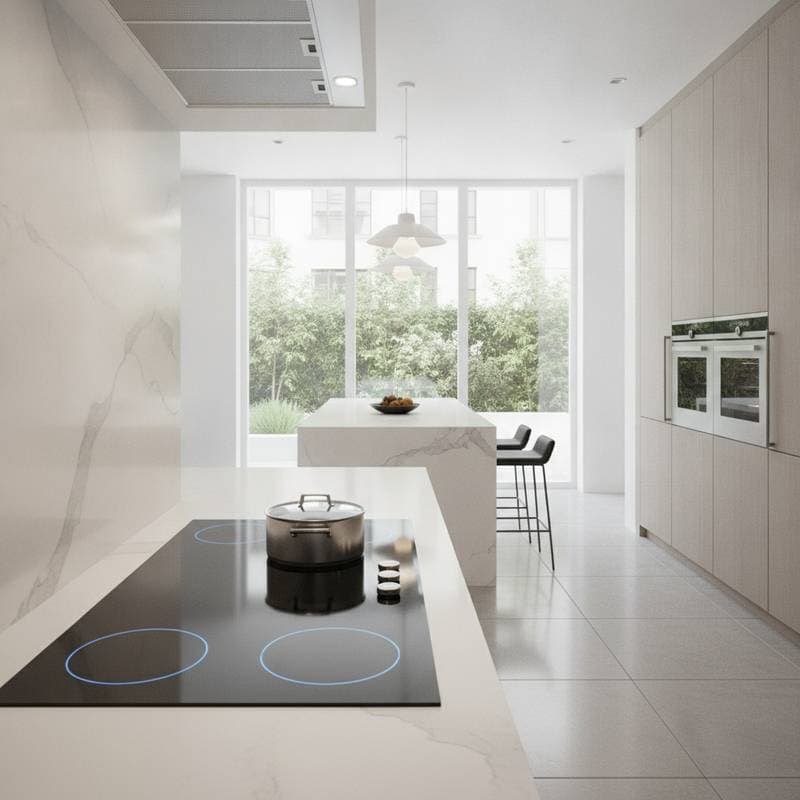
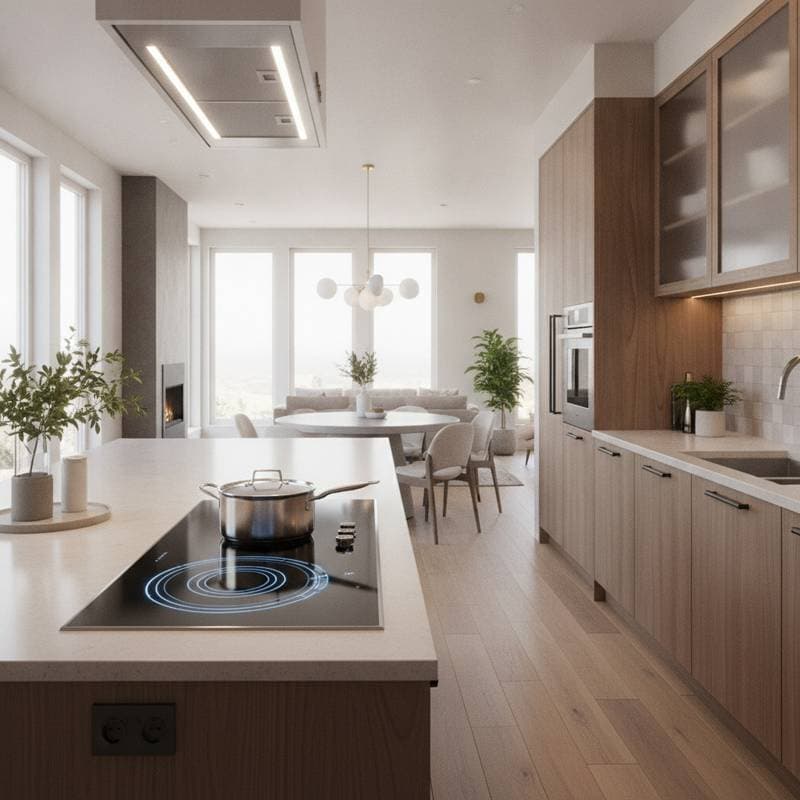
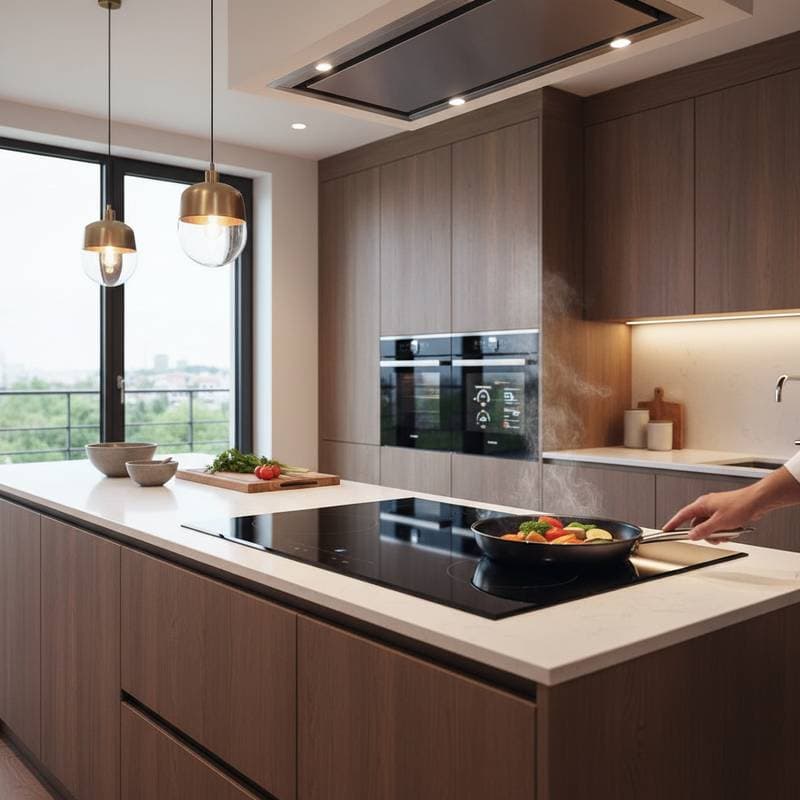
Versatile placement options. Absent venting or gas lines, installation occurs almost anywhere. Examples include central islands, beneath windows, or in tight condominium kitchens where gas installations face regulatory barriers.
-
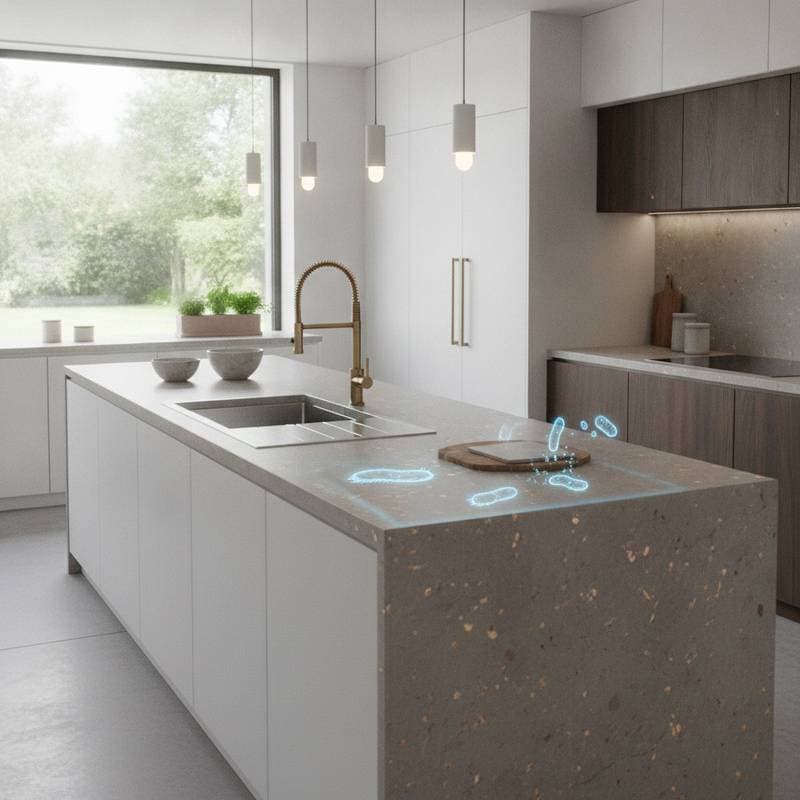
Reduced maintenance needs. New cabinetry and countertops in retrofits benefit from induction's minimal production of grease and residues. This preserves the kitchen's appearance over time with less frequent cleaning.
Essential Installation Considerations
Homeowners must plan electrical aspects carefully, as induction simplifies yet requires precision.
-
Circuit specifications. Units demand a 240-volt circuit rated at 30 to 50 amps. For older panels nearing capacity, a licensed electrician assesses compatibility to avoid overloads.
-
Wiring and connection details. Fresh wiring during retrofits ensures code compliance and prevents issues like breaker trips. Position the outlet or junction box per manufacturer guidelines, typically adjacent to the countertop cutout.
-
Countertop adaptations. Induction models feature slimmer profiles, but precise cutouts are vital. For materials like stone or quartz, consult the fabricator to confirm dimensions prior to installation.
-
Cookware verification. Induction functions with magnetic materials, including cast iron and select stainless steels. Test existing pots by checking if a magnet adheres securely to the base.
-
Ventilation strategies. Although induction generates less heat and fumes, manage steam and odors with a recirculating hood or downdraft vent. These integrate easily into retrofit designs without extensive ducting.
Pitfalls to Sidestep in Retrofits
Even superior technology invites errors if planning falters. The following issues arise commonly when shortcuts occur.
-
Inadequate power supply. Integrating induction into a fully loaded panel risks frequent breaker activations or equipment damage. Confirm service capacity upfront.
-
Overlooking air management. Induction does not eliminate ventilation needs entirely; address moisture and particulates to maintain air quality.
-
Inaccurate cutout measurements. Standard assumptions about openings lead to countertop cracks or unsealed gaps. Measure each model individually.
-
Bypassing expert involvement. Professional handling of wiring, grounding, and protection upholds safety and preserves warranties.
-
Post-installation cookware issues. Verify compatibility beforehand to avoid replacing sets unexpectedly.
Benefits for Daily Kitchen Use
Induction elevates routine cooking through precise heat management. Boil water rapidly or simmer delicately without constant adjustments, fostering reliable results.
The absence of flames or coils minimizes smoke and spills, preserving surrounding surfaces. Kitchens remain cooler, enhancing comfort in compact or urban settings.
The smooth glass design aligns with modern aesthetics, integrating flush or with subtle framing for a refined finish.
Steps to Integrate Induction Successfully
Induction cooktops provide enduring advantages in kitchen retrofits through efficient operation and safety. Collaborate with contractors and electricians early to assess electrical readiness and ensure seamless fit. This approach maximizes the upgrade's impact on daily life and home value.