Reconfigure Your Kitchen Using Modular Cabinets
A kitchen remodel possesses the potential to enhance daily routines or exhaust resources and resolve. In my experience as a remodeling contractor, outcomes hinge on thorough planning, adaptability, and the cabinetry system's alignment with functional and aesthetic objectives. Modular cabinets empower homeowners to adjust kitchen designs without adhering to inflexible structures. Such systems accommodate evolving requirements, a capability seldom found in conventional cabinetry.
If you contemplate a kitchen upgrade, grasp the mechanics of modular systems and their planning requirements to avert costly errors and postponements.
Understanding Modular Kitchen Systems
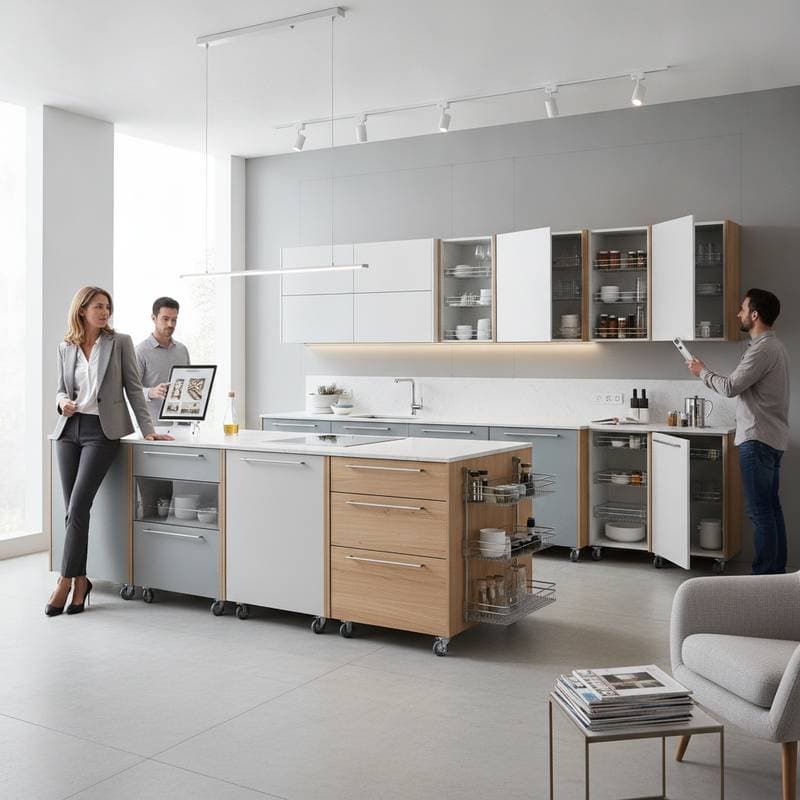
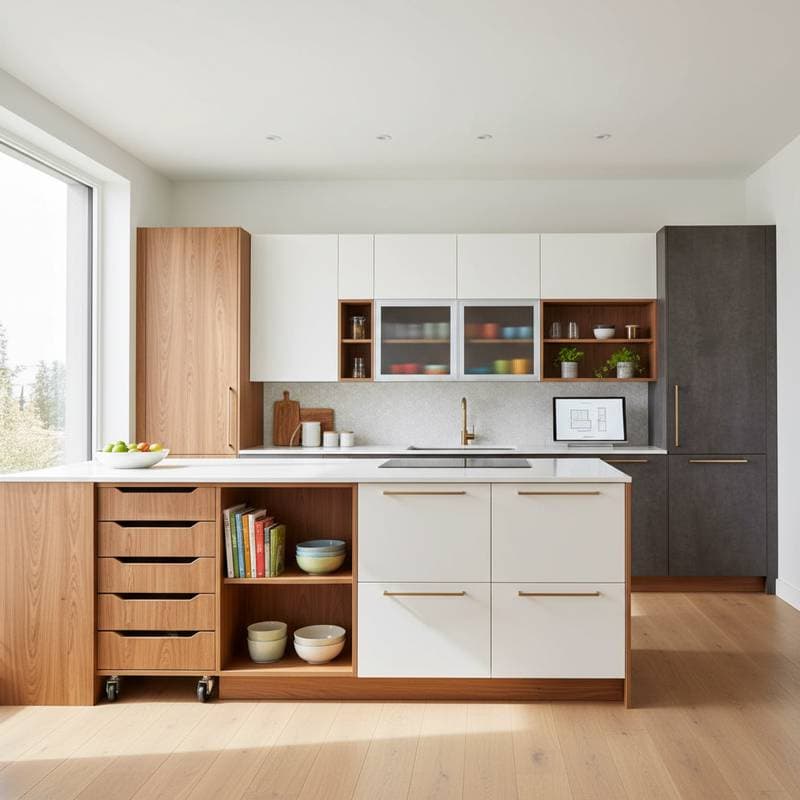
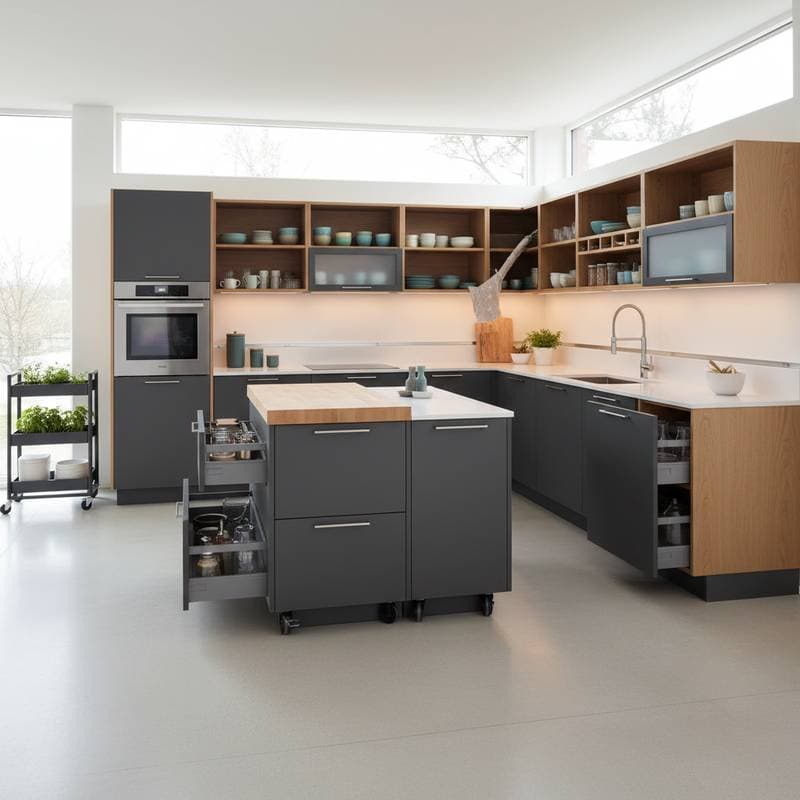
Modular kitchen systems consist of prefabricated units, known as modules, that assemble into diverse arrangements. Modules include base cabinets, wall cabinets, drawer units, or corner elements. These components interconnect via a uniform framework that ensures alignment and stability.
In my workshop, we procure modular systems from producers employing premium plywood or MDF alongside resilient finishes. Standardized frames, hinges, and drawer slides facilitate seamless replacements or enhancements. Precision fabrication guarantees tight fits, eliminating gaps or misalignments.
Interchangeability stands as the paramount advantage. Initiate with a fundamental configuration, then incorporate or exchange modules subsequently. For instance, to accommodate a larger sink or integrated oven, extract specific base units and substitute them with suitably dimensioned alternatives. This versatility sustains practicality across years.
Planning a Modular Layout That Functions Effectively
Effective modular kitchen design commences with an analysis of space utilization. The arrangement must align with cooking preferences, storage patterns, and traffic flow. Consider these essential steps for planning:
-
Map the work zones. Delineate primary areas for preparation, cooking, cleaning, and food storage. Position modules to foster logical connections among zones. Maintain proximity between sink, stove, and refrigerator to optimize movement.
-
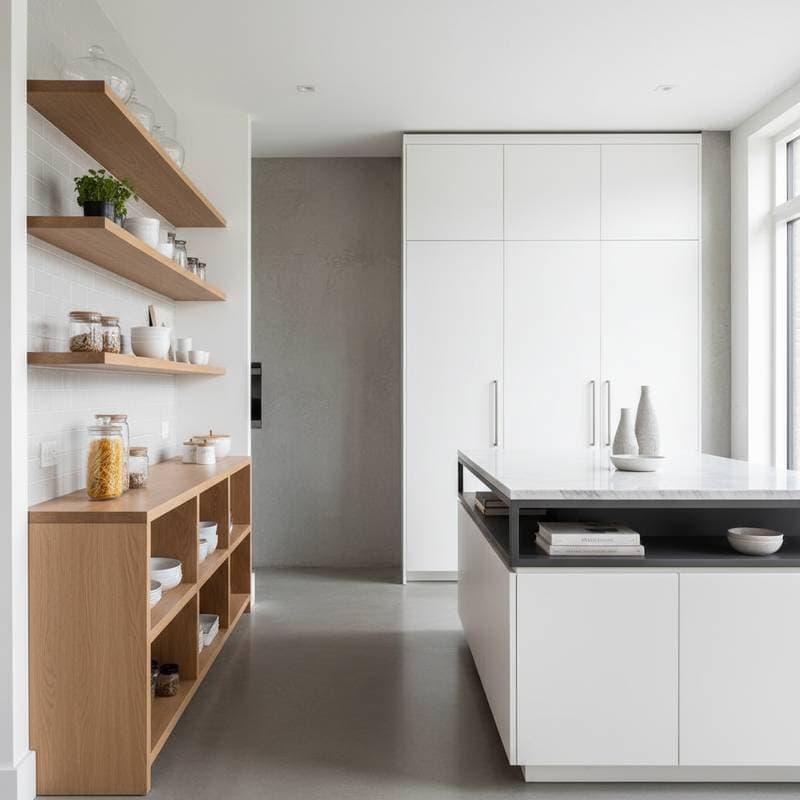
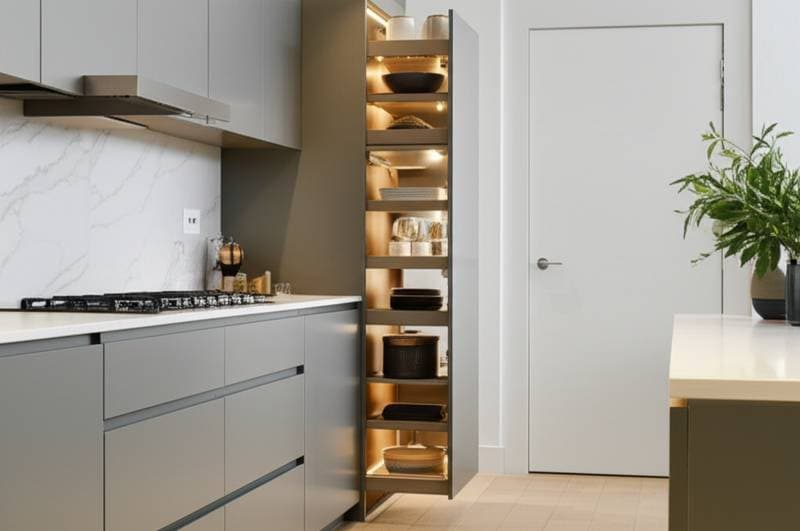
Prioritize storage flexibility. Select combinations of drawers, open shelving, and tall cabinets. Modular drawers permit conversion to shelves should storage demands shift.
-
Plan for expansion. Reserve at least one segment of wall or floor space for prospective modules. This provision allows growth without comprehensive reconfiguration.
-
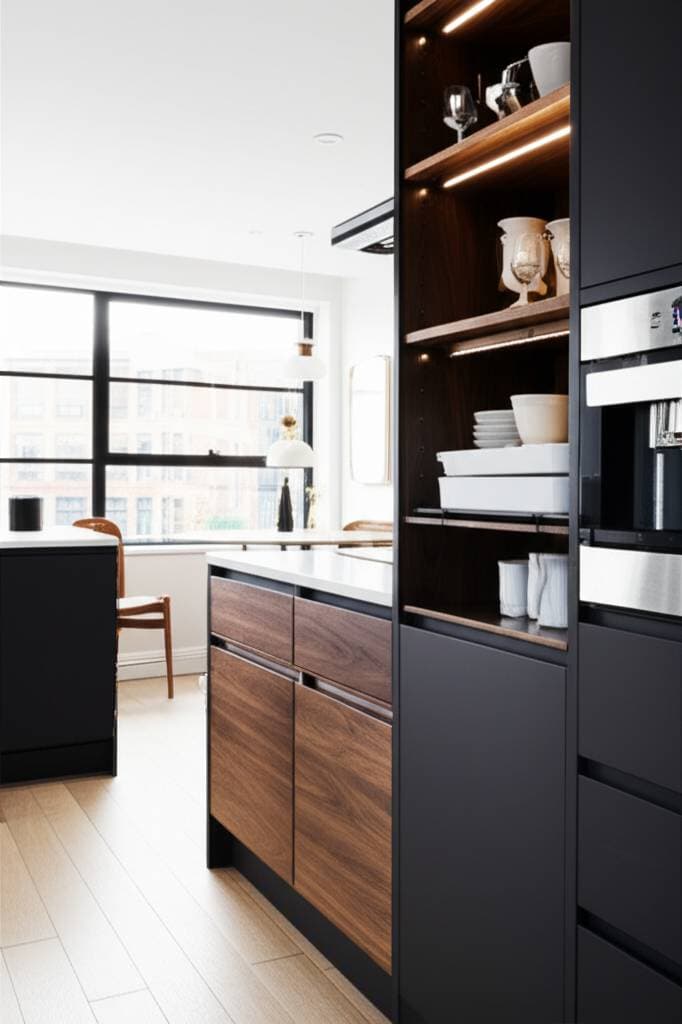
Select adaptable materials. Opt for neutral cabinet finishes and understated door profiles that integrate readily with future additions. Steer clear of bespoke hues or elaborate motifs challenging to replicate.
-
Integrate lighting and power early. Modular setups frequently incorporate under-cabinet and internal illumination. Establish wiring routes prior to installation to support adjustments as configurations evolve.
Clients adhering to these guidelines experience streamlined remodels and enduring functionality.
Managing the Contractor Relationship
Contractors view modular kitchens as labor-efficient with reduced unpredictability, yet installation demands expertise. Optimal performance requires base and wall units to achieve perfect levelness and plumb alignment, necessitating specialized tools and proficiency.
Approach the project akin to any significant remodel. Secure a comprehensive scope encompassing preparation, installation, and completion. Specify responsibilities for adjustments if components arrive compromised, whether by the contractor or supplier. Record all design choices in writing, detailing precise model numbers and finishes.
Should a contractor express reluctance toward modular systems, inquire into the rationale. Some prefer familiar traditional methods. In practice, installers who comprehend the framework often favor it, as modules arrive prepped for assembly with minimal on-site alterations.
Effective dialogue maintains alignment. Provide layout schematics, verify electrical and plumbing placements, and conduct a pre-installation walkthrough. These measures avert subsequent disruptions.
Cost Considerations and Value Analysis
Modular cabinet expenses vary by brand and material caliber. Basic systems offer affordability, whereas high-end options approach custom cabinetry costs. Distinctions emerge in sustained value, as modular designs economize on subsequent modifications, repairs, and enhancements.
In bid preparation, I advise evaluating total lifecycle expenses beyond initial outlays. For example, substituting a single impaired cabinet door in a modular setup may incur several hundred dollars, contrasted with comprehensive refinishing for custom units to ensure uniformity. Across the kitchen's lifespan, modular adaptability typically recoups the preliminary expenditure.
For constrained budgets, commence with core modules and incrementally add elements. This incremental method distributes costs while ensuring usability. Numerous homeowners discover that phased investments in superior materials prove less burdensome than opting for inferior alternatives en masse.
Maintenance and Longevity
Engineers design modular cabinets for robustness, though longevity depends on upkeep. Clean hinges and drawer slides regularly, secure fasteners yearly, and inspect for moisture adjacent to sinks or dishwashers. Modular separation enables isolated repairs or replacements without impacting adjacent areas.
A key benefit lies in component availability. Producers maintain inventories of substitute panels and hardware for extended periods, facilitating targeted renewals without wholesale overhauls. This provision upholds uniformity despite intensive utilization.
Implement Your Modular Kitchen Transformation
Modular cabinets grant authority over design and upkeep in kitchen reconfiguration. These systems adjust to life's transitions, safeguarding investments and mitigating renovation expenditures. Initiate with meticulous planning, exact measurements, and a cohesive, trustworthy system suited to your dimensions and preferences.
Through countless kitchen remodels, I recognize flexibility as essential safeguard against routine demands and shifting circumstances. Modular cabinetry delivers this assurance through pragmatic, meticulously crafted solutions.