Wet Rooms: Enhancing Accessibility and Space in Modern Bathrooms
Wet rooms represent a transformative approach to bathroom design, integrating seamless accessibility with expansive, open layouts. This design eliminates traditional barriers, such as shower curbs and enclosures, to create fully waterproofed spaces that prioritize safety and functionality. Suitable for households of all sizes and needs, wet rooms offer practical solutions that blend innovation with everyday usability.
Defining Wet Rooms and Their Appeal
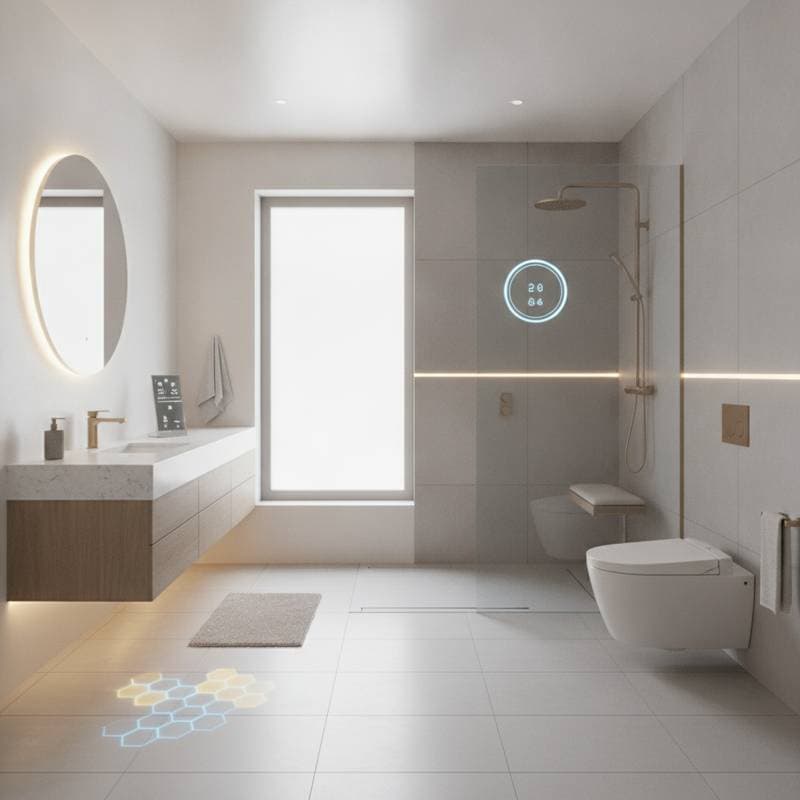
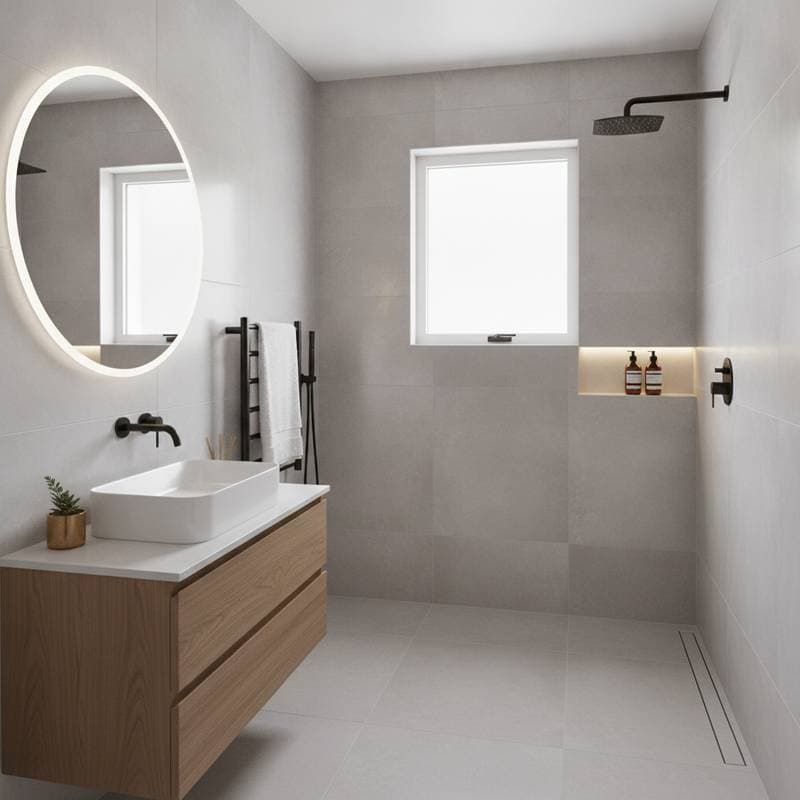
A wet room features a fully waterproofed floor and walls, allowing the entire bathroom to serve as a shower area without separate trays or partitions. Water drains through a subtle floor slope toward a central or linear drain, ensuring efficient runoff. This configuration not only maximizes visual openness but also enhances mobility, making it ideal for aging-in-place adaptations or family homes with diverse users.
The appeal lies in the versatility: compact bathrooms gain a sense of grandeur, while larger spaces support luxurious features like integrated soaking areas. Designers favor wet rooms for their ability to unify elements, reducing visual clutter and promoting fluid movement.
Integrating Accessibility with Aesthetic Design
Wet rooms excel at incorporating universal design principles without compromising style. Traditional accessibility features often appeared utilitarian, but contemporary wet rooms achieve elegance through thoughtful material and layout choices.
Key elements include:
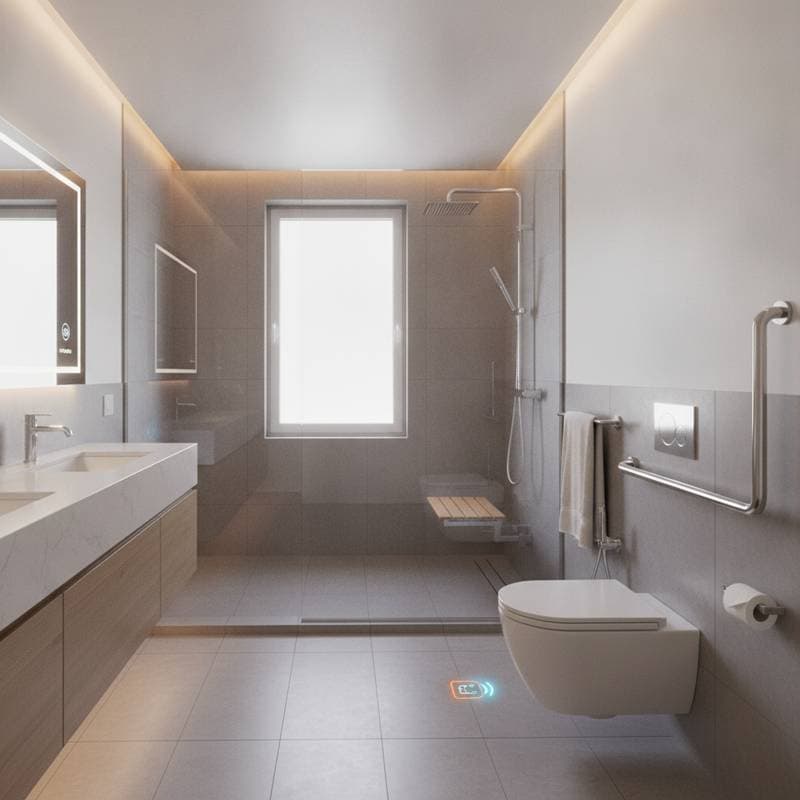
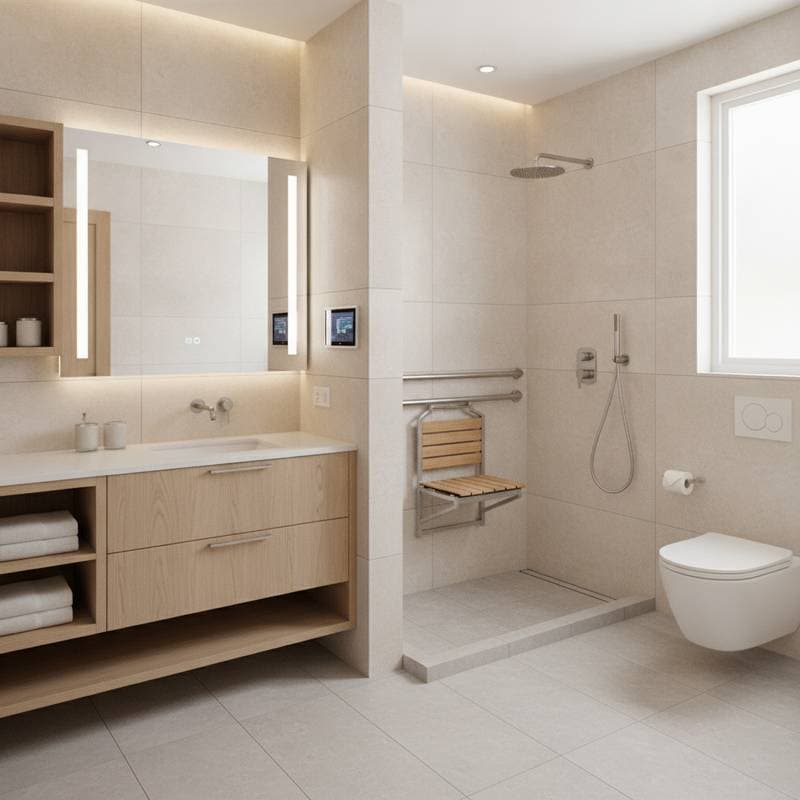
- Curbless Entryways: Flush thresholds accommodate wheelchairs, walkers, and young children, minimizing trip hazards.
- Spacious Configurations: Open plans eliminate confined shower stalls, facilitating easier navigation.
- Non-Slip Flooring: Advanced porcelain, natural stone, or vinyl options provide traction while maintaining a sophisticated appearance.
- Built-In Supports: Foldable benches and recessed grab bars integrate seamlessly into walls or floors.
- Versatile Fixtures: Handheld showerheads with adjustable heights and hoses support varied user preferences.
These features ensure that accessibility enhances rather than detracts from the overall aesthetic, creating inclusive environments that feel welcoming and refined.
Budget Considerations for Wet Room Projects
Wet rooms accommodate a range of budgets, from basic updates to premium installations. Careful planning allows homeowners to achieve high-impact results without excessive costs.
- Entry-Level (Under $2,000): Apply waterproof membranes, install a linear drain, and use affordable porcelain tiles or vinyl. A simple shower curtain and basic handheld unit suffice for functionality.
- Moderate Investments ($2,000 to $7,000): Incorporate larger tiles, glass screens, and underfloor heating. Add niches for storage to elevate practicality.
- Luxury Builds ($10,000+): Employ custom stone surfaces, hidden drainage systems, and smart controls. Pair with wall-mounted fixtures for a streamlined profile.
Homeowners with DIY skills can manage tiling and sealing, but professional waterproofing ensures longevity.
Essential Installation Techniques
Successful wet room installations demand precision to prevent water damage and ensure performance. Professionals emphasize proper preparation from the outset.
Critical steps involve:
- Floor Sloping: Achieve a gentle incline of 1/4 inch per foot toward the drain to avoid standing water.
- Comprehensive Waterproofing: Apply tanking systems to floors and walls up to 6 inches high, including recesses and benches.
- Drain Selection: Opt for linear wall drains to simplify tiling or central units for balanced flow.
- Sealing Joints: Use flexible silicone to protect edges, corners, and fixture transitions.
- Effective Ventilation: Install high-capacity exhaust fans to manage humidity and prevent mold growth.
These measures guarantee a durable, low-maintenance space that withstands daily use.
Creative Design Opportunities
Wet rooms liberate designers from conventional constraints, enabling innovative layouts that optimize every square foot. This freedom supports personalized touches, from spa-inspired showers to multifunctional zones.
Effective strategies include:
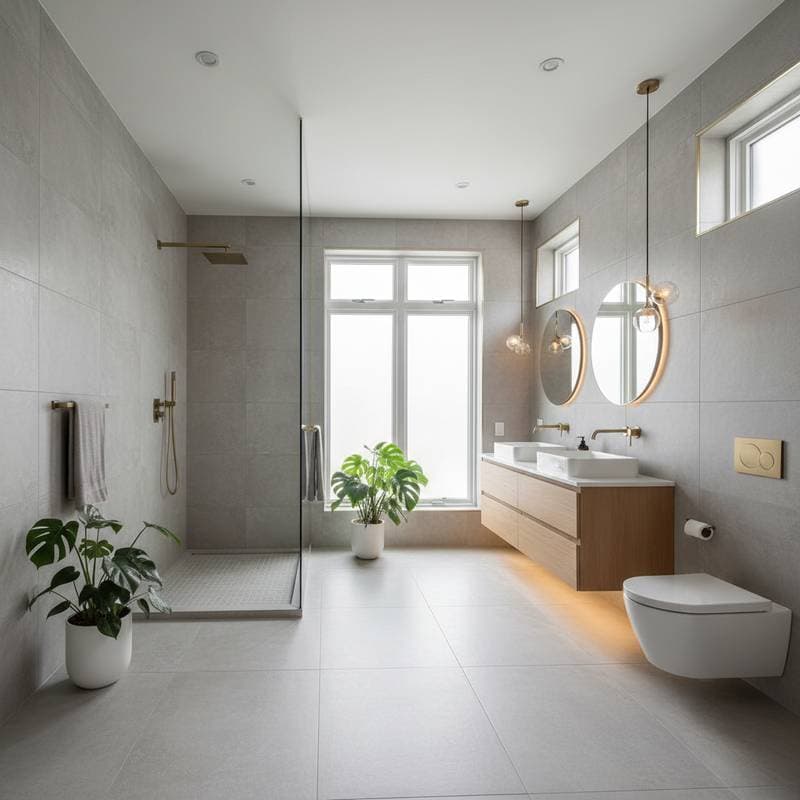
- Unified Tiling: Extend floor materials into shower areas for seamless continuity and perceived expansion.
- Feature Walls: Employ mosaic patterns or textured tiles to delineate zones subtly.
- Material Variety: Combine matte and glossy finishes for visual interest and depth.
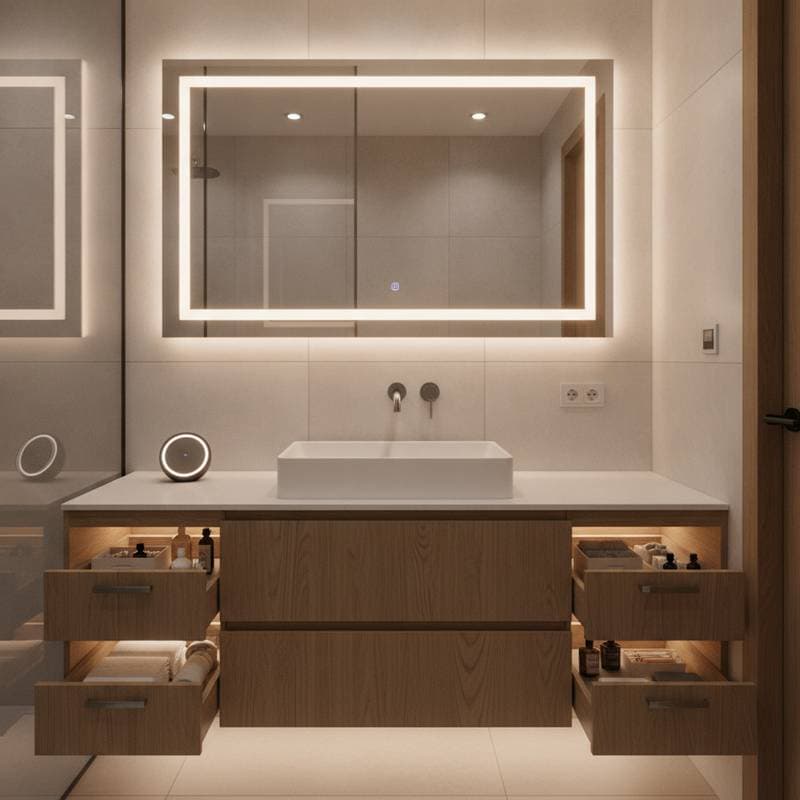
- Ambient Lighting: Integrate LED strips in shelves or coves for functional, mood-enhancing illumination.
- Natural Accents: Incorporate wood-effect tiles or sustainable elements like teak for warmth.
Such approaches foster environments that are both practical and visually compelling.
Practical Maintenance for Longevity
Once installed, wet rooms simplify upkeep compared to traditional setups. Fewer seams and enclosures reduce cleaning efforts, while quick-drying surfaces minimize moisture issues.
Routine care involves:
- Wiping surfaces with a squeegee post-use.
- Reapplying grout sealant yearly.
- Clearing drains of buildup regularly.
- Running ventilation for 15-20 minutes after showers.
These habits preserve the space's integrity, ensuring sustained safety and appeal.
Realizing Your Wet Room Vision
Transforming a bathroom into a wet room requires strategic material selection and expert execution. Consult professionals for waterproofing assessments, and explore suppliers for compatible products. The result is a versatile sanctuary that promotes inclusivity, efficiency, and enduring style, elevating daily routines for all occupants.