Why Induction Zones Beat Gas in Energy-Efficient Kitchens
Induction cooking combines precision, efficiency, and modern design in one solution. Homeowners gain faster meal preparation and lower utility costs without sacrificing performance. This technology suits new builds and renovations alike.
How Induction Technology Works
Induction cooktops generate electromagnetic fields that heat cookware directly. The surface itself stays relatively cool because energy transfers straight into the pan. This method eliminates wasted heat and delivers immediate temperature adjustments.
Professional kitchens adopted induction years ago. Homeowners now access the same responsive control at various price points. The result is consistent simmering, rapid boiling, and reduced cooking times.
Limitations of Gas Cooktops
Gas burners release significant heat into the surrounding air rather than the cookware. Efficiency typically ranges from 35 to 40 percent. The remainder escapes unused, which increases both cooking duration and energy expenses.
Gas combustion also produces nitrogen dioxide and carbon monoxide indoors. These byproducts affect air quality over time. Many households now prioritize induction to maintain cleaner living environments.
Quantifiable Efficiency Gains
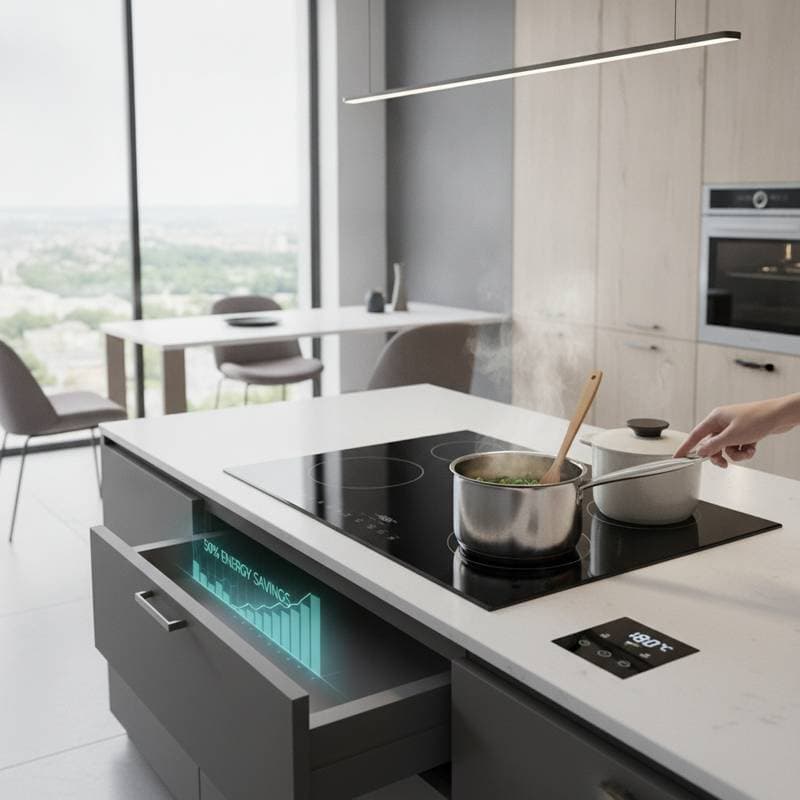
Induction models convert 80 to 90 percent of energy into usable heat. Water reaches a boil in roughly half the time required by gas. Daily cooks notice the difference on monthly utility statements.
Portable single-zone units start under two hundred dollars. Full multi-zone ranges with smart features occupy the mid to high price tiers. Both options connect to standard outlets or dedicated circuits depending on capacity.
Temperature Control and Kitchen Comfort
The cooktop surface remains cool once cookware is removed. This feature lowers burn risk and keeps ambient temperatures stable. Apartments and open-plan homes benefit most during extended cooking sessions.
Automatic shutoff and pan detection add further protection. Most units stop heating the moment a pan lifts away. Families with children or older residents find these safeguards practical.
Design Integration and Maintenance
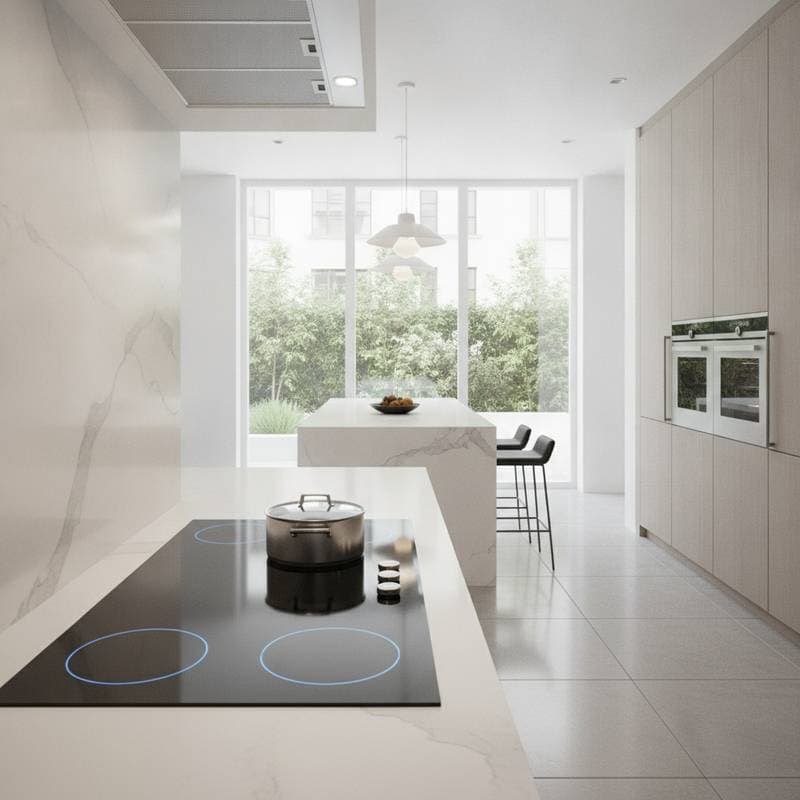
Smooth glass surfaces wipe clean with a damp cloth. No grates or burner caps collect grease. The minimalist appearance complements minimalist, industrial, or transitional cabinetry.
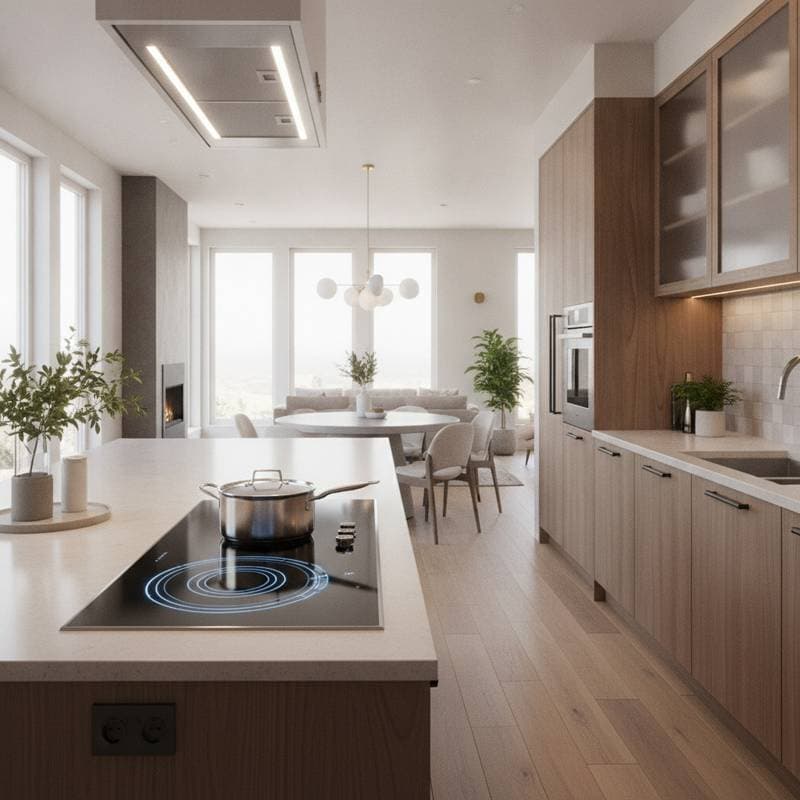
Designers position induction zones in islands or pair them with downdraft ventilation. Custom layouts become feasible because modules fit together without fixed burner spacing.
Performance in Everyday Use
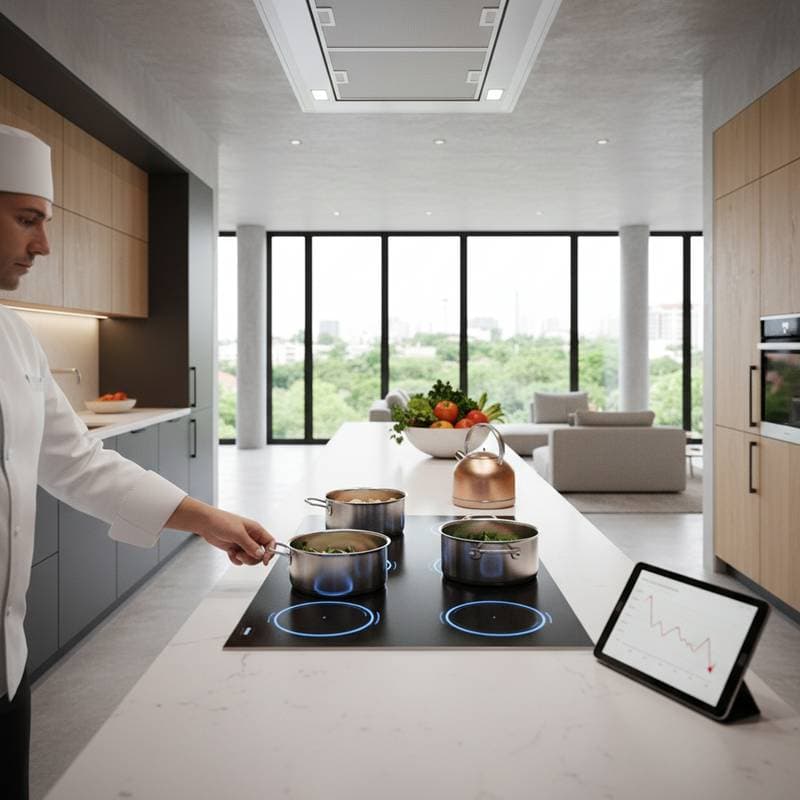
Instant response allows gentle chocolate melting followed by high-heat searing in the same pan. Even heat distribution removes hot spots that plague gas flames. Sauces thicken evenly and vegetables cook uniformly.
Transition Options by Budget
- Single portable burners under two hundred dollars suit renters and small spaces.
- Modular inserts replace one or two gas zones to create hybrid stations.
- Complete built-in ranges include bridge elements, timers, and connectivity features.
Cookware Compatibility and Installation
Magnetic cookware works on induction surfaces. Cast iron and many stainless steel pieces pass the magnet test. Affordable induction-ready sets are available if replacements are needed.
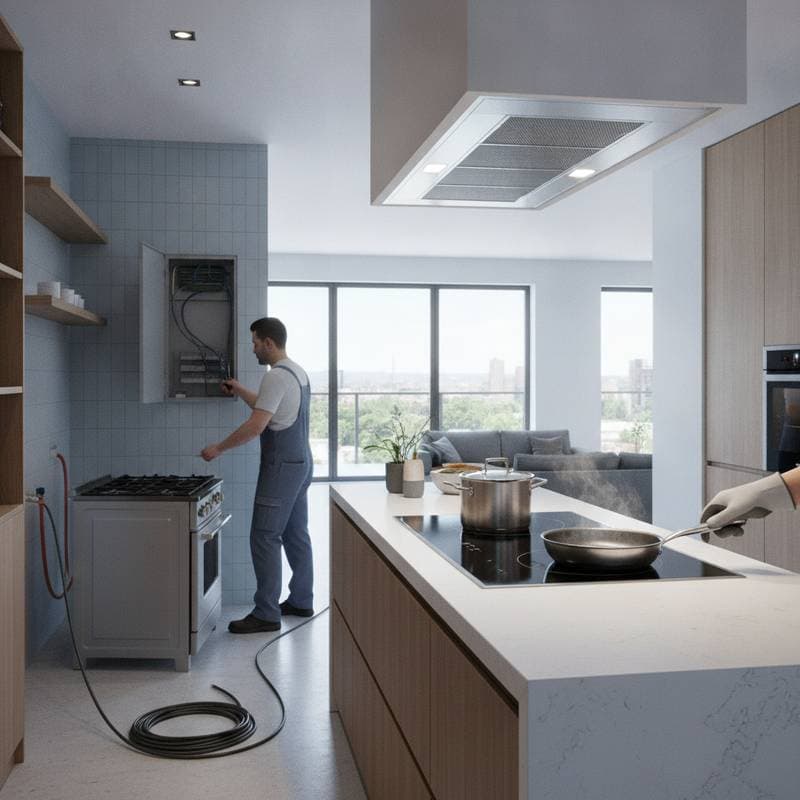
Higher-capacity units require a dedicated circuit. A licensed electrician confirms load requirements before installation.
Environmental and Long-Term Value
Reduced energy waste and zero combustion emissions support lower household carbon output. Pairing induction with renewable electricity sources moves kitchens closer to net-zero operation. The combination of performance, safety, and design makes induction a lasting upgrade.