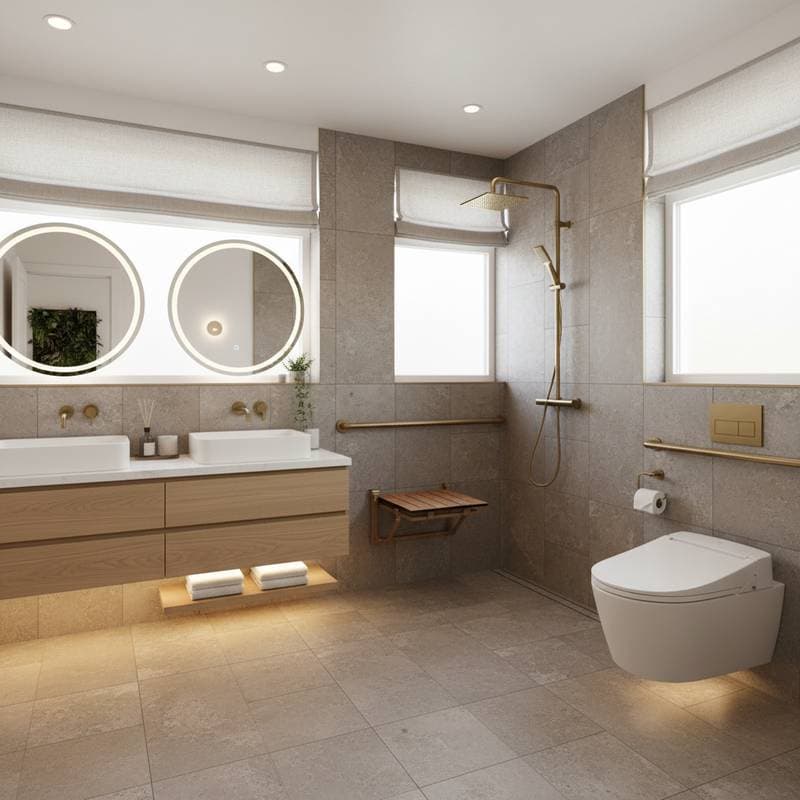
The Bathroom Trends Revolutionizing Aging in Place
Homeowners increasingly redesign bathrooms to support long-term independence. The principle of aging in place evolves beyond basic modifications like grab bars. Contemporary designs integrate safety, comfort, and aesthetics, ensuring spaces remain inviting rather than clinical.
Bathrooms rank as the primary location for household falls and injuries. Inadequate illumination, slick floors, and inconvenient fixture arrangements heighten these dangers. Universal design principles now deliver accessible features that enhance both functionality and visual appeal.
The following trends illustrate how bathrooms can promote safety and autonomy while preserving style.
1. Zero-Threshold Showers for Seamless Entry
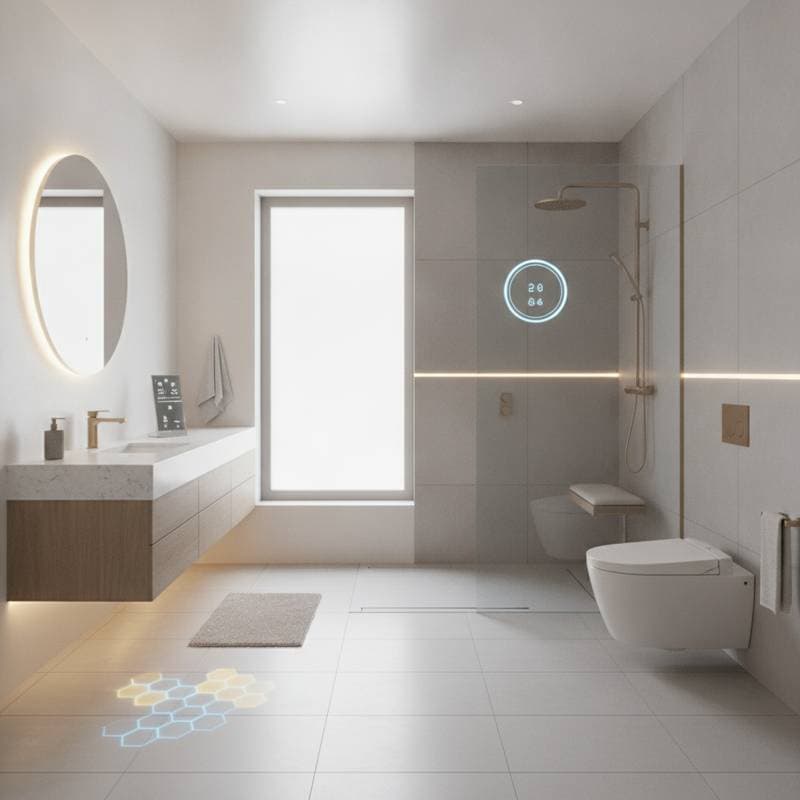
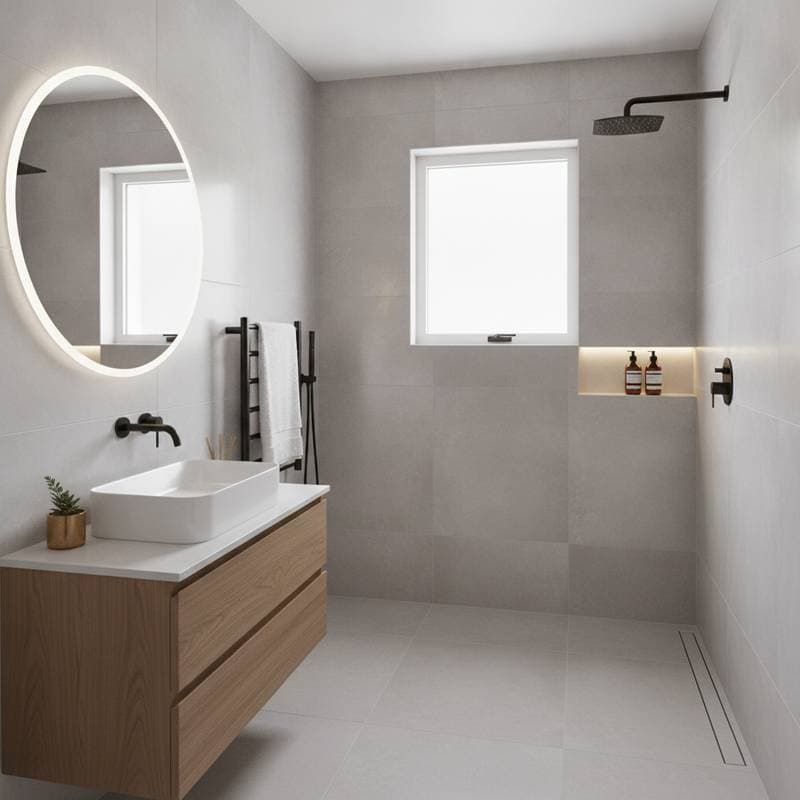
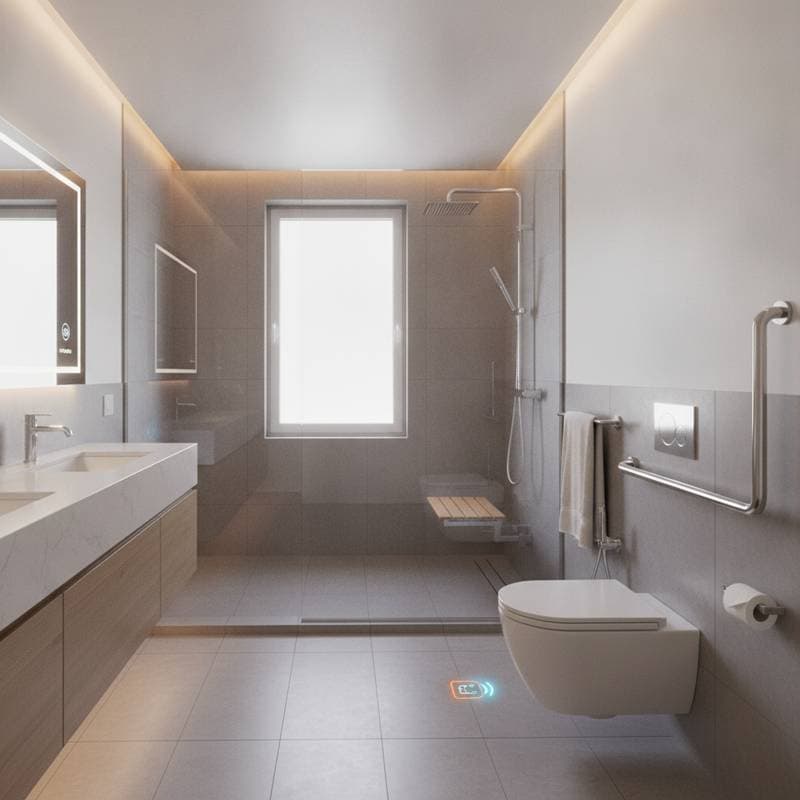
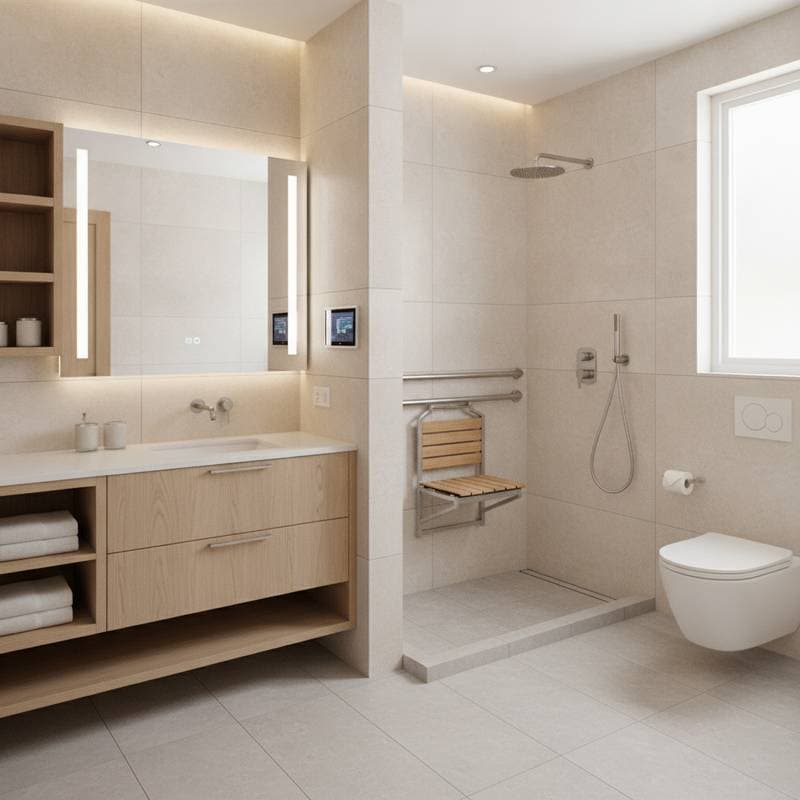
Traditional shower curbs pose significant trip hazards. Zero-threshold showers eliminate these barriers, creating a flush transition from the bathroom floor to the shower area. This design facilitates easy wheelchairs or walker access and reduces the risk of stumbling.
Contractors install these showers with gentle slopes for proper drainage, often using waterproof membranes to prevent leaks. Pair this feature with a wide entry, at least 30 inches, to accommodate mobility aids. The result offers effortless movement and a spa-like openness.
2. Integrated Seating and Fold-Down Benches
Seating within the shower area serves as an essential safety element. Built-in benches or fold-down teak seats enable comfortable showering without exhaustion or balance loss. Opt for a stone or quartz bench integrated into the wall for durability.
In compact spaces, fold-down seats attached to reinforced wall blocking provide versatility. Position the seat at knee height, approximately 17 to 19 inches from the floor, and install an adjustable handheld showerhead nearby. This setup supports both seated and standing use.
3. Stylish Grab Bars for Secure Support
Grab bars offer critical stability during transfers in and out of the tub or shower. Select models with textured, non-slip grips and install them at strategic points, such as near the toilet and shower entry. Modern options feature finishes like brushed nickel or matte black to complement any decor.
Ensure bars extend at least 36 inches and mount them into wall studs or reinforced backing. Test for a secure hold that supports 250 pounds or more. These additions prevent slips without altering the room's elegant appearance.
4. Comfort-Height Toilets and Optimal Placement
Comfort-height toilets rise 17 to 19 inches from the floor, easing the process of sitting and standing for individuals with joint concerns. Choose elongated bowls with smooth skirts to simplify maintenance.
Maintain 18 inches of clearance on either side for maneuvering space. Wall-hung models enhance floor accessibility for cleaning and allow height adjustments during setup. Proper reinforcement of support frames ensures reliability and a sleek profile.
5. Layered Lighting for Visibility and Safety
Inconsistent lighting contributes to missteps in bathrooms. Layered systems combine ambient overhead lights, task-focused vanity illumination, and motion-activated night lights. Dimmable LEDs provide adjustable brightness to suit various needs.
Position lights to eliminate shadows around fixtures and mirrors. Automatic sensors activate low-level glows for nighttime navigation, reducing disorientation. This approach enhances safety while creating a warm, inviting atmosphere.
6. Slip-Resistant Flooring with Added Comfort
Selecting appropriate flooring prevents accidents on wet surfaces. Matte porcelain tiles or textured luxury vinyl planks achieve high coefficients of friction, offering grip without discomfort underfoot.
Incorporate radiant floor heating to avoid chills upon exiting the shower and to accelerate drying, minimizing slip risks from standing water. Install heating mats beneath the flooring during renovation for efficient, even warmth.
7. Lever Handles and Accessible Fixtures
Round doorknobs and stiff faucets challenge those with reduced grip strength. Replace them with lever-style handles on doors and single-lever faucets for effortless operation.
Extend faucet spouts over sinks and tubs to reach without leaning. Touchless or sensor-activated versions further simplify use, conserving water and promoting hygiene. These modifications support daily tasks with minimal effort.
8. Wider Doorways and Thoughtful Layouts
Narrow doorways obstruct mobility devices. Upgrade to 36-inch-wide openings with lever handles to allow smooth passage.
Pocket or sliding doors conserve space and avoid inward swings that could block paths. Design interiors with a 60-inch turning radius for wheelchairs, repositioning fixtures as necessary. Forward-thinking layouts anticipate future needs.
9. Low-Maintenance Materials for Ease of Care
Durable materials lessen cleaning demands as mobility declines. Solid-surface surrounds, quartz vanities, and epoxy-sealed grout resist stains and mildew.
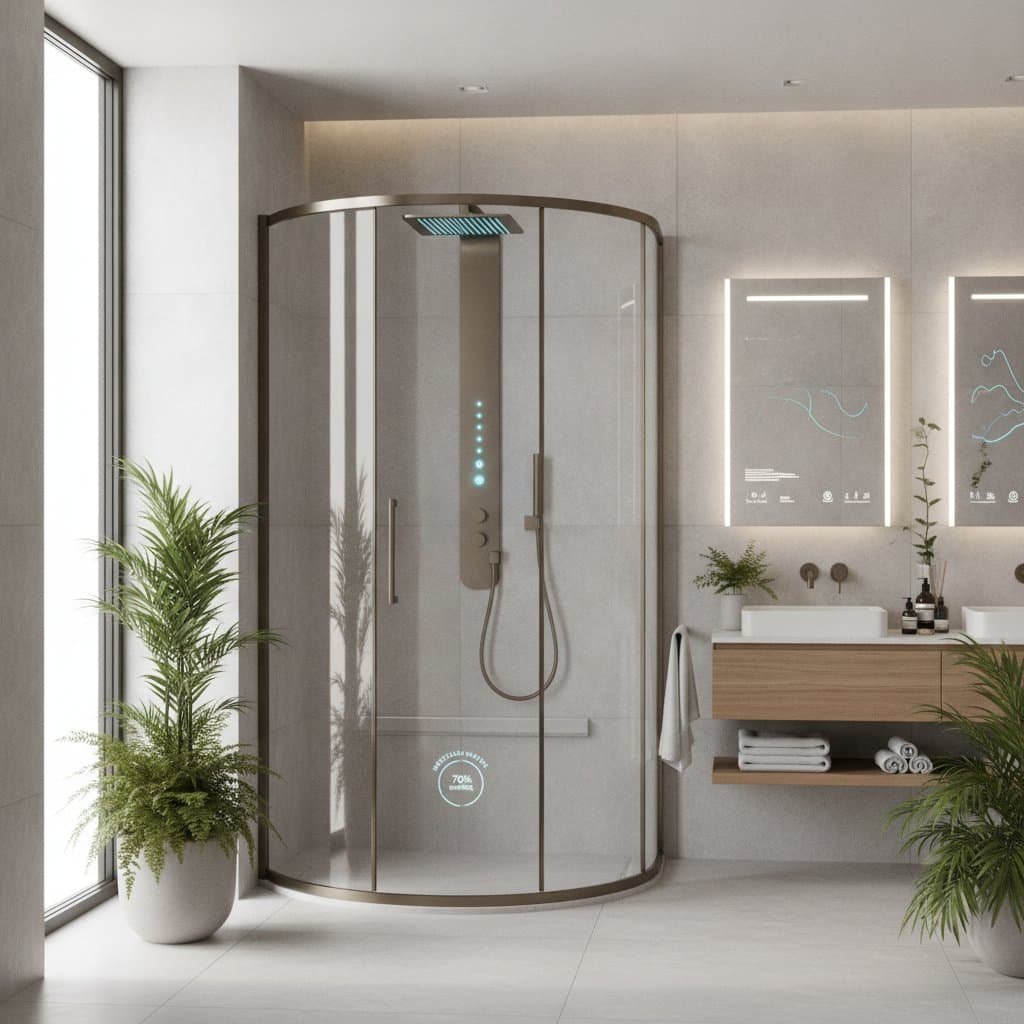
A seamless shower enclosure, for instance, streamlines maintenance by eliminating grout lines. Homeowners report significant time savings and reduced use of cleaning agents. These choices sustain hygiene with less physical strain.
10. Smart Technology for Enhanced Independence
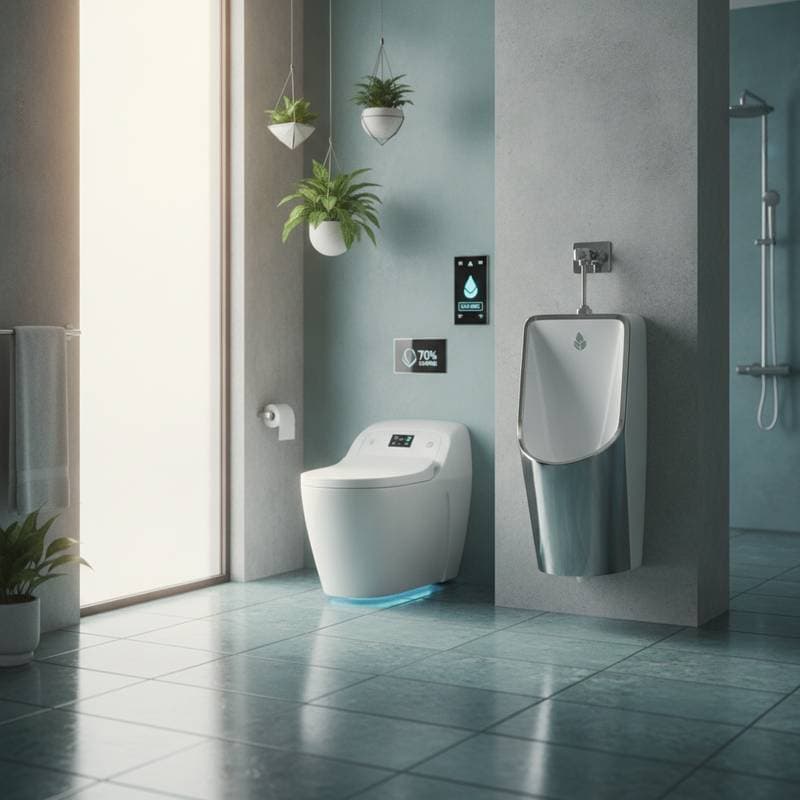
Advanced features streamline routines in accessible bathrooms. Smart toilets include bidet functions, heated seats, and auto-flush capabilities for superior comfort and cleanliness.
Voice-controlled shower panels preset temperatures and flow rates. Leak detectors and adjustable smart mirrors add layers of convenience and monitoring. Integrate select technologies to match lifestyle preferences without overwhelming complexity.
11. Accessible Storage Solutions
Vanities that demand bending or reaching increase fall risks. Install pull-out shelves, adjustable cabinets, and wall niches to position items at ergonomic heights, between 30 and 48 inches.
Illuminated medicine cabinets with full-length mirrors improve visibility for personal care. Tailor storage to routines, avoiding high or low placements for essentials. Organized spaces promote efficiency and safety.
12. Harmonizing Accessibility and Aesthetics
Universal design now prioritizes beauty alongside function. Grab bars in metallic finishes pair with luxury tiles, while open showers mimic resort retreats.
Explore palettes that unify the bathroom with home interiors, using natural materials like wood accents. This integration fosters a sense of pride and normalcy, emphasizing capability over constraints.
Planning Upgrades and Long-Term Benefits
Budget for aging-in-place renovations varies by extent. Basic updates start at several thousand dollars, while comprehensive overhauls may exceed twenty thousand. Consult certified specialists, such as those with CAPS credentials, to focus on high-impact changes.
Obtain detailed plans specifying measurements, materials, and compliance with building codes. Ensure inspections for plumbing and electrical elements to safeguard investments. These preparations yield spaces that support aging gracefully, preserving comfort and confidence for years ahead.