The Rise of Induction Cooking Amid Gas Restrictions
Gas restrictions are reshaping kitchen designs across many communities. Homeowners and professionals increasingly select induction cooking for its efficiency and reliability. This shift represents a fundamental evolution in cooking methods, renovations, and overall kitchen functionality.
Transitions from gas to electric systems may initially seem daunting. However, induction surfaces demonstrate clear advantages, such as boiling water more quickly than gas and requiring minimal cleanup. Users often express regret for not adopting this technology earlier.
Key Advantages of Induction Technology
Induction cooktops employ electromagnetic fields to heat pots and pans directly. This approach eliminates open flames, reduces heat loss, and minimizes risks associated with gas leaks or inadequate ventilation. The cooktop surface remains relatively cool, while the cookware reaches high temperatures rapidly.
The following benefits position induction as a preferred choice:
- Speed: Water boils in approximately half the time compared to gas burners.
- Precision: Digital controls allow immediate and accurate temperature adjustments.
- Safety: Heat activates only when compatible cookware is present, reducing burn hazards for households with children or elderly members.
- Cleanup: Spills do not bake onto the surface, enabling simple wiping with a cloth.
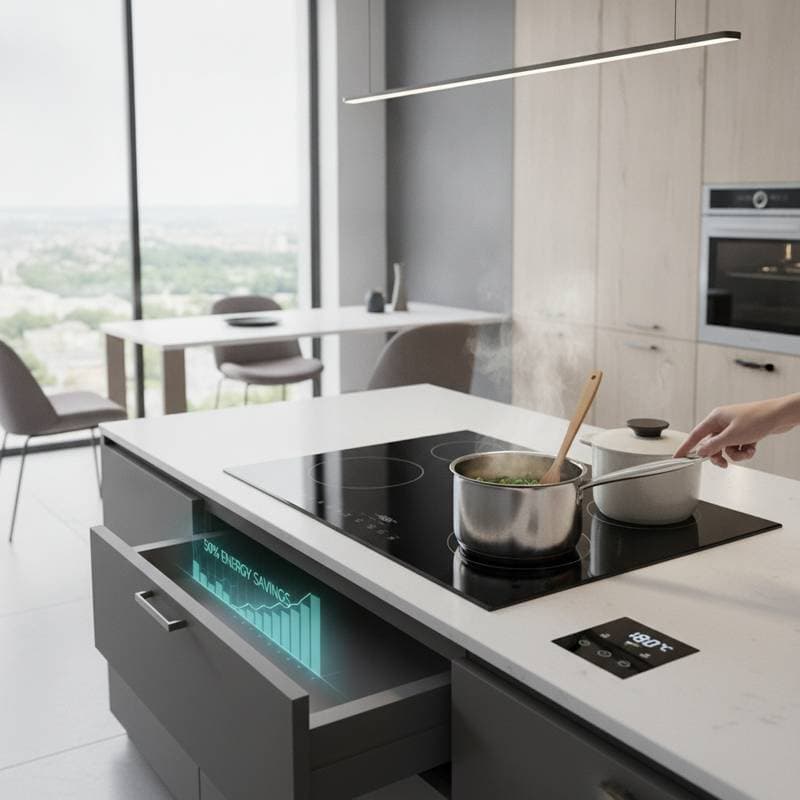
- Efficiency: Induction consumes up to 90 percent less energy than gas or conventional electric methods.
These features make induction ideal for professional-level results in compact or leased spaces.
Accessible Options Across Budget Levels
Induction solutions accommodate various financial plans without compromising quality.
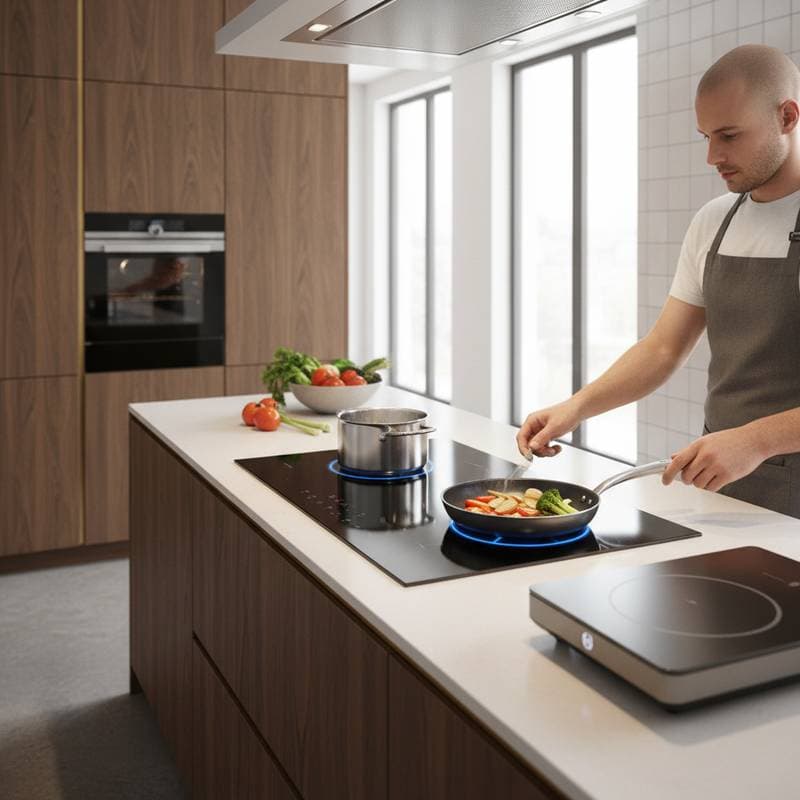
For limited budgets, a portable induction burner costs less than $60. These units suit renters or small apartments; simply plug into a standard outlet to perform tasks like searing meat or simmering sauces.
Mid-range options include a 30-inch built-in cooktop from manufacturers such as GE or Frigidaire, priced between $900 and $1,200. Pairing this with a basic backsplash and new cabinet hardware elevates the kitchen to a professional aesthetic.
High-end selections feature 36-inch smart induction ranges with touch interfaces and Wi-Fi connectivity. Prices range from $2,500 to $4,000, varying by brand and material finishes.
Utility providers frequently offer rebates for converting from gas appliances, offsetting costs and promoting energy-efficient upgrades.
Integrating Design Flexibility with Practicality
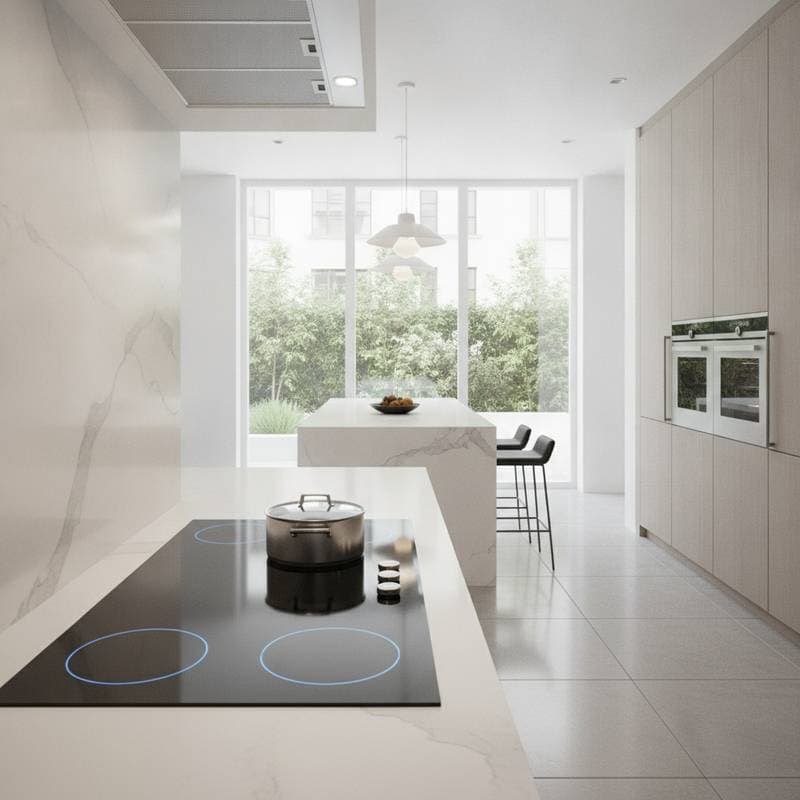
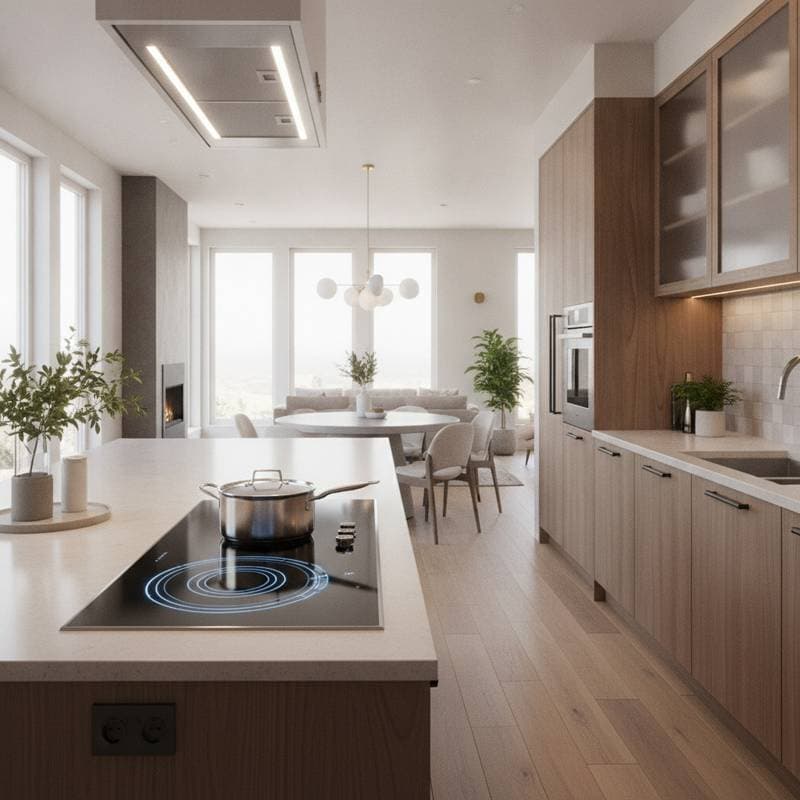
Induction frees designers from constraints of gas infrastructure and extensive hood systems. Cooktops install in diverse locations, such as central islands with seamless, glass-like appearances.
Combining induction with under-counter ovens supports customizable, user-friendly configurations. In open-plan residences, induction maintains better indoor air quality and lower ambient heat, contributing to comfort and environmental goals.
One renovation project replaced an outdated gas stove with a slim induction model, resulting in a more spacious and inviting kitchen environment. The change highlighted induction's role in enhancing visual and functional appeal.
Achieving Professional Cooking Precision
Induction delivers the responsive control observed in commercial settings. Removing cookware halts heating instantly; replacing it resumes the exact setting without delay.
This responsiveness excels in tasks requiring accuracy, from delicate chocolate tempering to high-heat steak searing. Consistent performance ensures reliable outcomes for recipe experimentation or daily meal preparation.
Planning for an Electric Kitchen Era
Local policies phasing out gas influence construction, renovation practices, and product development. Builders incorporate electric-compatible designs, while manufacturers introduce integrated systems combining induction with advanced ovens and ventilation.
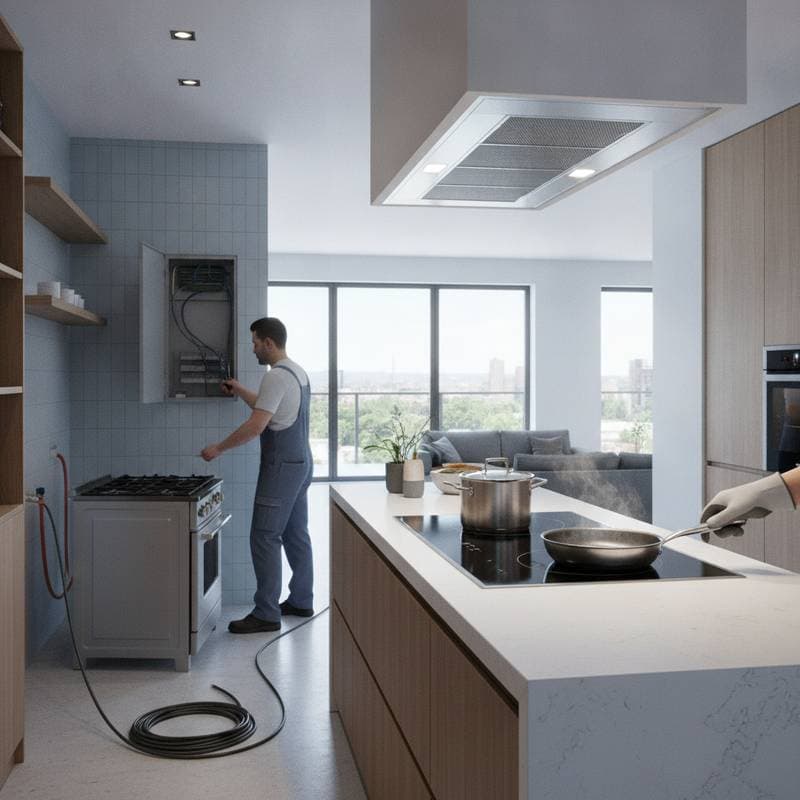
Homeowners undertaking remodels should consult electricians to prepare 240-volt circuits for full ranges. For gradual adoption, portable burners provide an inexpensive way to experience induction benefits before committing to permanent installations.
Realizing Benefits in Daily Use
Adopting an induction kitchen fosters safer, more efficient routines. Faster cooking times reduce energy use, while streamlined surfaces simplify maintenance. These elements create workspaces that align with modern lifestyles and sustainability priorities.
Explore portable units or consult professionals to tailor induction to specific needs. This technology transforms kitchens into efficient, aesthetically pleasing hubs for cooking and gathering.