Induction Cooktops: Outperforming Gas in Contemporary Kitchens
Induction cooking represents a significant advancement in kitchen technology, focusing on energy conservation and efficient space utilization. Traditional gas stoves have long dominated, yet induction offers superior performance in heating speed and control. For those considering a complete kitchen renovation or a targeted cooktop replacement, induction provides reliable efficiency, modern aesthetics, and adaptable pricing.
Key Differences in Induction Technology
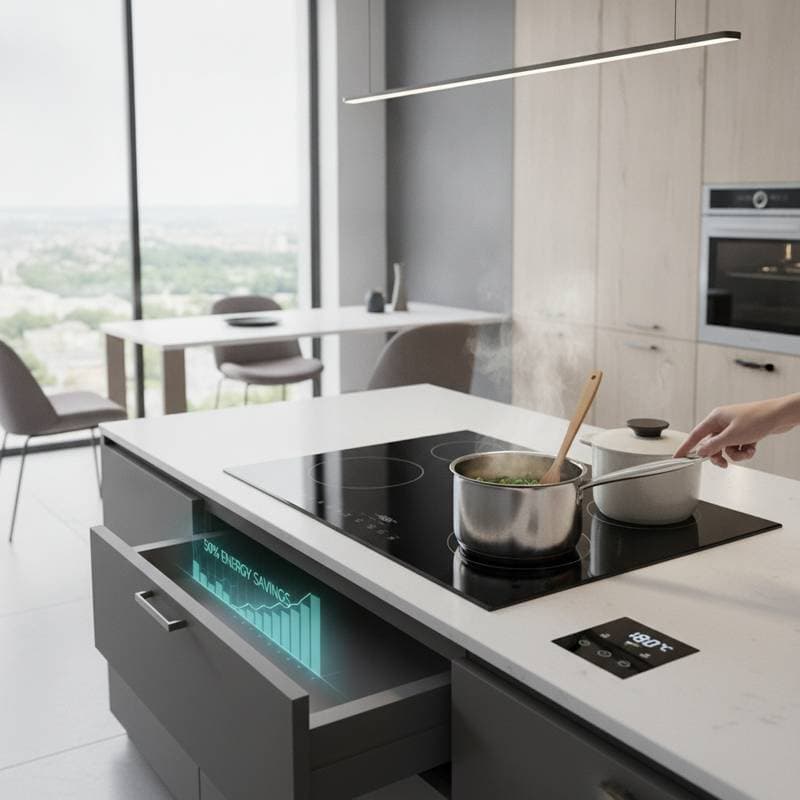
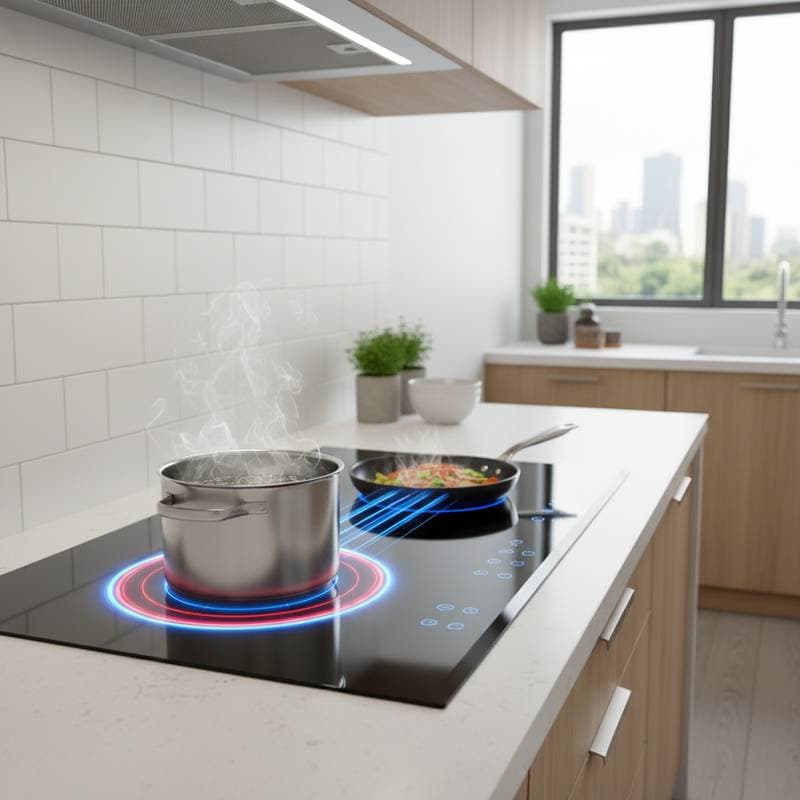
Induction cooktops generate heat through electromagnetic fields that directly warm the cookware, unlike gas or conventional electric methods that primarily heat the surrounding air or surface. This approach results in quicker boiling times, enhanced temperature precision, and minimal energy loss. Removing the pot from the surface immediately halts the heating process, offering immediate responsiveness.
During a professional home renovation project, the rapid transition from room-temperature water to a rolling boil in under two minutes highlighted induction's practical advantages. Such quick response enables precise tasks, from gently melting chocolate to achieving an ideal sear on steak, empowering cooks with greater command over their preparations.
Aesthetic Advantages for Design Enthusiasts
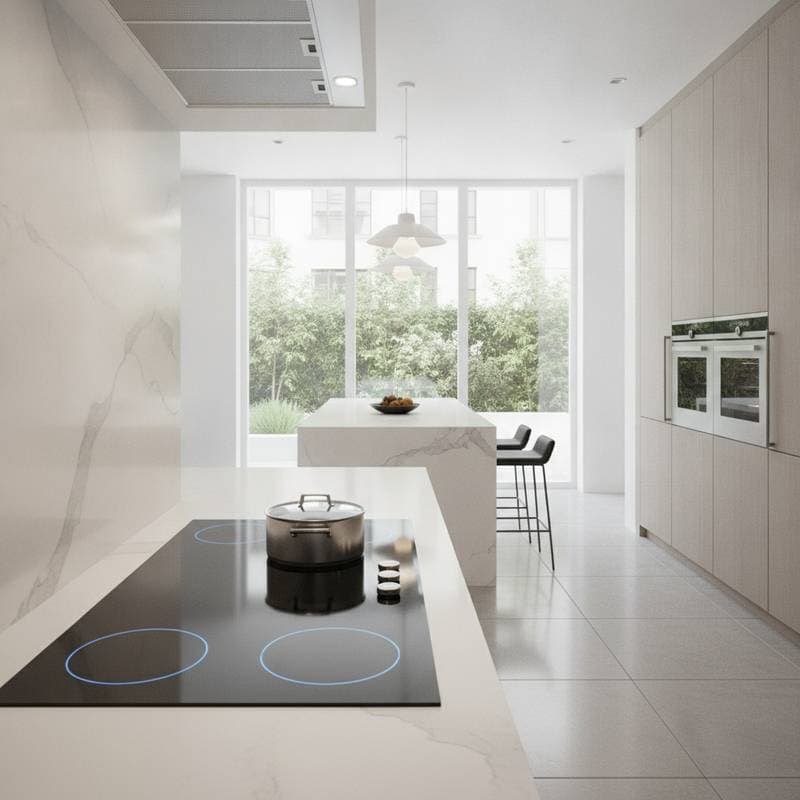
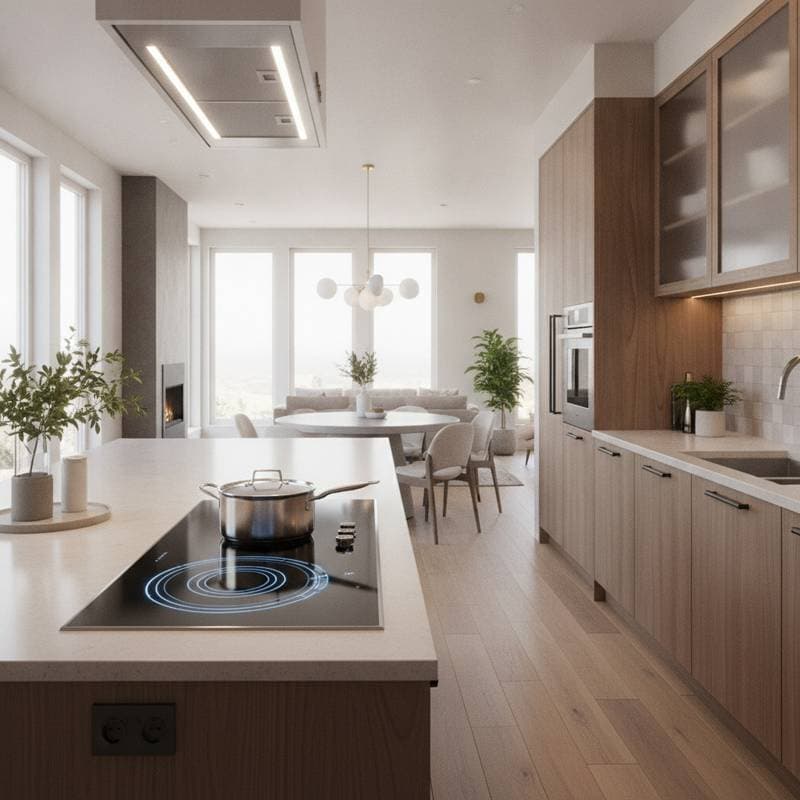
Induction cooktops feature smooth glass surfaces that contribute to a streamlined, contemporary appearance in any kitchen setting. Without visible grates, exposed elements, or persistent grease buildup, they maintain a pristine look. These units integrate well into minimalist designs while enhancing traditional or rustic styles by allowing focal points elsewhere to stand out.
Available in finishes such as black, gray, or white glass, induction cooktops align with diverse interior palettes. Designers appreciate their ability to embed cooking areas flush into countertops or islands, facilitating uninterrupted workflow from preparation to serving. This configuration not only enhances visual appeal in professional photography but also improves daily functionality.
Accessible Pricing Across Budget Levels
Induction options span a wide range of costs, making them suitable for various households.
- Entry-level models: Portable single-zone units begin at approximately $60, ideal for renters, students, or those evaluating the technology prior to a larger investment.
- Mid-range selections: Built-in four-zone cooktops generally cost between $600 and $1,200, providing consistent operation with intuitive touch interfaces and child-safety features.
- Premium choices: High-performance induction ranges exceed $2,000, incorporating advanced elements like bridge zones, automatic sensors, and integrated exhaust systems.
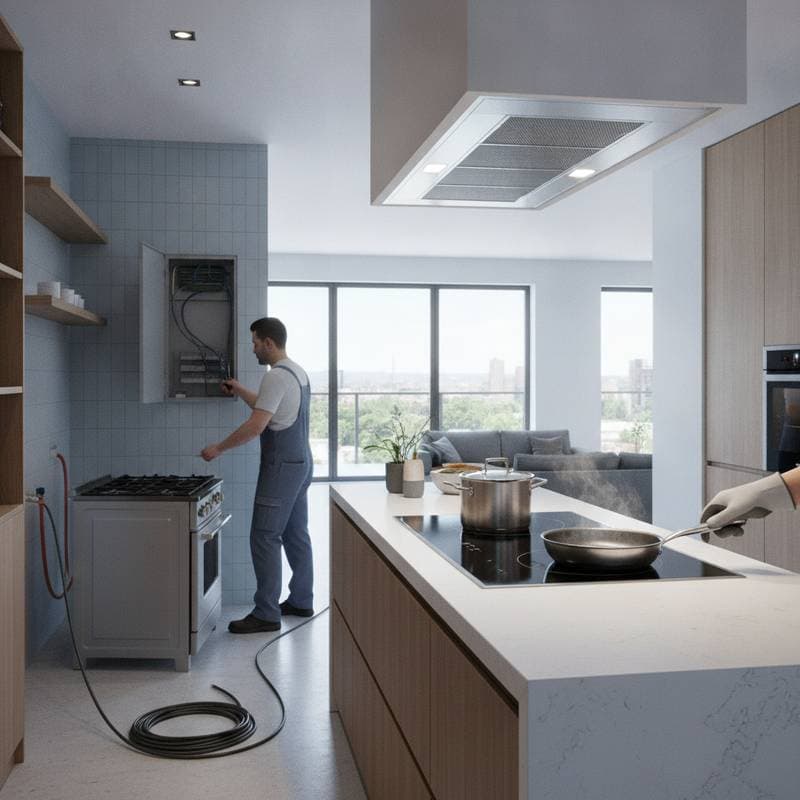
For a hands-on approach, individuals can modify existing countertops to accommodate an induction insert, a process that requires basic tools and yields substantial improvements. These adaptations encourage exploration of personalized kitchen enhancements.
Enhanced Safety and Intelligent Cooking
Safety stands out as a primary benefit of induction technology, with the cooktop surface remaining cool outside the direct contact area of the cookware, thereby minimizing burn hazards. This feature proves invaluable in homes with children or multiple generations. The absence of open flames also reduces ambient heat, easing the load on cooling systems.
Several municipalities now promote or mandate all-electric appliances in new builds, driven by concerns over gas-related indoor air pollution. Induction aligns with these regulations by emitting no combustion byproducts, benefiting respiratory health, surface integrity, and cookware longevity.
Superior Energy Efficiency and Long-Term Savings
Gas stoves dissipate significant energy through escaped heat, whereas induction delivers nearly 90 percent efficiency by channeling power straight to the pot. Shorter cooking durations further reduce overall electricity consumption, leading to decreased utility expenses and a reduced carbon footprint. These efficiencies maintain high performance levels without compromise.
Integrating induction with sustainable energy, such as solar installations, amplifies cost reductions in eco-conscious designs. This combination appeals to those seeking both visual elegance and environmental accountability in their living spaces.
Selecting the Optimal Induction Configuration
Base your choice of induction setup on cooking habits and space constraints. Compact single-zone models suit small areas or simple routines, while expansive five-zone ranges with bridge functions accommodate larger families and big cookware. Prioritize units that enable merging adjacent zones for versatile applications like griddles or broad roasting pans.
Verify cookware compatibility, as induction demands ferromagnetic materials such as cast iron or specific stainless steel alloys. A straightforward magnet test confirms suitability: if it adheres, the item works. Numerous budget-friendly brands now produce complete induction-ready sets, easing any necessary updates.
Simple Maintenance for Lasting Appeal
Upkeep involves minimal effort; a damp cloth suffices for post-cooking cleanup, preventing residue accumulation. Unlike traditional setups, no debris collects beneath components. For stubborn marks, employ a specialized glass scraper followed by occasional polishing to preserve the surface's pristine condition over time.
Embracing Induction in Daily Kitchen Life
Adopting induction alters the cooking experience, fostering efficiency, tidiness, and a serene environment free from flame distractions. Users often report increased experimentation, accelerated routines, and renewed enjoyment in meal preparation. Effective kitchen design ultimately nurtures inspiration, social interaction, and ease.
For upcoming renovations, evaluate induction's potential to optimize layouts, elevate air quality, and streamline operations. Solutions exist for every financial scope, affirming that innovative features can remain practical and inclusive. Induction cooktops deliver cleaner, safer, and more dynamic cooking environments today.