Upgrade to Induction: Ditch Gas for Smarter Kitchens
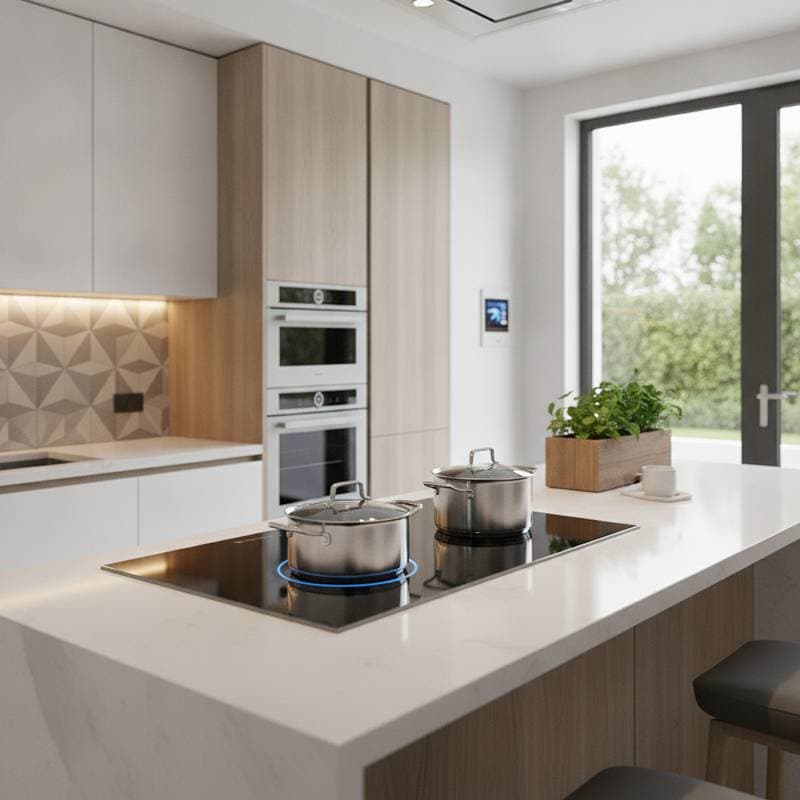
If you plan a kitchen upgrade, consider whether to retain gas or adopt induction cooking. Homeowners increasingly recognize induction as a superior option for safety, efficiency, and performance. As a contractor experienced with both installations, observe how this choice impacts safety, utility costs, and daily convenience. The transition from gas to induction represents an investment in enhanced functionality and sustained savings.
The Hidden Costs of Staying with Gas
Gas stoves have served as a kitchen staple for decades, yet they present ongoing challenges that accumulate expenses.
-
Energy Waste. Gas burners dissipate significant heat into the surrounding air, resulting in payments for unused energy. Induction directs energy straight to the cookware via magnetic fields, achieving superior efficiency.
-
Air Quality Issues. Gas flames emit carbon monoxide, nitrogen dioxide, and other pollutants that compromise indoor air. Even ventilated spaces accumulate residues, potentially causing respiratory problems or hazards. Induction avoids open flames, maintaining cleaner air.
-
Maintenance and Wear. Gas components demand frequent cleaning and adjustments, with grease accumulating under grates and igniters failing over time. Induction surfaces, made of smooth glass, clean quickly without mechanical parts to repair.
-
Temperature Control Limitations. Gas heat fluctuates due to drafts, humidity, or pressure changes, hindering precision. Induction adjusts temperatures immediately, providing reliable control unmatched by gas.
-
Fire Risk. Open flames heighten accident potential, such as igniting nearby fabrics. Induction confines heat to the cookware, eliminating surface flames and reducing burn risks.
Why Induction Cooking Changes the Game
Induction technology redefines kitchen operations through integrated speed, safety, and precision.
Speed and Efficiency
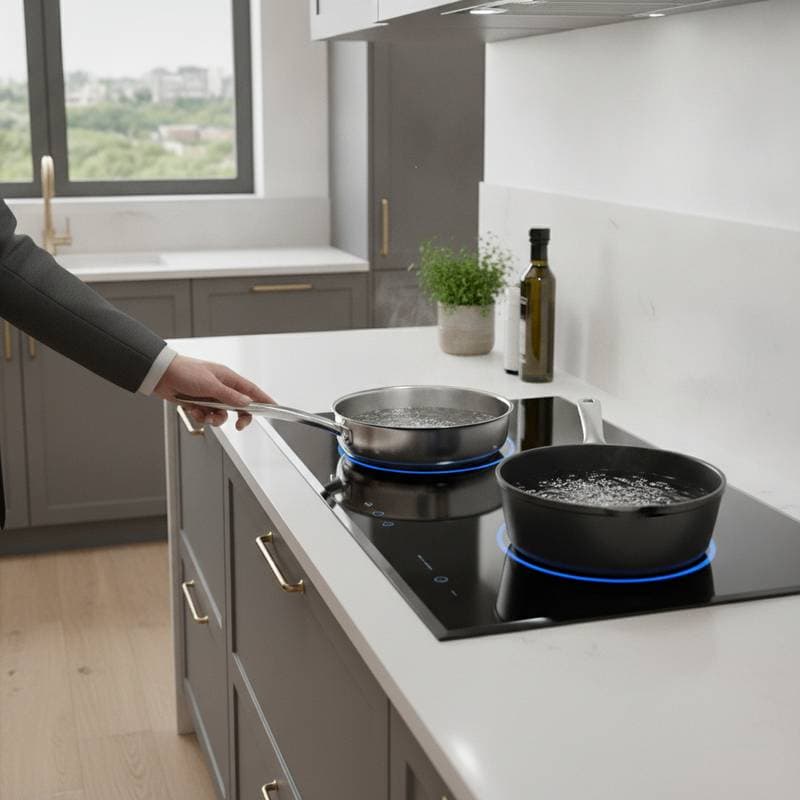
Induction heats water more rapidly than gas or conventional electric methods. Direct energy transfer to cookware minimizes waste, accelerates meal preparation, cools the kitchen, and reduces utility expenses.
Precision and Responsiveness
Adjustments on an induction cooktop take effect without delay. Professional chefs value this for uniform outcomes, from delicate melting to high-heat searing.
Safety Features
Heating activates only with suitable cookware in place; removal halts the process instantly. This design suits households with children or seniors, preventing unintended burns.
Easy Cleaning
The cooktop remains cool beneath spills, allowing wipes during use. This approach preserves a tidy kitchen with little effort.
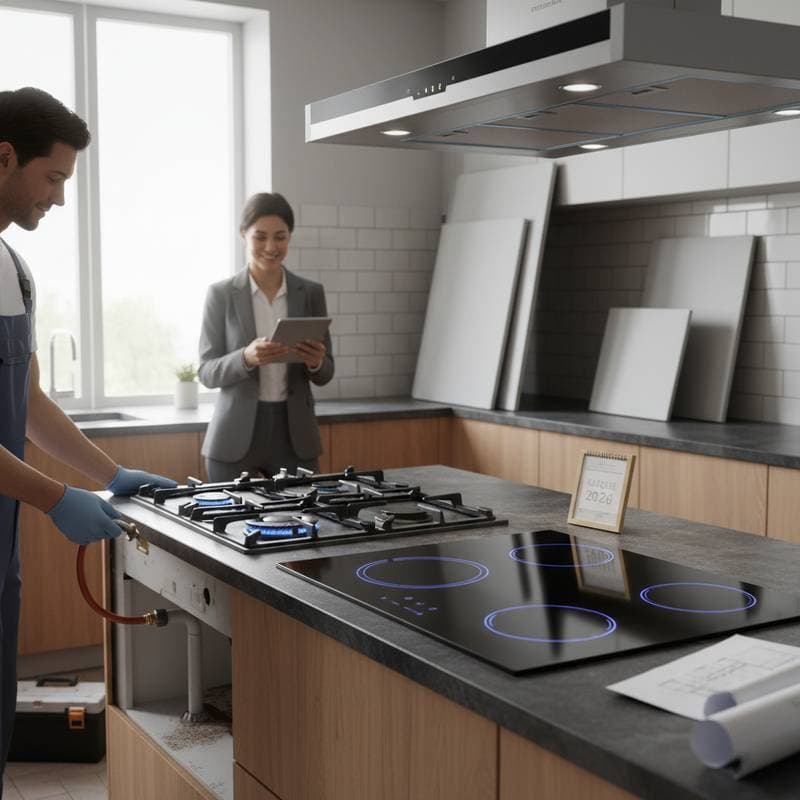
Planning a Gas-to-Electric Conversion
The shift to induction requires thoughtful preparation for a smooth process.
-
Assess Electrical Capacity
Induction demands higher power than traditional electric setups. Engage a licensed electrician to inspect your electrical panel. Older homes often require new circuits or service upgrades for safe operation. -
Remove and Cap Gas Lines
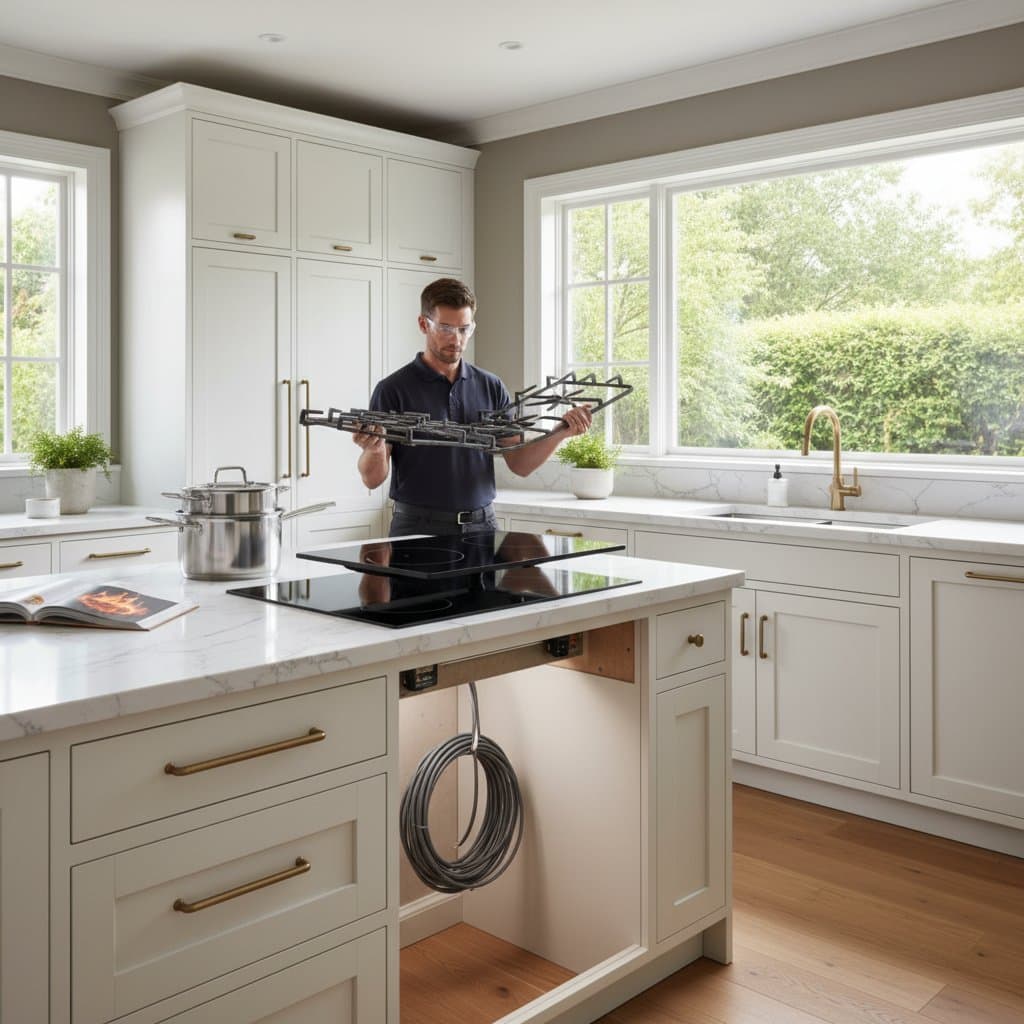
Hire a qualified plumber to disconnect and seal gas lines securely. Improper handling poses severe risks; adhere to local codes throughout. -
Verify Ventilation Requirements
Induction generates less heat and no emissions, potentially allowing a smaller hood. Retain effective ventilation for steam and odors; consult your contractor on appliance compatibility. -
Select Compatible Cookware
Induction requires ferromagnetic materials. Test pans with a magnet on their base; it adheres to suitable stainless steel or cast iron. Non-magnetic items like aluminum demand adapters or replacements. -
Obtain Necessary Permits
Local authorities mandate approvals for electrical and gas alterations. Professionals familiar with regulations ensure compliance, avoiding resale or insurance complications. -
Schedule Inspections
Post-installation, arrange official reviews to verify code adherence. Retained records safeguard against future inquiries.
Understanding Induction Cooking Zones
Contemporary induction cooktops include varied zones tailored to diverse cookware. Familiarity with these enhances utilization.
-
Fixed Zones
These predefined areas focus magnetic fields for centered pans and even heating. Mid-range models favor them for routine pots and skillets. -
Flexible Zones
Premium units feature adaptive or bridging zones that sense pan dimensions. Pans shift freely, or griddles span areas, supporting versatile arrangements. -
Power Boost Function
This mode supplies intensified energy for quick tasks like boiling. Use sparingly, as it may restrict adjacent zones temporarily. -
Residual Heat Indicators
Surfaces cool swiftly yet retain warmth post-use. Illuminated signals alert to hot spots, bolstering safety.
Common Homeowner Concerns and Real-World Answers
Clients frequently voice similar apprehensions during consultations. Address them with insights from actual projects.
-
“It’s expensive to switch.”
Upfront costs exceed gas setups, yet energy savings and minimal upkeep offset them quickly. Durable induction models endure with rare interventions. -
“I like the look of a gas flame.”
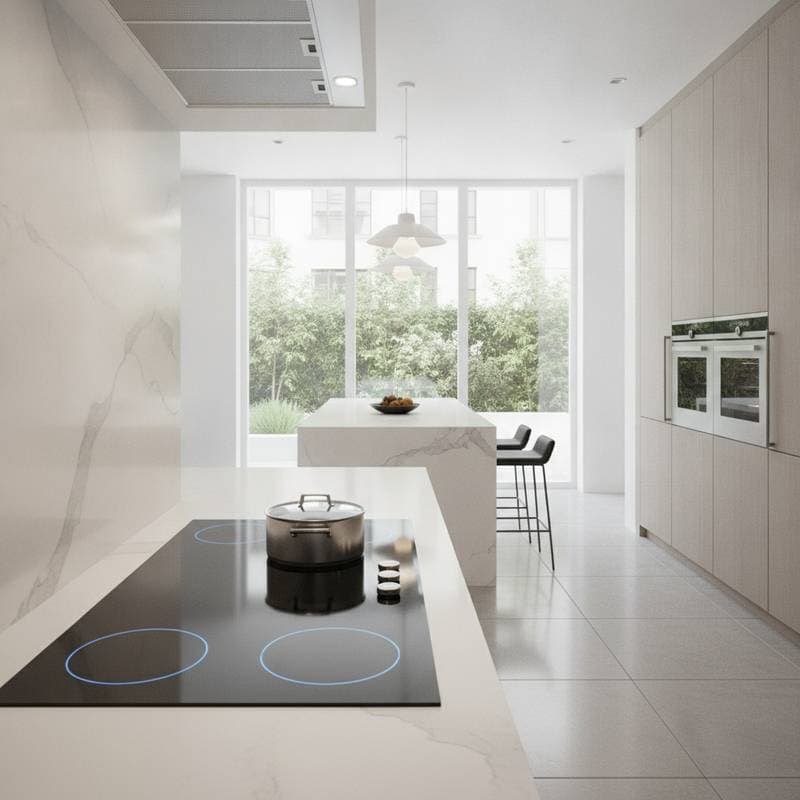
Initial preferences fade upon discovering induction's speed and accuracy. The minimalist glass design refreshes kitchen aesthetics. -
“What if the power goes out?”
Frequent outages warrant a generator. Note that gas units also depend on electricity for modern features, sharing vulnerability. -
“Can I install it myself?”
Professional expertise is essential for electrical and gas tasks. Amateur efforts often result in hazards and expensive fixes.
Maintaining Your Investment
Routine care sustains induction performance with simplicity.
-
Clean Regularly
Apply a soft cloth and mild cleaner post-use. Steer clear of abrasives that damage the glass. -
Inspect Cookware
Examine bases for buildup or distortion. Flawed contact impairs efficiency and may produce sounds. -
Protect the Glass Surface
Lift rather than drag heavy items to avoid scratches or fractures. -
Monitor Power Supply
Flickering lights during operation signal circuit issues; prompt electrician evaluation ensures reliability.
Realize Savings Through Induction Adoption
Embrace induction to lower long-term expenses while elevating kitchen safety and efficiency. Professional guidance streamlines the conversion, yielding a modern, dependable cooking environment that aligns with contemporary home standards.