Upgrade Your Kitchen: Switch to Induction for Efficiency and Clean Air
Imagine standing in your kitchen as a pot of water slowly heats on a gas stove, filling the space with unwanted warmth and faint odors. Induction cooktops address these issues by offering a modern alternative that heats cookware directly and efficiently. Homeowners increasingly choose this option for its speed, precision, and environmental benefits, making the switch a worthwhile investment with proper preparation.
Induction cooking represents a reliable advancement in kitchen technology. It enhances daily cooking while lowering energy use and promoting a healthier home environment. This guide covers the fundamentals of induction, conversion steps, expenses involved, and strategies to maximize its potential.
The Mechanics of Induction Cooking
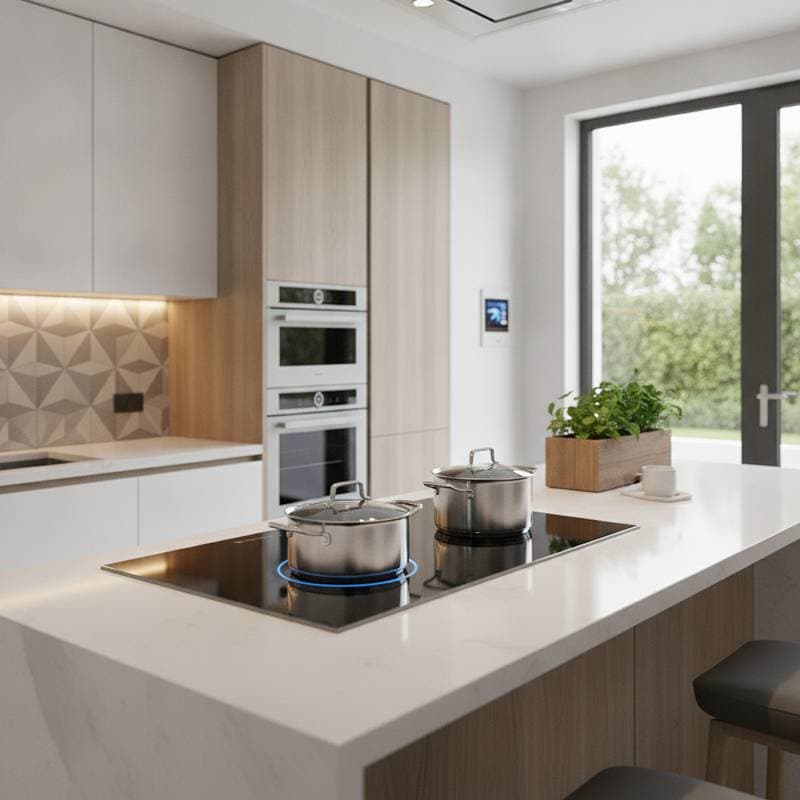
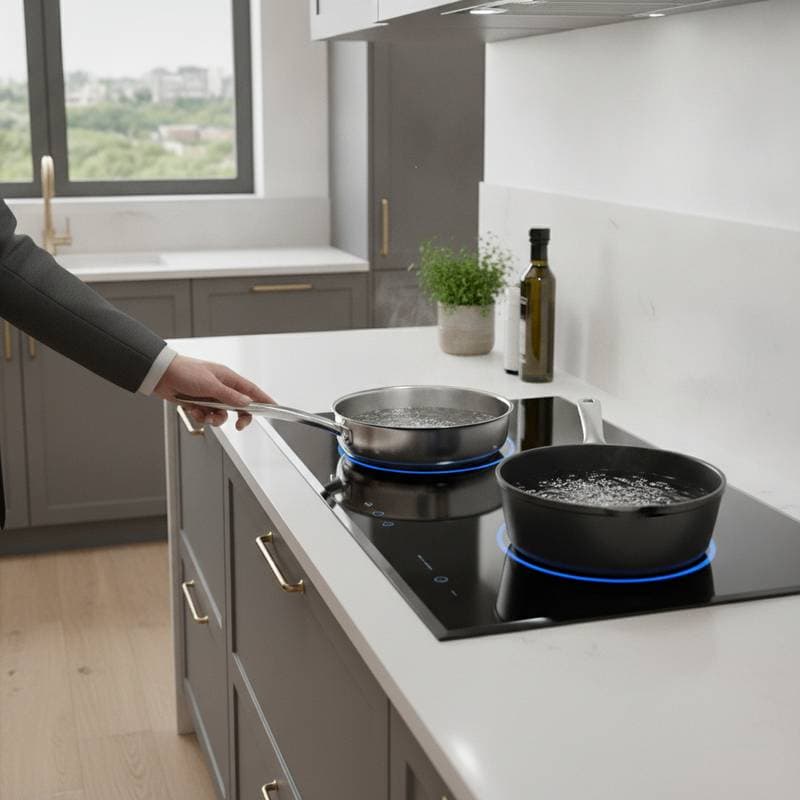
Induction cooktops employ electromagnetic fields to heat cookware directly. A coil beneath the surface generates a magnetic field that induces currents in the base of a compatible pot or pan, producing heat within the vessel. This process avoids heating the surrounding air or the cooktop itself, ensuring minimal energy loss.
As a result, induction achieves boiling times approximately twice as fast as traditional gas methods. It also provides exact temperature regulation, simplifying delicate operations such as sauce reduction or chocolate tempering.
Compatibility requires cookware with ferrous properties, meaning it must attract a magnet. Test existing items by attaching a magnet to the base; adherence indicates suitability. Cast iron and certain stainless steels typically qualify, whereas pure aluminum or copper bases demand a ferrous layer for functionality.
Navigating Induction Cooking Zones
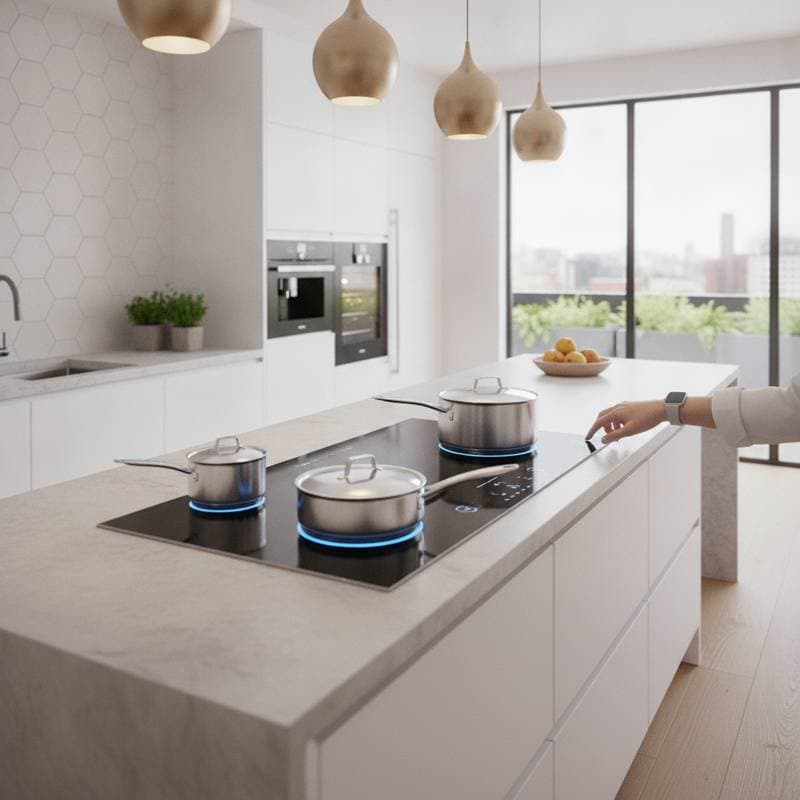
Cooktops feature designated zones that define active heating areas. Standard models include four fixed zones, while advanced versions offer flexible zones spanning a broader surface for versatile pan placement.
Fixed zones suit everyday cooking needs due to their simplicity and affordability. Flexible zones accommodate oversized or oddly shaped items, such as griddles, though they increase the overall cost.
Select a configuration aligned with your routines. For simultaneous use of several vessels, prioritize units with four or more zones equipped with separate controls for each.
Achieving Energy Efficiency and Financial Benefits
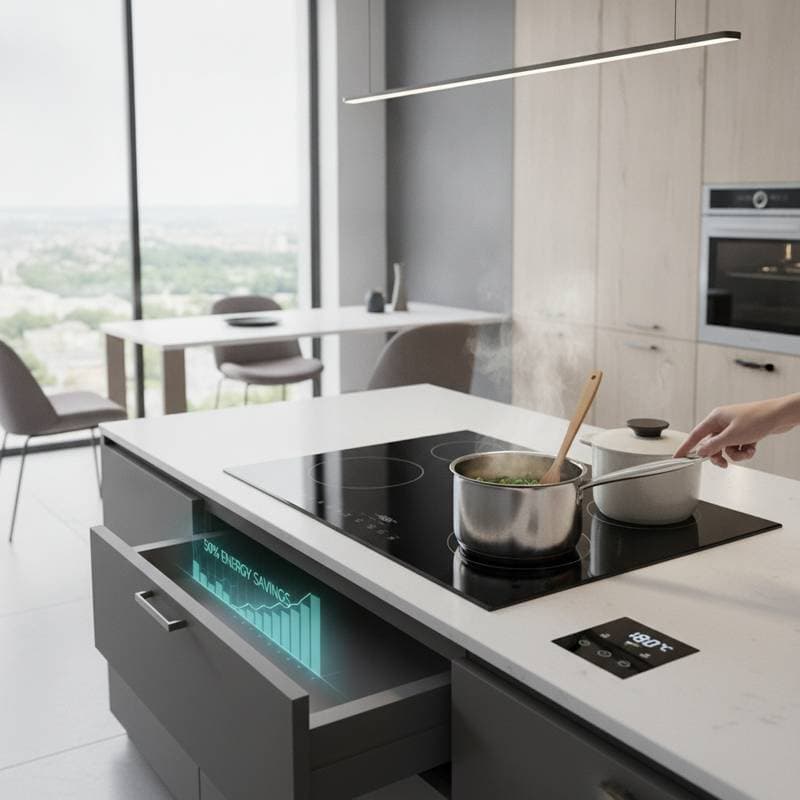
Induction stands out for its superior energy conversion, directing 80 to 90 percent of power straight to the cookware. In contrast, gas stoves utilize only 35 to 40 percent effectively, with the remainder dissipating as heat.
This high efficiency leads to reduced utility expenses. Regions with elevated gas rates or competitive electricity pricing amplify these savings. Shorter cooking durations and accurate control further mitigate any potential higher electricity costs.
An additional advantage involves climate control. Cooler cooktop surfaces prevent kitchen overheating, potentially lowering air conditioning demands during summer.
Simplifying Maintenance and Ensuring Durability
Cleaning induction surfaces proves simpler than gas counterparts, lacking grates, burners, or ignition components. Wipe the glass with a soft cloth and gentle cleaner to maintain its appearance.
Prevent scratches by lifting rather than sliding heavy pots. Opt for cookware with flat, smooth bases to safeguard the surface over time.
Expect a service life of 10 to 15 years, often surpassing gas models. Regular cleaning of ventilation areas and careful handling of spills near controls prolong performance.
Prioritizing Safety in Induction Use
Induction enhances safety by eliminating open flames, thereby reducing the risk of grease ignition. The surface stays relatively cool outside the pan's footprint, minimizing accidental burns.
Electromagnetic fields warrant caution for individuals with pacemakers or implantable devices; medical consultation is advisable prior to adoption.
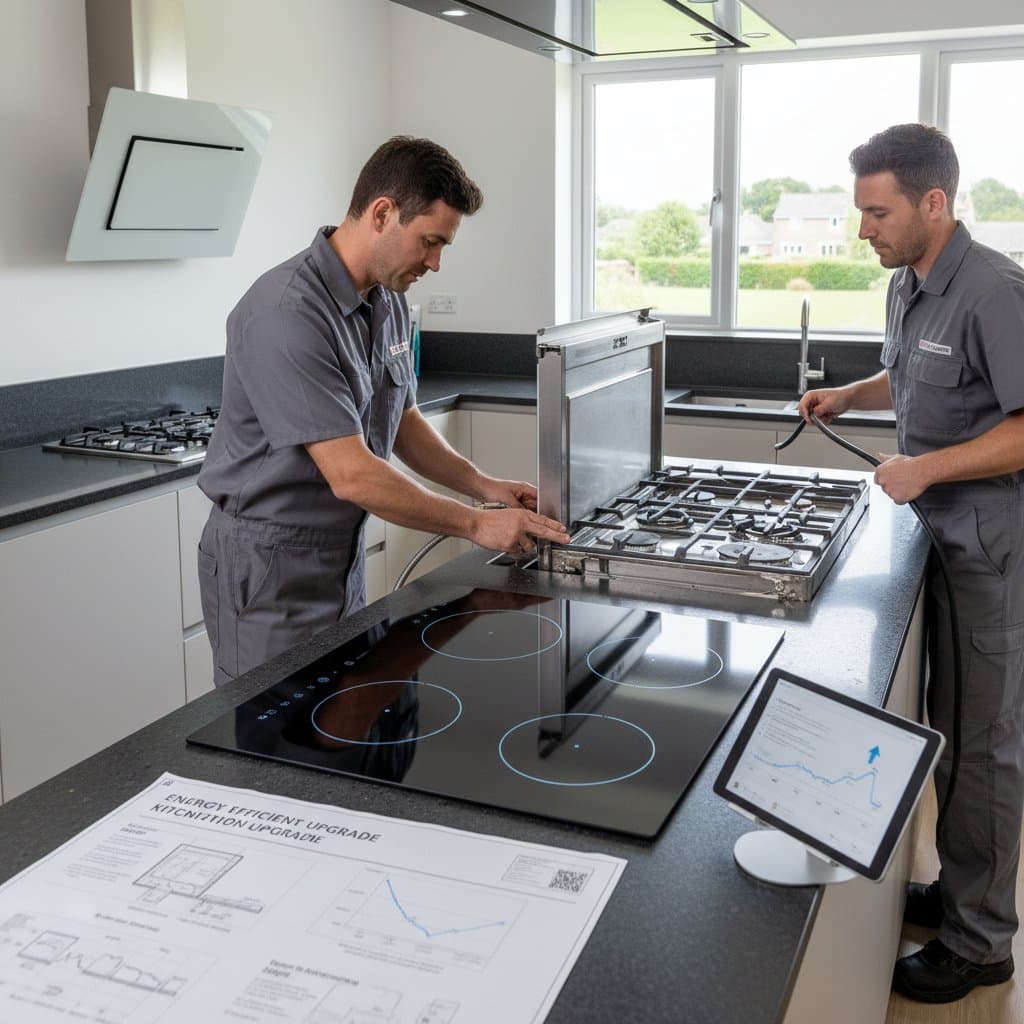
Adhere to guidelines for electrical setup, including proper circuit protection and grounding. High power demands necessitate professional installation to avoid risks from inadequate wiring.
Gaining Environmental and Health Advantages
Installing an induction cooktop removes combustion byproducts from indoor spaces, yielding purer air and diminished cooking residues. Families often notice reduced smells and residual warmth post-meal.
Environmentally, induction relies on electricity, which may derive from renewables like solar or wind power. Gas cooking, conversely, depends on fossil fuels, contributing to extraction and transport emissions. This change directly curbs household carbon output without altering culinary practices.
Steps to Implement Your Induction Upgrade
Begin the process by consulting licensed electricians and plumbers for assessments. Inquire about electrical panel capacity, wiring paths, and necessary permits to inform your decisions.
With electrical specifications in hand, evaluate cooktop options that fit your space and budget. Consider features like zone flexibility and power levels to match your cooking style.
Professional installation ensures compliance and safety, unlocking the full rewards of faster, cleaner, and more sustainable cooking in your home.