Induction Cooktops Heat Pans, Not Your Kitchen
Induction cooktops represent a significant advancement in kitchen technology. These appliances use electromagnetic fields to heat cookware directly, bypassing the traditional process of heating the cooking surface first. As a result, they offer precise temperature control and rapid response times that enhance cooking efficiency.
Home cooks appreciate the way induction cooktops maintain a cool surface, which reduces the risk of burns and keeps ambient kitchen temperatures lower. This feature proves particularly valuable in smaller spaces or during extended cooking sessions. Professional chefs also favor induction for its consistency, which supports complex recipes requiring exact heat levels.
How Induction Cooktops Function
Induction cooktops operate through electromagnetic induction. A coil beneath the glass-ceramic surface generates a magnetic field when electricity flows through it. This field induces currents in the base of compatible cookware, producing heat directly within the pan or pot.
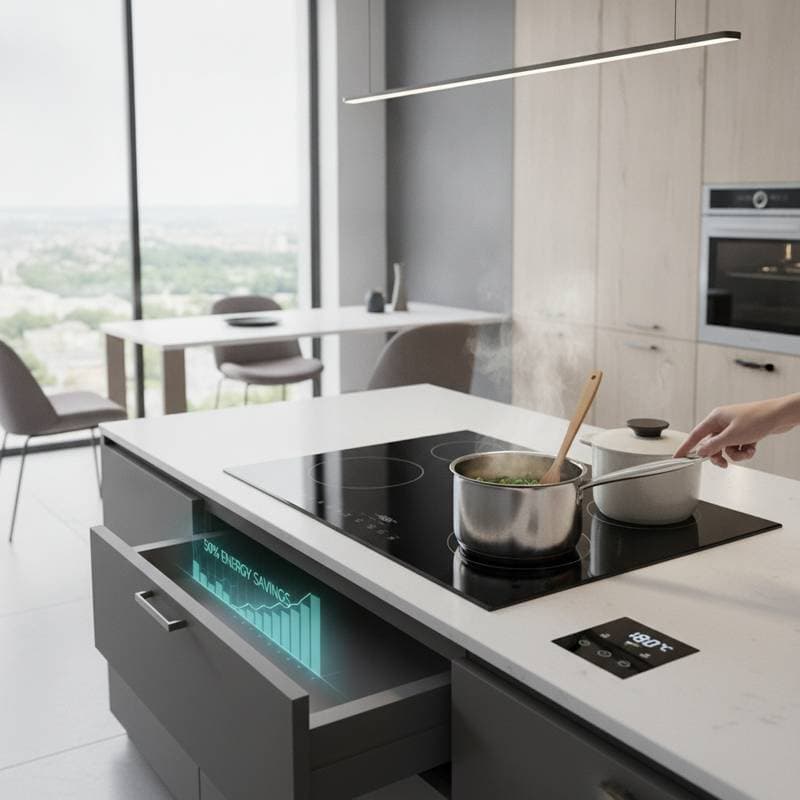
Only the cookware itself heats up, while the cooktop remains relatively cool to the touch. This direct heating method eliminates energy waste associated with radiant or gas heat sources. Users must employ ferromagnetic materials, such as cast iron or certain stainless steels, for optimal performance.
The technology responds instantly to adjustments, allowing for simmering delicate sauces without overshooting temperatures. Safety features, including automatic shut-off if no cookware is detected, add an extra layer of protection. These elements combine to make induction a reliable choice for daily use.
Key Advantages of Induction Cooking
Faster and More Efficient Heating
Induction cooktops boil water up to twice as quickly as conventional electric models. The energy transfers almost immediately to the cookware, minimizing heat loss to the surrounding air. This efficiency translates to lower utility bills over time, especially in households that cook frequently.
Studies indicate that induction units can achieve up to 90 percent energy efficiency, compared to 40 percent for gas stoves. Homeowners benefit from reduced cooking times, which free up schedules for other activities. The precise control prevents scorching, ensuring even cooking results.
Enhanced Safety Features
With the cooktop surface staying below 150 degrees Fahrenheit even during high-heat operations, the risk of accidental burns decreases substantially. Children and pets can move around the kitchen with less concern. If a pan is removed, the heat stops instantly, preventing unattended boil-overs.
Many models include child locks and residual heat indicators to further safeguard users. These built-in protections make induction ideal for families. The absence of open flames also reduces fire hazards, aligning with modern safety standards.
Sleek Design and Easy Maintenance
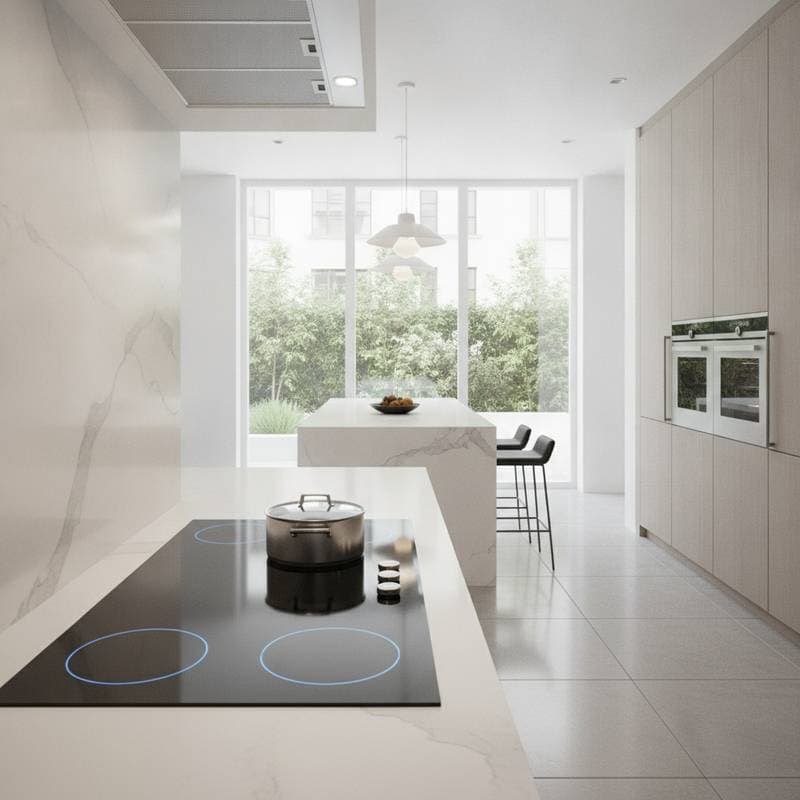
Induction cooktops feature smooth glass surfaces that blend seamlessly into contemporary kitchen aesthetics. Available in various sizes and finishes, they complement minimalist designs. The flush installation creates a clutter-free countertop appearance.
Cleaning requires minimal effort; a simple wipe with a damp cloth suffices after the surface cools. Unlike gas stoves, no grates or burners collect spills. This low-maintenance aspect appeals to busy professionals who value functionality without added chores.
Types of Induction Cooktops
Portable Induction Units
Portable models offer flexibility for small apartments or occasional use. These single-burner devices plug into standard outlets and include adjustable power settings. Users can place them on any heat-resistant surface, making them suitable for dorms or RVs.
They heat up quickly and store compactly, ideal for renters hesitant about permanent installations. Prices start around 50 dollars, providing an affordable entry point. Experimenting with portable units allows cooks to assess induction before committing to a full system.
Built-In Induction Ranges
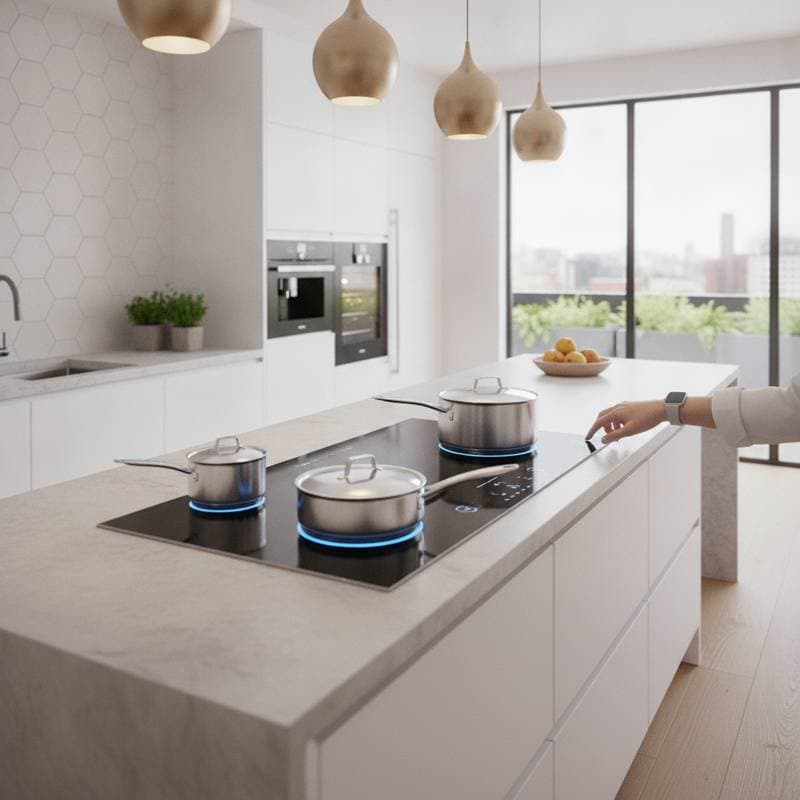
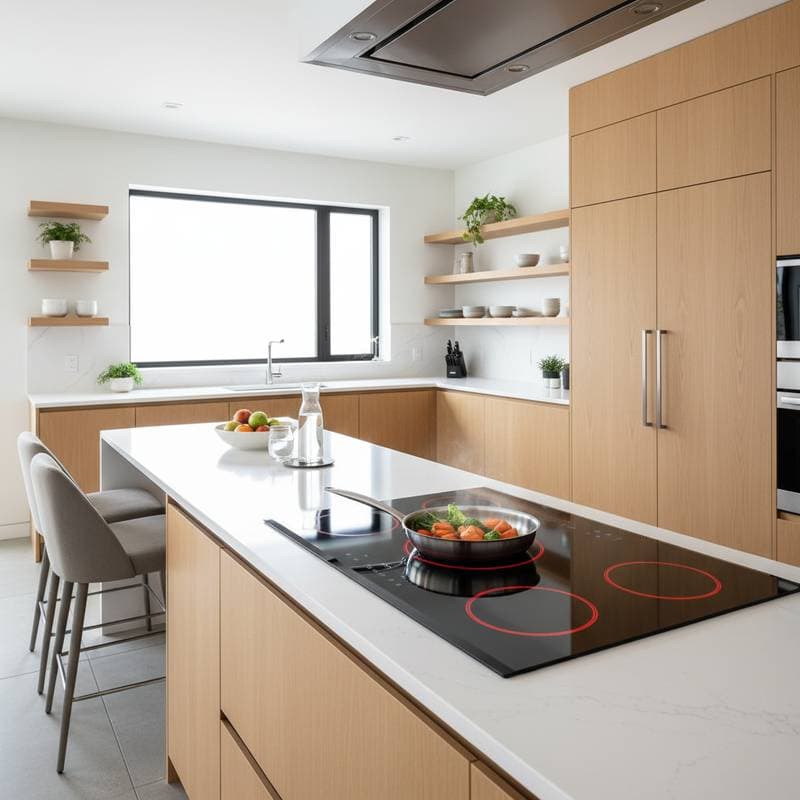
Full-sized built-in cooktops integrate into countertops, often paired with wall ovens for a cohesive setup. Multi-zone models feature four to six heating areas, each with independent controls. Advanced options include bridge zones that combine for larger cookware.
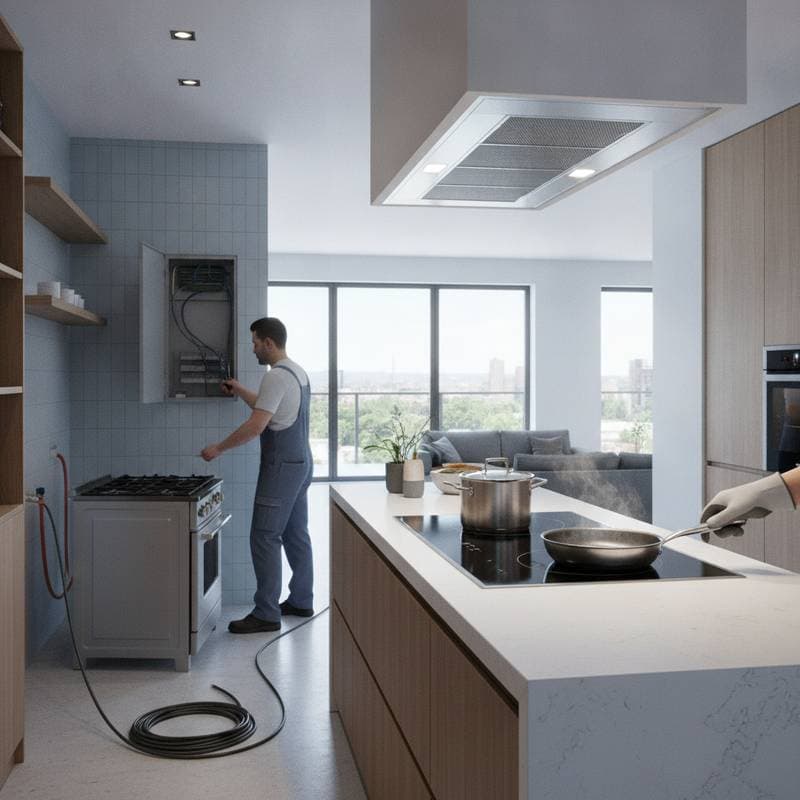
These systems support high wattage for professional-level performance. Installation requires professional wiring to handle the electrical demands. Built-ins elevate kitchen functionality, particularly in open-plan homes where cooking serves as a social hub.
Selecting the Right Induction Cooktop
Consider the kitchen layout when choosing a model. Measure counter space to ensure compatibility with built-in units. Verify that existing cookware works with induction; a simple magnet test confirms suitability for the base material.
Evaluate power requirements, as induction demands a 240-volt circuit in many cases. Budget for compatible pots if needed, though many households already own suitable items. Look for features like boost functions for rapid searing or simmer settings for gentle heating.
Energy efficiency ratings and warranty lengths provide additional guidance. Consult local building codes for installation compliance. These steps ensure a seamless integration that enhances daily cooking routines.
Upgrading to Induction for Sustainable Kitchens
Transitioning to induction aligns with all-electric home trends, supporting reduced carbon footprints. The technology pairs well with renewable energy sources, amplifying sustainability efforts. Kitchens equipped with induction become hubs of efficiency and innovation.
Homeowners report improved cooking experiences and noticeable energy savings after upgrades. The investment pays off through durability and performance. Embrace induction to transform meal preparation into a precise, enjoyable process that benefits both the cook and the environment.